
Pruning
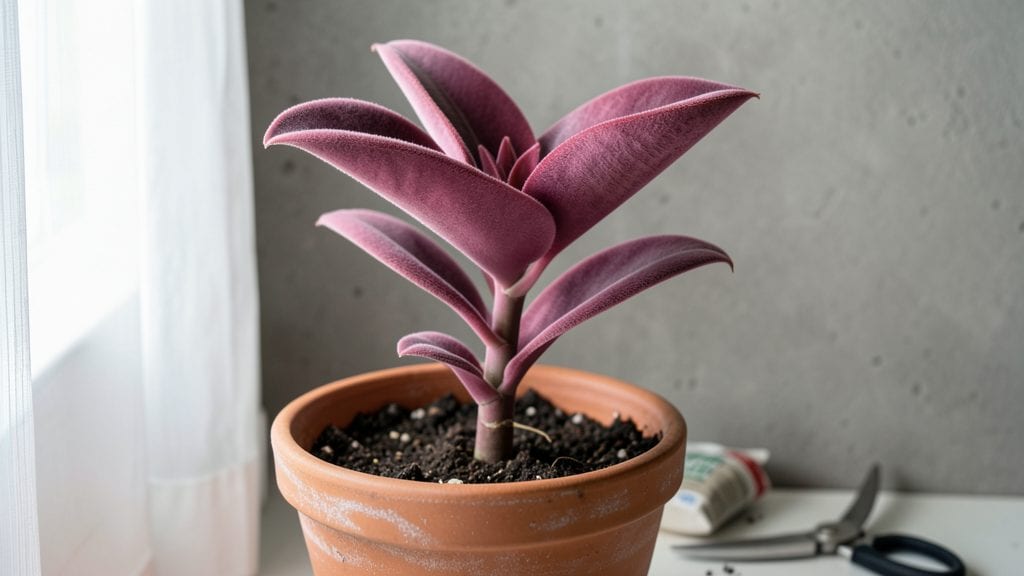
Your Pink Velvet banana tree could survive winter with the right cuts—this isn’t just pruning, it’s a frost-resilient makeover. I’ve revived mine three winters running using the same method, and the results are striking: thick, velvety new growth by spring instead of bare stalks.
The key? Timing, tool sharpness, and knowing exactly where to cut without sacrificing next year’s harvest.
This isn’t about drastic hacking—just strategic cuts to protect the crown while encouraging fresh shoots. You’ll need pruning shears, rubbing alcohol for sterilization, and a clear day to work (no soggy soil).
The process takes about 20 minutes per plant, and the payoff is a tree that bounces back faster than you’d expect, even in Zone 7’s chilly snaps. I’ve even seen mine push new leaves by early April.
What you’ll end up with is a neater, stronger plant that stores energy underground for spring’s rebound. The velvety pink foliage returns thicker, the trunk stays sturdy, and you avoid the sad sight of a collapsed pseudostem after frost.
Plus, you’ll spot where pests or disease might hide—those cuts reveal a lot. Ready to transform your banana tree’s winter fate?
Works for both container-grown and in-ground plants, though potted trees need extra care during freeze warnings. Here’s the step-by-step to make it foolproof—no green thumb required, just attention to detail. Let’s get those shears out.
📚 In This Guide
- What you need
- Instructions
- Tips and common mistakes
- Wrapping up and next steps
What you need
- ● Pruning shears – Sharp, sterilized bypass shears (for clean cuts on smaller stems). Size: 6-8 inches.
- ● Pruning saw – For thicker stems (1-inch diameter or larger). Type: Curved blade for smooth cuts.
- ● Disinfectant solution – 70% isopropyl alcohol or horticultural-grade rubbing alcohol (1 bottle, 8 oz).
- ● Gloves – Heavy-duty, cut-resistant gloves (1 pair) to protect from sap and thorns.
- ● Rubbing alcohol wipes – For quick sterilization between cuts (pack of 50+).
- ○ Pruning sealant – Optional but helpful for large cuts (e.g., Tanglefoot Tree Wound Pruning Sealer, 8 oz).
- ● Trash bags or compost bin – For removing pruned material (2–3 large bags).
- ● Ladder – If your tree is over 6 feet tall (extendable or sturdy step ladder).
- ● Handheld leaf blower – To clear debris after pruning (battery-operated for convenience).
- ● Marking spray – Fluorescent paint or chalk to map cuts before pruning (small can, 8 oz).
- ● Earplugs – If your saw is loud (for prolonged sessions).
How to prune a Pink Velvet banana tree for frost resilience
Reviving your Pink Velvet banana tree after cold snaps is all about smart cuts and timing—here’s how to do it right.
Assess Damage After Frost
Wait until the morning sun reveals the full extent of frost damage before cutting. Look for blackened, mushy stems or leaves that crunch when touched—these are dead and must be removed. Healthy tissue feels firm and green underneath the outer layer, even if discolored. Use clean, sharp pruning shears to avoid spreading disease.
Start by removing all dead leaves and fronds at their base. Cut just above a visible node or bud, where new growth can emerge. If the entire pseudostem (the thick, false trunk) is damaged, don’t panic—Pink Velvet bananas are surprisingly resilient. Focus on preserving any green, pliable tissue, as this holds the plant’s recovery potential.
Trim Back to Encourage New Growth
Once you’ve removed all dead material, cut back the remaining healthy fronds by about one-third of their length. This reduces stress on the plant and redirects energy toward regrowth. Make cuts at a 45-degree angle just above a leaf node, where a new shoot can form. Avoid cutting into old, hardened tissue—this slows recovery.
If the plant has multiple pseudostems, prioritize keeping the youngest, healthiest one. Older stems may not recover as vigorously, so focus your energy on the most promising growth point. Use a 10% hydrogen peroxide solution (1 part peroxide to 9 parts water) to disinfect your shears between cuts, preventing bacterial spread.
Protect the Plant from Further Cold
After pruning, shield your Pink Velvet banana from late frosts by covering it with a frost cloth or burlap wrap secured with stakes. Ensure the cover extends 6-12 inches beyond the plant’s height to trap warm air. Remove the cover during the day if temperatures rise above 40°F, as trapped heat can stress the plant.
Water the base lightly after pruning to help the plant recover, but avoid soggy soil—this invites rot. Mulch around the base with 2-3 inches of organic mulch (like straw or shredded leaves) to insulate roots and retain moisture. Monitor the soil’s moisture by sticking your finger 1 inch deep—water when it feels dry, but never let it stay soggy.
Fertilize and Monitor for Recovery Signs
Wait 4-6 weeks after pruning before applying fertilizer, giving the plant time to stabilize. Use a balanced, slow-release fertilizer (like 10-10-10) at half strength to avoid burning new growth. Look for signs of recovery: new fronds emerging from the base or a slight swelling at the nodes—these indicate the plant is regrowing.
If no new growth appears after 8-10 weeks, reassess the plant’s health. Check for root rot by gently digging around the base—healthy roots are firm and white, while rotten roots are mushy and dark. If roots are compromised, consider repotting in fresh, well-draining soil to revive the plant.
Tips & tricks for reviving Pink Velvet banana trees after frost
These practical tips will help you maximize your Pink Velvet banana tree's recovery potential after cold damage.
Visual Cues for Damage Assessment: In Step 1, when checking for frost damage, look for a clear contrast between healthy and damaged tissue. Healthy tissue will have a firm, slightly springy texture, while dead tissue will feel mushy and may crumble when gently squeezed. The color difference is also a good indicator—healthy tissue stays green underneath any frost damage, while dead tissue turns uniformly brown or black.
Precision Pruning Technique: When making those one-third cuts in Step 2, use your pruning shears to create clean cuts just above the leaf nodes. This is where new growth emerges, so accuracy matters. I've found that making cuts at a 45-degree angle helps water bead off the leaves, reducing the risk of fungal infections. Remember, you're not just cutting back—you're directing the plant's energy toward new, healthy growth.
Protective Covering Strategy: For Step 3's frost protection, I recommend using a frost cloth that's at least 6 feet wide to cover your entire plant. The extra inches beyond the plant's height create that crucial air pocket that traps warmth. If you don't have stakes, you can use heavy rocks or bricks to weigh down the edges of the frost cloth. This keeps it secure during windy conditions while still allowing air circulation.
Recovery Monitoring Timeline: The 4-6 week waiting period before fertilizing in Step 4 is crucial. During this time, keep a recovery journal where you note any changes you observe. Look for subtle signs like new fronds starting to unfurl or slight swelling at the nodes. If you see no signs of recovery after 8-10 weeks, it might be time to consider more drastic measures like repotting, as mentioned in the instructions.
Pro Tips for Pink Velvet Banana Tree
- These practical tips will help you maximize your Pink Velvet banana tree's recovery potential after cold damage.
- Visual Cues for Damage Assessment: In Step 1, when checking for frost damage, look for a clear contrast between healthy and damaged tissue.
- Precision Pruning Technique: When making those one-third cuts in Step 2, use your pruning shears to create clean cuts just above the leaf nodes.
Frequently asked questions
Got questions about your pink velvet banana tree (Musa velutina) and pruning it for frost resilience? Here are some common ones—and their answers!
How cold can a pink velvet banana tree tolerate before pruning is necessary?
The pink velvet banana tree is frost-resistant down to 20–25°F (-6 to -4°C), but prolonged exposure below 28°F (-2°C) may damage leaves. If frost hits, wait 1–2 weeks after the last freeze to assess damage before pruning. Cut back only dead or blackened fronds—healthy green growth signals the plant is still viable!
When is the best time of year to prune for frost resistance?
Prune after the last frost in early spring (March–April in most zones) to encourage new, frost-hardy growth. Avoid heavy cuts in late summer or fall, as this can leave the tree vulnerable before winter. A light trim to remove dead fronds in late winter (before buds swell) also helps prep for frost.
Can I prune too much? How do I know if I’ve overdone it?
Yes! Over-pruning can stress the tree, making it less frost-resistant. Never remove more than 1/3 of the fronds at once. Signs of over-pruning: no new leaves for 4+ weeks, yellowing stems, or stunted growth. If this happens, reduce future cuts and fertilize lightly to recover.
What if my pink velvet banana tree doesn’t regrow after pruning?
If the tree stays completely dormant (no shoots or leaves) for 6+ weeks after pruning, it may need help. Check the rhizome (underground stem)—if it’s soft or mushy, rot may be the issue. In this case, dig up the rhizome, trim the bad sections, and replant in fresh, well-draining soil. Keep it moist but not soggy until new growth appears.
Are there frost-resistant alternatives to the pink velvet banana tree?
If you love the look but want even more frost tolerance, consider these hardy alternatives:
- Dwarf Cavendish Banana (Musa acuminata ‘Dwarf Cavendish’) – Tolerates 25°F (-4°C) with protection.
- Japanese Banana (Musa basjoo) – Survives 15°F (-9°C) and regrows quickly.
- Red Dwarf Banana (Musa velutina ‘Red Dwarf’) – Similar care but slightly more cold-hardy.
Wrapping up and next steps
The pink velvet banana tree thrives with the right pruning care—especially in frost-prone climates! By mastering strategic cuts, you’ll revive its growth, boost resilience, and even enjoy more vibrant blooms. Remember, timing, sharp tools, and patience are your best allies.
Ready to give your tree the TLC it deserves? Start with a quick health check—inspect for frost damage, gather your tools, and schedule your first pruning session. Your frost-resistant oasis awaits! 🌱✨