
Trees
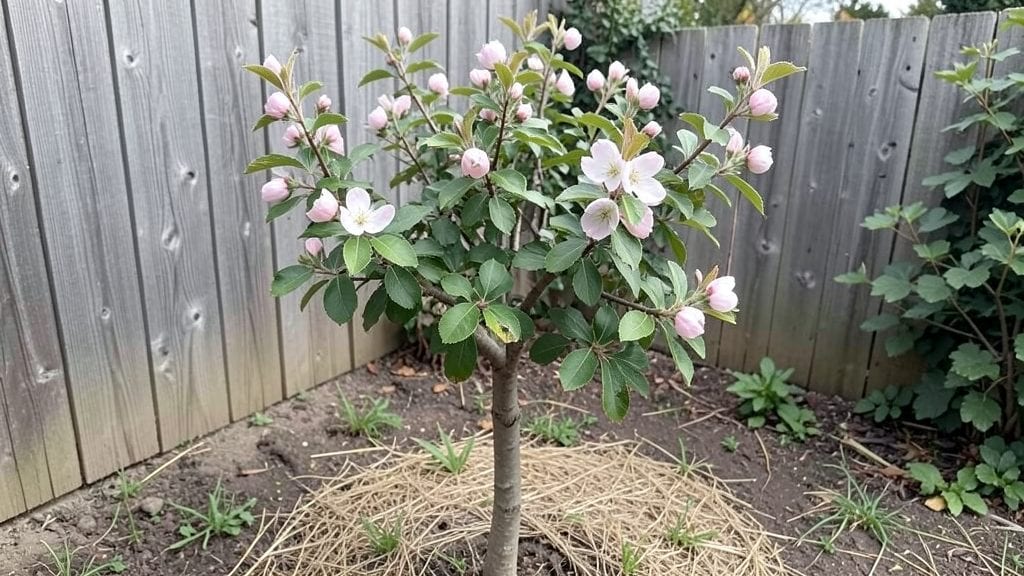
That pink spire crabapple tree transforms any Pacific Northwest garden into a four-season masterpiece—its delicate pink blossoms in spring, fiery red foliage in fall, and elegant silhouette year-round make it the ultimate low-maintenance focal point.
I planted mine as a centerpiece for my front yard, and neighbors now ask what "magic" we used to keep it looking so effortlessly refined. The secret isn’t tricky: it’s all about placement, spacing, and letting nature do the work.
This tree thrives in full sun to partial shade, making it perfect for lawns, borders, or even small urban gardens where space is tight. With a mature height of 15-20 feet and a compact, upright form, it fits snugly in tight spots without overwhelming them.
Pair it with evergreen shrubs like dwarf rhododendrons or boxwood for year-round structure, and you’ll create a layered look that feels intentional from every angle.
What really sets it apart is its seasonal drama: spring’s cloud-like pink blossoms, summer’s glossy green leaves, fall’s fiery red foliage, and winter’s bare branches adorned with persistent fruit. The tree’s natural shape means minimal pruning—just a light shaping in early spring to encourage fresh growth.
Plant it where you’ll see it from your kitchen window or driveway, and you’ll enjoy its beauty every day.
For best results, give it 10-15 feet of space to spread its roots comfortably, and mulch around the base to retain moisture. In the PNW’s mild winters, it handles frost like a champ, but a little winter protection for young trees ensures they establish strong roots.
Once planted, this tree becomes the backbone of your garden’s design—dramatic, durable, and utterly low-maintenance.
📚 In This Guide
- What you need
- Instructions
- Tips and common mistakes
- Wrapping up and next steps
What you need
- ● Pink Spire Crabapple Tree: A healthy 1- to 3-gallon container-grown specimen (check local nurseries for PNW-hardy varieties).
- ● High-quality planting soil: 2–3 cubic feet of well-draining, loamy soil (amend with compost if your native soil is heavy clay).
- ● Organic mulch: 2–3 inches of wood chips or shredded bark (avoid fresh wood or dyed mulch).
- ● Slow-release fertilizer: 1 lb of balanced 10-10-10 or organic tree fertilizer (follow package rates).
- ○ Staking supplies (optional but recommended for young trees): 2–3 wooden stakes (4–6 ft tall, 1–2 inches in diameter).
- ● Tree tie straps or soft fabric strips (3–5 pieces).
- ● Garden shovel or spade: For digging the planting hole (1.5–2x wider than the root ball).
- ● Hand trowel: For fine adjustments to roots or soil.
- ● Pruning shears: Sharp, clean shears (sterilize with rubbing alcohol).
- ● Watering can or hose with a gentle spray nozzle: For post-planting hydration.
- ● Measuring tape or ruler: To ensure proper spacing (15–20 ft from structures/buildings).
- ● Gloves: Heavy-duty gardening gloves (to protect against thorns and rough bark).
- ● Location scouting: Choose a spot with full sun (6+ hours/day) and protection from strong winds (PNW’s coastal breezes can stress young trees).
- ● Soil test (recommended): Check pH (ideal: 5.5–7.0) and nutrient levels via a local extension office or DIY kit.
- ● Permits (if applicable): Verify local regulations for large trees, especially near sidewalks or utility lines.
- ● Season timing: Plant in early spring or fall (avoid PNW’s wet winters or scorching summers).
Instructions for planting and establishing a Pink Spire Crabapple tree
This striking tree thrives in Pacific Northwest conditions—here’s how to plant it for long-term beauty and structure.
Select and Prepare the Planting Site
The Pink Spire Crabapple (Malus ‘Pink Spire’) demands excellent drainage and full sun exposure to showcase its vibrant pink blossoms and compact form. Choose a location with at least 6 hours of direct sunlight daily, preferably in well-draining soil with a pH between 6.0 and 7.0. Avoid low spots where water pools—this tree hates soggy roots.
Test the soil by digging a 12-inch deep hole—if water lingers after 24 hours, amend with 2-3 inches of compost or sand to improve drainage. In heavy clay soils common to the PNW, mix in organic matter to prevent root rot. The tree’s upright growth habit makes it ideal for small yards or as a focal point in landscape designs.
Dig the Planting Hole and Acclimate the Root Ball
Dig a hole twice as wide as the root ball but no deeper—this prevents soil compaction around the roots. The top of the root ball should sit 1-2 inches above ground level to allow for settling. Gently remove the tree from its container and loosen any circling roots with your fingers to encourage outward growth.
Before planting, soak the root ball in water for 15-20 minutes to hydrate the roots thoroughly. This step is critical in the PNW’s dry summers, where newly planted trees often struggle with transplant shock. If the tree arrives in a burlap wrap, remove it but leave the root collar exposed—burying it too deep suffocates the tree.
Plant and Stake for Stability
Place the tree in the center of the hole and backfill with the native soil, tamping lightly every 3-4 inches to eliminate air pockets. Water deeply as you fill to settle the soil and remove gaps. Avoid compacting the soil too firmly—roots need air and space to establish.
Stake the tree only if necessary—its strong root system typically stabilizes within 1-2 years. If staking, use two stakes placed 6-8 inches from the trunk and tie with soft fabric strips to avoid girdling. Mulch the base with 2-3 inches of wood chips, keeping mulch 6 inches away from the trunk to prevent rot. Water immediately after planting to help soil settle around the roots.
Water and Fertilize for Initial Establishment
Water the tree deeply once a week for the first month, then taper to every 10-14 days unless rainfall provides 1 inch of moisture. Overwatering is a common mistake—this tree tolerates drought once established but despises wet feet. Use a soaker hose to deliver water slowly at the base, avoiding leaf wetness to prevent fungal diseases.
Apply a balanced, slow-release fertilizer (10-10-10) at half-strength in early spring and again in mid-summer. The Pink Spire Crabapple is relatively low-maintenance but benefits from regular pruning to remove dead wood and shape its natural vase form. Avoid heavy pruning in late summer—new growth won’t harden off before winter.
Monitor and Maintain for Long-Term Health
Inspect the tree monthly for signs of pests like apple maggots or aphids, common in the PNW. Spray with neem oil if needed, but prioritize preventative care—healthy trees resist most infestations. In winter, apply 2-3 inches of mulch to insulate roots from freezing temperatures, though this tree is generally hardy to USDA Zone 4.
By year three, your Pink Spire Crabapple will reward you with stunning pink blossoms in spring, followed by ornamental fruit that persists into winter. Its disease resistance and compact size make it a standout choice for urban landscapes—just give it space to grow into its 15-20 foot mature height without crowding.
Tips & tricks for planting and establishing a Pink Spire Crabapple tree
These game-changing tips will help you transform your Pacific Northwest landscape with a thriving Pink Spire Crabapple that stands out for years.
Soil Testing is Non-Negotiable: Before planting, conduct a proper soil test through your local extension office. The Pink Spire Crabapple's success hinges on that 6.0-7.0 pH range mentioned in Step 1. I've seen trees struggle in PNW's acidic soils—don't assume your soil meets these requirements just because it looks okay. If your test shows pH below 6.0, amend with lime according to test recommendations before planting.
Root Ball Preparation Makes All the Difference: When you're loosening those circling roots in Step 2, take an extra moment to examine the root ball. Look for any dry, brittle roots—these indicate transplant shock has already begun. If you find them, soak the entire root ball in water for 30 minutes (beyond the 15-20 minutes suggested) before planting. This extra hydration gives your tree a fighting chance in our dry summers.
Staking Strategy for Long-Term Stability: The instructions mention staking only if necessary, but here's the pro move: install stakes before planting, not after. Drive them into the ground at a 45-degree angle, then gently tie the tree to them once planted. This prevents root disturbance during the initial planting process. Remove stakes after 12 months—the tree's strong root system will stabilize by then, and stakes left too long can girdle the trunk.
Watering Wisdom for PNW Conditions: That 1 inch of moisture guideline in Step 4 is perfect, but here's how to measure it accurately: place a rain gauge or empty tuna can in your planting area. When it collects 1 inch of water from either rainfall or irrigation, that's your cue to hold off on watering. In our region's unpredictable weather, this method prevents both overwatering and underwatering—both deadly for this tree.
Pro Tips for Pink Spire Crabapple Tree
- These game-changing tips will help you transform your Pacific Northwest landscape with a thriving Pink Spire Crabapple that stands out for years.
- Soil Testing is Non-Negotiable: Before planting, conduct a proper soil test through your local extension office.
- Root Ball Preparation Makes All the Difference: When you're loosening those circling roots in Step 2, take an extra moment to examine the root ball.
Frequently asked questions
Got questions about the stunning Pink Spire Crabapple Tree? You’re not alone!
Here are answers to the most common queries about this showstopper of the Pacific Northwest.
How fast does the Pink Spire Crabapple grow?
The Pink Spire Crabapple grows at a moderate rate of 12–24 inches per year. With proper care, it can reach 20–25 feet tall and 15–20 feet wide within 10–15 years. Patience pays off—its slow-to-moderate growth ensures steady, sturdy structure without aggressive sprawl.
Does it produce edible fruit?
Nope! While it blooms with pink, fragrant flowers in spring, its small, 1-inch fruits are not edible (and are actually toxic if ingested in large quantities). The real appeal? Its year-round interest—glossy foliage, striking bark, and vibrant fall color make it a landscape star.
How cold-hardy is this tree?
This crabapple is highly resilient, thriving in USDA Zones 4–8. It handles winter temps down to -30°F with ease, making it perfect for the Pacific Northwest’s chilly climate. Just ensure it’s planted in well-draining soil to avoid root rot in soggy conditions.
What’s the best time to prune it?
Prune your Pink Spire in late winter or early spring (before buds swell) to shape it and remove dead branches. Avoid heavy pruning in fall—it can stimulate late growth vulnerable to frost damage. Light maintenance pruning after flowering (summer) keeps it tidy without stressing the tree.
Are there dwarf alternatives for small yards?
Yes! If space is limited, consider the ‘Centennial’ Crabapple (dwarf variety, 12–15 ft tall) or ‘Adams’ Crabapple (compact, 10–12 ft). Both offer pink blooms and disease resistance but stay petite. Just confirm they suit your zone—most dwarf crabapples thrive in Zones 4–8 like the Pink Spire.
Still curious? Drop your questions below—we’re happy to help your tree thrive!
Wrapping up and next steps
The Pink Spire Crabapple Tree is a showstopper for Pacific Northwest gardens, blending year-round beauty, resilience, and low-maintenance charm.
With its striking pink blooms, vibrant fall foliage, and sturdy structure, it’s the perfect choice for adding drama and color to your landscape—whether you’re a seasoned gardener or just starting out. 🌸
Ready to transform your outdoor space? Start by researching local nurseries or checking soil conditions in your area to ensure this stunning tree thrives in your yard. Planting one is an investment in natural beauty that pays off for decades!