
Pruning
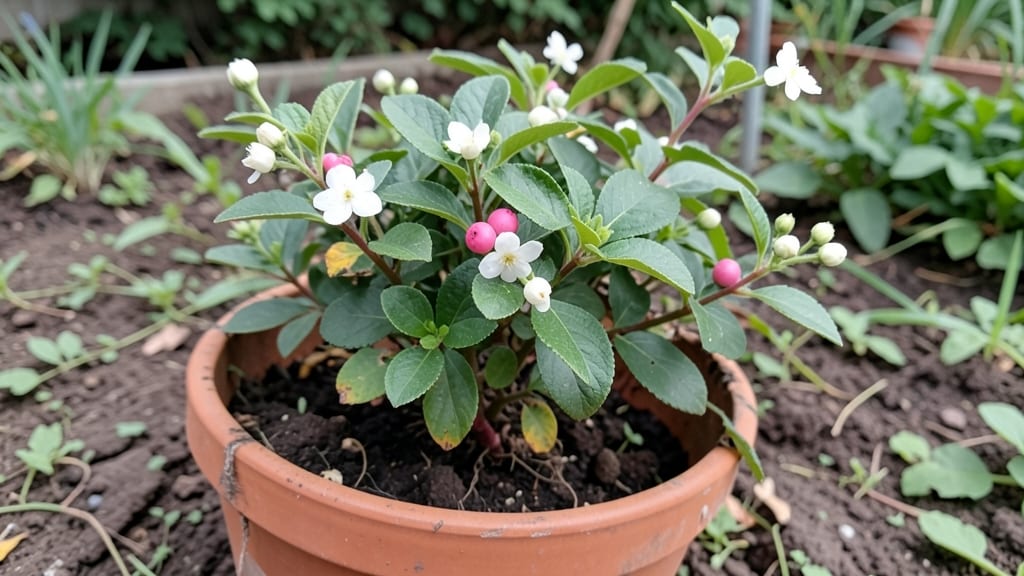
That blush-pink foliage and candy-colored fruit make the Pink Lemonade blueberry tree the Pacific Northwest's most eye-catching small tree. 🌸 I planted mine as a centerpiece in my courtyard garden, and the hummingbirds haven't stopped visiting since last spring.
The tree's ornamental value goes beyond its striking leaves—its fruit stays pink even when ripe, creating a visual spectacle that lasts from summer through fall.
This isn't just a pretty face—it's a multi-season performer. In early spring, the new growth emerges in soft pink hues, then deepens to a rich green. By summer, clusters of pink berries appear, attracting hummingbirds and adding vibrant pops of color to any landscape.
Even in winter, the tree's graceful branches provide structure and interest. The compact size makes it perfect for small yards, container plantings, or as a focal point in themed gardens like cottage-style or pollinator-friendly designs.
You'll want to place it where it gets morning sun and afternoon shade, especially in hotter microclimates. Pair it with companion plants like lavender, catmint, or ornamental grasses to extend the seasonal interest and create a layered, textured look.
The berries are edible (though tart), so you can also plant it near seating areas where you can enjoy the show—and the occasional snack straight from the tree.
Whether you're designing a container garden, a small urban yard, or a pollinator haven, this tree delivers year-round visual impact with minimal effort. The best part? It thrives in the Pacific Northwest's climate, making it a low-maintenance star for any landscape.
Let's talk placement and design ideas to make it the centerpiece of your garden.
📚 In This Guide
- What you need
- Instructions
- Tips and common mistakes
- Wrapping up and next steps
What you need
- ● Blueberry tree variety: Choose a Rabbiteye or Half-High blueberry cultivar (e.g., 'Duke,' 'Tifblue,' or 'Top Hat')—these thrive in PNW climates.
- ● Pink lemonade dye (food-grade):strong> 1–2 oz (for a subtle blush tint; adjust for intensity).
- ● Organic sugar: 1 cup (for sweetness and hummingbird appeal).
- ● Fresh or frozen blueberries: 2 cups (or 1 lb, pitted if using dried).
- ● Water: 1 gallon (filtered or distilled for clarity).
- ● Pruning tools: Bypass pruners (sharp, sterilized with rubbing alcohol).
- ● Loppers (for thicker branches).
- ● Hand saw (for stubborn growth).
- ● Protective gear: Gloves (nitrile for grip, cut-resistant).
- ● Safety goggles (for debris).
- ● Natural thickeners: 1 tsp xanthan gum or 2 tbsp cornstarch (to prevent sugar crystallization).
- ● Citric acid: ½ tsp (preserves freshness; skip if using within 3 days).
- ● Edible glitter or flower petals: For a gourmet touch (hummingbirds love color!).
- ● Tree-specific amendments: Acid-loving fertilizer (e.g., Espoma Azalea/Camellia).
- ● Mulch (pine needles or oak leaves to maintain soil pH 4.5–5.5).
- ● Feeder attachment: A drip system or shallow dish (for easy hummingbird access).
Step-by-step guide to planting and cultivating your pink Lemonade blueberry tree
This vibrant hybrid thrives in Pacific Northwest climates—here's how to grow one that hummingbirds will adore all year.
🌱 Step 1: Select the Perfect Planting Site and Prepare the Soil
Choose a location with full sun exposure (6-8 hours daily), sheltered from strong winds. The Pink Lemonade variety loves acidic soil with a pH between 4.5 and 5.5—test your soil first, as Pacific Northwest soils often lean alkaline. If needed, amend with peat moss or sulfur to lower pH before planting.
Dig a hole twice as wide as the root ball but only as deep as the container's base. The tree's graft union should sit 2-3 inches above soil level—this prevents rot and encourages strong growth. Gently loosen the root ball if it's tightly bound, then place the tree in the hole and backfill with native soil mixed with compost for nutrients.
💧 Step 2: Plant and Water Thoroughly for Establishment
Water the tree deeply immediately after planting to settle the soil and eliminate air pockets. Use 1-2 gallons of water for young trees, ensuring moisture reaches the root zone. Avoid shallow watering—this encourages weak root growth. Mulch around the base with 3-4 inches of wood chips or pine straw, keeping it 6 inches away from the trunk to prevent rot.
For the first 4-6 weeks, check soil moisture daily. The top 2 inches should feel moist but not soggy. Overwatering is a common mistake—Pink Lemonade trees hate "wet feet" and may develop fungal issues. If rain is forecast, hold off on watering to avoid oversaturation.
☀️ Step 3: Prune for Shape and Fruit Production
Prune in late winter or early spring before new growth begins. Remove dead, crossing, or diseased branches first, then thin out 10-20% of the oldest wood to improve airflow and sunlight penetration. The goal is an open, vase-like shape that lets light reach inner branches—this ensures even fruiting.
Watch for suckers (shoots growing from the base) and remove them promptly. These divert energy from fruit production. After pruning, apply a balanced fertilizer (10-10-10) in early spring to support new growth. Avoid high-nitrogen fertilizers—they promote leafy growth at the expense of berries.
🐝 Step 4: Maintain Year-Round for Hummingbirds and Harvest
Pink Lemonade trees flower earlier than traditional blueberries, making them a hummingbird magnet from late winter into spring. To extend the show, prune lightly after harvest to encourage fall blooms—this variety often produces a second flush of flowers in mild Pacific Northwest winters.
Harvest berries when they're deep pink and fully plump (usually late spring to early summer). Pick gently to avoid damaging stems. Store in the fridge for up to 5 days or freeze for longer storage. Leave a few clusters on the tree for hummingbirds—they’ll return year after year if they find reliable food sources.
Tips & tricks for perfect pink Lemonade blueberry tree cultivation
Here's what I've learned from years of growing these stunning trees that'll make your Pacific Northwest garden a hummingbird hotspot.
Soil pH Precision: While the instructions call for pH 4.5-5.5, I've found that testing your soil first is absolutely critical—especially in our region where natural pH often skews higher. Use a digital pH meter for accuracy, and if you need to adjust, apply sulfur gradually over time. Too much at once can shock the roots, and you'll know it's working when you see those beautiful pink blooms appear earlier than expected.
Watering Wisdom: The 1-2 gallons immediately after planting is just the beginning. I've learned to set up a drip irrigation system for the first 4-6 weeks—it delivers consistent moisture to those 2 inches of topsoil without the risk of overwatering. Think of it like giving your tree a daily shower rather than a weekly bath. This consistency is what prevents those dreaded fungal issues that can set your tree back months.
Pruning Strategy: When thinning out 10-20% of oldest wood in Step 3, focus on branches that are thicker than a pencil—these are the ones competing with your tree's energy. I always make my cuts just outside the branch collar where it meets the trunk. This technique promotes faster healing and prevents those unsightly stubs. And here's a pro move: save your pruned branches to make your own compost for next year's planting!
Hummingbird Magnet Tip: To extend that spring blooming window into fall as mentioned, I've started adding a light layer of compost around the base after harvest. This gives your tree a little nutrient boost that encourages those second flush of flowers. Plus, the extra organic matter helps retain moisture during our sometimes dry summer months. It's like giving your tree a little energy drink to keep those pink blooms coming!
Pro Tips for Pink Lemonade Blueberry Tree
- Here's what I've learned from years of growing these stunning trees that'll make your Pacific Northwest garden a hummingbird hotspot.
- Soil pH Precision: While the instructions call for pH 4.5-5.5, I've found that testing your soil first is absolutely critical—especially in our region where natural pH often skews higher.
- Watering Wisdom: The 1-2 gallons immediately after planting is just the beginning.
Frequently asked questions
Got questions about growing and maintaining your Pink Lemonade Blueberry Tree? You’re not alone! Here are some of the most common queries from gardeners in the Pacific Northwest—plus expert answers to keep your tree thriving and hummingbirds buzzing.
When is the best time to prune my Pink Lemonade Blueberry Tree?
Prune your tree late winter to early spring (before buds swell but after frost risk passes). This timing encourages strong growth while avoiding stress during dormancy. Avoid heavy pruning in summer or fall—it can stimulate tender new growth vulnerable to cold. Pro tip: Focus on shaping and removing dead wood first, then fine-tune for airflow and sunlight.
How cold-hardy is this tree, and do I need winter protection?
The Pink Lemonade Blueberry Tree thrives in USDA Zones 5-9, making it perfect for the PNW’s chilly winters. However, young trees or those in exposed areas may benefit from mulch (3-4 inches of wood chips) around the base. Avoid wrapping the trunk—it traps moisture and can cause rot. Bonus: Evergreen foliage provides year-round hummingbird cover!
Why aren’t my blueberries turning pink like the name suggests?
Don’t worry—the berries start green or white and gradually blush pink as they ripen (July–August). Color intensity depends on sunlight, temperature, and variety. If berries stay pale, check for underwatering or shade. Fun fact: The pink hue is a natural antioxidant boost—great for hummingbirds and humans alike!
Can I grow this tree in a container, or does it need to be planted in the ground?
While possible in large containers (20+ gallons)
, this tree grows best in the ground for root expansion and stability. If container-grown, ensure it’s well-draining, fertilized regularly, and moved to a sunny spot in summer. Warning: Containers dry out faster—water deeply 2–3x/week in summer.How do I attract even more hummingbirds to my tree?
Hummingbirds love nectar-rich flowers + sugar water. Add a hummingbird feeder (1:4 sugar-water ratio, no dye!) near the tree, and plant companion flowers like bee balm or fuchsia. Avoid pesticides—hummingbirds are sensitive to chemicals. Pro move: Place feeders where you can watch them from indoors—it’s mesmerizing!
What should I do if my tree’s leaves turn yellow or drop early?
Yellow leaves often signal overwatering, nutrient deficiency, or root rot. Check soil moisture (stick your finger 2 inches deep—dry? Water; soggy? Hold off). Amend soil with compost and ensure proper drainage. If roots smell rotten, trim affected areas and repot (if container-grown). Prevention tip: Mulch helps regulate soil temp and moisture!
Wrapping up and next steps
Transforming your Pacific Northwest garden into a hummingbird haven with a pink lemonade blueberry tree is a rewarding journey that blends beauty, sustainability, and joy.
This vibrant tree not only offers a stunning visual treat but also provides a year-round feast for these tiny, energetic birds—while gifting you with delicious fruit! 🌸🐦
Ready to take the next step? Start by pruning with care this season, then expand your efforts by adding native pollinator-friendly plants to create an even more thriving ecosystem. Your garden—and the hummingbirds—will thank you!