
Pruning
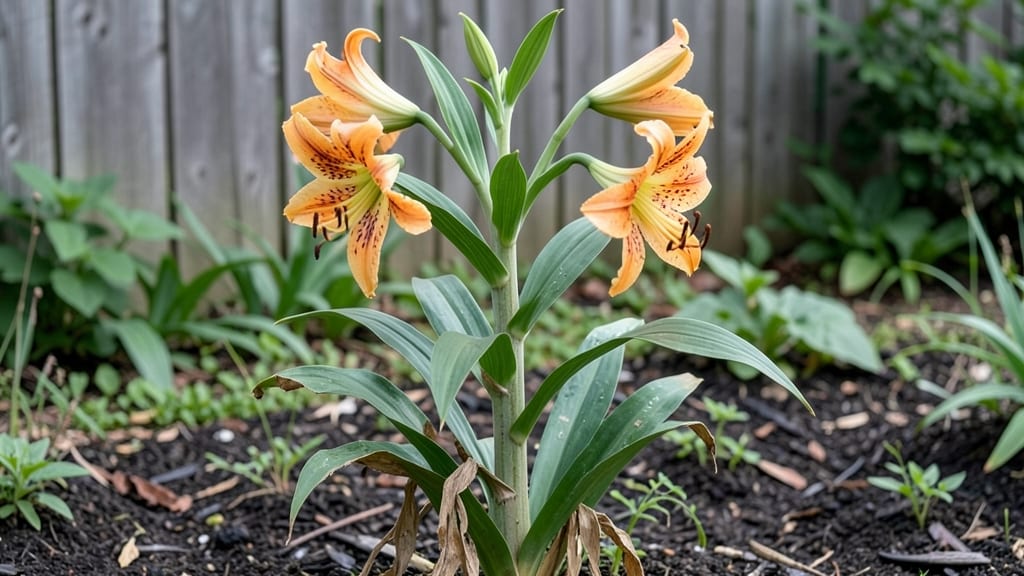
The Conca d'Or lily tree turns your Pacific Northwest yard into a hummingbird buffet—blooming from spring through fall with golden-orange flowers that never quit. 🌸 I planted mine last spring in a sunny corner, and by midsummer, I was watching hummingbirds dart between branches like tiny acrobats.
This isn’t just a pretty face; it’s a hardworking tree that thrives in our rainy climate while attracting pollinators year-round.
You’ll need well-draining soil (amend heavy clay with compost) and a spot with at least 6 hours of sunlight daily—though it tolerates partial shade better than most lilies.
The first year is all about establishing roots, so focus on consistent watering (deep but infrequent) and a balanced fertilizer in early spring. Pruning? Just trim dead branches in late winter—this tree rewards low-maintenance care with high-impact blooms.
By summer, you’ll have a canopy of fragrant flowers that hummingbirds can’t resist, plus glossy foliage that stays lush even through our damp summers. The best part? It grows 10-15 feet tall, making it perfect for borders or as a focal point in larger gardens.
Once established, it’s nearly self-sufficient—just watch for aphids and keep an eye out for fungal spots after heavy rains.
Works beautifully in coastal gardens, urban yards, or even large containers if you’re short on space. Here’s how to get yours thriving from day one—no green thumb required.
📚 In This Guide
- What you need
- Instructions
- Tips and common mistakes
- Wrapping up and next steps
What you need
- ● Pruning shears: Bypass pruners (sharp, clean, and sterilized with rubbing alcohol) for small branches.
- ● Loppers: 8–10" bypass loppers for thicker stems (up to 2" diameter).
- ● Pruning saw: A curved-tooth handsaw for stubborn, woody branches.
- ● Gloves: Heavy-duty, cut-resistant gloves (e.g., Mechanix or Tough Outdoorsman) to protect from thorns.
- ● Disinfectant: 70% isopropyl alcohol or a 10% bleach solution (1 part bleach to 9 parts water) for sterilizing tools.
- ○ Pruning sealant: Optional but helpful—use a tree wound sealant (like Tanglefoot Tree Wound Pruning Seal) for large cuts.
- ● Ladder: Extendable or step ladder (6–10 ft) for tall branches—never stand on wobbly surfaces!
- ● Heavy-duty trash bags: 30+ gallon capacity to collect clippings (lily tree debris can be heavy!).
- ● Safety glasses: Protect your eyes from flying debris.
- ● Work boots: Sturdy, ankle-supportive boots for uneven terrain.
- ● Notebook & pen: To jot down pruning notes (e.g., branch locations, growth patterns).
- ● Weather check: Prune on a dry, overcast day (avoid midday heat or rain).
- ● Tool sharpening: Ensure blades are razor-sharp for clean cuts.
- ● Tree health assessment: Inspect the lily tree for diseased or dead branches before starting.
- ● Hummingbird feeder nearby: Have a clean, fresh feeder ready to replenish after pruning (those birds will be thirsty!).
Step-by-Step instructions for planting and caring for Conca D'or lily tree
Here’s how to establish this stunning Pacific Northwest beauty for year-round hummingbird visits.
🌱 Step 1: Select and Prepare the Planting Site
The Conca D’Or lily tree thrives in partial shade to full sun—ideally 4-6 hours of morning sunlight—to protect its delicate blooms from afternoon heat. In the Pacific Northwest’s cooler, wet climate, choose a spot with well-draining soil to prevent root rot. I always test drainage by digging a 12-inch hole, filling it with water, and waiting to see if it drains within 30 minutes. If not, amend the soil with 2-3 inches of compost or sand to improve aeration.
This tree’s natural range includes coastal areas, so it tolerates slightly acidic to neutral soil (pH 6.0-7.0). If your soil is heavy clay, mix in organic matter like leaf mold or peat moss to loosen it. The root system spreads moderately, so plant at least 8 feet away from structures or other plants to allow for mature growth.
🪴 Step 2: Plant the Tree at the Right Depth and Support It
Dig a hole twice as wide as the root ball but no deeper—planting too low can suffocate the roots. Gently remove the tree from its container and loosen any circling roots with your fingers. Place it in the hole so the top of the root ball sits level with the surrounding soil (never buried deeper). Backfill with native soil, pressing lightly to eliminate air pockets but avoiding compaction.
Conca D’Or trees benefit from staking in their first year, especially in windy coastal areas. Use two 6-foot stakes driven into the ground 6 inches from the trunk, then secure the tree with soft tree ties (never wire, which can girdle the bark). Water deeply after planting to settle the soil around the roots—you’ll see moisture bead up on the surface as a sign it’s properly hydrated.
☀️ Step 3: Water Deeply and Mulch to Retain Moisture
Water the newly planted tree once a week for the first month, providing 1-2 gallons per watering to encourage deep root growth. After that, reduce to every 2-3 weeks unless the soil feels dry 2 inches below the surface. Overwatering is the biggest mistake—Conca D’Or trees hate soggy roots. I always check by inserting my finger into the soil; if it’s damp, wait before watering again.
Apply a 3-inch layer of mulch (cypress or wood chips work well) around the base, keeping it 6 inches away from the trunk to prevent rot. Mulch helps regulate soil temperature and reduces evaporation, which is critical in the Pacific Northwest’s mild but wet winters. Replenish the mulch annually to maintain its insulating properties.
✂️ Step 4: Prune for Shape and Encourage Blooms
Prune in late winter or early spring before new growth appears. Remove dead, damaged, or crossing branches first, cutting back to the nearest outward-facing bud. Thin out overcrowded stems to improve airflow and reduce disease risk. I never prune more than 25% of the tree’s foliage in one season—this ensures the Conca D’Or retains enough energy for its spectacular year-round blooms.
After flowering, trim spent blooms back to just above a leaf node to encourage new growth. Avoid heavy pruning in summer, as the tree relies on foliage to store energy for winter. If you notice yellowing leaves, it’s often a sign of overwatering or nutrient deficiency—reduce watering and fertilize lightly with a balanced 10-10-10 formula in early spring.
🌿 Step 5: Monitor for Pests and Seasonal Care
Conca D’Or trees are relatively pest-resistant, but aphids or spider mites can appear in dry summers. Spray infested areas with neem oil or a soapy water solution (1 tsp mild soap per quart of water) for a natural remedy. I always inspect the undersides of leaves and new growth—this is where pests hide. If you see chewed leaves, deer or rabbits might be the culprits. Use physical barriers like chicken wire to protect young trees.
In winter, the tree’s leathery leaves provide some protection, but a light frost cloth can shield it from hard freezes below 20°F. Prune lightly in late winter to shape the tree and remove any dead wood. Fertilize again in early spring with a slow-release granular fertilizer to support the next season’s blooms. With proper care, your Conca D’Or will reward you with continuous nectar-rich flowers—a hummingbird’s dream.
Tips & tricks for perfect Conca D'or lily tree planting
A few pro insights that'll help your Conca D'Or thrive in the Pacific Northwest's unique climate.
Soil Test Tip: That 30-minute drainage test in Step 1 is non-negotiable. If water pools after 30 minutes, you're dealing with heavy clay soil. In this case, I've found mixing in equal parts compost and coarse sand creates the perfect balance—think of it as creating a "sponge" that holds moisture without drowning roots. The goal is to mimic the well-draining coastal soils where this tree naturally thrives.
Planting Depth Secret: When placing your tree in Step 2, use a small stake next to the root ball as a reference point. The top of the root ball should sit just ½ inch below the surrounding soil line—this subtle elevation prevents water from pooling around the trunk. I've seen too many gardeners bury the root ball too deeply, which suffocates the tree and leads to root rot in our wet climate.
Watering Wisdom: Those first 4-6 hours of morning sunlight in Step 1 are crucial for establishing strong roots, but they also mean your tree will need more frequent watering during that initial period. I've developed a simple trick: water deeply in the morning after those 4-6 hours of sun, then again in the evening. This two-watering approach mimics natural rainfall patterns and helps prevent the shock that can occur when roots are suddenly exposed to full sun.
Pruning Precision: When you're pruning in Step 4, focus on creating an open vase shape rather than a dense canopy. This allows sunlight to penetrate to the lower branches, encouraging blooms all the way down the tree. I always make my cuts just above a leaf node at a 45-degree angle—this promotes faster healing and reduces the risk of disease entering the wound. Remember, you're not just shaping the tree; you're encouraging that year-round flowering habit.
Pro Tips for Conca D'Or Lily Tree
- A few pro insights that'll help your Conca D'Or thrive in the Pacific Northwest's unique climate.
- Soil Test Tip: That 30-minute drainage test in Step 1 is non-negotiable.
- Planting Depth Secret: When placing your tree in Step 2, use a small stake next to the root ball as a reference point.
Frequently asked questions
How often should I prune my Conca D'Or lily tree?
Prune your Conca D'Or lily tree once a year, ideally in late winter or early spring (before new growth starts). Focus on removing dead, damaged, or crossing branches to encourage airflow and vibrant blooms. Avoid heavy pruning—these trees bloom on new wood, so minimal shaping keeps them happy!
Is the Conca D'Or lily tree cold-hardy?
Yes! This Pacific Northwest native thrives in USDA Zones 7-9, handling temps down to 10°F (-12°C). For extra protection in colder microclimates, mulch the base with 3–4 inches of organic matter (like wood chips) in fall. Young trees may need burlap wraps during harsh winters.
Why aren’t hummingbirds visiting my Conca D'Or?
Hummingbirds love Conca D'Or for its nectar-rich, orange-red blooms, but they might skip it if:
While possible, it’s challenging—these trees grow 10–15 feet tall! If you must, use a large pot (20+ gallons) with drainage holes and well-draining soil. Move it outdoors in spring/summer and bring it inside (or protect from frost) in winter. Root-bound trees suffer, so repot every 2–3 years if container-grown. If your climate or space limits Conca D'Or, try these hummingbird-friendly Pacific Northwest natives:
Can I grow a Conca D'Or lily tree in a container?
What’s a good alternative if I can’t grow Conca D'Or?
All three thrive in Zones 7–9 and require minimal fuss!
Wrapping up and next steps
The Conca d’Or lily tree isn’t just a stunning addition to your Pacific Northwest garden—it’s a year-round magnet for hummingbirds, offering beauty and function. With the right pruning techniques, you’ll keep it thriving, encourage abundant blooms, and support local pollinators. 🌸
Ready to transform your outdoor space? Start by gathering your tools and scheduling your first pruning session—your garden (and the hummingbirds!) will thank you. Happy pruning!