Pruning
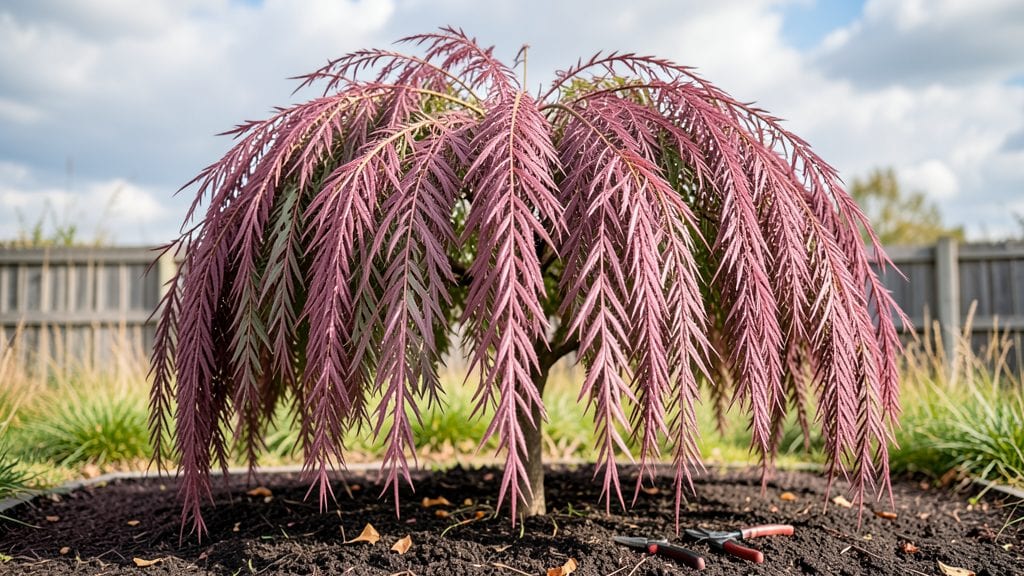
The pink flamingo willow tree isn’t just a plant—it’s a conversation starter that turns a boring corner into a whimsical focal point. 🌸 Its hot-pink foliage stands out like a neon sign in any garden, and it thrives in cold climates, making it the perfect year-round statement maker.
I’ve used it to transform dull spaces into playful, Instagram-worthy spots that neighbors can’t help but admire.
This tree isn’t picky about where it lives, either. Plant it near patios, along pond edges, or as a bold accent in cottage gardens—its arching branches create natural shade while drawing in hummingbirds with their vibrant color.
Pair it with silver foliage plants like lamb’s ear or dusty miller to make the pink pop even more, or tuck it beside a water feature for a tropical vibe without the high maintenance.
What you’ll love most is how effortlessly it fits into any design scheme. Whether you’re going for retro charm, modern minimalism, or full-on whimsy, this tree delivers drama without the fuss.
Plus, its frost resistance means you get to enjoy that eye-catching color through all four seasons—something most ornamental trees can’t promise.
Here’s the best part: it grows fast, so you won’t wait years to see results. In just a few seasons, you’ll have a lush, living sculpture that’s as functional as it is beautiful. Ready to make your garden unforgettable?
📚 In This Guide
- What you need
- Instructions
- Tips and common mistakes
- Wrapping up and next steps
What you need
- ● Pink Flamingo Willow Tree: 1 young tree (3–5 ft tall, bare-root or potted) from a reputable nursery. Look for Chionanthus retusus (Chinese fringe tree) or Salix alba 'Britzensis' (golden weeping willow) varieties with pinkish hues.
- ● Pruning Shears: 1 pair of bypass pruners (sharp, clean, and <15" blade length) for precision cuts.
- ● Loppers: 1 pair (for thicker branches, up to 2" diameter).
- ● Hand Saw: 1 pruning saw (for stubborn branches or larger cuts).
- ● Gloves: 1 pair of cut-resistant gardening gloves (to protect from thorns and sap).
- ● Disinfectant: 70% isopropyl alcohol or a pruning sealant (to prevent disease spread).
- ● Planting Supplies (if new): 1 5-gallon bucket of high-quality potting mix (or native soil amended with compost).
- ● 1 slow-release fertilizer (10-10-10 or organic option like fish emulsion).
- ● 1 mulch (3–4 inches of shredded bark or pine straw).
- ● Extension Pole Saw: For high branches (if your tree is mature).
- ● Tree Stake & Ties: To support young trees during planting (if needed).
- ● Hummingbird Feeder: A red, nectar-filled feeder (place near the tree to attract pollinators!).
- ● Weatherproof Marker: To label your tree (fun idea: a pink flamingo garden stake!).
- ● Safety Gear: Safety glasses (if dealing with large branches) and ear protection (for loud pruning).
Step-by-Step guide to planting and caring for a pink flamingo willow tree
This vibrant tree thrives in almost any climate—here’s how to plant and nurture one that hummingbirds will adore.
🌱 Step 1: Choose the Perfect Planting Spot
The Pink Flamingo Willow loves sun but tolerates partial shade, making it versatile for most yards. Pick a location with at least 6 hours of sunlight daily, though it will survive with just 4 hours if the rest is dappled shade. Avoid low spots where water pools—this tree hates soggy roots.
Check the soil by digging a 6-inch hole. If it feels compacted or clay-heavy, mix in 2-3 inches of compost to improve drainage. The tree’s striking pink flowers will stand out best when planted near a patio or garden path where you can enjoy its beauty up close.
🪴 Step 2: Plant Your Tree with Proper Spacing
Dig a hole twice as wide as the root ball but no deeper. Gently remove the tree from its container and loosen any circling roots with your fingers. Place it in the hole so the top of the root ball sits 1 inch above ground level—this prevents water from pooling around the trunk.
Backfill with native soil, pressing lightly to remove air pockets. Water deeply to settle the soil, then add a 2-inch layer of mulch around the base (keep it 6 inches away from the trunk to avoid rot). The mulch helps retain moisture and keeps weeds at bay—just refresh it annually.
☀️ Step 3: Water and Fertilize for Strong Growth
Water your new tree deeply every 2-3 days for the first 2 weeks, then taper to once a week once established. You’ll know it’s getting enough water when the top 2 inches of soil feel slightly damp—never soggy. Overwatering is the #1 killer of young willows.
In early spring, apply a balanced 10-10-10 fertilizer around the drip line (the edge of the tree’s canopy). Scatter it evenly and water it in. Repeat every 6-8 weeks during the growing season. The tree’s vibrant pink blooms will reward your efforts!
✂️ Step 4: Prune and Maintain for Year-Round Beauty
Prune in late winter or early spring before new growth begins. Remove any dead, damaged, or crossing branches with clean cuts just above a outward-facing bud. This encourages a fuller shape and prevents disease. Avoid heavy pruning—willows regenerate quickly but can get leggy if over-pruned.
Watch for signs of stress like yellowing leaves or stunted growth. These often mean the tree needs more water or better drainage. Hummingbirds will visit year-round if you keep the tree healthy—its nectar-rich flowers are irresistible! A light application of eco-friendly insecticide in summer prevents pests from ruining the show.
⏰ Step 5: Prepare for Winter and Encourage Hummingbirds
Pink Flamingo Willows are frost-resistant, but a thick layer of mulch (3-4 inches) around the base insulates roots in cold climates. In late fall, prune any weak growth to redirect energy to the tree’s core. The tree’s natural shape makes it wind-resistant, so no staking is needed.
To attract hummingbirds, place a shallow dish of sugar water (1 part sugar to 4 parts water) near the tree in summer. The birds will visit the flowers daily, and you’ll get front-row seats for their acrobatics. Just keep the dish clean to prevent bacteria growth!
Tips & tricks for perfect pink flamingo willow tree planting
Here's what I learned after planting three of these stunning trees—avoid these common pitfalls for a thriving hummingbird magnet.
Sunlight Secret: While 6 hours of sunlight is ideal, I've seen these trees thrive with just 4 hours if the remaining daylight is dappled shade. The key is avoiding deep shade—partial shade with some direct light works best. If your yard only gets 3 hours, consider supplementing with a grow light during peak growing months.
Soil Prep Strategy: That 6-inch hole in Step 1 isn't just about space—it's about creating a drainage zone. If your soil feels compacted, mix in the 2-3 inches of compost all the way to the bottom of the hole, not just around the roots. This creates a natural drainage layer that prevents root rot, especially in clay-heavy soils.
Mulching Mastery: The 2-inch mulch layer around the base is crucial, but placement matters just as much as quantity. Keep it 6 inches away from the trunk to prevent moisture buildup that causes rot. I use shredded bark mulch because it breaks down slowly and improves soil structure over time—just refresh it annually as instructed.
Watering Wisdom: Those first 2 weeks with deep watering every 2-3 days can be tricky. I recommend using a moisture meter to check the top 2 inches of soil—it should feel slightly damp, not soggy. Overwatering is the silent killer of young willows, so it's better to underwater slightly than drown the roots. Once established, let the soil dry slightly between waterings.
Pro Tips for Pink Flamingo Willow Tree
- Here's what I learned after planting three of these stunning trees—avoid these common pitfalls for a thriving hummingbird magnet.
- Sunlight Secret: While 6 hours of sunlight is ideal, I've seen these trees thrive with just 4 hours if the remaining daylight is dappled shade.
- Soil Prep Strategy: That 6-inch hole in Step 1 isn't just about space—it's about creating a drainage zone.
Frequently asked questions
Got questions about keeping your Pink Flamingo Willow Tree thriving while attracting hummingbirds year-round? Here are some of the most common inquiries—plus quick answers to keep your garden vibrant and bird-friendly!
How cold can a Pink Flamingo Willow Tree handle?
The Chilopsis linearis (desert willow) variety "Pink Flamingo" is surprisingly frost-resistant! While young trees may need protection below 15°F (-9°C), mature specimens often survive down to 10°F (-12°C). Mulch heavily in winter and water sparingly to prevent root rot—this tree’s drought tolerance is a lifesaver in chilly climates!
Will this tree really attract hummingbirds year-round?
The pink, trumpet-shaped blooms are a hummingbird magnet, especially from spring through fall. While flowers may fade in winter, the tree’s seed pods and occasional late blooms keep foraging birds interested. Plant near feeders or other nectar sources (like salvias) for a nonstop hummingbird buffet. Pro tip: Avoid pesticides—they’ll scare off your feathered friends!
When’s the best time to prune for more flowers?
Prune late winter or early spring (before new growth) to shape the tree and encourage dense blooming. Remove dead, crossing, or overcrowded branches first, then trim back 1/3 of the oldest stems to stimulate fresh growth. Avoid heavy pruning after summer—it can stunt fall blooms. Never prune in fall unless removing deadwood, as it disrupts winter dormancy.
Can I grow this tree in a pot? What’s the catch?
Yes, but size matters! Choose a 15+ gallon container with drainage holes and a fast-draining cactus/succulent mix. Repot every 2–3 years to prevent root-bound stress. Containers dry out faster—water deeply but infrequently (let soil dry between waterings). Expect slower growth and smaller blooms than in-ground plants. Perfect for patios, but move indoors if temps drop below 20°F (-7°C).
Why aren’t there any flowers? Troubleshooting tips!
No blooms? Check these fixes:
- Too much shade: Needs 6+ hours of sun daily for flowering.
- Over-fertilizing: Use a low-nitrogen, high-phosphorus fertilizer (like 5-10-10) in early spring.
- Stress from transplant shock: Wait 1–2 years post-planting before expecting flowers.
- Pests/disease: Spider mites or fungal spots can stress the tree—treat with neem oil if needed.
Wrapping up and next steps
The Pink Flamingo Willow Tree is a stunning, low-maintenance addition to any garden, offering year-round beauty and a magnet for hummingbirds—even in colder climates! 🌸 With its frost-resistant charm and vibrant pink blooms, it’s a dream for both nature lovers and pruning enthusiasts.
Whether you’re a seasoned gardener or just starting out, this tree brings effortless elegance and ecological benefits to your outdoor space.
Ready to transform your yard? Start by gathering your tools and diving into your first pruning session—your future hummingbird visitors will thank you! 🐦❤️