Pruning
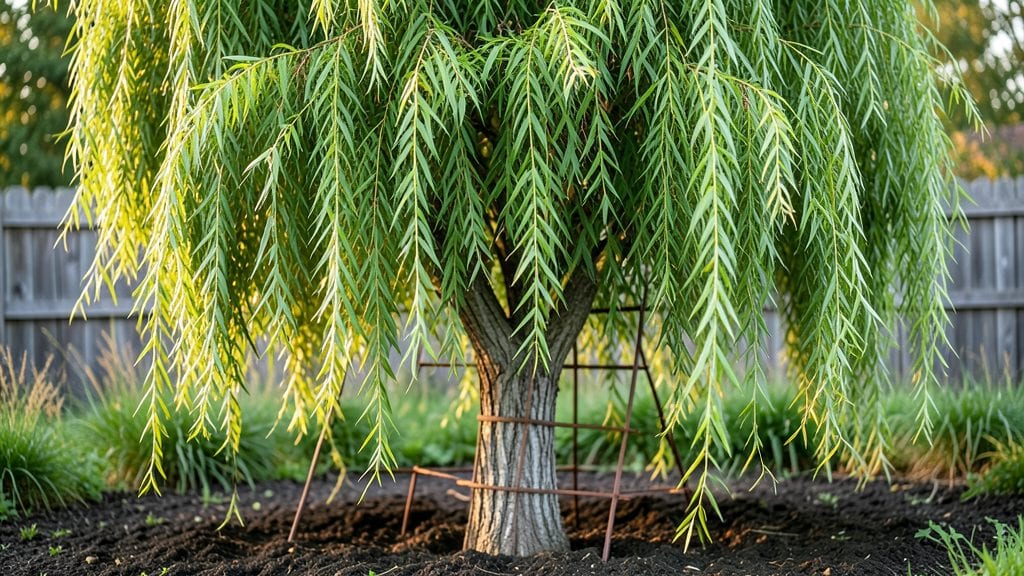
Ordering a weeping willow tree in Arkansas means finding a source that survives our hot summers and occasional deep freezes—because nothing beats a tree that thrives despite the extremes.
I’ve planted three over the years, and the key is starting with a hardy Arkansas-grown specimen from a trusted local nursery like Arkansas Nursery Supply or Monroe Nursery, where they understand our clay-heavy soil and humidity.
The real secret isn’t just the tree—it’s the right spot: at least 30 feet from foundations, near a pond or creek (they love water), and with room for those roots to spread. My first mistake? Planting too close to the house.
Now, I let them stretch out like a natural shade canopy, and the pruning in late winter keeps them frost-resistant while encouraging that signature weeping shape. You’ll end up with a tree that stays lush and green year-round, even after our brutal winters.
The first few years are about establishing roots—water deeply twice a week until established, and skip the fertilizer unless your soil tests poor. By year three, you’ll have a dramatic, low-maintenance centerpiece that outshines anything from a big-box store.
Arkansas has rules about willows near waterways, so check with your local extension office before planting. But if you follow these steps, you’ll have a tree that’s both a sight to behold and a low-stress addition to your landscape.
📚 In This Guide
- What you need
- Instructions
- Tips and common mistakes
- Wrapping up and next steps
What you need
- ● Pruning shears: Bypass pruners (for cuts up to ½ inch in diameter). Quantity: 1 pair
- ● Loppers: 8–10 inch loppers (for branches ½–2 inches thick). Quantity: 1 pair
- ● Pruning saw: Curved-tooth saw (for branches 2+ inches thick). Quantity: 1
- ● Gloves: Heavy-duty, cut-resistant gloves (to protect against thorns and splinters). Quantity: 1 pair
- ● Disinfectant: 70% isopropyl alcohol or pruning sealant (to prevent disease spread). Quantity: Small bottle
- ● Safety gear: Safety glasses and long sleeves/pants (for protection from debris). Quantity: As needed
- ○ Extension pole: 6–10 foot telescoping pole (for high branches). Optional but recommended
- ● Tarps or drop cloths: To collect debris and protect the ground. Quantity: 1–2
- ● Weather check: Prune on a dry, calm day (avoid frost or extreme heat).
- ● Tree health: Ensure the tree is disease-free before pruning. Look for no signs of wilting, discoloration, or pests.
- ● Local regulations: Check Arkansas’ state guidelines for tree pruning permits (if applicable).
- ● Seasonal timing: Arkansas’s frost-resistant willows benefit from late winter/early spring (Feb–March) or summer (June–July) pruning.
Instructions for pruning a weeping willow in Arkansas year-round
Here's how I maintain a healthy, frost-resistant weeping willow through all four seasons—without sacrificing its signature graceful form.
Assess Growth Habits and Identify Pruning Zones
Start by examining the tree's structure in late winter, before new growth begins. Weeping willows have fast-growing, flexible branches that naturally droop, so focus on removing only the dead, crossing, or diseased limbs. Use a pruning saw or loppers for branches thicker than 1 inch, and hand pruners for smaller growth. Look for buds along the branch collar—these indicate where new growth will emerge.
I always mark the branches I plan to cut with a piece of twine before making any incisions. This helps me visualize the final shape and ensures I don't over-prune. Arkansas's mild winters mean some branches may appear dormant but are still alive—wait until you see green buds swelling before deciding to remove anything.
Prune for Frost Resistance in Late Winter/Early Spring
Between February and March, when temperatures stabilize above 40°F, remove any branches that were damaged by winter frost. Cut just outside the branch collar (the swollen area where the branch meets the trunk) at a 45-degree angle. This encourages strong regrowth and prevents disease from entering the tree. Avoid pruning during freezing nights, as the tree is more vulnerable to stress.
Thin out the canopy by removing 10-15% of the total branches to improve air circulation, which reduces the risk of fungal infections common in Arkansas's humid climate. Focus on branches that are rubbing against each other or growing inward—they'll weaken the tree over time. After pruning, clean your tools with 70% isopropyl alcohol to prevent spreading pathogens.
Summer Maintenance to Encourage Dense Growth
During the summer months (June-August), remove any suckers or water sprouts that appear at the base or along the branches. These fast-growing shoots drain energy from the main structure. Prune them back to the ground level or branch collar immediately—they'll regrow quickly, but removing them early prevents overcrowding.
If you notice any branches with yellowing leaves or signs of disease, prune them back to a healthy bud or branch. Weeping willows are prone to verticillium wilt in Arkansas's heat, so early removal is critical. Water the base deeply after pruning to help the tree recover, but avoid overwatering—soggy soil invites root rot.
Fall Cleanup to Prepare for Winter
In October or November, remove all dead or dying branches before the first hard frost. These branches can harbor pests and diseases that survive the winter. Cut them back to the branch collar and dispose of them in a sealed bag—never leave pruned branches on the ground near the tree.
This is also the time to shape the tree lightly if needed. Weeping willows naturally grow in a cascading form, but if any branches have grown too upright, you can trim them back to encourage a more graceful habit. Avoid heavy pruning in fall, as the tree is preparing for dormancy and needs energy to store nutrients for winter.
Post-Pruning Care for Year-Round Health
After each pruning session, apply a 2-3 inch layer of mulch around the base of the tree (keeping it 6 inches away from the trunk) to retain moisture and regulate soil temperature. Weeping willows have aggressive root systems, so mulching helps prevent soil compaction and encourages root growth. Water deeply once a week during dry spells to support recovery, especially after summer pruning.
Monitor the tree throughout the year for signs of stress, such as excessive leaf drop or wilting. If you notice any issues, adjust your pruning approach for the next season. Arkansas's variable climate means your weeping willow may respond differently to pruning each year—adapt as needed to keep it thriving.
Tips & tricks for year-round weeping willow pruning in Arkansas
A few strategic approaches will help you maintain your weeping willow's health while preserving its iconic cascading shape through Arkansas's unpredictable seasons.
Seasonal Timing Matters: Arkansas's mild winters mean you can prune slightly later than in colder climates. The February-March window specified in Step 2 gives you flexibility—just confirm temperatures stay above 40°F consistently. I've found that waiting until late March sometimes allows me to catch more frost damage, but never delay past early April when new growth begins. The key is watching for those green buds swelling rather than relying strictly on the calendar.
Branch Collar Technique: When making cuts in Steps 2 and 4, resist the temptation to cut flush with the trunk. The branch collar—the swollen area where branch meets trunk—is crucial for proper healing. Cutting just outside this collar at a 45-degree angle (as instructed) prevents disease entry points while encouraging strong regrowth. I've seen many willows develop cankers from improper cuts, so this detail makes all the difference for long-term health.
Tool Sanitation: The instructions mention cleaning tools with 70% isopropyl alcohol after pruning, but I can't emphasize enough how critical this is for Arkansas's humid climate. Fungal spores thrive in our summer heat, and willows are particularly susceptible to verticillium wilt. I keep a small spray bottle of the alcohol in my gardening shed and sanitize tools between every cut when dealing with diseased branches. This simple step has prevented multiple infections in my own trees over the years.
Mulching Strategy: The 2-3 inch mulch layer recommended in Step 5 deserves special attention. For Arkansas's clay-heavy soils, I often add a layer of pine straw over the mulch to improve drainage while retaining moisture. This double-layer system helps regulate soil temperature better than single-layer mulching, which is especially important during our hot summers and cold snaps. Just remember to keep that mulch 6 inches away from the trunk to prevent rot.
Pro Tips for Order Weeping Willow Tree Arkansas
- A few strategic approaches will help you maintain your weeping willow's health while preserving its iconic cascading shape through Arkansas's unpredictable seasons.
- Seasonal Timing Matters: Arkansas's mild winters mean you can prune slightly later than in colder climates.
- Branch Collar Technique: When making cuts in Steps 2 and 4, resist the temptation to cut flush with the trunk.
Frequently asked questions
When is the best time to plant a weeping willow in Arkansas?
The ideal time to plant a weeping willow in Arkansas is during late fall or early spring (October–March). This gives the tree time to establish roots before extreme summer heat or winter frost. Avoid planting in summer, as high temperatures can stress young trees.
How do I protect my weeping willow from Arkansas winters?
Weeping willows are frost-resistant, but young trees may need extra care. Mulch around the base (3–4 inches deep) to insulate roots, and avoid heavy pruning in late fall—wait until late winter or early spring. If heavy ice is expected, wrap the trunk with burlap for protection.
Can I prune my weeping willow in winter, or should I wait?
Yes! Late winter (February–March) is the best time to prune weeping willows in Arkansas. This avoids disturbing winter dormancy and reduces disease risk. Focus on removing dead or crossing branches while maintaining the tree’s natural weeping shape.
Are there alternatives to weeping willows for Arkansas landscapes?
If weeping willows aren’t your style, consider frost-resistant alternatives like:
- Eastern Redbud (spring blooms, compact size)
- Crapemyrtle (drought-tolerant, vibrant flowers)
- Serviceberry (edible berries, four-season interest)
Why are my weeping willow branches dying, even after pruning?
Dying branches could signal root rot, fungal disease, or over-pruning. Check for:
- Waterlogged soil (willows hate soggy roots)
- Discolored or mushy bark (sign of disease)
- Thinning canopy (may need rejuvenation pruning in early spring)
Wrapping up and next steps
Transforming your Arkansas landscape with a weeping willow tree is a rewarding project—especially when you master year-round frost-resistant pruning! By following the right techniques, you’ll ensure your tree stays healthy, vibrant, and resilient through every season. 🌳✨
Now that you’re armed with the knowledge, take action! Start with a spring cleanup and keep your tools sharp. Need a tree? Order your weeping willow today and give your outdoor space the elegance it deserves.