
How To
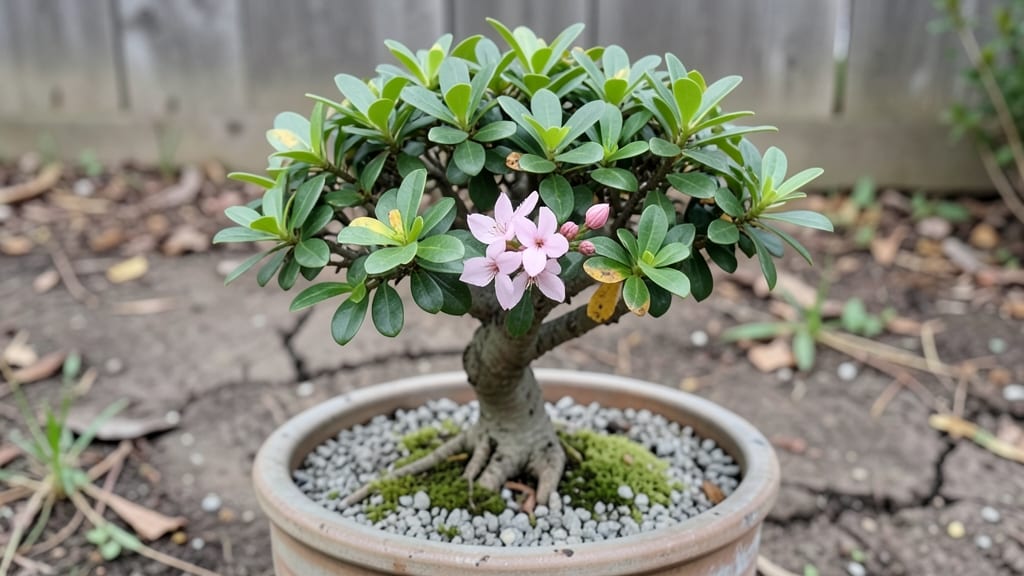
Pink bonsai trees bring delicate, year-round magic to any space—those soft pink blooms against dark green foliage are impossible to resist. 🌸 I’ve nurtured my own for years, and the secret to their vibrant color and compact growth lies in the right variety, soil, and care routine.
Serissa foetida, or "snow rose," is my go-to for its reliable pink flowers, but azaleas and carmona microphylla also shine in containers.
The key to success starts with well-draining soil and a pot just slightly larger than the root system. Overwatering is the fastest way to kill these delicate trees, so I stick to watering when the top inch feels dry.
Pruning in late winter keeps them bushy and encourages more blooms—just snip back about a third of the new growth before spring. With the right light (bright but indirect), your pink bonsai will reward you with blooms nearly year-round.
What makes this project special is how quickly you’ll see results. Within a few months, you’ll have a tiny, flowering tree that thrives on a windowsill or patio. The scent of those pink blooms in winter is pure joy, and the satisfaction of shaping something so delicate is unmatched.
Plus, these bonsai varieties are surprisingly hardy once you get their care routine right.
Perfect for small spaces, this guide covers everything from selecting your tree to troubleshooting common issues like yellowing leaves or sparse blooms. Whether you’re a beginner or a seasoned grower, pink bonsai trees are a game-changer for adding living color to your home. Let’s get started!
📚 In This Guide
- What you need
- Instructions
- Tips and common mistakes
- Wrapping up and next steps
What you need
- ● Pink bonsai tree: Choose a Dwarf Pink Azalea (Rhododendron obtusum) or Pink Japanese Maple (Acer palmatum)—both thrive in bonsai form! (1 tree, 1-3 years old, with a sturdy trunk).
- ● Bonsai pot: 6–12 inches wide, with drainage holes. Unglazed clay or ceramic works best (1 pot).
- ● Well-draining bonsai soil: Mix 50% akadama, 30% pumice, and 20% organic matter (e.g., peat moss or compost). (~3–5 lbs, depending on pot size).
- ● Pruning tools: Concave cutter (for thick branches).
- ● Bypass pruners (for fine trimming).
- ● Wire cutters (for shaping).
- ● Root hook: For gentle root pruning and shaping.
- ● Bonsai wire: Aluminum or copper, 1–3mm thick (color-matched to your tree).
- ● Mulch: Pine bark or gravel to retain moisture and prevent weeds (~1 cup).
- ● Fertilizer: Balanced liquid bonsai fertilizer (10-10-10 or 20-20-20) or slow-release pellets.
- ● Spray bottle: For misting leaves (especially in dry climates).
- ● Humidity tray: A pebble tray with water to boost moisture.
- ● Bonsai soil paste: To seal cuts and prevent disease.
- ● Grafting tools: If you’re propagating from cuttings.
- ● Decorative accents: Miniature rocks, moss, or figurines for styling.
How to grow and maintain stunning pink bonsai trees
Creating your own pink bonsai masterpiece is simpler than you think—just follow these steps for healthy, vibrant growth.
🌱 Step 1: Select and Prepare Your Pink Bonsai Tree
Choose a pink-flowering bonsai variety like azalea or bougainvillea, both known for their delicate pink blooms. Start with a healthy, established plant—look for vibrant leaves and sturdy branches. If you're starting from seed, it may take years to flower, so I recommend buying a young, flowering bonsai instead.
Inspect the roots gently when repotting or selecting. Healthy roots should be white or light tan, not brown or mushy. Trim any dead or overly long roots with clean, sharp scissors to encourage new growth. This is also the perfect time to check for pests like spider mites or aphids—treat with neem oil if you spot any.
☀️ Step 2: Set Up the Ideal Growing Environment
Pink bonsai trees thrive in bright, indirect light—think east or north-facing windows. Avoid harsh afternoon sun, which can scorch delicate leaves and flowers. If natural light is limited, supplement with a fluorescent grow light positioned 12-18 inches above the tree for 12-14 hours daily.
Keep your bonsai in a spot with 60-70°F temperatures and 50-60% humidity. Too much heat or dry air will cause leaves to crisp or drop. Grouping your bonsai with other plants creates a microclimate that retains moisture—just don’t overcrowd. Mist the foliage lightly every 2-3 days to maintain humidity, especially in winter when indoor air gets dry.
💧 Step 3: Master the Watering Routine
Water your pink bonsai when the top inch of soil feels dry to the touch. Stick your finger in the soil—if it’s damp past your first knuckle, wait another day. Overwatering is the #1 killer of bonsai trees, so always empty the drainage tray after watering to prevent root rot.
Water thoroughly until it runs out the drainage holes, then let excess drain completely. I like to water in the morning so the tree has all day to dry out. In winter, when growth slows, water every 5-7 days instead of daily. Pink bonsai trees like azalea also enjoy a light spray of water on their leaves to simulate morning dew—just avoid soaking the flowers.
✂️ Step 4: Prune and Shape for Fullness and Flowers
Prune your pink bonsai after flowering to encourage bushier growth. Use clean, sharp bonsai shears to trim back new growth to 2-3 leaves per stem. This prevents leggy growth and keeps the tree compact. I also remove any dead or yellowing leaves immediately—they sap energy from the plant.
To shape the tree, wire branches gently into position, but don’t wrap too tightly—you want to guide growth, not strangle it. Remove wires after 3-4 months to avoid scarring. For flowering varieties, pinch back some of the new growth in early summer to redirect energy into producing more blooms next season. The goal is balance: enough leaves for photosynthesis but enough open space for air circulation.
🪴 Step 5: Fertilize and Repot for Long-Term Health
Feed your pink bonsai with a balanced liquid fertilizer (10-10-10 or 20-20-20) every 2 weeks during spring and summer. Dilute to half-strength to avoid burning delicate roots. In fall and winter, reduce feeding to once a month—the tree is resting, not growing. I also add a handful of organic bonsai fertilizer to the soil when repotting for a slow-release nutrient boost.
Repot your bonsai every 2-3 years in spring, using a well-draining bonsai soil mix. Choose a pot just 1 inch larger in diameter than the current one—bigger pots encourage faster (and less controlled) growth. When repotting, trim 1/3 of the roots to encourage branching and remove any dead or diseased roots. This is also the perfect time to check for pests and refresh the soil.
Tips & tricks for perfect pink bonsai trees
These simple but game-changing tips will help your pink bonsai thrive year-round with vibrant blooms and lush foliage.
Lighting Strategy: The 12-14 hours of daily light from your fluorescent grow light is perfect—but position it so the light hits the tree evenly from all sides. I rotate my bonsai a quarter turn every few days to prevent one-sided growth. For extra brightness, use a full-spectrum bulb instead of basic fluorescent lighting.
Humidity Hacks: Those 50-60% humidity levels can be tricky in dry climates. I place my bonsai on a pebble tray filled with water and pebbles—never let the roots sit in water. Grouping your bonsai with other plants creates a natural humid microclimate. In winter, a small humidifier nearby works wonders for maintaining that delicate balance.
Pruning Precision: When trimming back to 2-3 leaves per stem in Step 4, always cut just above a leaf node where new growth will emerge. I use a small magnifying glass to spot these nodes—it makes all the difference in keeping your tree full and bushy. For flowering varieties, save some of those spent blooms by pinching them off cleanly to encourage more buds next season.
Fertilizer Timing: The spring and summer feeding schedule is crucial, but don't forget to flush the soil with plain water every 3 months to prevent salt buildup. I mix my liquid fertilizer with water in a spray bottle for even distribution, and always water thoroughly after fertilizing. In winter, reduce to monthly feeding—but only if you notice new growth starting.
Pro Tips for Pink Bonsai Trees
- These simple but game-changing tips will help your pink bonsai thrive year-round with vibrant blooms and lush foliage.
- Lighting Strategy: The 12-14 hours of daily light from your fluorescent grow light is perfect—but position it so the light hits the tree evenly from all sides.
- Humidity Hacks: Those 50-60% humidity levels can be tricky in dry climates.
Frequently asked questions
Got questions about growing or caring for pink bonsai trees?
Here are some of the most common ones—plus expert tips to keep your mini masterpiece thriving year-round!
Can pink bonsai trees stay outside year-round?
Pink bonsai trees (like Serissa foetida or Portulacaria afra varieties) are tender perennials and need protection from frost. In colder climates, move them indoors before temperatures drop below 40°F (4°C). A sunny windowsill or grow light works well—just avoid drafts or sudden temperature swings!
Why are my pink bonsai leaves turning yellow?
Yellowing leaves usually signal overwatering or nutrient deficiency. Check the soil—it should stay slightly moist but never soggy. If roots smell rotten, trim the affected areas and repot with fresh, well-draining mix. For a boost, use a balanced liquid fertilizer (diluted to half-strength) every 4–6 weeks in spring/summer.
How long does it take for a pink bonsai to bloom?
Patience is key! Most pink bonsai trees (e.g., Serissa) take 1–3 years to flower indoors, depending on light, care, and age. Prune lightly after blooming to encourage bushier growth. For faster results, choose a pre-blooming sapling (2–3 years old) from a nursery—just ensure it’s acclimated to your climate first!
Are there non-toxic pink bonsai alternatives for pets?
If you have curious pets, avoid Serissa foetida (toxic to cats/dogs). Instead, opt for pink-flowering Portulacaria afra (elephant bush) or Carmona microphylla (pink dwarf schefflera), both non-toxic and drought-tolerant. Just keep an eye on Portulacaria—it can outgrow bonsai size quickly!
Can I grow pink bonsai from seed?
While possible, growing from seed is slow and unpredictable for pink varieties. Most bonsai enthusiasts start with cuttings or pre-bonsai saplings for consistent results. If you’re adventurous, try Serissa seeds in moist perlite at 70°F (21°C)—germination takes 2–4 weeks, but expect tiny pink blooms only after years of care.
Pro Tip: Boost blooms with these tricks!
- Light: Place near east or south-facing windows (6+ hours of indirect light daily). Supplement with a grow light 12–14 hours/day in winter.
- Temperature: Keep between 60–75°F (15–24°C). Avoid cold drafts or heat vents!
- Pruning: Trim 1/3 of new growth after flowering to shape the tree and encourage dense foliage.
Wrapping up and next steps
Cultivating a pink bonsai tree is a rewarding journey that brings a splash of color and tranquility to your space—no matter the season! 🌸 With the right care, patience, and a dash of creativity, you can nurture these delicate beauties into stunning miniature masterpieces.
Whether you’re a beginner or a seasoned gardener, the key is consistency and love for the little details.
Ready to take the next step? Start by choosing your favorite variety—like the vibrant Serissa foetida or a lush Ficus microcarpa—and gather your supplies. Then, roll up your sleeves and begin your bonsai adventure today! Your tiny, pink paradise is waiting. 🌱✨