
Blooming
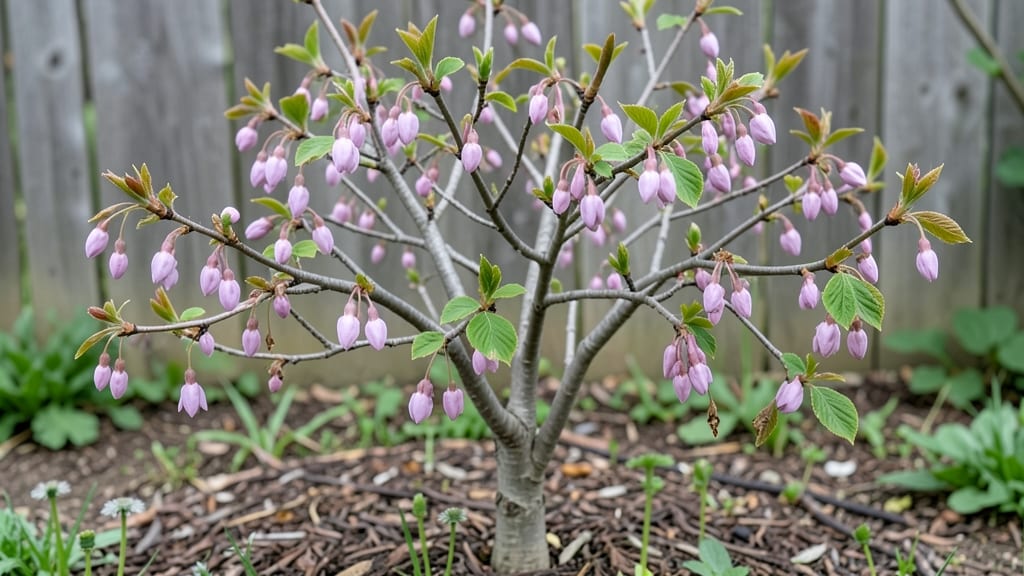
Nothing transforms a Pacific Northwest garden like a pink blossom tree standing sentinel in spring. 🌸 I remember the first time I saw one—its soft pink canopy against the misty green hills, smelling like a secret only the air could keep.
These trees aren’t just pretty; they’re the heart of your outdoor space, drawing hummingbirds and turning neighbors’ heads.
Placement is everything—position yours where morning sun catches the blossoms, or as a focal point near patios where the fragrance lingers. Pair it with ferns or hostas for contrast, or let it stand alone as a dramatic centerpiece.
The key is balance: too many trees can overwhelm, but one well-placed specimen creates instant curb appeal.
You’ll love how it shifts seasons—spring’s blush gives way to summer’s lush green, then autumn’s fiery foliage (on varieties like the Pacific Dogwood). Even in winter, its silhouette adds structure. The fragrance alone makes it worth planting, but the way it frames your garden? That’s the real magic.
Works in city yards or rural acres, as a standalone star or part of a layered border. The secret to making it shine? Give it room to spread its branches—and let the neighbors know it’s yours.
📚 In This Guide
- What you need
- Instructions
- Tips and common mistakes
- Wrapping up and next steps
What you need
- ● Pink Blossom Tree: 1 bare-root sapling (3–5 ft tall, best for spring planting) OR
- ● 1 container-grown tree (5–10 gal pot, ideal for year-round planting)
- ● Soil: 2–3 cubic yards of well-draining, slightly acidic soil (pH 5.5–6.5). Mix in 1 part compost for nutrient-rich growth.
- ● Fertilizer: 5 lbs of slow-release, balanced fertilizer (10-10-10 ratio) or orgamic options like fish emulsion.
- ● Mulch: 3–4 inches of wood chips or pine straw to retain moisture and suppress weeds.
- ● Shovel (round-point for digging, flat-blade for leveling)
- ● Garden trowel (for delicate root handling)
- ● Pruning shears (sterilized, for shaping and trimming)
- ● Wheelbarrow (for transporting soil/mulch)
- ● Garden hose or watering can (with a fine-mist nozzle for gentle watering)
- ● Measuring tape (to ensure proper spacing—15–20 ft apart for mature trees)
- ● Tree staking kit (if planting in windy areas)
- ● Root growth stimulator (for faster establishment)
- ● Soil moisture meter (to monitor hydration in the PNW’s variable climate)
- ● Decorative tree guards (to protect young trunks from wildlife)
Step-by-step guide to planting and caring for a pink blossom tree
Transform your Pacific Northwest landscape with this fragrant evergreen—here's how to get it thriving.
🌱 Step 1: Select the Right Location and Planting Time
The Pacific dogwood (Cornus nuttallii), often called the pink blossom tree, thrives in partial shade to full sun with 6-8 hours of morning sunlight—critical for vibrant blooms. In the PNW's mild climate, plant in early spring (March-April) when soil temperatures reach 50°F or in early fall (September-October) to establish roots before winter. Avoid low-lying areas where cold air settles—this tree despises soggy roots.
Test your site's drainage by digging a 12-inch hole—if water pools after 30 minutes, amend the soil with 2-3 inches of compost to improve aeration. The tree's natural habitat along riverbanks gives it a clue: it loves well-draining, slightly acidic soil (pH 5.0-6.5). If your soil is heavy clay, mix in 1 part sand to 3 parts native soil before planting.
🪴 Step 2: Prepare the Planting Hole and Position the Tree
Dig a hole twice as wide as the tree's root ball but no deeper—the top of the root ball should sit 1 inch above ground level to prevent waterlogging. Gently loosen the root ball's edges with your fingers to encourage outward root growth (don't tease roots unless they're circling). Place the tree in the center of the hole, ensuring the trunk is straight and the largest roots face downward. Here's the thing—if the tree leans toward the sun, it will grow crooked.
Backfill with the native soil you removed, tamping lightly every 4 inches to eliminate air pockets. Create a 2-inch-high berm around the outer edge of the hole to direct water toward the roots. Water immediately with 5 gallons to settle the soil—you'll see the ground firm up as it absorbs moisture. Mulch with 3 inches of wood chips, keeping it 6 inches away from the trunk to prevent rot.
☀️ Step 3: Water and Fertilize for First-Year Establishment
Water deeply once a week during the first growing season, aiming for 1-1.5 inches of water per session. Check moisture by pushing your finger 2 inches into the soil—if it feels dry, water again. Overwatering is the fastest way to kill this tree; its roots need oxygen, not a swamp. In the PNW's rainy climate, you'll likely need to skip watering entirely during winter months unless we have an unusually dry spell.
Apply a balanced, slow-release fertilizer (10-10-10) in early spring at half the recommended rate—this tree doesn't need heavy feeding. Scatter granules 6 inches from the trunk and water thoroughly to activate them. Avoid high-nitrogen fertilizers, which promote leafy growth at the expense of those iconic pink bracts. You'll know you're doing it right when you see new growth by mid-May and buds forming by late June.
✂️ Step 4: Prune for Shape and Health After Blooming
Prune immediately after flowering (June-July) to remove dead, crossing, or inward-growing branches. Use clean, sharp pruners to make cuts at a 45-degree angle just above an outward-facing bud. Never remove more than 25% of the canopy in one season—this tree recovers slowly from heavy pruning. The goal is to maintain an open, vase-like shape that allows sunlight to reach the center where blooms form.
Watch for suckers (shoots growing from the base) and remove them promptly—they drain energy from the main tree. If you see yellowing leaves in late summer, it's often a sign of iron deficiency common in PNW soils. Apply chelated iron according to package directions, but only after a soil test confirms the issue. Healthy leaves should be deep green and glossy on top, with lighter undersides—never dull or spotted.
⏰ Step 5: Prepare for Winter and Long-Term Care
In the PNW's mild winters, dogwoods rarely need protection, but young trees (under 3 years old) benefit from a 4-inch layer of mulch around the base. Remove old mulch in early spring before new growth begins. The tree's natural dormancy period runs November-March—don't fertilize or prune during this time. If you notice buds forming in late winter, protect them from late frosts (below 28°F) by covering with frost cloth if your area experiences hard freezes.
Every 3-4 years, refresh the soil around the tree by top-dressing with compost in early spring. This prevents nutrient depletion that causes poor flowering. Mature trees (10+ years) develop a strong root system and become drought-tolerant, but they still reward you with fragrant blooms for 3-4 weeks each spring. The secret to long-term success? Less is more—this tree thrives with minimal intervention once established.
Tips & tricks for perfect pink blossom tree planting
These pro tips will help you avoid common pitfalls and ensure your Pacific dogwood thrives for decades.
Soil Test First: Before planting, grab a soil test kit from your local garden center to confirm your soil's pH. Pacific dogwoods prefer slightly acidic soil (pH 5.0-6.5), but PNW soils often run alkaline. If your test shows pH above 7.0, amend with elemental sulfur according to package directions—this is the single most important step for vibrant blooms. I learned this the hard way after watching a dogwood struggle for years in my backyard's alkaline soil.
Morning Sun Strategy: The instructions mention 6-8 hours of morning sunlight, but here's what nobody tells you: afternoon sun can scorch the delicate pink bracts. Position your tree where it gets full morning sun but only light shade in the afternoon. If you're planting near other trees, remove any competitors within 15 feet—the dogwood's shallow roots need space to establish.
Root Ball Handling: When you receive your tree, check the root ball immediately. If roots are circling tightly, gently loosen them with your fingers before planting. I've seen nurseries ship trees with roots growing in perfect circles—this creates a "root-bound" effect that strangles growth. Also, remove any plastic wrapping from the root ball to prevent girdling as the tree matures.
Winter Protection Hack: While mature dogwoods handle PNW winters beautifully, young trees (under 3 years) need extra care. After your first frost, mound an additional 2 inches of mulch around the base—this creates insulation against temperature swings. If you're in an area prone to hard freezes (below 28°F), wrap the trunk with frost cloth for the first two winters. This simple step prevents frost cracks that can be fatal to young trees.
Pro Tips for Pink Blossom Tree
- These pro tips will help you avoid common pitfalls and ensure your Pacific dogwood thrives for decades.
- Soil Test First: Before planting, grab a soil test kit from your local garden center to confirm your soil's pH.
- Morning Sun Strategy: The instructions mention 6-8 hours of morning sunlight, but here's what nobody tells you: afternoon sun can scorch the delicate pink bracts.
Frequently asked questions
Got questions about the stunning pink blossom tree? You’re not alone! Here are answers to the most common queries—from care tips to seasonal secrets—to help you make the most of this Pacific Northwest gem.
What’s the best time to plant a pink blossom tree in the PNW?
The ideal window is early spring (March–April) or fall (September–October). This gives roots time to establish before summer heat or winter frost. Avoid planting in late fall—young trees may struggle with cold stress. Choose a day with overcast skies to reduce transplant shock.
How often should I water a newly planted pink blossom tree?
Water deeply 2–3 times per week for the first year, ensuring soil stays moist but not soggy (1–2 inches deep). After establishment, water once a week during dry spells. Mulch (3–4 inches) helps retain moisture. Pro tip: Drought-tolerant varieties like Cercis canadensis ‘Alba’ need less water once mature!
Do pink blossom trees survive PNW winters?
Yes! Most varieties (e.g., Prunus ‘Kanzan’ or Cercis species) thrive in USDA Zones 5–9. Young trees may need winter protection (burlap wrap, mulch) in harsh zones. Watch for: Browning leaves in freeze-thaw cycles—prune dead branches in late winter to encourage new growth.
Why aren’t my pink blossoms as vibrant as expected?
Fading blooms often signal nutrient deficiencies (try a balanced fertilizer in early spring) or over-pruning. Ensure your tree gets 6+ hours of sun—shady spots reduce flower intensity. Deadheading spent blooms can encourage reblooming in some varieties like Lagerstroemia.
What’s a good alternative if I can’t grow a pink blossom tree?
Consider these fragrant, pink-blooming PNW-friendly trees:
- Magnolia ‘Pinkie’ – Creamy-pink blooms, disease-resistant.
- Rhododendron ‘Pink Pearl’ – Evergreen with clusters of pink flowers.
- Crabapple ‘Pink Spire’ – Compact, with spring pink blossoms and red fruit.
Wrapping up and next steps
The pink blossom tree isn’t just a stunning sight—it’s a fragrant, low-maintenance gem that brings the Pacific Northwest’s charm to any garden. Whether you’re drawn to its delicate blooms, wildlife-friendly appeal, or year-round beauty, this evergreen is a must-have for nature lovers. 🌸
Ready to invite its magic into your space? Start by researching the best local nurseries or online growers, then plan your planting spot with care. With a little effort, you’ll be rewarded with decades of color, scent, and joy—one blossom at a time! 🌿