
Pruning
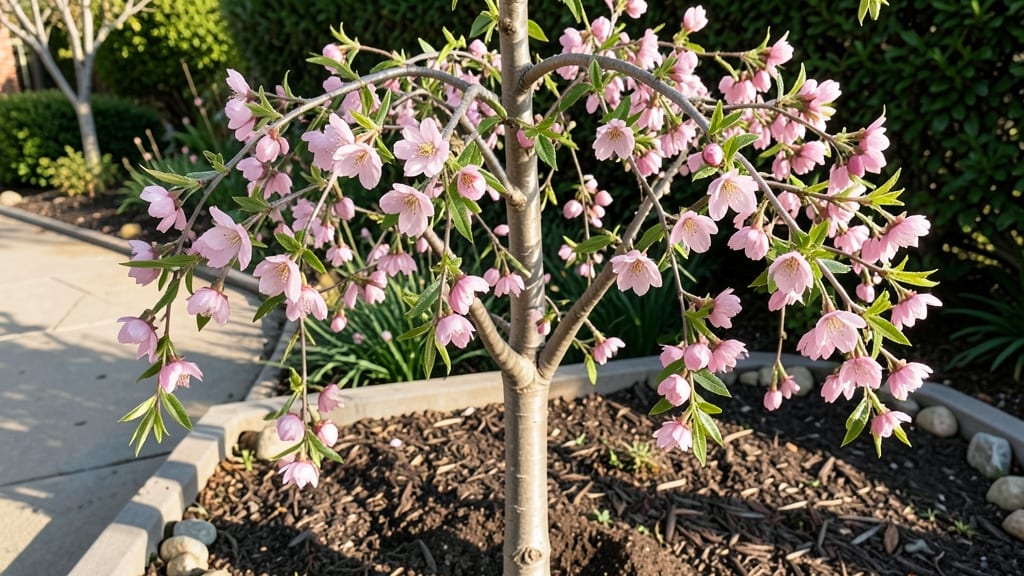
The pink almond tree thrives in Pacific Northwest climates where its frost-resistant blooms steal the show every spring. 🌸 I planted mine last year after struggling with finicky almond varieties that refused to survive our damp winters—this one not only survived but burst into vibrant pink flowers by April.
The secret lies in its hardy roots and early blooming cycle, which avoids late frosts that plague standard almond trees.
You’ll need well-draining soil with a slightly alkaline pH (6.5-7.5) and a sunny spot with at least 6 hours of direct light. The tree handles our region’s wet winters better than most, but it still needs mulch to protect roots and occasional pruning to shape its growth.
Unlike fruit-bearing almonds, these ornamental varieties focus all their energy on stunning flowers—meaning less fuss and more visual impact.
By late spring, you’ll be rewarded with clusters of delicate pink blossoms that attract pollinators and brighten any landscape. The tree matures slowly but steadily, reaching 15-20 feet tall with a rounded canopy.
Prune in late winter to encourage new growth, and watch as the blooms return year after year—frost-resistant and reliably showy, even in our cool, damp climate.
For gardeners in similar zones, this variety is a game-changer. It tolerates our mild winters and wet springs better than most almond relatives, making it the perfect low-maintenance choice for ornamental value. Just avoid heavy clay soils, and you’ll have a tree that keeps giving back with minimal effort.
📚 In This Guide
- What you need
- Instructions
- Tips and common mistakes
- Wrapping up and next steps
What you need
- ● Pink almond tree (Prunus amygdalus 'Pink Perfection' or similar cultivar) – 1 bare-root sapling or 1-3 gallon container-grown tree (check local nurseries for PNW-hardy varieties).
- ● Garden soil or potting mix – 5+ bags (1 cubic yard for in-ground planting; well-draining blend with compost for containers).
- ● Pruning shears – 1 pair (bypass pruners, sharp and sterilized to prevent disease).
- ● Gloves – 1 pair (cut-resistant for safety).
- ● Mulch (wood chips or straw) – 2-3 bags (3-4 inches deep for insulation against frost).
- ○ Watering can or hose with nozzle – 1 (drip irrigation system optional for efficiency).
- ● Fertilizer (balanced 10-10-10 or citrus-specific) – 1 bag (follow package rates for young trees).
- ○ Staking kit (optional but helpful for young trees) – 2-3 stakes + soft ties (if planting in windy areas).
- ● Tree guard or frost cloth – For young trees in early spring/fall (PNW’s unpredictable frost!).
- ● Soil pH tester – Ensures ideal 6.0–7.0 range (alkaline soil helps prevent bitter almond syndrome).
- ● Slow-release fertilizer tablets – For container-grown trees (easy nutrient boost!).
- ● Bird netting – Protects blossoms from hungry critters during pollination season.
- ● Wheelbarrow or bucket – For mixing soil amendments (e.g., perlite for drainage).
Step-by-step guide to planting a pink almond tree in the Pacific Northwest
Here’s how to establish a hardy pink almond tree that thrives in our chilly, wet climate.
🪴 Step 1: Select the Right Location and Prepare the Soil
Choose a sunny spot with at least 6 hours of direct sunlight daily—pink almond trees need full sun to produce vibrant blooms. In the Pacific Northwest, this means avoiding shady corners or areas blocked by evergreens. The tree tolerates some afternoon shade in hotter inland areas, but coastal sites demand full exposure.
Test your soil’s drainage—pink almonds hate soggy roots. Amend heavy clay with 3-4 inches of coarse sand or perlite per hole, mixing it into the top 12 inches of native soil. A pH between 6.0 and 7.5 is ideal; if your soil tests acidic, add pelletized lime at planting time. I like to dig a 2-foot-deep hole to ensure roots have room to spread without hitting compacted layers.
🌱 Step 2: Plant at the Correct Depth and Stake for Support
Position the tree so the graft union (the bump where the scion meets the rootstock) sits 2-3 inches above ground level. This prevents rot in wet winters. Backfill with native soil mixed with 1 part compost, tamping gently to eliminate air pockets. Water deeply to settle the root ball, then create a 2-inch-high berm around the base to direct water away from the trunk.
Stake the tree only if needed—pink almonds have strong roots but may lean in windy coastal areas. Use two 4-foot stakes driven 6 inches from the trunk at a 45-degree angle, then secure with a soft tree tie (never wire, which can girdle the trunk). Mulch with 3 inches of wood chips, keeping it 6 inches away from the trunk to prevent rot. Water once a week for the first month to encourage root establishment.
☀️ Step 4: Prune for Structure and Frost Resistance
Prune in late winter (January-February) before buds swell, removing dead, crossing, or inward-growing branches. Open the center of the tree to improve airflow and reduce frost pockets. Cut back last year’s growth by ⅓ to encourage stronger blooms—pink almonds respond well to this pruning shock. Use clean, sharp pruners and seal larger cuts with pruning sealant to prevent disease entry.
In the Pacific Northwest, late frosts can damage early blooms. Thin out overly dense clusters to leave 3-4 buds per spur—this ensures fewer flowers but larger, showier blooms that survive occasional 25°F dips. Avoid heavy pruning in fall, as new growth won’t harden off before winter.
💧 Step 5: Water and Fertilize for Long-Term Health
Water deeply once a week during the first growing season, soaking the soil to 12 inches deep. Mature trees need 1-2 inches of water weekly, but let the top 2 inches of soil dry between waterings to prevent root rot. In summer, drip irrigation is best—it delivers moisture directly to roots without wetting foliage, reducing fungal risks.
Fertilize in early spring with a balanced 10-10-10 formula, applying ½ pound per inch of trunk diameter. Avoid high-nitrogen fertilizers, which promote leafy growth at the expense of blooms. In late summer, switch to a low-nitrogen, high-phosphorus fertilizer (like 5-10-10) to support root development before winter. I also top-dress with 2 inches of compost annually to improve soil structure.
Tips & tricks for perfect pink almond tree planting
A few strategic moves will help your pink almond tree thrive in our challenging Pacific Northwest climate.
Sunlight Secret: That 6 hours of direct sunlight is non-negotiable for vibrant blooms, but here's the thing—morning sun is more important than afternoon in coastal areas. If you're in a transitional zone, prioritize east-facing locations where the sun hits early in the day when temperatures are cooler. I've seen trees in partial shade still produce flowers, but they'll be fewer and less showy than those basking in full sun.
Soil Preparation Pro Tip: When amending that 12 inches of native soil with 3-4 inches of coarse sand or perlite, don't just mix it in—create a "sand blanket" at the bottom of your 2-foot-deep hole. This creates a drainage layer that prevents waterlogging, which is particularly critical in our rainy climate. I like to add a handful of mycorrhizal fungi to the planting hole too—it helps establish beneficial root relationships right from the start.
Graft Union Guard: The 2-3 inches above ground level placement of your graft union is crucial for winter survival. Here's what nobody tells you—mark this spot with a small stake or paint mark before backfilling. In our wet winters, soil can settle and bury the graft union over time, leading to rot. I check this annually in early spring and adjust mulch levels if needed to maintain proper exposure.
Pruning Precision: When you're cutting back last year's growth by ⅓ in late winter, focus on removing branches that grow inward or cross each other. These create frost pockets where cold air collects and can damage delicate blooms. I also recommend thinning to 3-4 buds per spur—this might seem counterintuitive, but it results in larger, more resilient flowers that can handle our occasional 25°F dips better than clusters of small blooms.
Pro Tips for Pink Almond Tree
- A few strategic moves will help your pink almond tree thrive in our challenging Pacific Northwest climate.
- Sunlight Secret: That 6 hours of direct sunlight is non-negotiable for vibrant blooms, but here's the thing—morning sun is more important than afternoon in coastal areas.
- Soil Preparation Pro Tip: When amending that 12 inches of native soil with 3-4 inches of coarse sand or perlite, don't just mix it in—create a "sand blanket" at the bottom of your 2-foot-deep hole.
Frequently asked questions
Got questions about growing your own pink almond tree in the Pacific Northwest? You’re not alone! Here are some of the most common queries—and their answers—to help you cultivate stunning, frost-resistant blooms with ease.
How cold can a pink almond tree tolerate?
A Prunus amygdalus ‘Pink Perfection’ (or similar cultivars) can handle light frosts down to 15–20°F (-9 to -7°C) once established. Young trees may need winter protection (like burlap wraps or mulch) until their root systems strengthen. Choose a microclimate near a south-facing wall or hedge for extra warmth!
When is the best time to plant a pink almond tree?
Plant in early spring or fall (3–4 weeks before the first frost) for optimal root establishment. Spring planting gives roots time to grow before summer heat, while fall planting avoids drought stress. Avoid planting in extreme heat—root shock is a real risk!
Can I grow a pink almond tree in a container?
Yes, but it’s tricky! Use a large (20+ gallon) container with drainage holes and well-draining soil. Dwarf varieties (like ‘Desert King’) adapt better, but expect slower growth and smaller harvests. Move containers indoors or to a garage during winter to protect roots from freezing.
How and when should I prune my pink almond tree?
Prune in late winter or early spring (before buds swell) to shape the tree and remove dead/diseased wood. Focus on open-center pruning to improve airflow and sunlight penetration. Avoid heavy pruning in fall—it stresses the tree before winter dormancy. Use sterilized tools to prevent bacterial canker!
Will my pink almond tree produce edible nuts?
Most ornamental pink almond trees (like ‘Pink Perfection’) are non-bearing—their priority is stunning blooms, not nuts. For edible almonds, opt for a self-pollinating cultivar like ‘Nonpareil’ or ‘Butte.’ Cross-pollination may be needed in some PNW regions, so plant two compatible trees for better yields!
Still stumped? Drop your question in the comments—we’re happy to help your pink almond tree thrive!
Wrapping up and next steps
The pink almond tree is a stunning, frost-resistant addition to Pacific Northwest gardens, offering vibrant blooms and low-maintenance charm.
With the right pruning techniques and care, you’ll enjoy its beauty for years—whether as a focal point or a fragrant border. Now’s the perfect time to roll up your sleeves and give your tree the love it deserves!
Ready to transform your garden? Start by gathering your tools, scheduling your first pruning session, and monitoring your tree’s progress. Happy gardening! 🌸✂️