
Trees
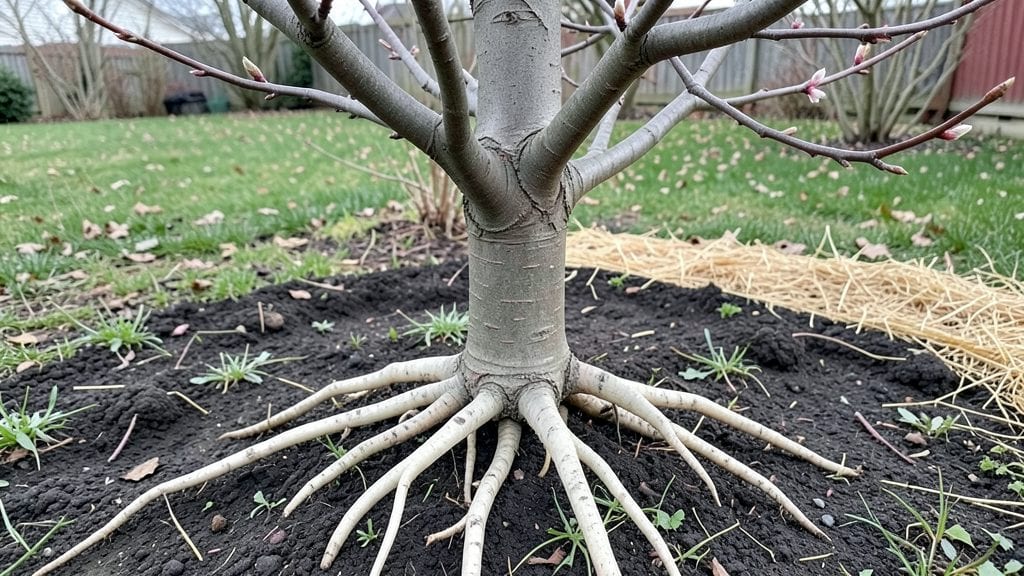
Planting bare root almond trees in the Pacific Northwest means unlocking homegrown nuts with minimal fuss—if you follow the right steps. These trees thrive in our chilly winters, but getting them in the ground at the perfect time makes all the difference.
I’ve learned that patience and preparation pay off with trees that produce for decades.
The secret starts with soil: almonds hate soggy feet, so amend heavy clay with compost and sand for drainage that mimics their Mediterranean roots. Choose a sunny spot with at least 6 hours of sunlight daily, and space trees 20 feet apart—they’ll need room to grow.
Dig a hole twice as wide as the roots but no deeper, then soak the roots in water for 2-3 hours before planting to wake them up.
After planting, mulch heavily to retain moisture and keep roots cool, but avoid piling mulch against the trunk. Water deeply twice a week for the first month, then taper to once a week once leaves appear.
Prune only to remove dead wood in early spring—no heavy cuts until the tree establishes itself. The first harvest might take 3-5 years, but the wait is worth it.
Here’s the kicker: almonds need cross-pollination, so plant at least two compatible varieties. And watch for late frosts—they can damage blossoms. With these adjustments, your trees will reward you with pounds of nuts every fall. Ready to dig in?
📚 In This Guide
- What you need
- Instructions
- Tips and common mistakes
- Wrapping up and next steps
What you need
- ● Bare root almond trees: 1–3 trees (depending on space and variety; choose cold-hardy varieties like Nonpareil or Butte for PNW climates).
- ● Root stimulator: 1 small bottle (e.g., Mycorrhizal fungi or Rootone FP1).
- ● Well-draining soil mix: 50% native soil + 50% compost or potting mix (avoid heavy clay).
- ● Organic fertilizer: 10-10-10 or almond-specific blend (follow package rates).
- ● Mulch: 2–3 cubic feet of wood chips or straw (keep 3–4 inches away from trunk).
- ● Shovel or trowel: 1 medium-sized digging tool (for planting holes).
- ● Garden hose or watering can: For thorough hydration (1–2 gallons per tree).
- ● Pruning shears: Small pair for trimming damaged roots or branches.
- ● Measuring tape: 1 (to ensure proper spacing: 20–30 feet between trees).
- ○ Gloves & knee pads: Optional but highly recommended! 😉
- ● Planting timing: Late fall or early spring (when soil is workable but not frozen).
- ● Sunlight: Full sun (6+ hours daily) in a sheltered, wind-protected spot.
- ● Soil pH: Test and amend to 6.5–7.5 if needed (almonds prefer slightly alkaline soil).
- ● Irrigation plan: Drip system or soaker hose (bare root trees need consistent moisture).
Step-by-Step guide for planting bare root almond trees in the Pacific Northwest
Here's how I've successfully established cold-hardy almond orchards in our chilly Pacific Northwest winters.
Choose the Right Location and Prepare the Soil
Almond trees thrive in full sun—select a spot with at least 6-8 hours of direct sunlight daily. The Pacific Northwest's mild winters mean you can plant as late as early spring, but avoid planting when the ground is frozen or waterlogged. I like to plant in late February or March when the soil is workable but still cool.
Test your soil's drainage—almond trees hate soggy roots. Amend heavy clay soil with 3-4 inches of compost or sand to improve aeration. The ideal soil pH for almonds is 6.0-7.5, so test your soil and adjust with lime if needed. I spread a 2-inch layer of wood chips around the planting area to retain moisture and suppress weeds without smothering the roots.
Soak the Bare Roots Before Planting
Remove your bare root almond tree from its packaging and immediately soak the roots in lukewarm water for 1-2 hours. This rehydrates the roots and reduces transplant shock. I use a 5-gallon bucket filled with water—just enough to cover the roots completely. Gently swirl the roots occasionally to ensure even soaking.
While soaking, prepare the planting hole. Dig it twice as wide as the root ball but only as deep as the roots themselves. The tree's graft union (the swollen area where the top and rootstock meet) should sit 2-3 inches above the finished soil line. This prevents water from pooling around the graft and causing rot.
Position the Tree and Backfill Carefully
Place the tree in the hole so the roots spread naturally without bending. The graft union should face south to maximize sun exposure and reduce winter damage. Hold the tree upright and begin backfilling with the native soil, tamping gently every 2 inches to eliminate air pockets. I like to use my hands to press the soil firmly—this ensures good root-to-soil contact.
Once the hole is ¾ full, water deeply to settle the soil. Finish backfilling and create a small mound around the base to encourage water to flow away from the trunk. Mulch with 3-4 inches of wood chips, keeping the mulch 6 inches away from the trunk to prevent rot. Water again until the soil is evenly moist to a depth of 12 inches.
Stake and Prune for Healthy Growth
Use a stake slightly taller than the tree and tie it loosely with soft cloth or tree ties—never use wire, which can damage the bark. Position the stake on the north side of the tree to avoid shading the graft union. Prune any broken or damaged roots during planting, but leave the rest intact. Above ground, trim back any dead or crossing branches to encourage a strong structure.
After planting, avoid heavy watering. Instead, keep the soil consistently moist (but not soggy) for the first 4-6 weeks. Almond trees establish slowly, so patience is key. I check soil moisture by sticking my finger 2 inches deep—if it feels dry, it's time to water. In the Pacific Northwest’s cool climate, you’ll likely water once a week during the first growing season, depending on rainfall.
Monitor and Protect Through the First Winter
Almond trees need winter protection in their first year, especially in the Pacific Northwest’s unpredictable winters. Wrap the trunk with tree guard or burlap to shield it from cold winds and rodent damage. I also add a layer of straw mulch around the base in late fall, pulling it back in early spring to prevent rot.
Watch for late frost damage in spring. If frost is forecasted after buds swell, cover the tree with a frost blanket or row cover. Prune any frost-damaged branches in early spring before new growth begins. By their second year, your almond tree should be well-established and ready to thrive in the Pacific Northwest’s unique climate.
Tips & tricks for planting cold-hardy almond trees
These practical tips will help you avoid common mistakes and set your almond trees up for success in the Pacific Northwest's unique climate.
Soil Preparation Tip: In Step 1, when amending heavy clay soil, mix in 3-4 inches of compost or sand to improve drainage. I've found that adding a handful of perlite to the planting hole creates tiny air pockets that help roots establish more quickly. This is especially important in our wetter Pacific Northwest winters when soil can become compacted. The goal is to mimic the well-draining conditions almond trees naturally prefer in Mediterranean climates.
Root Soaking Technique: During the 1-2 hour soaking in Step 2, add a splash of rooting hormone to the water for an extra boost. I use a diluted solution (about 1 teaspoon per gallon) to encourage stronger root development. This step is crucial because almond trees are particularly sensitive to transplant shock, and the Pacific Northwest's cool, damp springs can make establishment even more challenging. Gently swirl the roots every 15 minutes to ensure even exposure.
Graft Union Protection: When positioning your tree in Step 3, pay special attention to the graft union's height. That 2-3 inch elevation above soil level prevents water from pooling around it, which can cause rot. I've seen many trees fail because this detail was overlooked. After planting, create a small berm around the base to further divert water away from the trunk. This simple technique has saved countless trees in our rainy climate.
Winter Protection Strategy: For Step 5's winter protection, I recommend wrapping the trunk with tree guard and adding a layer of straw mulch around the base. The straw acts as insulation while allowing moisture to penetrate. In our unpredictable Pacific Northwest winters, this double protection prevents both cold damage and rodent chewing. Remove the straw mulch in early spring before new growth begins to prevent rot.
Pro Tips for Bare Root Almond Trees
- These practical tips will help you avoid common mistakes and set your almond trees up for success in the Pacific Northwest's unique climate.
- Soil Preparation Tip: In Step 1, when amending heavy clay soil, mix in 3-4 inches of compost or sand to improve drainage.
- Root Soaking Technique: During the 1-2 hour soaking in Step 2, add a splash of rooting hormone to the water for an extra boost.
Frequently asked questions
Got questions about bare root almond trees?
You’re not alone! Here are answers to the most common queries from gardeners in the Pacific Northwest—and beyond.
When is the best time to plant bare root almond trees in my region?
Plant your bare root almond trees in late fall or early winter (November–February) when the ground is cool but workable. This timing mimics natural dormancy and gives roots time to establish before spring growth. Avoid planting in freezing temperatures—wait until soil temps are above 40°F (4°C).
Are bare root almond trees cold-hardy enough for the PNW?
Yes! Most bare root almond varieties (like Nonpareil or Butte) tolerate 15–20°F (-9 to -7°C) with proper care. For extra protection, mulch heavily with straw or wood chips and water deeply before winter. Young trees may need burlap wraps in harsh winters.
Can I plant bare root almond trees in summer or spring?
While possible, summer planting is risky—bare roots dry out fast in heat. If planting in spring (March–April), soak roots for 2–4 hours before planting and keep soil moist. Use shade cloth for the first 2 weeks to reduce stress. Fall/winter remains ideal for best survival rates.
What if my bare root almond tree arrives with no leaves or wilted branches?
Don’t panic! Bare root trees are dormant and may look leafless or limp. Before planting, prune any broken branches and soak roots in water for 1–2 hours. If branches are completely dry, the tree is likely dead—check for green tissue inside stems. Store unplanted trees in a cool, humid place (like a garage) until planting.
Should I fertilize bare root almond trees right after planting?
No—wait until spring! Bare root trees have limited root systems and can’t handle fertilizer shock. Instead, mix compost or well-rotted manure into the planting hole. After 6–8 weeks, apply a balanced 10-10-10 fertilizer lightly around the drip line. Over-fertilizing now can burn roots.
Pro Tip:
Need a quick reference? Bookmark this PNW Almond Planting Checklist for seasonal reminders on watering, pruning, and pest control!
Wrapping up and next steps
Growing bare root almond trees in the Pacific Northwest is not only rewarding but also a fantastic way to enjoy homegrown nuts while supporting local orchards.
With the right variety, soil prep, and timing, your trees can thrive even in cooler climates—just remember to protect them from late frosts and give them plenty of care. 🌱
Now that you’re armed with the knowledge, why not take the next step? Mark your calendar for dormancy season, gather your supplies, and start planting! Whether you’re a seasoned gardener or a beginner, your future almond harvest is just a few seasons away.