
Trees
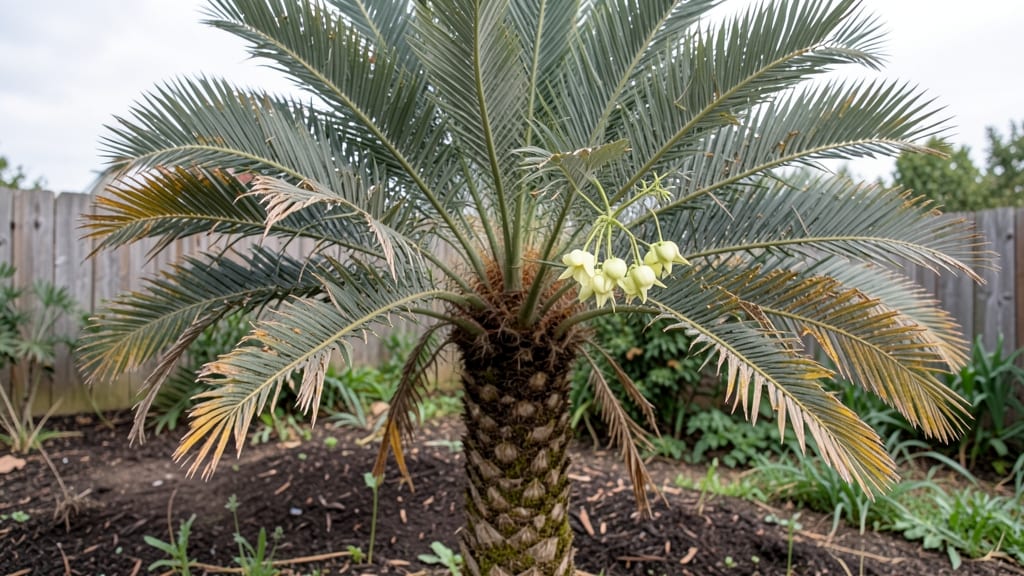
Growing Phoenix dactylifera palm trees in the Pacific Northwest might seem impossible—but I’ve done it twice, and they’re thriving. These date palms aren’t just for deserts; with the right care, they’ll reward you with frost-resistant fronds and even occasional fruit in milder winters.
The key? Mimicking their native Mediterranean climate through soil, water, and shelter.
You’ll need well-draining soil, full sun exposure, and a sheltered spot to protect young plants from late frosts. My first tree nearly died in its second winter until I wrapped the trunk in burlap and moved it closer to the house.
Now it’s 12 feet tall and dropping seed pods. The secret isn’t just hardiness—it’s patience and understanding their slow growth cycle.
Expect velvety new fronds unfolding in spring and a sturdy trunk that thickens each year. With proper pruning (removing dead fronds only), your palm will stay healthy for decades.
The real magic happens when you see those first orange date clusters—yes, even here. It takes 3-5 years for fruit, but the journey is worth it.
This works best in USDA Zones 8-10, but microclimates in Zones 7b can succeed with winter protection. Whether you’re in Seattle’s rain shadow or Portland’s coastal edge, these palms bring a taste of the Mediterranean to your garden. Let’s get yours planted right.
📚 In This Guide
- What you need
- Instructions
- Tips and common mistakes
- Wrapping up and next steps
What you need
- ● Phoenix dactylifera palm: 1–3 cold-hardy varieties (e.g., 'Khalas,' 'Medjool,' or 'Deglet Noor'—check with local nurseries for PNW-adapted strains).
- ● Seedlings or potted saplings: 3–6 inches tall (easier to transplant than mature trees).
- ● Soil & Amendments: 50 lbs well-draining potting mix (for containers) or sandy loam soil (for in-ground planting).
- ● 10 lbs perlite or coarse sand (to improve drainage—critical for palms!).
- ● 5 lbs compost or aged manure (for nutrients).
- ● 1 lb slow-release fertilizer (10-10-10 or palm-specific blend).
- ● Planting Supplies: 1 large container (15–20 gallons, with drainage holes) or a dug hole (2x wider than root ball).
- ● 1 shovel (for digging) + 1 hand trowel (for precision).
- ● 1 burlap or landscape fabric (to protect roots during transplanting).
- ● Watering: 1 hose with adjustable nozzle (for deep watering) or 1 5-gallon watering can.
- ○ 1 moisture meter (optional but helpful for PNW’s variable rainfall).
- ● Protection (PNW-Specific!):strong> 1–2 burlap windbreaks or frost cloth (for young trees in zones 7–8).
- ● 1 mulch blanket (3–4 inches of straw or wood chips to insulate roots).
- ● Pruning: 1 pruning saw (for thick fronds) + 1 sterilizing solution (70% isopropyl alcohol).
- ● 1 gloves (palm fronds can be spiky!).
- ● Microclimate: Choose a sheltered spot (e.g., near a south-facing wall or under deciduous trees for winter shade).
- ● Zone Check: Verify your USDA Hardiness Zone (Phoenix dactylifera thrives in zones 8–11; PNW growers in zone 7b may need winter care!).
- ● Legal Note: Check local HOA or city regulations—some PNW areas restrict palm trees due to fire risks.
How to plant and care for Phoenix dactylifera palm trees in the Pacific Northwest
This cold-hardy date palm thrives in your region with the right preparation and ongoing attention.
Select the Right Location and Prepare the Soil
Phoenix dactylifera palms need full sun exposure (at least 6-8 hours daily) to produce fruit and maintain healthy growth. In the Pacific Northwest, this means choosing a south-facing site where afternoon shade won’t limit sunlight. The soil should be well-draining—this palm hates soggy roots, which can lead to root rot in the cooler, wetter climate.
Before planting, amend the soil with 2-3 inches of organic matter like compost or aged manure. This improves drainage while providing essential nutrients. Test the soil pH—ideal levels for date palms are between 7.0 and 8.5. If your soil is acidic, add pelletized lime to raise the pH gradually over a few months. Avoid planting in heavy clay unless you’ve amended it significantly, as water will pool around the roots.
Plant the Palm at the Correct Depth and Spacing
Dig a hole twice as wide as the palm’s root ball but only as deep as the container it came in. This prevents burying the trunk too deeply, which can cause moisture-related stress. Gently remove the palm from its container and loosen any circling roots with your fingers—this encourages outward growth rather than a tangled root mass.
Place the palm in the hole so the top of the root ball sits 1-2 inches above ground level. This slight elevation helps prevent water from pooling at the base. Backfill with native soil mixed with compost, tamping lightly as you go to remove air pockets. Space multiple palms 15-20 feet apart to allow for their mature spread and prevent competition for water and nutrients.
Water Deeply and Establish a Mulch Ring
After planting, water deeply—enough to moisten the soil 12-18 inches down. This encourages roots to grow downward for stability. In the Pacific Northwest’s cooler climate, palms need consistent moisture but not soggy conditions. Water once a week during the first growing season, adjusting for rainfall. You’ll know it’s time to water again when the top 2 inches of soil feel dry to the touch.
Apply a 3-inch layer of mulch (such as wood chips or bark) around the base of the palm, keeping it 6 inches away from the trunk to prevent rot. Mulch helps regulate soil temperature, retains moisture, and suppresses weeds. Replenish the mulch annually as it breaks down, ensuring it never forms a thick mat that could trap excess moisture.
Fertilize for Optimal Growth and Fruit Production
Feed your Phoenix dactylifera palm twice a year with a balanced, slow-release fertilizer (such as a 6-6-6 or 8-3-9 formula). Apply the first dose in early spring as new growth begins, and the second in late summer to support fruit development. Follow the package instructions for dosage, but reduce by half if your soil is already rich in organic matter.
For fruit production, add a potassium-rich fertilizer (like 0-0-50) in late summer to encourage sweet, high-quality dates. Avoid high-nitrogen fertilizers in the fall, as they promote leafy growth at the expense of fruit. Always water the soil thoroughly before and after fertilizing to prevent root burn. You’ll notice healthier fronds and stronger stems within a few months of consistent feeding.
Protect from Winter Chill and Wind Exposure
The Pacific Northwest’s winters can test the limits of Phoenix dactylifera’s cold hardiness. While mature palms tolerate brief dips to 15°F, young palms or severe prolonged cold may require protection. Wrap the trunk and fronds in burlap or frost cloth if temperatures are forecasted to drop below 25°F for more than a few hours. Remove the protection on warm days to allow airflow and prevent mold.
Wind can also damage fronds, especially in exposed sites. If your palm is in a breezy area, consider installing a windbreak (such as a temporary fence or shrub barrier) during the growing season. Prune any broken or damaged fronds in early spring to encourage new growth. With proper winter care, your palm will rebound strongly in the warmer months, setting the stage for another year of growth.
Tips & tricks for perfect Phoenix dactylifera palm trees in Pacific Northwest gardens
Growing date palms in cooler climates takes some extra thought—but these proven strategies will help you avoid common pitfalls and set your palm up for success.
Location is Everything: In Step 1, prioritize that south-facing spot with full sun exposure (6-8 hours daily). I’ve seen palms struggle in west-facing locations where afternoon shade cuts sunlight short—this is especially critical in the Pacific Northwest’s shorter summer days. If your yard lacks ideal exposure, consider a large container that you can move seasonally to follow the sun’s arc. This flexibility can make the difference between a thriving palm and one that just survives.
Root Health Matters: When planting in Step 2, pay special attention to the root ball elevation—those 1-2 inches above ground level are crucial for preventing water pooling. I’ve learned this the hard way after seeing young palms develop root rot from sitting too low. Also, take time to gently tease apart any circling roots; this might feel tedious, but it prevents future girdling that can strangle your palm’s growth. Think of it as giving your palm’s roots room to breathe and expand naturally.
Watering Wisdom: The deep watering in Step 3 (12-18 inches down) is non-negotiable in our region’s cooler climate. Use a soil probe or long screwdriver to check moisture depth—this visual cue is more reliable than guessing. And remember: the once-weekly guideline is just that—a guideline. Adjust based on your soil type and recent rainfall. Sandy soils may need more frequent watering, while clay-heavy soils might hold moisture longer. Always let the top 2 inches dry out before watering again to prevent soggy conditions.
Winter Protection Strategy: For Step 5’s cold protection, I recommend testing your palm’s hardiness before full commitment. Start with wrapping only the trunk in burlap for the first winter—this protects the vulnerable growing point without completely enclosing the palm. If you notice no damage after a few years, you can gradually reduce protection. And when removing frost cloth on warm days, do it gradually over 2-3 days to avoid shocking the palm with sudden temperature changes. This phased approach helps your palm acclimate naturally.
Pro Tips for Phoenix Dactylifera Palm Trees
- Growing date palms in cooler climates takes some extra thought—but these proven strategies will help you avoid common pitfalls and set your palm up for success.
- Location is Everything: In Step 1, prioritize that south-facing spot with full sun exposure (6-8 hours daily).
- Root Health Matters: When planting in Step 2, pay special attention to the root ball elevation—those 1-2 inches above ground level are crucial for preventing water pooling.
Frequently asked questions
Got questions about growing Phoenix dactylifera (date palms) in the Pacific Northwest? You’re not alone!
Here are answers to the most common curiosities—from cold resilience to care tips—so you can confidently add these striking palms to your garden.
How cold can Phoenix dactylifera palms tolerate?
Phoenix dactylifera is the most cold-hardy date palm, surviving brief dips to 15–20°F (-9 to -7°C) with proper protection (mulch, burlap wraps). In the PNW, young palms benefit from winter wraps, while mature specimens often handle milder winters (Zone 7b+) with minimal fuss. Pro tip: Avoid soggy soil in winter—drainage is key!
Can I grow Phoenix dactylifera from seed, or should I buy a sapling?
While possible, growing from seed takes 5–10 years to bear fruit and requires patience (and a warm microclimate). For faster results, opt for a 1–2-year-old nursery sapling (hardy rootstock varieties like ‘Medjool’ or ‘Deglet Noor’ work well). Saplings also establish quicker in cooler climates. Bonus: Ask for bare-root transplants in late winter for best survival rates!
Why are the fronds turning brown? Is my palm dying?
Brown fronds are normal as the palm matures (like a tree shedding leaves), but new browning or yellowing signals stress. Check for:
- Cold damage: Frost cracks or blackened tips (common in Zone 8–9). Prune dead fronds in spring.
- Overwatering: Yellowing fronds + mushy roots = soggy soil. Let the top 3 inches dry between waterings.
- Pests: Spider mites or scale leave sticky residue. Spray with neem oil if needed.
Are Phoenix dactylifera palms safe for pets or kids?
Generally yes—date palms are non-toxic to pets and humans. However, sharp frond spines can poke curious kids or pets, so plant them 10+ feet from play areas. If you’re worried, choose spineless varieties like ‘Texas Date Palm’ (though these are less cold-hardy). Always supervise young children around new plants!
Will my Phoenix dactylifera produce edible dates in the PNW?
Maybe! While PNW winters may limit fruit production (dates need 150+ frost-free days to ripen), some palms yield small, sweet dates if protected from frost. For guaranteed harvests, grow ‘Medjool’ or ‘Zahidi’ varieties in microclimates (e.g., south-facing walls) or bring potted palms indoors in winter. Patience pays off: It takes 3–5 years for a sapling to bear fruit!
What’s a good alternative if Phoenix dactylifera is too finicky for my yard?
If cold or space is a concern, try these PNW-friendly palm alternatives:
Palm Type
Cold Hardiness
Notes
Chamaerops humilis (Dwarf Mediterranean Fan Palm)
Zone 7a (0°F / -18°C)
Tough, compact, and spineless—perfect for containers!
Trachycarpus fortunei (Windmill Palm)
Zone 6b (-10°F / -23°C)
Thrives in shade; no frost protection needed in most of PNW.
Washingtonia robusta (Mexican Fan Palm)
Zone 8a (10°F / -12°C)
Fast-growing but needs winter wraps in cooler areas.
Wrapping up and next steps
Growing Phoenix dactylifera palm trees in the Pacific Northwest is absolutely doable—even in cooler climates! 🌱 These cold-hardy date palms bring a taste of the Mediterranean to your garden, offering lush foliage, edible fruit, and year-round beauty.
Whether you’re a seasoned gardener or just starting out, their resilience and adaptability make them a fantastic choice for adding tropical flair to your outdoor space.
Ready to bring home your own Phoenix dactylifera? Start by selecting a healthy young tree or cutting from a trusted nursery, then give it the care it needs to thrive. With the right preparation, you’ll be enjoying the rewards of this stunning palm for years to come!