
Lawn
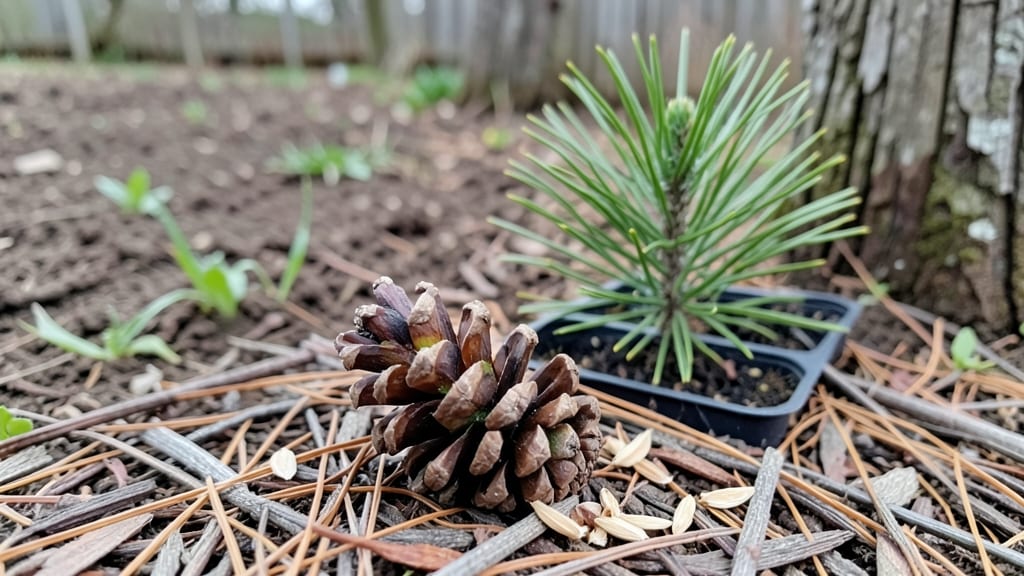
Growing pine trees from seed in the Pacific Northwest means beating the odds—most seeds take years to sprout, but these fast-germination tricks cut that wait down to weeks.
The key starts with the right seed: fresh, locally sourced cones from mature trees yield the best results, and a little cold treatment mimics winter's natural preparation.
You’ll need only a few supplies: a plastic bag for stratification, damp paper towels, and a sunny spot for seedlings. The process is simple but requires patience—stratifying seeds for 30-60 days in the fridge before planting tricks them into breaking dormancy faster than waiting for nature.
My first batch of Douglas fir seeds sprouted in just 21 days after this step.
Once those tiny green needles appear, you’ll be hooked on the slow magic of watching them grow. Young pines need bright light and well-draining soil to avoid rot, and they’ll reward you with sturdy growth if you keep them moist but not soggy.
By summer’s end, you’ll have seedlings ready to transplant—no nursery needed.
This method works best in early spring, but fall planting also succeeds if you stratify seeds immediately. The Pacific Northwest’s mild winters make it perfect for pine tree cultivation, and these tricks ensure your seeds won’t outwait your enthusiasm. Let’s get those cones cracking!
📚 In This Guide
- What you need
- Instructions
- Tips and common mistakes
- Wrapping up and next steps
What you need
- ● Pine tree seeds: Collect fresh, viable seeds from local Pinus species (e.g., Pinus ponderosa, Pinus monticola). Aim for 10–20 seeds to increase success rates.
- ● Growing medium: Peat moss or coconut coir (sterilized, 2–3 cups)
- ● Perlite or vermiculite (for drainage, 1 cup)
- ○ Sand (optional) (½ cup for grit)
- ● Containers: Small pots (3–4 inches deep) or seed trays with drainage holes (10–12 cells). Use biodegradable pots for transplanting ease.
- ● Spray bottle (for gentle watering)
- ● Fine-mesh sieve (to sift growing medium)
- ● Plastic wrap or humidity dome (to retain moisture)
- ○ Heat mat (optional) (70–80°F for faster germination)
- ● pH test kit (ideal soil pH: 5.0–6.5)
- ● Labels & marker (to track seed varieties)
- ● Patience: Pine seeds can take 4–12 weeks (or longer!) to germinate.
- ● Stratification knowledge: Some pine seeds need cold treatment (see our germination tips section).
- ● Sunlight access: Seedlings thrive in full sun (6+ hours/day) once transplanted.
- ● Space planning: Mature pine trees can grow 30–100+ feet tall—choose a location wisely!
Step-by-step instructions for growing Pacific Northwest pine tree seeds
Here's how to jumpstart germination and get those seedlings off to a flying start in your region's climate.
Collect and Stratify Seeds for Fast Germination
Pacific Northwest pine seeds need a cold treatment called stratification to break dormancy. Collect fresh seeds from local pine cones—green cones mean immature seeds, so wait for fully brown cones that open naturally. Extract the seeds and place them in a sealed container with slightly damp peat moss or sphagnum moss. I use a plastic bag with a few air holes to prevent mold.
Store the container in your refrigerator for 30-90 days at 35-40°F. Check monthly—if the seeds smell sour or develop mold, discard them and start fresh. This cold period mimics winter conditions and signals the seed it's time to grow. Don't skip this step; without stratification, germination rates plummet to near zero.
Prepare Containers and Planting Medium
Fill clean, 4-6 inch deep containers with a mix of 50% peat moss and 50% perlite—this ensures excellent drainage while retaining enough moisture. I use small plastic cell packs because they're lightweight and easy to move once germination begins. Moisten the mix until it feels like a damp sponge, but not dripping.
Sow 2-3 seeds per cell at a depth of about ¼ inch. Press them gently into the mix so they make good contact with the soil. Label each container with the pine species and stratification date—this helps track which seeds are ready for planting. Keep the containers in a shaded area until germination begins.
Provide Warmth and Monitor for Sprouts
Move the containers to a warm spot, ideally 70-75°F, once stratification is complete. Place them under a grow light or in a sunny window—pine seedlings need 12-14 hours of light daily to prevent leggy growth. I use a simple fluorescent bulb on a timer to maintain consistency.
Keep the soil consistently moist but never soggy. Water from the bottom by placing the containers in a shallow tray of water for 10-15 minutes, then drain excess. Germination can take 4-12 weeks, depending on the species and stratification success. Watch for tiny green needles—this is your signal that the seed has broken through the soil.
Thin Seedlings and Acclimate to Outdoor Conditions
Once seedlings reach 2-3 inches tall, thin them to the strongest one per cell. Use small scissors to snip the weaker stems at soil level—this prevents disturbing the roots of the remaining seedling. Harden off the seedlings by gradually exposing them to outdoor conditions over 10-14 days. Start with 1-2 hours in a shaded area, then increase exposure daily.
Transplant outdoors after the last frost date in your area, typically late spring. Choose a site with well-draining soil and partial shade—young pine seedlings can't handle full sun yet. Water deeply after planting to help the roots establish in their new home. Mulch around the base with 2-3 inches of wood chips to retain moisture and regulate soil temperature.
Tips & tricks for fast-germination pine tree seedlings
Here's what I've learned to help those Pacific Northwest pine seeds sprout faster and stronger than ever.
Stratification Precision: The 30-90 day refrigeration period is your secret weapon for breaking dormancy. I've found that 60 days works best for most local species—this gives seeds enough cold exposure without risking mold. Place your container on the middle shelf where temps stay steady at 35-40°F, and avoid the crisper drawer which can get too cold. Check monthly by gently lifting the moss—if it smells fresh and seeds look plump, you're on track.
Lighting Strategy: Those 12-14 hours of daily light are non-negotiable for preventing leggy seedlings. I use a simple fluorescent grow bulb on a timer rather than relying on window light, which can be inconsistent. Position the light just 6 inches above the seedlings and adjust as they grow. Too high? They'll stretch. Too low? They'll burn. The goal is even, bright light that mimics spring sunshine.
Watering Wisdom: The bottom-watering method for 10-15 minutes is a game-changer. I fill a shallow tray with about an inch of water and let the containers soak up moisture from below. This prevents surface crusting that blocks oxygen and keeps roots evenly moist. After 15 minutes, drain any excess water completely—soggy soil is the #1 killer of young seedlings.
Species-Specific Timing: Not all Pacific Northwest pines germinate at the same speed. Douglas firs often sprout within 4-6 weeks, while ponderosa pines can take up to 12 weeks. Keep a germination journal noting which species you've planted and when you first see sprouts. This helps you adjust expectations and troubleshoot if something goes wrong.
Pro Tips for Pine Tree Seed
- Here's what I've learned to help those Pacific Northwest pine seeds sprout faster and stronger than ever.
- Stratification Precision: The 30-90 day refrigeration period is your secret weapon for breaking dormancy.
- Lighting Strategy: Those 12-14 hours of daily light are non-negotiable for preventing leggy seedlings.
Frequently asked questions
Got questions about growing pine tree seeds? You’re not alone! Here are some of the most common queries—plus quick, practical answers to help you succeed in your Pacific Northwest garden.
How long does it take for pine tree seeds to germinate?
Pine seeds can take anywhere from 2 weeks to 6 months (or even longer!) to germinate, depending on the species and conditions. Cold stratification (mimicking winter) often speeds things up—try chilling seeds in a damp paper towel in the fridge for 30–90 days before planting. Patience is key!
Do pine seeds need cold treatment before planting?
Yes! Most pine seeds benefit from stratification—a process that breaks dormancy. For Pacific Northwest natives like Douglas fir or ponderosa pine, soak seeds in water for 24 hours, then refrigerate them in a damp medium (like peat moss) for 60–90 days. Skip this step, and germination rates may drop dramatically.
Can I grow pine trees from seeds I find under the tree?
Collect fresh pine seeds (they should be plump and free of pests) and follow the stratification steps above. Pro tip: Avoid seeds from ornamental pines (like dwarf varieties)—they may not grow true to type. Stick to native species for the best results in your region.
What do I do if my pine seeds won’t sprout?
Don’t panic—pine seeds are finicky! First, check for rot (soggy seeds = bad). If they’re still firm, try scarification (lightly sanding the seed coat) or extend stratification by another 30 days. Some species, like lodgepole pine, need higher temperatures (70–80°F) after cold treatment to trigger germination.
How deep should I plant pine tree seeds?
Plant pine seeds ¼ to ½ inch deep in well-draining soil, lightly covering them with a mix of sand and peat. Avoid burying too deep—pine seeds need light and air to sprout. Use a seed-starting tray or small pots for better control, especially in rainy PNW climates.
Wrapping up and next steps
Growing pine tree seeds may seem like a slow process, but with the right Pacific Northwest-friendly tricks, you’ll be well on your way to nurturing a thriving evergreen! 🌲 From scarification to proper soil prep, these steps ensure faster germination and stronger saplings.
Whether you’re a seasoned gardener or a curious beginner, your patience will pay off with stunning, shade-providing trees in years to come.
Ready to take the next step? Start small—plant a few seeds today and watch your garden transform! For extra inspiration, explore local nurseries or join gardening forums to share your progress with fellow PNW enthusiasts. Happy growing! 🌱✨