
Pruning
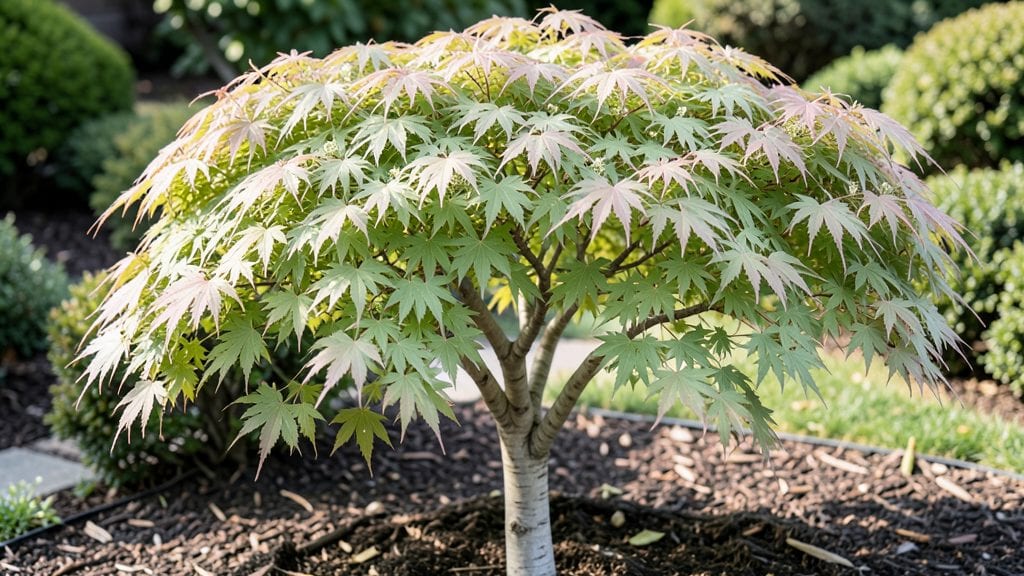
There's a maple tree that thrives in the Pacific Northwest's chilly winters—the petticoat maple, with its layered branches that look like a skirt. 🌿 I fell in love with it after seeing how it stands tall through frost while still putting on a stunning fall show.
Unlike fussy maples, this one handles cold snaps like a champ, making it perfect for gardeners who dread winter damage.
The secret to keeping it healthy is simple: plant it in well-draining soil with partial shade, water it deeply but not excessively, and prune in late winter before new growth starts.
My tree now has a strong structure because I learned to trim just outside the branch collar—no guesswork, just clean cuts. The result? A tree that looks polished year-round without needing constant attention.
By summer, you'll notice lush green foliage that turns fiery red in fall, and the layered branches create that signature "petticoat" effect. Pruning isn't just about shaping—it's about encouraging that vibrant growth and keeping the tree strong through winter storms.
Once you master the technique, your petticoat maple will become the standout feature of your yard.
Works beautifully in city gardens, rural landscapes, or even large containers. The best part? It's low-maintenance once established, so you can enjoy its beauty without the hassle. Let's get that pruner ready!
📚 In This Guide
- What you need
- Instructions
- Tips and common mistakes
- Wrapping up and next steps
What you need
- ● Pruning shears: Bypass pruners (for small branches, ¼"–½" cuts) or loppers (for branches ½"–2" thick). Sterilize with rubbing alcohol between cuts!
- ● Pruning saw: Curved-tooth saw for branches 2"–4" in diameter (avoid crushing sapwood).
- ● Hand saw or pole pruner: For thick branches (4"+) or high-up cuts (extendable pole preferred).
- ● Gloves: Heavy-duty leather or nitrile-coated gloves (protects from thorns and sap).
- ● Disposable pruning bags: 3–5 gallon bags (for debris collection).
- ● Ladder or step stool: Sturdy, non-slip (for safe high-reach pruning).
- ● Rubbing alcohol (70%+) or bleach solution: 1 part bleach to 9 parts water (sterilizes tools).
- ● Sharpie or paint marker: For marking branches to remove (if pruning in stages).
- ● Water spray bottle: Small (to clean tools mid-pruning).
- ● Safety gear: Closed-toe shoes, long sleeves, and eye protection (sap can irritate!).
- ● Tree wound dressing: Pruning sealant (controversial, but useful for large cuts >2" diameter).
- ● Disinfectant wipes: For quick tool cleaning between trees.
- ● Extension pole: For high branches (if no ladder is available).
- ● Camera or phone: To document "before" shots (great for tracking progress!).
- ● First-aid kit: For minor scrapes or sap burns.
Instructions for pruning your petticoat maple tree
Here's how I shape mine every year for healthy growth and stunning bark display.
✂️ Step 1: Prune in Late Winter Before Bud Break
Wait until late winter when the tree is still dormant but the ground isn't frozen—typically February or early March in the Pacific Northwest. This timing avoids heavy sap flow and gives you a clear view of the branch structure. I always prune on a dry day when temperatures are above 35°F to prevent shock.
Start by removing any dead, diseased, or crossing branches first. These are easy to spot—they'll be brown, brittle, or growing toward the center of the tree. Use clean, sharp pruners to make cuts just outside the branch collar where it meets the trunk. This ensures proper healing and prevents unsightly stubs.
✂️ Step 2: Thin the Canopy for Air Circulation
Selectively remove about 20-25% of the canopy to improve airflow and sunlight penetration. Focus on branches that are rubbing against each other or growing inward. The petticoat maple's layered bark will look best when you can see all the way to the center of the tree.
Make your cuts at a 45-degree angle just outside the branch collar. Avoid leaving stubs—these attract pests and rot. If you're unsure about a cut, I recommend making it smaller first and reassessing the tree's shape after a few weeks.
☀️ Step 3: Shape for Frost Resistance and Bark Display
Now it's time to sculpt the tree's signature layered look. The petticoat maple's peeling bark is its star feature—prune to enhance this. Remove any branches that obscure the trunk or grow too close together. Aim for a balanced, open center that lets light reach all layers of bark.
For larger branches over 2 inches in diameter, use three cuts: first to undercut, then to make the main cut, and finally to clean up. For smaller branches, a single cut is fine. Step back frequently to check your progress—you want the tree to look naturally balanced, not forced.
💧 Step 4: Clean Up and Apply Wound Dressing (Optional)
After pruning, remove all debris from the area and disinfect your tools with rubbing alcohol. This prevents disease spread to next year's cuts. For larger wounds over 1 inch in diameter, you can apply a tree wound dressing if you're in a particularly wet climate—but many experts say fresh cuts heal better without it.
Water the base of the tree thoroughly after pruning to help it recover. The roots will need moisture as new growth begins. Avoid fertilizing immediately—let the tree focus on healing before putting energy into new leaves.
Tips & tricks for pruning your petticoat maple tree
Here's what I've learned after years of shaping my petticoat maple—these tricks make all the difference for healthy growth and that stunning layered bark.
Timing is Everything: That February-March window in the Pacific Northwest is critical for avoiding sap flow and giving you a clear view of the branch structure. If you prune too early, you risk heavy sap bleeding; too late, and you'll encourage new growth that won't harden before winter. I've learned to check the ground isn't frozen—this prevents shock to the tree's roots.
Branch Collar Awareness: In Step 1, when removing dead or crossing branches, focus on making cuts just outside the branch collar where it meets the trunk. This small detail prevents unsightly stubs and ensures proper healing. I've made the mistake of cutting too close to the trunk—it may look cleaner, but it actually slows healing and invites pests.
Canopy Thinning Strategy: The 20-25% canopy reduction in Step 2 isn't just about numbers—it's about creating airflow and sunlight access to the inner bark. I recommend working in sections: remove a few branches, step back to assess, then repeat. This helps you visualize the open center that showcases the peeling bark so well. The goal is to see all the way to the trunk's base.
Post-Pruning Care: After finishing all cuts, don't forget the cleanup! Remove all debris and disinfect your tools with rubbing alcohol to prevent disease spread. For larger wounds over 1 inch, I've found that fresh cuts heal better without wound dressing—just water thoroughly and avoid fertilizing immediately. The tree needs to focus on healing before putting energy into new growth.
Pro Tips for Petticoat Maple Tree
- Here's what I've learned after years of shaping my petticoat maple—these tricks make all the difference for healthy growth and that stunning layered bark.
- Timing is Everything: That February-March window in the Pacific Northwest is critical for avoiding sap flow and giving you a clear view of the branch structure.
- Branch Collar Awareness: In Step 1, when removing dead or crossing branches, focus on making cuts just outside the branch collar where it meets the trunk.
Frequently asked questions
Got questions about caring for your petticoat maple tree? You’re not alone! This striking Pacific Northwest native is hardy but needs the right touch. Below, we tackle the most common concerns—from pruning timing to frost resilience and troubleshooting—so you can keep your tree thriving with confidence.
When is the best time to prune a petticoat maple?
The ideal window is late winter to early spring (February–March), just before buds swell but before new growth starts. Avoid pruning in fall or winter, as this can stress the tree and leave wounds vulnerable to frost or disease. Pro tip: If you must prune in summer, do it early (June) to minimize stress.
How cold can a petticoat maple handle?
This tree is frost-resistant and thrives in USDA zones 5–8, tolerating temps down to -20°F (-29°C). Young trees may need winter protection (like burlap wraps) in their first few years, but mature specimens are tough as nails. Watch for: Frost cracks on trunks (common in extreme cold)—seal minor splits with pruning sealant if needed.
Can I prune a petticoat maple in summer?
While possible, summer pruning isn’t ideal—it can promote weak growth and attract pests. If you must, limit cuts to removing dead or diseased branches and avoid heavy pruning. Best practice: Stick to dormant-season pruning for shaping or major structural work.
What if my petticoat maple’s leaves turn yellow?
Yellowing leaves often signal overwatering, nutrient deficiency (like iron), or fungal issues. Check soil moisture (it should be evenly damp, not soggy) and test pH (ideal: 6.0–7.0). For iron deficiency, apply chelated iron in early spring. If spots or powdery mildew appear, prune affected branches and treat with neem oil.
Are there alternatives to petticoat maple for small spaces?
If space is tight, consider these low-maintenance, frost-hardy alternatives:
- Japanese maple (‘Bloodgood’): Compact, colorful foliage (zones 5–8).
- Serviceberry: Small tree with white flowers and edible berries (zones 4–8).
- Dwarf Korean lilac: Fragrant blooms, minimal pruning needed (zones 4–8).
Wrapping up and next steps
The petticoat maple tree is a stunning, frost-resistant gem of the Pacific Northwest—but its beauty thrives with the right pruning care! 🌿 By following this guide, you’ve learned how to prepare, prune, and protect your tree for years of vibrant foliage and resilient growth.
Remember, timing, tools, and technique are your best friends!
Ready to transform your pruning game? Grab your gloves, mark your calendar for late winter, and give your petticoat maple the attention it deserves. Your tree—and your future shade—will thank you! 🌳✨