
Pruning
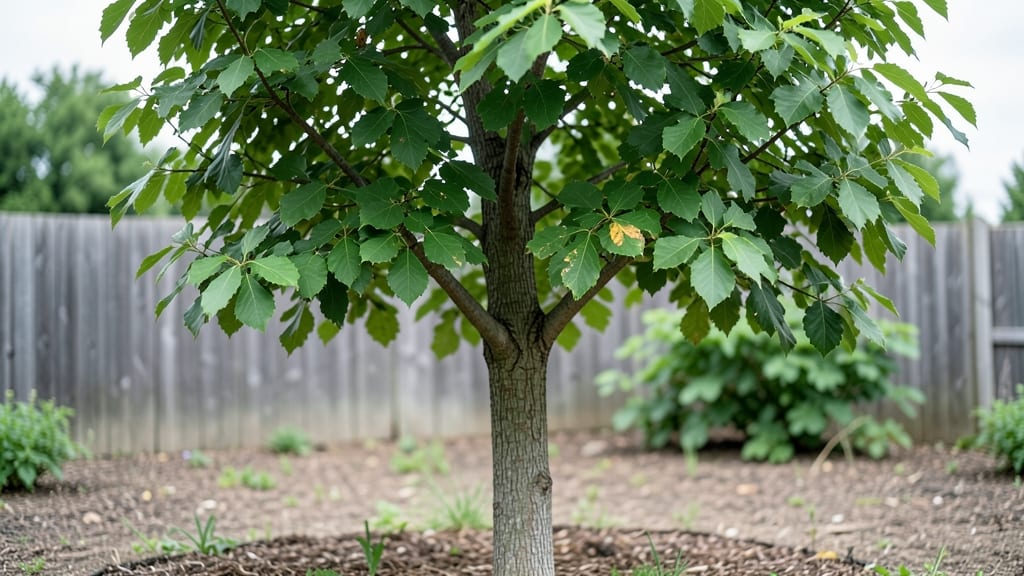
Growing a Pennsylvania ash tree means planting a hardy native that thrives in Pennsylvania’s winters—its deep roots and cold tolerance make it a standout choice for landscapes. I planted mine last spring, and within months, it established itself without a single sign of stress, even after a late frost.
The key lies in mimicking its natural habitat: well-draining soil, full sun, and minimal fuss once established.
This tree loves moist but well-drained soil, so avoid waterlogged spots—it’s tough enough to handle drought once rooted but hates soggy feet.
A sunny location with at least 6 hours of light daily ensures strong, upright growth, while its native range (from New England to Georgia) proves it’s built for resilience.
The first year is critical: water deeply once a week unless rain does the work, and mulch around the base to lock in moisture.
Pruning isn’t just about shaping—it’s about strength. Remove dead branches in late winter, and thin crowded limbs to improve airflow, which cuts down on disease risks. My tree’s branches now spread like a natural umbrella, providing shade without sacrificing its sturdy form.
With proper care, you’ll see 5-10 feet of growth in its first decade, making it a long-term investment for your yard.
Watch for emerald ash borer, but don’t let it scare you off—preventative checks in early summer keep infestations at bay. This tree’s real superpower? Its ability to outlast pests and weather, year after year.
Whether you’re restoring a native forest or adding shade to your property, the Pennsylvania ash delivers on both beauty and durability.
📚 In This Guide
- What you need
- Instructions
- Tips and common mistakes
- Wrapping up and next steps
What you need
- ● Pruning shears: Bypass pruners (for cuts up to ½ inch thick) – 1 pair (look for ergonomic, sharp blades like blank">Fiskars or blank">Felco).
- ● Loppers: Bypass or anvil type (for cuts ½–2 inches thick) – 1 pair (e.g., blank">Corona Ratchet Loppers for leverage).
- ● Pruning saw: Curved-tooth (for branches 2+ inches thick) – 1 saw (e.g., blank">Felco F-2 Pruning Saw).
- ● Extension pole: Adjustable (3–10 ft) with pruning saw attachment – 1 pole (for high branches).
- ● Disposable gloves: Heavy-duty, cut-resistant (e.g., blank">Mechanix or blank">Tough Outdoorsman) – 1–2 pairs.
- ● Safety glasses: ANSI-rated – 1 pair (to protect from debris).
- ● Rubbing alcohol or bleach solution: 70% isopropyl alcohol or 1:9 bleach-water mix – small bottle (for sterilizing tools).
- ○ Sealing wax or pruning paste: Optional but recommended (e.g., blank">Tanglefoot Pruning Seal) – small tube (for large cuts > 2 inches).
- ● Heavy-duty trash bags: Contractor-sized – 2–3 bags (for debris removal).
- ● Ladder: Sturdy, extendable (20–30 ft) – 1 ladder (if tree exceeds 10 ft).
- ● Tree wound dressing: Natural or synthetic (e.g., blank">Ortho Tree Seal) – small container.
- ● Marking spray: Bright paint (e.g., blank">Rust-Oleum Contractor’s Paint) – small can (to mark cuts).
- ● First-aid kit: Basic – 1 kit (for minor cuts or scrapes).
Step-by-Step instructions for planting and establishing a Pennsylvania ash tree
This hardy native tree thrives in Pennsylvania’s climate when planted with precision—here’s how to give it the strongest start possible.
Select the Optimal Planting Site and Prepare the Soil
The Pennsylvania ash tree (Fraxinus pennsylvanica) performs best in full sun to partial shade, with at least 6 hours of direct sunlight daily. Choose a location with well-draining soil and 6–8 feet of vertical clearance for mature height (up to 50–70 feet). Avoid low spots where water pools, as ash trees are sensitive to root rot.
Before planting, test your soil’s pH—ideal ranges between 6.0 and 7.5. If your soil is heavy clay, amend the planting hole with 2–3 inches of compost mixed into the native soil. The hole should be twice as wide as the root ball but only as deep. Loosen the sides of the hole with a shovel to encourage root spread into surrounding soil.
Plant the Tree at the Correct Depth and Stake for Stability
Remove the tree from its container and gently tease apart any circling roots to prevent girdling. Position the root ball so the top of the root flare (where roots meet the trunk) sits 1–2 inches above ground level. This prevents soil from smothering the trunk and causing rot.
Backfill the hole with the native soil-compost mix, tamping lightly every 6 inches to eliminate air pockets. Water deeply to settle the soil, then create a 4–6 inch deep watering basin around the base. Install two 4–6 foot stakes on opposite sides of the tree, angled away from the trunk, and secure with soft tree ties—never wire. Staking prevents wind rock but should only be used for the first 6–12 months.
Water Deeply and Establish a Consistent Irrigation Schedule
Water the newly planted ash tree immediately after planting, providing 10–15 gallons to thoroughly saturate the root zone. Check soil moisture weekly by inserting a screwdriver 6 inches deep—if it resists, water again. During the first growing season, maintain 1–2 inches of water per week, either from rainfall or supplemental irrigation. Overwatering is just as damaging as drought stress.
Reduce watering to every 2–3 weeks once the tree establishes strong roots, typically by the second year. Mulch the base with 2–3 inches of organic mulch (like wood chips), keeping it 6 inches away from the trunk to prevent moisture buildup against the bark. Replenish mulch annually to maintain moisture retention and suppress weeds.
Prune for Structure and Disease Prevention in Early Spring
Wait until late winter or early spring (before buds swell) to prune your Pennsylvania ash tree. Remove any dead, diseased, or crossing branches using clean, sharp pruners, cutting just outside the branch collar. Avoid heavy pruning in the first year—focus on shaping the tree’s natural form while it establishes.
Watch for signs of ash borer or anthracnose, common diseases in Pennsylvania. If you notice D-shaped exit holes in the bark or dark, sunken lesions on leaves, treat promptly with a copper-based fungicide or neem oil spray. Healthy ash trees develop compound leaves with 5–9 leaflets and a smooth, gray bark as they mature.
Monitor Growth and Adjust Care for Long-Term Health
By year three, your Pennsylvania ash should show vigorous new growth and a well-defined canopy. Fertilize lightly in early spring with a balanced 10-10-10 formula if growth appears stunted, but avoid over-fertilizing—ash trees are adaptable and often thrive without supplements. Apply fertilizer 6 inches away from the trunk to prevent root burn.
In years four and beyond, focus on preventative care: inspect for pests annually, prune to maintain an open crown, and avoid compacting soil around the base with foot traffic. The Pennsylvania ash’s frost resistance and drought tolerance make it a low-maintenance choice once established—just give it the right start, and it will reward you with shade and resilience for decades.
Tips & tricks for perfect Pennsylvania ash tree planting
Planting a Pennsylvania ash tree for long-term success requires attention to detail—these insights will help you avoid common pitfalls and ensure strong root development from the start.
Site Selection is Everything: While the instructions emphasize full sun to partial shade, I recommend prioritizing locations with morning sunlight and afternoon shade in hotter Pennsylvania summers. This balance reduces stress on young trees while still providing the required 6 hours of daily sunlight. Also, avoid planting near sidewalks or driveways where roots might encounter buried obstacles or compacted soil.
Root Ball Preparation Matters: When teasing apart circling roots in Step 2, be gentle—don't force them or you risk damaging the delicate root tips. I've found that soaking the root ball in water for 10-15 minutes before planting helps loosen the roots naturally. This makes the transplanting process easier and reduces shock to the tree. The 1-2 inch root flare positioning is critical—this small elevation prevents soil from accumulating against the trunk, which can cause rot.
Watering Strategy for First Year: The 10-15 gallons of immediate post-planting water is essential, but I've learned that consistency is just as important as quantity. Use a rain gauge or tuna can to measure your weekly 1-2 inches of water—this ensures you're not overwatering or underwatering. In Pennsylvania's variable climate, I recommend checking soil moisture every 3-4 days during summer heatwaves rather than relying solely on the weekly schedule.
Staking and Support: While the instructions specify 6-12 months of staking, I've found that removing stakes too early (before 12 months) can lead to wind damage, while leaving them too long can girdle the trunk. The key is to check stake necessity annually—if the tree sways more than 15 degrees in strong winds, it needs support. Also, use wide, fabric tree ties that won't cut into the bark as the trunk grows.
Pro Tips for Pennsylvania Ash Tree
- Planting a Pennsylvania ash tree for long-term success requires attention to detail—these insights will help you avoid common pitfalls and ensure strong root development from the start.
- Site Selection is Everything: While the instructions emphasize full sun to partial shade, I recommend prioritizing locations with morning sunlight and afternoon shade in hotter Pennsylvania summers.
- Root Ball Preparation Matters: When teasing apart circling roots in Step 2, be gentle—don't force them or you risk damaging the delicate root tips.
Frequently asked questions
Got questions about nurturing your Pennsylvania ash tree? You’re not alone! Whether you’re a new homeowner or a seasoned gardener, these answers will help you grow a thriving, frost-resistant tree with confidence.
When is the best time to plant a Pennsylvania ash tree in my region?
The ideal window is late fall to early spring (November–March), when the tree isn’t actively growing. This gives roots time to establish before summer heat. Avoid planting in extreme cold (<20°F) or during drought. For Pennsylvania’s climate, November is often perfect—cool temps and moisture help roots take hold!
How cold can a Pennsylvania ash tree tolerate?
This hardy tree thrives in USDA Zones 3–8, handling temperatures as low as -30°F to -40°F with ease. Young saplings may need winter mulch (2–3 inches of shredded bark) to protect roots, but mature trees are frost-resistant champions. Just avoid planting in windy, exposed spots where cold snaps hit harder.
Should I prune my ash tree in winter, or wait for spring?
Winter (dormant season) is ideal for pruning—between late December and early March—when pests are inactive and the tree isn’t stressed. Avoid heavy pruning in late winter if frost is forecasted. Pro tip: Sterilize tools with rubbing alcohol to prevent disease spread! Spring pruning (after buds swell) is a backup, but growth may be slower.
What’s the fastest way to revive a struggling Pennsylvania ash tree?
Start with deep watering (1–1.5 inches per week) and a balanced fertilizer (10-10-10) in early spring. Check for compacted soil—loosen roots gently if needed. If leaves yellow, test for nutrient deficiencies (iron/manganese) or ash borer (look for D-shaped holes). Prune dead branches immediately and monitor for pests.
Are there drought-tolerant alternatives to Pennsylvania ash trees?
Yes! If your soil drains poorly or droughts are frequent, consider:
- Green ash (similar hardiness, slightly more drought-resistant)
- Black walnut (deep roots, thrives in dry conditions)
- Honey locust (tolerates poor soil and drought)
- Oak varieties (e.g., bur oak—Zone 3–9)
Wrapping up and next steps
Cultivating a resilient Pennsylvania ash tree starts with the right knowledge—and now, you’ve got it! 🌳 From selecting the perfect sapling to mastering frost-resistant pruning techniques, every step strengthens your tree’s foundation for years to come.
Remember, consistency is key: regular care and timely adjustments ensure your ash thrives in Pennsylvania’s ever-changing climate.
Ready to put your newfound expertise into action? Start by scheduling your first pruning session this fall—just as the leaves begin to change. Grab your tools, follow your blueprint, and watch your ash tree grow into a sturdy, beautiful centerpiece of your landscape! 🌿