
Pruning
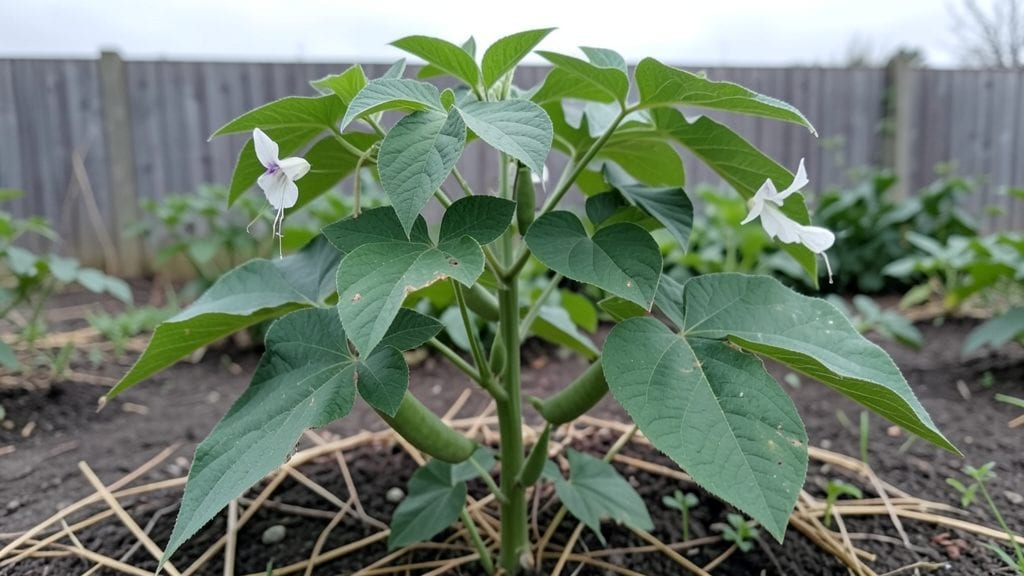
That Indian bean tree leaf might droop or spot after a Pacific Northwest winter, but don’t count it out—these plants are far hardier than they appear.
I’ve nursed these frost-battered trees back to life year after year, and the secret isn’t brute-force pruning but understanding when and how to coax them back. The key is timing: wait until the first flush of new growth in late spring before you touch those ragged leaves.
Most gardeners panic when they see brown spots or wilting, but those are often signs of winter stress, not death sentences. Grab a pair of sharp pruners, a bucket of soapy water for pests, and a hose with a gentle spray nozzle—those are the only tools you’ll truly need.
The process takes less than an hour for a mature tree, and the difference in summer foliage is nothing short of dramatic. You’ll end up with glossy, deep-green leaves that bounce back from frost damage like it never happened.
By midsummer, your tree will reward you with lush, vibrant foliage and those signature bean pods. The pruned branches encourage new growth from the base, making the tree stronger and more resilient for next winter.
Plus, you’ll cut down on pests hiding in damaged leaves, so the whole plant gets a fresh start. Think of it as a spa day for your tree—just without the cucumber water.
This method works equally well for young trees and established giants, whether you’re dealing with mild Pacific Northwest winters or occasional deep freezes. The only rule? Never prune in fall—you’ll invite new growth that won’t survive the cold.
Spring is your window, and once you master it, your Indian bean tree will look like it’s never known frost at all.
📚 In This Guide
- What you need
- Instructions
- Tips and common mistakes
- Wrapping up and next steps
What you need
- ● Pruning shears: Bypass pruners (for cuts under ½ inch thick) – look for sharp, stainless steel blades.
- ● Loppers: 1 pair (for branches ½ to 1½ inches thick) – opt for ratcheting loppers for ease.
- ● Pruning saw: 1 handheld saw (for branches >1½ inches thick) – curved blade for clean cuts.
- ● Gloves: Heavy-duty gardening gloves (cut-resistant) – protects against thorns and sap.
- ● Disinfectant: 70% isopropyl alcohol or pruning sealant – prevents disease spread.
- ● Extension pole: 3–6 ft (for high branches) – saves time and strain.
- ● Bucket or tarp: 1 (for collecting debris) – keeps workspace tidy.
- ● Hand pruners: Compact pair for small trimming tasks.
- ● Safety glasses: Protects eyes from debris.
- ● Ladder: Sturdy, stable ladder (if branches exceed 8 ft).
- ● Sharpie marker: For labeling cuts (if training the tree).
- ● Compost bin: For repurposing pruned leaves/branches.
- ● Clear, dry day (avoid pruning after rain or in frost).
- ● Weather forecast: No rain or freezing temps for 24–48 hours post-pruning.
- ● Basic knowledge of tree anatomy (e.g., identifying water sprouts vs. main branches).
- ● Access to water (hose or bucket) for cleaning tools.
Step-by-step guide to pruning Indian bean tree leaves
Reviving your Indian bean tree after frost is all about strategic cuts and timing—here's how to do it right.
Assess Frost Damage Before Pruning
Wait until after the last frost in your area before touching your tree. The Pacific Northwest's unpredictable spring weather means you might need to delay until mid-to-late May, depending on your zone. Look for brown, crispy leaves—these are dead and should be removed entirely. Healthy leaves will be green with a firm texture, even if slightly wilted.
Gently shake the tree to check for hidden damage. If leaves fall easily, they're dead. If they stay attached but look sad, they'll likely recover with proper care. Avoid pruning too early—new growth needs time to harden off after frost.
Sterilize Tools and Remove Dead Growth
Clean your pruning shears with rubbing alcohol before you start. This prevents spreading disease from dead leaves to healthy ones. Begin by removing all brown, black, or mushy leaves—these won't recover and will only drain energy from the tree. Cut back to the first healthy leaf or growth node below the damage.
Don't worry if the tree looks sparse after this step. Indian bean trees are resilient and will bounce back with fresh growth. If you see any stems that are hollow, cracked, or oozing sap, trim those completely to the base. These are signs of severe frost damage that won't heal.
Shape the Tree for Stronger Regrowth
Step back and examine the tree's overall shape. You want to encourage an open, vase-like structure that allows sunlight to reach all leaves. Focus on removing crossing branches or those growing inward—they compete for sunlight and nutrients. Cut these back to the nearest outward-facing bud or branch.
For larger branches, make your cut just above a leaf node where two leaves meet. This ensures the tree can quickly seal the wound and direct energy to new growth. Avoid leaving stubs—these attract pests and disease. If a branch is too thick to cut cleanly with shears, use a small handsaw instead.
Encourage New Growth With Proper Care
After pruning, water the tree deeply to help it recover. Indian bean trees thrive in well-draining soil, so avoid soggy conditions. Apply a 2-inch layer of mulch around the base, keeping it 6 inches away from the trunk. This protects roots from temperature swings and retains moisture.
Place the tree in a spot with full sun to partial shade—at least 4-6 hours of sunlight daily. In the Pacific Northwest, morning sun and afternoon shade work well. Fertilize lightly with a balanced, slow-release fertilizer in early summer to support new leaf production. Avoid heavy feeding right after pruning—it stresses the tree.
Monitor and Maintain Through the Season
Check your tree weekly for new growth. You should see fresh leaves emerging within 4-6 weeks if conditions are right. If growth stalls, adjust watering—too much or too little can slow recovery. Indian bean trees are drought-tolerant once established, but consistent moisture helps them bounce back after frost.
Continue light pruning throughout the season to maintain shape and remove any dead or diseased leaves. By late summer, your tree should look full and vibrant. If you notice yellowing leaves, it could signal overwatering or nutrient deficiency—adjust care accordingly. With patience, your Indian bean tree will reward you with lush foliage and resilience for years to come.
Tips & tricks for perfect Indian bean tree leaf pruning
Pruning your Indian bean tree after frost takes patience and precision—here's how to avoid common mistakes and ensure your tree thrives.
Timing is Everything: The instructions mention waiting until after the last frost in mid-to-late May, but don't rush this step. If you're in a cooler microclimate, wait until nighttime temperatures consistently stay above 40°F. I've seen trees recover beautifully when pruned at the right time, but those pruned too early often struggle with new growth. Use a local frost calendar as your guide rather than just the date.
Tool Prep Prevents Problems: Sterilizing your pruning shears with rubbing alcohol is non-negotiable—I've seen entire trees get infected because this step was skipped. For extra protection, wipe down tools with a 10% bleach solution (1 part bleach to 9 parts water) between cuts on severely damaged branches. This prevents spreading any hidden pathogens from dead tissue to healthy parts of the tree.
Shape Matters for Sunlight: When shaping your tree in Step 3, think of it like opening a window treatment. You want that open, vase-like structure to let sunlight reach all leaves, but don't go overboard. Remove no more than 25% of the tree's foliage in one session—this prevents shock. I've made the mistake of being too aggressive, and while the tree survived, it took nearly twice as long to recover.
Post-Pruning Care is Critical: After your work, the 2-inch layer of mulch and 6-inch clearance from the trunk mentioned in Step 4 are essential, but here's what nobody tells you: water deeply immediately after pruning, even if it hasn't rained. This helps the tree recover from the stress of cutting. Then, reduce watering to once every 7-10 days unless we're in an extended heatwave—overwatering is the #1 reason trees struggle after pruning.
Pro Tips for Indian Bean Tree Leaf
- Pruning your Indian bean tree after frost takes patience and precision—here's how to avoid common mistakes and ensure your tree thrives.
- Timing is Everything: The instructions mention waiting until after the last frost in mid-to-late May, but don't rush this step.
- Tool Prep Prevents Problems: Sterilizing your pruning shears with rubbing alcohol is non-negotiable—I've seen entire trees get infected because this step was skipped.
Frequently asked questions
Got questions about pruning your Indian Bean Tree (Catalpa speciosa) in the Pacific Northwest? You’re not alone! Here are some of the most common concerns—plus quick, frost-resilient solutions to keep your tree thriving.
When is the best time to prune my Indian Bean Tree to avoid frost damage?
Prune in late winter or early spring (February–March), just before new growth starts. This timing helps the tree recover quickly and minimizes frost risks. Avoid pruning in fall—new growth won’t harden off before winter, making it vulnerable to cold snaps.
How do I know which branches to cut? Should I remove dead leaves or entire limbs?
Focus on three key cuts:
- Dead/diseased branches: Remove any blackened, brittle, or fungal-covered limbs immediately—they drain energy.
- Crossing or rubbing branches: Trim these to prevent wounds and improve airflow.
- Overcrowded growth: Thin out 20–30% of dense foliage to boost sunlight penetration.
My Indian Bean Tree leaves turned brown after frost. Can I save it?
Brown leaves post-frost are often temporary—the tree is hardy! If the branches are still pliable (not brittle), it’s alive. Prune back only the most damaged tips in spring. Water deeply if the soil is dry, and avoid fertilizing until new growth appears.
Are there alternatives to Indian Bean Trees for frost-prone PNW gardens?
Yes! Consider these frost-resistant, leafy options:
- Serviceberry (Amelanchier): White spring blooms + edible berries.
- Oregon Grape (Mahonia): Evergreen, drought-tolerant, and pollinator-friendly.
- Vine Maple (Acer circinatum): Compact, colorful fall foliage.
Why are my Indian Bean Tree leaves yellowing, even after pruning?
Yellow leaves can signal overwatering, nutrient deficiency, or pests. Check:
- Watering: Soil should be moist but not soggy—PNW winters can be damp!
- Soil test: Low nitrogen? Add compost or a balanced fertilizer in spring.
- Pests: Look for aphids or spider mites on undersides of leaves.
Wrapping up and next steps
Pruning your Indian Bean Tree (Catalpa) isn’t just about shaping—it’s a revival act for frost-hardy Pacific Northwest gardens! 🌿 With the right tools, timing, and techniques, you’ll keep your tree thriving year after year. Remember, patience and precision are key, especially when dealing with frost damage.
Ready to give your tree the care it deserves? Start by assessing its health this spring—schedule a quick inspection and prune before new growth begins. Your garden (and future harvests) will thank you!