
Container Gardens
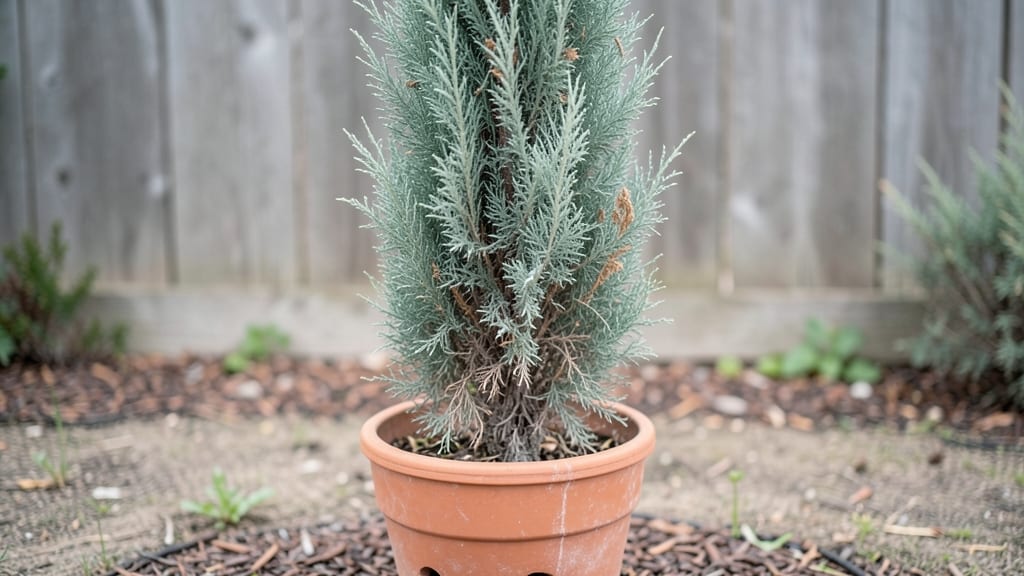
Growing a frost-resistant potted cypress tree in the Pacific Northwest means you can finally enjoy that iconic evergreen silhouette without worrying about winter damage.
The key lies in the right mix of soil, container size, and cold-hardy care—something I perfected after my first cypress nearly succumbed to a late spring freeze. This isn’t just about survival; it’s about creating a thriving specimen that stays lush year-round, even when temperatures drop below freezing.
You’ll need a 15- to 20-gallon container with drainage holes, a well-draining soil blend (think 60% pine bark fines, 30% peat moss, and 10% perlite), and a location that gets full sun for at least six hours daily.
Watering is the trickiest part—cypress trees hate soggy roots but also can’t handle drought stress. I’ve found that deep watering twice a week in summer and cutting back to once every two weeks in winter keeps mine healthy without overdoing it.
The right container also helps regulate soil temperature, protecting roots during cold snaps.
What you’ll end up with is a compact, upright cypress that stays vibrant even through winter, its needles holding their rich green color without browning. The best part? You can move it to a sheltered spot when frost warnings hit, extending its growing season effortlessly.
With proper pruning (just shape it lightly in early spring), your tree will maintain its natural form while growing 12–24 inches per year. This method works for both Leyland and Hinoki varieties, making it versatile for any Pacific Northwest garden.
For those worried about winter survival, here’s the secret: insulate the container with bubble wrap or a thick layer of mulch before the first frost, and avoid fertilizing after mid-summer.
Even in Zone 7, where cold snaps can sneak in, this approach keeps your cypress looking like it belongs in a landscape, not just a pot. Ready to give it a try?
📚 In This Guide
- What you need
- Instructions
- Tips and common mistakes
- Wrapping up and next steps
What you need
Ready to bring frost-resistant container magic to your Pacific Northwest garden? Here’s everything you’ll need to grow a thriving potted cypress tree—whether you’re starting from a nursery plant or seeds! 🌲❄️
🌱 Essential Materials
- Potted cypress tree: 1 Hinoki (Chamaecyparis obtusa) or Nootka (Chamaecyparis nootkatensis) variety (hardy to USDA Zones 5-8).
- Container: 1 15-20 gallon pot with drainage holes (terracotta or plastic).
- Well-draining soil: 1 bag cactus/succulent mix + 1 part perlite or pumice (for aeration).
- Mulch: 1 bag pine bark fines or gravel (to retain moisture and insulate roots).
🔧 Tools & Prerequisites
- Gloves & pruners: 1 pair gardening gloves + sterilized pruning shears.
- Watering can: 1 1-gallon capacity with a rose nozzle.
- Fertilizer: 1 slow-release 10-10-10 fertilizer (optional but recommended for first 3 months).
- Frost cloth: 1 roll (for Zone 5-6 winters; optional but highly recommended).
- Stakes (optional): 2 bamboo stakes + soft plant ties (for young trees in windy areas).
💡 Pro Tips for PNW Growers
- ✨ Soil test: Check pH (ideal: 5.5-7.0); amend with sulfur if too alkaline.
- 🌡️ Microclimate hack: Place pots on cinder blocks to prevent root rot in rainy seasons.
- 🔥 Winter prep: Elevate pots off the ground and wrap in frost cloth before temps drop below 20°F.
Step-by-step instructions for growing a frost-resistant potted cypress tree
Here's the foolproof method I use to cultivate hardy, container-grown cypress trees that thrive in the Pacific Northwest's unpredictable climate.
Select the Right Container and Drainage System
Choose a container with a minimum 18-inch diameter and depth—cypress trees need room for extensive root systems. I prefer unglazed ceramic or fiberglass because they breathe better than plastic, preventing root rot in our damp climate. Ensure the pot has multiple drainage holes at the base; if not, drill extra holes yourself. Line the bottom with 2-3 inches of gravel or broken pottery to create an air gap that prevents waterlogging.
This drainage layer is critical—cypress trees hate soggy roots, which can lead to fungal diseases like root rot. Place your pot on elevated feet or a saucer to catch any excess water that drains out, keeping it away from the plant's base. I always test the drainage by filling the pot with water and ensuring it drains completely within 15-20 minutes; if it pools, your setup needs adjustment.
Prepare the Frost-Resistant Potting Mix
Fill the container with a custom blend of 60% peat moss or coconut coir, 30% perlite or pumice, and 10% compost. This mix mimics the well-draining, slightly acidic conditions cypress trees prefer in their native habitats. Avoid garden soil—it compacts too easily and retains too much moisture. Mix in 1 cup of slow-release fertilizer (look for one with a 10-10-10 or 14-14-14 NPK ratio) to give your tree a nutrient boost without risking salt buildup.
Cypress trees are particular about soil pH, thriving in slightly acidic conditions (5.5-6.5). If your tap water is alkaline, mix in 1 tablespoon of sulfur per gallon of water when watering to maintain the ideal pH. Tap the sides of the pot gently to settle the mix, leaving 2-3 inches of space at the top for watering. This air gap prevents soil compaction and allows roots to breathe.
Plant the Cypress Tree with Proper Spacing
Remove the tree from its nursery pot and loosen the roots gently if they’re circling or compacted. This encourages outward growth rather than a root-bound mess. Position the tree in the center of the container, ensuring the root flare (where the roots meet the trunk) sits just above the soil line. Fill the remaining space with your potting mix, pressing lightly to eliminate air pockets but avoiding compaction.
Water the tree deeply until water runs freely from the drainage holes. This settles the soil and eliminates air gaps around the roots. After planting, place the pot in a shaded, protected location for 7-10 days to reduce transplant shock. Cypress trees are sensitive to stress, so avoid full sun or wind exposure during this critical period. You’ll know it’s settling in when new growth appears within 2-3 weeks.
Establish a Watering and Fertilizing Routine
Cypress trees need consistent moisture but despise soggy conditions. Water when the top 2 inches of soil feel dry to the touch, typically every 5-7 days during the growing season (spring and summer). In the Pacific Northwest’s cooler months, reduce watering to every 10-14 days, as evaporation slows and rainfall increases. Always water at the base of the plant, avoiding the foliage to prevent fungal diseases like needle blight.
Fertilize once in early spring and again in mid-summer using a balanced, slow-release fertilizer. Over-fertilizing can burn roots and lead to salt buildup, which is especially harmful in containers. I also add 1 tablespoon of Epsom salt to the soil in spring to boost magnesium levels, which helps maintain the tree’s vibrant green color. Monitor the tree’s response—healthy growth means you’re on the right track.
Protect Against Frost and Winter Conditions
Cypress trees are frost-tolerant but not frost-proof, especially in containers where roots are more exposed to temperature swings. Before the first frost, move the pot to a sheltered location like a garage or under an eave, where temperatures stay above 20°F. Wrap the pot in bubble wrap or frost cloth to insulate the roots and prevent freezing. If you’re expecting a hard freeze (below 15°F), cover the entire tree with a lightweight blanket or frost cloth, leaving a small opening at the top for airflow.
In early spring, once the threat of frost has passed, gradually reintroduce the tree to outdoor conditions over 7-10 days. Start by placing it in a shaded spot for a few hours daily, then slowly increase its exposure to sunlight and wind. Prune any dead or damaged branches in late winter or early spring before new growth begins. This encourages bushier, healthier growth and keeps the tree looking its best.
Tips & tricks for perfect potted cypress tree cultivation
These essential insights will help you grow a thriving, frost-resistant cypress tree that withstands Pacific Northwest winters.
Drainage System: The 15-20 minute drainage test is non-negotiable for cypress trees. If water pools after 20 minutes, add more gravel or broken pottery to your drainage layer. I've seen root rot develop within weeks when this step is skipped—don't make that mistake! Consider using a pot with feet to prevent water from sitting on the saucer, which can wick back up into the soil.
Soil Mix Strategy: For that perfect 60-30-10 blend, I recommend pre-mixing your peat moss or coconut coir with perlite first, then adding compost last. This prevents clumping and ensures even distribution. If you're using garden soil as a shortcut, mix in extra perlite (up to 40%) to compensate for its poor drainage. The slightly acidic pH (5.5-6.5) is crucial—test your mix with a soil pH meter if you're unsure about your tap water's alkalinity.
Transplanting Technique: When loosening circling roots in Step 3, be gentle but thorough. I use my fingers to carefully separate roots rather than cutting them, which can cause stress. The root flare should sit just above soil level—this prevents stem rot while allowing roots to expand downward. After planting, give the pot a gentle shake to settle the soil without compacting it too much.
Winter Protection: For hard freezes below 15°F, I've found that wrapping the pot in bubble wrap followed by a frost cloth creates the best insulation. Leave that small airflow gap at the top—cypress trees need oxygen even in winter. If you're using a blanket, secure it with twine or clips to prevent it from slipping off during wind. Remember, roots in containers freeze more easily than those in ground soil.
Pro Tips for Potted Cypress Tree
- These essential insights will help you grow a thriving, frost-resistant cypress tree that withstands Pacific Northwes...
- Drainage System: The 15-20 minute drainage test is non-negotiable for cypress trees. If water pools after 20 minutes,...
- Soil Mix Strategy: For that perfect 60-30-10 blend, I recommend pre-mixing your peat moss or coconut coir with perlit...
Frequently asked questions
Got questions about growing your potted cypress tree in the Pacific Northwest? You’re not alone! Here are answers to the most common queries—from care tips to troubleshooting—to help your container-grown beauty thrive year-round.
How cold can a potted cypress tree handle before it needs protection?
A healthy Hinoki or Nootka cypress can tolerate brief dips to 10–15°F if acclimated, but prolonged freezing (<10°F) risks damage. Move pots to a sheltered spot (like a garage or under eaves) when temps drop below 20°F. Wrap the pot in burlap or use a frost blanket for extra insulation. Pro tip: Water pots before freezing to reduce ice damage!
How often should I water a potted cypress tree in winter?
Water every 2–3 weeks in winter (less if indoors or under cover), but never let it sit in soggy soil—cypress roots rot easily. Check moisture by sticking your finger 1–2 inches deep; water when dry. Key rule: Reduce watering if the pot is in a shady, dry spot or during heavy rain.
Can I keep a potted cypress tree indoors year-round?
While possible, cypress trees thrive outdoors and struggle indoors long-term due to low humidity and poor airflow. If you must bring it inside (e.g., for winter), place it near a bright, unheated window (like a sunroom) and mist leaves weekly. Watch for: Brown needles (too dry) or mold (too damp). Return it outside in spring for best health! ↔
What’s the best alternative if my cypress tree keeps dying in pots?
If your cypress struggles with root rot, pests, or winterkill, try these PNW-friendly container alternatives:
- Dwarf Alberta Spruce (Picea glauca ‘Conica’) – Cold-hardy to 0°F!
- Boxwood (Buxus) – Thrives in shade and tight spaces.
- Japanese Maple (Acer palmatum) – Stunning foliage, tolerates containers.
- Ornamental Grass (e.g., Carex) – Low-maintenance and drought-tolerant.
Why are my potted cypress needles turning brown?
Brown needles usually signal one of three issues:
- Overwatering → Roots suffocate; let soil dry between waterings.
- Underwatering → Edges crisp up; water deeply when top 1” is dry.
- Spider mites or scale → Wipe leaves with neem oil or insecticidal soap.
Wrapping up and next steps
Growing a frost-resistant potted cypress tree in your Pacific Northwest garden is a rewarding way to add year-round greenery and texture to your space! With the right variety, container, and care, you’ll enjoy a resilient, low-maintenance plant that thrives even in cooler climates.
Whether you’re a beginner or a seasoned gardener, this project is a fantastic way to elevate your outdoor decor.
Ready to take the next step? Grab your supplies, follow the steps, and watch your potted cypress flourish. Happy gardening! 🌿✨