
Trees
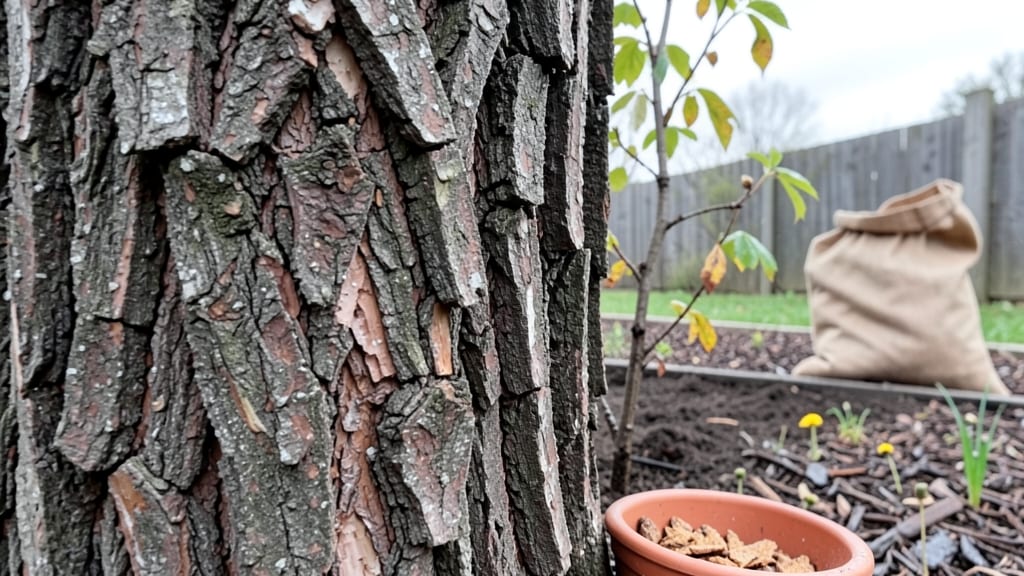
Your pecan tree bark isn't just rough texture—it's a year-round ecosystem that supports wildlife and feeds your soil. 🌿 I've spent years watching how this often-overlooked feature keeps birds nesting, beneficial insects thriving, and nutrients cycling back into the soil beneath.
The secret lies in its natural cracks and crevices, which create microhabitats while also trapping organic matter that slowly enriches the root zone.
Common problems like bacterial leaf scorch or borer damage often start with bark issues, but healthy bark actually prevents many of these problems. The rough, textured surface resists some pests naturally, while proper care ensures it stays strong enough to protect the tree's vital layers.
When you understand how to maintain it—through pruning, watering, and occasional treatments—you're not just fixing damage, you're creating a self-sustaining system that benefits the whole tree.
What you'll discover is how to turn potential weak points into strengths: those deep fissures become wildlife corridors, the rough texture improves air circulation, and the natural exfoliation actually helps the tree shed old layers before they become problems.
The result is a pecan tree that produces better nuts, supports local wildlife, and requires less intervention from you over time.
Whether you're dealing with young trees just developing their bark or mature specimens showing signs of stress, the same principles apply. The key is observing the bark's natural patterns and intervening only when necessary—because in this case, less is often more.
Let's get to the specifics of what makes pecan tree bark work so well for both the tree and your garden ecosystem.
📚 In This Guide
- What you need
- Instructions
- Tips and common mistakes
- Wrapping up and next steps
What you need
- ● Pecan tree bark: At least 5–10 gallons (or ~20–30 lbs) of clean, dry bark (freshly fallen or harvested from mature trees). Avoid bark treated with pesticides!
- ○ Optional: Pre-shredded pecan bark (saves time but costs more).
- ● Protective gear: Gloves (nitrile or leather for durability)
- ● Long sleeves/pants (to avoid scratches or sap irritation)
- ● Safety goggles (if chipping or handling coarse bark)
- ● Tools for processing: Pruning shears or loppers (for harvesting bark from branches)
- ● Handsaw or chainsaw (if cutting larger branches; safety first!)
- ○ Shredder or wood chipper (rent or buy; optional but highly recommended for even mulch)
- ● Heavy-duty tarp or burlap sacks (to collect and store bark)
- ● For wildlife shelters: Sturdy twine or wire (for bundling bark into nests or dens)
- ● Small rocks or bricks (to weigh down larger structures and prevent wind damage)
- ● Enhancements for wildlife: Natural fibers (like pine needles or dried grass) to layer inside shelters
- ● Birdseed or suet (to attract wildlife and encourage nesting)
- ● For composting or soil: Garden compost (to mix with bark for nutrient-rich mulch)
- ● Biochar or worm castings (to boost soil fertility when bark decomposes)
- ● Storage solutions: Wooden pallets or raised bins (to keep bark dry and organized)
- ● Waterproof container (to store bark indoors if needed)
How to use pecan tree bark for wildlife shelters and soil enrichment
This versatile natural material transforms garden spaces into thriving ecosystems—here’s how.
🌿 Step 1: Collect and Prepare the Bark
Gather pecan tree bark from fallen branches or pruned limbs, focusing on pieces 1-3 inches wide and 12-24 inches long. Remove any loose bark or debris by hand—clean bark lasts longer and prevents mold. Store in a dry, shaded area until ready to use; damp bark invites fungal growth and deters wildlife.
For wildlife shelters, select smooth, sturdy bark slabs with natural crevices. These nooks become ideal nesting spots for insects, birds, and small mammals. If using for soil enrichment, break larger pieces into 2-4 inch chunks—smaller fragments decompose faster, releasing nutrients over 1-2 seasons rather than years.
🪴 Step 2: Build Wildlife Shelters with Bark Structures
Arrange 4-6 bark pieces in a pyramid or dome shape, securing them with sturdy twine or wire at the base. Place the shelter in a partially shaded, sheltered spot—under a tree canopy or against a fence—to protect inhabitants from predators and harsh weather. The open sides allow easy entry for pollinators like bees and ladybugs, while the layered design traps heat for overwintering insects.
For ground-dwelling creatures like toads or salamanders, lay flat bark slabs directly on the soil, spacing them 6-12 inches apart. This creates a microhabitat network that mimics natural forest floors. Watch for activity during dawn or dusk—you’ll spot tiny visitors within a week of setup.
☀️ Step 3: Incorporate Bark into Garden Beds for Nutrient Boost
Spread 2-3 inches of pecan bark chunks over garden beds in early spring or fall, just before rainfall. The bark’s high tannin content suppresses weeds while slowly breaking down into organic matter rich in potassium and phosphorus—ideal for fruiting plants like tomatoes or berries. Avoid piling bark directly against plant stems; instead, create a 2-inch border around the base to prevent rot.
Mix half bark with half compost in a 1:1 ratio for raised beds. This combo improves drainage while retaining moisture—critical for drought-prone gardens. Replenish annually, as pecan bark decomposes faster than oak or pine, typically within 12-18 months. You’ll notice darker, fluffier soil and healthier root systems by the following growing season.
⏰ Step 4: Maintain and Refresh Shelters Annually
Inspect bark shelters once a year in late winter, removing any moldy or broken pieces. Replace damaged sections with fresh bark to maintain structural integrity. This annual refresh ensures shelters remain habitable for wildlife and effective for nutrient cycling. Prune nearby branches to prevent shading—6-8 hours of sunlight keeps the interior dry and warm.
For garden beds, rake decomposed bark into the soil in early spring, then top-dress with ½ inch of fresh bark. This two-step process maximizes nutrient release while preventing soil compaction. Over time, you’ll reduce the need for synthetic fertilizers—pecan bark’s slow-release properties feed plants season after season.
Tips & tricks for perfect pecan tree bark applications
Working with pecan tree bark opens up creative possibilities for both wildlife habitats and garden enrichment—but a few strategic approaches make all the difference.
Selection Tip: Look for bark with natural crevices and textures when building shelters—these nooks become crucial microhabitats for pollinators and small creatures. I've noticed that thicker bark pieces (closer to 3 inches) provide better insulation for overwintering insects, while thinner slabs (around 1 inch) work better for ground-dwelling species like toads. The key is matching bark thickness to your specific wildlife targets.
Construction Technique: When creating pyramid shelters in Step 2, use a slightly overlapping arrangement rather than tight stacking. This creates air pockets that regulate temperature and humidity—critical for protecting delicate insect eggs during cold snaps. I've found that securing with natural twine (rather than wire) blends better with the natural environment and prevents accidental harm to small animals.
Timing Secret: The 6-8 hours of sunlight recommendation in Step 4 is actually more flexible than it seems. In hotter climates, you might need to adjust to morning sunlight only (6 hours) to prevent overheating, while cooler regions can extend to full sun. Always monitor the interior temperature by placing a small thermometer inside a shelter for a day—you'll quickly learn what works best for your local climate.
Soil Enrichment Strategy: For garden beds, consider layering your 2-3 inch bark application with a thin layer of leaf litter (about ½ inch) before adding the bark. This mimics natural forest floors and creates an even more hospitable environment for beneficial soil organisms. The leaf litter also helps retain moisture during the bark's initial decomposition phase, giving your plants a smoother transition to the nutrient boost.
Pro Tips for Pecan Tree Bark
- Working with pecan tree bark opens up creative possibilities for both wildlife habitats and garden enrichment—but a few strategic approaches make all the difference.
- Selection Tip: Look for bark with natural crevices and textures when building shelters—these nooks become crucial microhabitats for pollinators and small creatures.
- Construction Technique: When creating pyramid shelters in Step 2, use a slightly overlapping arrangement rather than tight stacking.
Frequently asked questions
Got questions about pecan tree bark?
You’re not alone! Here are answers to the most common queries—whether you’re planting for wildlife, harvesting, or just curious about this versatile resource.
When is the best time to harvest pecan tree bark for wildlife shelters?
The ideal time is late winter or early spring (February–March), when the tree is dormant. This ensures the bark is dry, easy to remove, and free from pests or diseases. Avoid harvesting during wet seasons, as moisture can promote mold or rot in stored bark.
Is it safe to use pecan tree bark directly from the ground?
Not always! Always inspect bark for signs of disease (discoloration, fungi, or unusual spots), pests (holes, sawdust-like frass), or chemical treatments (if the tree was sprayed). Clean bark with a 10% bleach solution (1 part bleach to 9 parts water) before using it for wildlife shelters or mulch.
Can I use pecan tree bark as mulch for other plants?
Pecan bark is an excellent mulch due to its slow decomposition and nutrient-rich properties. It improves soil aeration, retains moisture, and adds organic matter. Just avoid piling it directly against tree trunks to prevent rot. For best results, shred it into smaller chunks (1–2 inches).
What’s a good alternative if I don’t have pecan tree bark?
Consider these substitutes:
- Oak or hickory bark: Similar texture and durability for wildlife shelters.
- Pine or cedar chips: Great for mulching but less long-lasting.
- Hardwood mulch: Works well for gardens but may decompose faster.
How do I store pecan tree bark to prevent pests or decay?
Store bark in a dry, well-ventilated area (like a shed or garage) in stacks no taller than 3 feet. Elevate it off the ground with pallets or wooden slats to deter moisture and pests. For long-term storage, cover it with a tarp to shield from rain. Use within 6–12 months for optimal freshness.
Does pecan tree bark attract termites or other pests?
While pecan bark itself isn’t highly attractive to termites, stored bark can draw moisture-loving pests if conditions are right. To minimize risks:
- Keep bark dry and well-ventilated.
- Avoid storing near woodpiles or damp areas.
- Inspect stored bark periodically for signs of infestation (tiny holes, shed wings, or frass).
Wrapping up and next steps
Pecan tree bark isn’t just a natural wonder—it’s a year-round lifeline for wildlife and a hidden treasure for gardeners! From providing shelter to enriching soil, its benefits are as versatile as they are valuable.
Whether you’re a wildlife enthusiast or a gardening pro, harnessing the power of pecan bark is a simple yet impactful way to support ecosystems and boost your green space.
Ready to take the next step? Start small:
- Collect fallen pecan bark from your yard or local parks.
- Experiment with mulching, composting, or DIY wildlife habitats.
- Share your discoveries with fellow nature lovers!