
Pruning
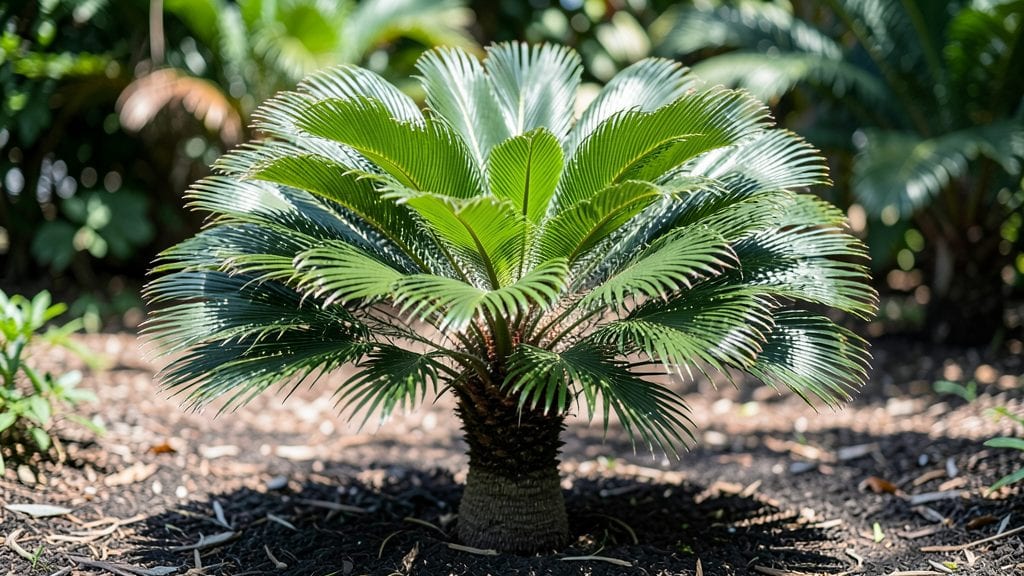
Pruning your ball palm tree (Chamaedorea elegans) keeps it lush and healthy year-round—especially in the Pacific Northwest’s damp climate. ✨ I’ve learned that regular trimming isn’t just about looks; it boosts airflow, prevents pests, and encourages that signature feathery growth.
The key is timing: a little maintenance every few months works better than one aggressive prune.
You’ll need sharp pruning shears, rubbing alcohol (to sterilize cuts), and a dusting of cinnamon or sulfur powder to prevent infection. Ball palms are forgiving, but they respond best to clean cuts just above a leaf node.
Avoid over-pruning—these palms bounce back quickly, but too much stress can stunt growth. Even in low-light indoor spots, they’ll reward you with vibrant fronds if you keep them happy.
After pruning, you’ll notice new shoots emerging within weeks, especially in spring and summer. The leaves stay a rich, glossy green, and the plant’s natural shape becomes more defined. Yellowing fronds? That’s often a sign of overwatering or poor drainage—adjust your routine, and the palm will perk right up.
With the right care, your ball palm can thrive indoors or out, even through our rainy winters.
This method works for both potted palms and those planted in-ground, though container-grown palms need more frequent checks. Start small, and you’ll soon have a palm that’s the envy of every Pacific Northwest garden. Ready to give it a try?
📚 In This Guide
- What you need
- Instructions
- Tips and common mistakes
- Wrapping up and next steps
What you need
- ● Pruning shears: Bypass pruners (sharp, 4- to 6-inch blades) for clean cuts on smaller fronds.
- ● Loppers: 20- to 24-inch for thicker stems (if your palm has mature fronds).
- ○ Pruning saw: Handheld or folding (for stubborn, woody stalks—optional but handy for older trees).
- ● Disposable gloves: Heavy-duty (nitrile or leather) to protect from sap and sharp edges.
- ● Ladder or lift: Sturdy extension ladder (20+ ft) or cherry picker (for trees over 15 ft tall).
- ● Heavy-duty trash bags: 30+ gallon for debris (PNW winds = flying fronds! 🌪️).
- ● Rubbing alcohol (70%+) or bleach solution: 1 part bleach to 10 parts water to sterilize tools between cuts.
- ● Hose or bucket of water: For rinsing tools and cleaning sap off blades.
- ● Pruning sealant: Tree wound paint (controversial but useful for large cuts >2 inches in diameter).
- ● Safety goggles: To shield from debris (especially if your tree is near power lines).
- ● Long-sleeve shirt/pants: Protects from sap burns and scratches.
- ● Weighted pruning bag: For heavy fronds (easier cleanup than bags!).
- ● Camera or phone: Snap before/after pics to track growth progress!
Instructions for pruning ball palm trees in the Pacific Northwest
Here's how to keep your palm thriving year-round with minimal stress and maximum beauty.
☀️ Step 1: Time Your Pruning for Optimal Growth
Spring is the best time to prune ball palms in the Pacific Northwest, ideally between late March and early May when new growth begins. This timing gives your palm plenty of time to recover before winter dormancy. You'll notice fresh, bright green fronds emerging—wait until at least one-third of the fronds have unfurled before pruning.
If you missed spring, you can do light maintenance pruning in early fall (September-October) to remove only dead or damaged fronds. Avoid pruning in winter—your palm needs all its energy to survive the cooler, wetter months. I always check the weather forecast before pruning; windy days can make handling large fronds tricky.
✂️ Step 2: Remove Only Dead or Damaged Fronds
Ball palms are slow to recover, so never remove more than one-third of the fronds at once. Start by identifying dead fronds—they'll be brown, brittle, and hanging limp. Use clean, sharp pruning shears to cut the frond 1-2 inches above the point where it meets the trunk. This prevents water from pooling and causing rot.
For damaged fronds, look for signs of yellowing, tears, or pest damage. Cut these back to healthy green tissue. I always wear gloves when pruning—palm fronds can be sharp, and sap can irritate skin. If you see any signs of disease (like black spots or mold), remove those fronds immediately and disinfect your tools with rubbing alcohol.
🌿 Step 3: Thin Out Crowded Fronds for Better Airflow
Ball palms naturally grow in a rounded shape, but over time, fronds can become too dense. Thin out older, inner fronds that are blocking light and airflow from reaching the center of the plant. These fronds will be darker green, less flexible, and may have dry tips. Use your pruners to cut them at the base, just above the trunk.
Thinning improves airflow, which reduces the risk of fungal diseases like bud rot—a common issue in the Pacific Northwest's damp climate. You'll know you've done enough when you can see light filtering through the center of the palm. This step also encourages new, healthier fronds to grow in the open spaces you've created.
🪴 Step 4: Clean Up and Protect the Trunk
After pruning, remove all debris from the base of the palm and surrounding area. Leaving old fronds or clippings can attract pests or fungal growth. I like to use a small broom to sweep up any fallen fronds and dispose of them in the trash—not the compost, as palm fronds take forever to break down.
Inspect the trunk for any cracks, holes, or signs of pest activity. If you see palm weevil borer holes (small, irregular holes with sawdust-like frass), treat the area with a systemic insecticide or contact a local arborist. A healthy trunk is your palm's foundation—keep it clean and protected to ensure long-term growth.
⏰ Step 5: Monitor and Maintain Year-Round
After pruning, water your palm deeply once a week (more if it's particularly hot or dry). Ball palms are drought-tolerant once established, but they still need consistent moisture to recover from pruning. You'll know it's time to water again when the top 2 inches of soil feel dry to the touch.
Fertilize lightly in early spring with a balanced palm fertilizer (like 8-2-12) to support new growth. Avoid heavy fertilizing after pruning—your palm needs time to recover before putting energy into new fronds. Keep an eye out for new fronds emerging—this is your sign that the pruning was successful and your palm is thriving.
Tips & tricks for perfect ball palm tree pruning
A few key strategies will help you avoid common mistakes and keep your Pacific Northwest ball palm looking its best year after year.
Timing is Everything: The ideal spring window between late March and early May gives your palm time to recover before winter. In the Pacific Northwest's damp climate, this timing prevents stress during the rainy season. If you missed spring, fall maintenance is better than nothing—but avoid winter pruning entirely, even if fronds look messy. Your palm's energy is focused on survival during cooler months, and winter cuts won't heal properly.
Visual Cues Matter More Than Rules: When deciding which fronds to remove in Step 2, trust your eyes more than the calendar. Look for fronds that are completely brown and brittle (dead) versus those with any green tissue (damaged but salvageable). The "one-third rule" is a guideline, not a law—if your palm has 10 fronds and only 2 are truly dead, removing just those two is perfectly fine. Healthy palms can handle less aggressive pruning.
Safety First: Always wear gloves when handling palm fronds—they're sharper than they look, and the sap can irritate skin. I've learned this the hard way after getting small but painful cuts that took days to heal. For Step 4, invest in a small broom and heavy-duty trash bags for cleanup. Palm debris attracts pests like termites and fungus gnats, so thorough cleanup is non-negotiable in our wet climate. A 10-minute cleanup prevents months of potential problems.
Pacific Northwest-Specific Considerations: Our region's damp summers create perfect conditions for bud rot, so pay extra attention to airflow in Step 3. If you notice black spots or mold developing on fronds after pruning, act immediately by removing affected fronds and treating with a copper fungicide. The key is creating that light-filtering center—this simple visual cue tells you when you've done enough thinning for our humid climate.
Pro Tips for Ball Palm Tree
- A few key strategies will help you avoid common mistakes and keep your Pacific Northwest ball palm looking its best year after year.
- Timing is Everything: The ideal spring window between late March and early May gives your palm time to recover before winter.
- Visual Cues Matter More Than Rules: When deciding which fronds to remove in Step 2, trust your eyes more than the calendar.
Frequently asked questions
Got questions about keeping your ball palm tree thriving in the Pacific Northwest’s unique climate? Here are answers to the most common concerns—so you can prune with confidence year-round!
When is the best time to prune a ball palm tree in the PNW?
The ideal time is late winter or early spring (February–March) when new growth begins. However, light pruning can happen year-round to remove dead fronds or safety hazards. Avoid heavy pruning in fall—it stresses the tree before winter dormancy.
How do I prune a ball palm tree safely without harming it?
Use sterilized pruners or a handsaw to cut fronds at the base (where they meet the trunk). Never leave stubs—clean cuts prevent disease. For large fronds, wear gloves and consider a pole saw for safety. Always prune outward from the trunk to avoid damaging the growing point.
Can ball palm trees survive PNW’s wet winters?
Yes! Ball palms tolerate mild winters but may need protection from heavy rain or wind. Prune lightly in winter to improve airflow, and stake young trees if needed. Avoid pruning during frost—wait until temperatures stabilize above 40°F (4°C).
What should I do if my ball palm tree isn’t growing after pruning?
Slow growth could signal nutrient deficiency, over-pruning, or poor drainage. Test soil pH (ideal: 6.1–7.5) and fertilize with a palm-specific slow-release fertilizer in spring. Ensure it gets 6+ hours of sunlight daily. If fronds yellow, check for root rot or pests.
Are there alternatives to pruning for maintaining a ball palm tree?
While pruning is essential for health, you can supplement with regular cleaning—remove debris around the base to prevent fungal growth. Mulch lightly (2–3 inches) to retain moisture, but keep it away from the trunk. For aesthetic shaping, focus on selective frond removal rather than drastic cuts.
Wrapping up and next steps
Pruning your ball palm tree in the Pacific Northwest doesn’t have to be a seasonal chore—with the right tools, timing, and techniques, you can keep it thriving year-round! 🌿 From removing dead fronds to fostering new growth, this blueprint ensures your tree stays healthy, lush, and resilient against the region’s unique climate.
Whether you’re a pruning pro or just starting, consistency is key.
Ready to take the next step? Grab your tools, schedule a quick check-in with your tree every few months, and watch it flourish! Your ball palm will thank you with vibrant, year-round beauty. 🌟