
Shrubs
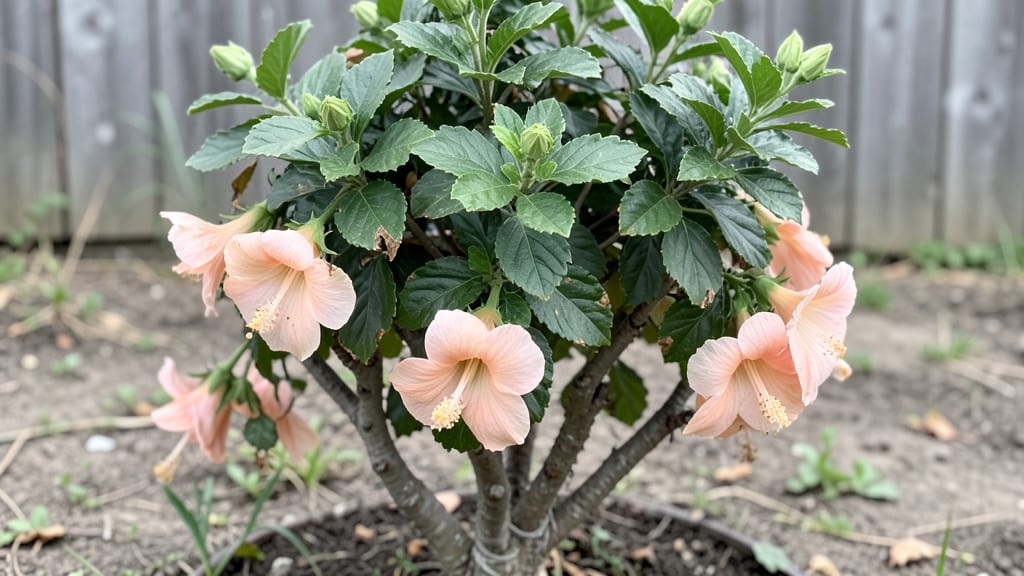
The peach hibiscus tree brings bold, velvety blooms to Pacific Northwest gardens where frost threatens most tropical plants. 🌸 I’ve grown mine for five years—through winters with 20-degree nights—and these trees just keep coming back, their peach-colored flowers lighting up summer like a sunset.
The secret isn’t fancy; it’s knowing exactly when to prune, how much sun they crave, and the one soil trick that keeps roots happy.
You’ll need a spot with at least six hours of sun daily, well-draining soil (amend with compost if yours is heavy clay), and a little winter protection—think mulch and a frost cloth for young trees.
Watering’s simple: deep soaks once a week during dry spells, less in winter. The biggest mistake? Over-pruning in fall. I learned that the hard way when my first tree lost half its blooms the next season.
By midsummer, your tree will be covered in 3-inch blooms that hummingbirds adore, and the foliage stays lush until first frost. Even in Zone 8, with the right care, these trees reward you with years of drama—no replanting needed.
The payoff? A garden centerpiece that outshines most annuals and lives longer than perennials.
Works in containers too (choose a 15-gallon pot for young trees), and thrives alongside other frost-tolerant shrubs like abelia or butterfly bush. Here’s how to keep yours blooming reliably year after year—no green thumb required.
📚 In This Guide
- What you need
- Instructions
- Tips and common mistakes
- Wrapping up and next steps
What you need
- ● Peach hibiscus tree: 1 young sapling (3–5 ft tall, Hibiscus moscheutos ‘Peach’ cultivar) from a reputable nursery (e.g., Proven Winners, local PNW growers).
- ● OR Seeds (if starting from scratch—germination can take 30–60 days!).
- ● Planting site: Full sun (6+ hours/day) in well-draining soil (amend clay soil with compost or sand if needed).
- ● Space: 6–8 ft wide × 6–8 ft tall (account for mature size).
- ○ Digging: Garden trowel, shovel, and gloves (optional but recommended!).
- ● Soil prep: 5–10 lbs organic compost or peat moss (for moisture retention).
- ● 1 cup slow-release fertilizer (10-10-10 or rose & shrub blend).
- ● Support: 3–4 stakes (2–3 ft tall) + twine (for young trees in windy PNW areas).
- ● Watering: Hose with adjustable nozzle or drip irrigation kit (for deep watering).
- ● Mulch: 2–3 inches of wood chips or pine straw (to retain moisture and suppress weeds).
- ● Pruners: Bypass pruners (for shaping in late winter/early spring).
- ● Frost cloth: Lightweight frost protection fabric (for young trees in Zone 7–8 winters).
- ● Epsom salt: 1 tbsp dissolved in water (monthly magnesium boost for vibrant blooms!).
Step-by-Step guide to planting and caring for peach hibiscus trees
Here's how to bring this stunning, cold-hardy tree to life in your Pacific Northwest garden.
🌱 Step 1: Choose the Perfect Planting Spot
Peach hibiscus thrives in full sun—at least 6-8 hours daily—so pick a location with southern or western exposure. In the PNW's cooler climate, it tolerates partial shade, but fewer blooms will result. I always test the spot by observing how much sunlight it gets over a few days before planting.
This tree handles our region's mild winters beautifully but needs shelter from harsh winds. A spot near your home or fence provides natural protection. The soil should drain well—peach hibiscus hates soggy roots. If your yard has heavy clay, amend with 3-4 inches of compost mixed into the top 12 inches of soil.
🪴 Step 2: Plant at the Right Depth and Spacing
Dig a hole twice as wide as the root ball but only as deep—peach hibiscus dislikes being buried too deeply. Gently remove the plant from its container and loosen any circling roots with your fingers. This helps them establish better in your native soil.
Place the tree in the hole so the top of the root ball sits 1 inch above ground level. Backfill with native soil mixed with a handful of slow-release fertilizer (like 10-10-10) to give it a nutrient boost. Space multiple trees 10-15 feet apart—they'll grow 8-12 feet tall and wide over time.
💧 Step 3: Water Deeply and Mulch Properly
After planting, water deeply until the soil is 6 inches moist—you should see water pooling at the edges of the hole. This encourages roots to spread outward. In the PNW's damp climate, we don't need to water often, but young trees need 1 inch of water per week during their first growing season.
Spread 2-3 inches of mulch (like wood chips or bark) over the root zone, keeping it 3 inches away from the trunk. This conserves moisture, regulates soil temperature, and prevents weeds. Replenish mulch annually—it breaks down faster than you'd think!
☀️ Step 4: Prune for Shape and Health
Prune in late winter or early spring before new growth begins. Remove any dead, diseased, or crossing branches first. Then shape the tree by cutting back one-third of the previous year's growth to encourage bushier growth. Peach hibiscus blooms on new wood, so don't be afraid to prune aggressively—it rewards you with more flowers.
Use clean, sharp pruners to make cuts just above a leaf node. Avoid leaving stubs—this prevents disease. In the PNW, you might see some winter damage, but this tree is tough. Just prune out any blackened branches and give it time to recover.
⏰ Step 5: Feed and Protect Through the Seasons
Feed with balanced fertilizer (like 10-10-10) in early spring and again after flowering. In the PNW, we don't need to fertilize heavily—this tree isn't a heavy feeder. A light application is enough to keep it thriving.
Watch for aphids or spider mites—they sometimes target peach hibiscus. Spray with neem oil if you see sticky residue on leaves or tiny webs. This tree is generally pest-resistant, but early intervention prevents bigger problems. Enjoy your stunning blooms all summer long!
Tips & tricks for perfect peach hibiscus tree planting
Here's what I've learned from years of growing these stunning trees in the Pacific Northwest—simple tricks that make all the difference.
Sunlight Secret: In Step 1, when choosing your spot, remember that peach hibiscus needs those 6-8 hours of full sun to really shine. If your yard doesn't get that much direct sunlight, consider planting near a south-facing wall or fence that reflects light. I've seen trees in partial shade still bloom, but they'll be more sporadic and less vibrant. Trust me—this is where the magic happens for those gorgeous peach-colored flowers!
Root Ball Rescue: For Step 2, here's a pro move: Before planting, soak the root ball in water for 10-15 minutes to hydrate the roots. This helps them establish faster in your native soil. Also, if you notice any circling roots when you remove the plant, gently tease them apart with your fingers—this prevents girdling as the tree grows. I've seen so many plants struggle because of this simple oversight!
Watering Wisdom: In Step 3, that 6 inches of moisture is crucial after planting. Here's a trick: After watering, stick your finger about 2 inches into the soil. If it feels dry, water again. The PNW's damp climate means we don't need to water often, but those first few weeks are critical for root establishment. Once established, your tree will be more drought-tolerant, but young trees need that consistent moisture.
Pruning Payoff: When you're shaping your tree in Step 4, focus on removing those crossing branches first—they compete for sunlight and nutrients. I like to make my cuts just above a leaf node where new growth will emerge. And here's a bonus tip: Save those pruned branches! You can propagate new peach hibiscus plants from healthy cuttings if you want to expand your garden. It's like getting free plants!
Pro Tips for Peach Hibiscus Tree
- Here's what I've learned from years of growing these stunning trees in the Pacific Northwest—simple tricks that make all the difference.
- Sunlight Secret: In Step 1, when choosing your spot, remember that peach hibiscus needs those 6-8 hours of full sun to really shine.
- Root Ball Rescue: For Step 2, here's a pro move: Before planting, soak the root ball in water for 10-15 minutes to hydrate the roots.
Frequently asked questions
Got questions about growing and caring for your peach hibiscus tree? Here are some of the most common ones—plus expert answers to help you keep your plant thriving in the Pacific Northwest’s unique climate!
How cold can a peach hibiscus tree tolerate?
The Hibiscus moscheutos (peach hibiscus) is one of the hardiest hibiscus varieties, handling temperatures down to 15–20°F (-9 to -7°C). However, young plants or newly planted trees may need winter protection, like mulch or burlap wraps, until established. In the PNW’s wet winters, ensure good drainage to prevent root rot!
When is the best time to plant a peach hibiscus tree?
Plant your peach hibiscus in early spring or early fall when soil temperatures are mild (50–70°F or 10–21°C). Avoid extreme heat or frost, as these can stress the plant. In the PNW, spring planting (March–April) is ideal—just give it time to root before summer’s heat arrives!
Does a peach hibiscus need full sun, or can it handle partial shade?
While peach hibiscus loves full sun (6+ hours daily) for vibrant blooms, it can tolerate partial shade (4–6 hours), especially in hotter PNW summers. In shadier spots, expect fewer flowers but lush foliage. If growing near the coast, morning sun + afternoon shade helps prevent leaf scorch.
What pests or diseases should I watch for with peach hibiscus?
Common issues include:
- Aphids: Use a strong spray of water or insecticidal soap.
- Japanese beetles: Handpick or use neem oil.
- Powdery mildew (from humidity): Improve airflow and avoid overhead watering.
- Root rot (from soggy soil): Ensure well-draining soil and mulch properly.
In the PNW’s damp climate, prune for airflow to keep your tree healthy!
Can I grow a peach hibiscus in a container?
Yes! Choose a large pot (at least 18–24 inches wide) with drainage holes. Use a well-draining potting mix and fertilize regularly. However, container-grown peach hibiscus may need winter protection (move indoors or wrap the pot) if temps drop below 20°F (-7°C). Not ideal for long-term container life, but great for patios!
Wrapping up and next steps
The peach hibiscus tree is a stunning, frost-resistant gem for the Pacific Northwest, offering vibrant blooms and easy care. Whether you're a seasoned gardener or a beginner, this resilient plant brings beauty and charm to any landscape—plus, it thrives in cooler climates! 🌸
Ready to bring home your own? Start by choosing a sunny spot, gathering your supplies, and planting with confidence. Your garden (and pollinators!) will thank you.