
Pruning
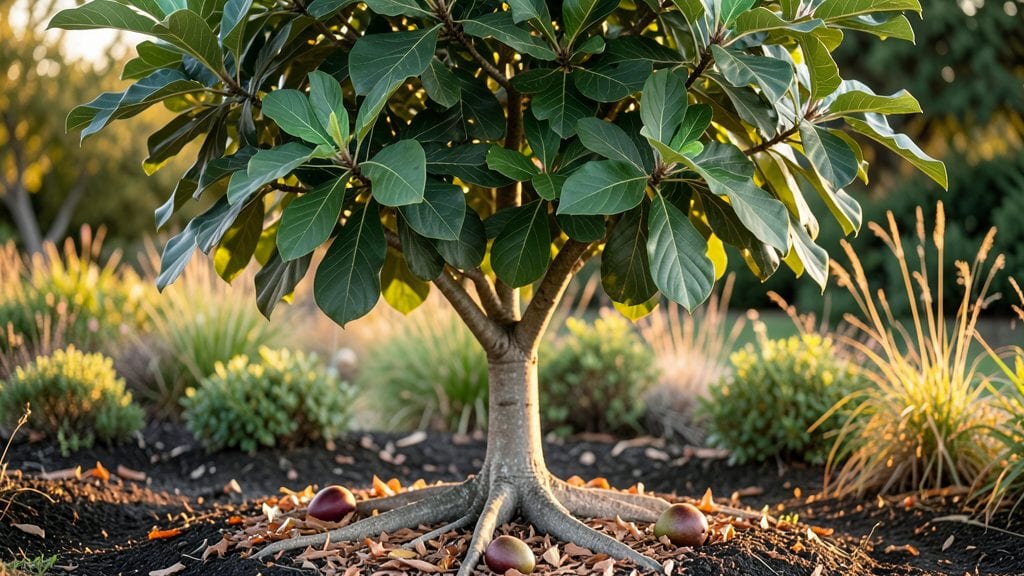
Pawpaw trees thrive in the Pacific Northwest’s cool climate, but their care starts with the right pruning strategy—one that balances fruit production with winter hardiness. 🌿 I’ve learned the hard way that aggressive pruning too early can stunt growth, while neglecting it leads to crowded branches that struggle in heavy rain.
The key is timing: late winter, when the tree is dormant but before new buds swell, gives you the cleanest slate for shaping.
You’ll need basic tools—a sharp pruning saw for thick branches, loppers for medium stems, and clean pruning shears for fine cuts. Focus on removing dead, diseased, or crossing branches first, then thin out the canopy to improve airflow.
Pawpaws respond well to open growth, so aim for a vase-like shape that lets sunlight reach all fruit clusters. This single step can double your harvest in just two seasons.
What you’ll end up with is a tree that produces those custard-like fruits reliably year after year, with fewer pests and stronger structure. The fruit ripens in late summer, when most gardeners are already tired of harvesting—so you’ll have fresh pawpaws when everyone else is done.
Plus, the tree’s glossy leaves stay vibrant even through our damp winters, making it a standout in any yard.
Works equally well in home gardens and larger landscapes, though young trees need protection from strong winds. Start with these basics, and you’ll have a pawpaw that outlasts most fruit trees in our climate—with minimal fuss. Let’s get those branches in shape!
📚 In This Guide
- What you need
- Instructions
- Tips and common mistakes
- Wrapping up and next steps
What you need
- ● Pruning shears: Bypass pruners (sharp, clean, and capable of cutting up to ½-inch branches). Example: Felco F-2 or Corona Tools.
- ● Loppers: Heavy-duty loppers (for branches ½-inch to 2-inch in diameter). Example: Fiskars X27 or Bahco.
- ● Pruning saw: Curved-tooth pruning saw (for branches 2+ inches thick). Example: Fiskars X7 or Corona CS-9.
- ● Gloves: Heavy-duty gardening gloves (cut-resistant, like Mechanix Wear or Dr. McGill’s).
- ● Disinfectant: 70% isopropyl alcohol or pruning sealant (to prevent disease spread).
- ○ Ladder (optional but helpful): Sturdy, extendable ladder (if tree exceeds 8 feet tall).
- ● Safety gear: Long sleeves/pants, closed-toe shoes, and safety glasses.
- ● Tree wound dressing (for larger cuts—controversial but some swear by it!).
- ● Marking spray (to tag branches for removal before cutting).
- ● Wheelbarrow or bucket (for hauling debris).
- ● Hand sanitizer (for post-pruning clean-up).
Step-by-Step instructions for pruning your cold-hardy pawpaw tree
Here's the seasonal pruning method I've used for years to keep my Pacific Northwest pawpaws thriving.
✂️ Step 1: Prune in Late Winter Before Bud Break
Time your pruning for late February or early March when the tree is still dormant but before buds swell. This timing prevents disease entry points and gives the tree time to heal before spring growth. I always prune on a dry day—wet conditions spread fungal spores through fresh cuts.
Start by removing any dead, diseased, or crossing branches first. Use sharp pruning shears to make clean cuts just outside the branch collar (that swollen area where the branch meets the trunk). Never leave stubs—they invite rot. For larger branches over ½ inch thick, use loppers and seal the cuts with pruning paint to prevent borer infestations.
🌿 Step 2: Thin the Canopy for Better Airflow
Pawpaws need good airflow to prevent fungal diseases like anthracnose. Look for branches that rub against each other or grow inward toward the center. These should come out entirely—don't just trim them back. I aim to open up the canopy so light reaches the inner branches, which is where most fruit develops.
Remove about 20-30% of the total branches during this thinning process. You'll see stronger growth in remaining branches as they get more sunlight. Watch for water sprouts (fast-growing vertical shoots) and remove them immediately—they drain energy from fruit production.
☀️ Step 3: Shape for Maximum Sun Exposure
Pawpaw trees produce fruit on new wood, so you want to encourage outward growth. Step back and visualize the tree's structure—aim for a vase shape with a wide base that narrows slightly toward the top. Remove any branches growing straight upward (these create dense shade) and those growing directly downward (they block light from lower branches).
Make your cuts at a 45-degree angle just above an outward-facing bud. You'll see new shoots emerge from these buds within 4-6 weeks of spring growth. This creates a more open, productive framework. Avoid heavy pruning in the first few years—let young trees establish their structure before aggressive shaping.
⏰ Step 4: Summer Maintenance Pruning
After the initial spring flush, do a light maintenance pass in late June or early July. Remove any suckers that appear at the base of the tree—these compete with the main trunk for nutrients. Also check for branches that have died back from winter frost and prune them out completely.
Look for any branches with signs of disease (yellowing leaves, oozing cankers) and remove them immediately. Sterilize your pruners with rubbing alcohol between cuts to prevent spreading pathogens. Pawpaws are sensitive to over-pruning in summer, so only remove what's clearly damaged or problematic—never more than 10% of the canopy at this time.
✂️ Step 5: Clean Up and Prepare for Winter
In November, do a final cleanup pass to remove all fallen leaves and debris from around the tree. Pawpaw trees are particularly prone to fungal issues if organic matter builds up against the trunk. I rake out a 3-foot radius around the base and dispose of any diseased material in the trash (not compost).
Apply a 2-3 inch layer of mulch around the base, keeping it 6 inches away from the trunk to prevent rot. This protects roots from winter temperature swings. Your tree should now have an open, well-ventilated structure ready to produce next year's fruit—watch for those distinctive maroon flower clusters in early spring!
Tips & tricks for perfect cold-hardy pawpaw pruning
These pro tips will help you master pawpaw pruning like a seasoned Pacific Northwest gardener—no more guesswork!
Timing is Everything: If you miss the late February to early March window in Step 1, don't panic! You can still prune through March, but avoid pruning after buds begin to swell. I've learned this the hard way—pruning too late can stress the tree when it's already gearing up for spring growth. Watch for those first signs of bud swelling and stop pruning immediately.
Tool Prep Prevents Problems: Before you start, clean and sharpen your pruning tools with rubbing alcohol. I sterilize my shears between each cut, especially when dealing with diseased branches in Step 4. This prevents cross-contamination that could spread fungal diseases like anthracnose. For larger branches, I keep a bottle of pruning paint handy to seal cuts immediately after making them—this simple step can save your tree from borer infestations.
Visualizing the Vase Shape: When shaping in Step 3, step back and squint at your tree—this helps you see the overall structure more clearly. Aim for that classic vase shape where the lower branches spread wide while the upper branches taper slightly. Think of it like an upside-down cone: wide at the bottom, narrower at the top. This shape maximizes sunlight exposure and airflow, which is crucial for fruit production in pawpaws.
Mulch Matters: Don't skip the 2-3 inch mulch layer in Step 5! I've seen trees with mulch piled right against the trunk develop rot—always keep that 6-inch clearance. Use organic mulch like wood chips or straw, and refresh it annually. This insulating layer protects roots from our Pacific Northwest's cold winter snaps and keeps soil moisture consistent throughout the growing season.
Pro Tips for Pawpaw Tree Care
- These pro tips will help you master pawpaw pruning like a seasoned Pacific Northwest gardener—no more guesswork!
- Timing is Everything: If you miss the late February to early March window in Step 1, don't panic!
- Tool Prep Prevents Problems: Before you start, clean and sharpen your pruning tools with rubbing alcohol.
Frequently asked questions
Got questions about keeping your pawpaw tree thriving in the Pacific Northwest? Here are answers to the most common ones—so you can prune with confidence and enjoy those sweet fruits!
How do I know when to prune my pawpaw tree?
Prune your pawpaw tree in late winter or early spring (before buds swell) to avoid stressing the tree. This timing promotes healthy growth and fruit production. Avoid pruning in fall, as it can encourage disease. For established trees, light pruning can also happen in summer after fruiting to shape the canopy.
Can pawpaws survive PNW winters without extra care?
Yes! Pawpaws are cold-hardy and thrive in the PNW’s USDA Zones 5–9. However, young trees may need mulch (3–4 inches of wood chips or straw) to protect roots from freeze-thaw cycles. Avoid heavy mulching around the trunk to prevent rot.
What’s the best way to prune dead or diseased branches?
Use clean, sharp pruners to cut dead/diseased branches 1/4 inch above a healthy bud or branch collar. Sterilize tools with rubbing alcohol between cuts to prevent spreading disease. Remove no more than 25% of the canopy in one season to avoid stressing the tree.
Why aren’t my pawpaw fruits ripening properly?
Fruits may struggle due to poor pollination (pawpaws need cross-pollination), shady conditions, or nutrient deficiencies. Plant a second pawpaw tree nearby (10–20 ft away) for pollination. Ensure full sun (6+ hours/day) and fertilize in early spring with balanced 10-10-10 or compost.
Are there alternatives to pawpaws for PNW gardens?
If pawpaws seem tricky, try persimmons (cold-hardy, drought-tolerant) or serviceberries (edible, wildlife-friendly). For fruit trees, apples or pears (PNW favorites) are easier to manage but require more pruning. Pawpaws win for unique flavor and low-maintenance growth!
Wrapping up and next steps
Caring for your pawpaw tree in the Pacific Northwest doesn’t have to be intimidating—with the right pruning techniques, you’ll nurture a thriving fruit-bearing giant that rewards you for years to come. 🌿 From removing dead branches to encouraging airflow, each step keeps your tree healthy and productive.
Now that you’re armed with the knowledge, grab those pruners and give your pawpaw tree the TLC it deserves—your future harvests will thank you!
Ready to take action? Start by scheduling your next pruning session in early spring or late winter, and watch your tree flourish! 🌱