Pruning
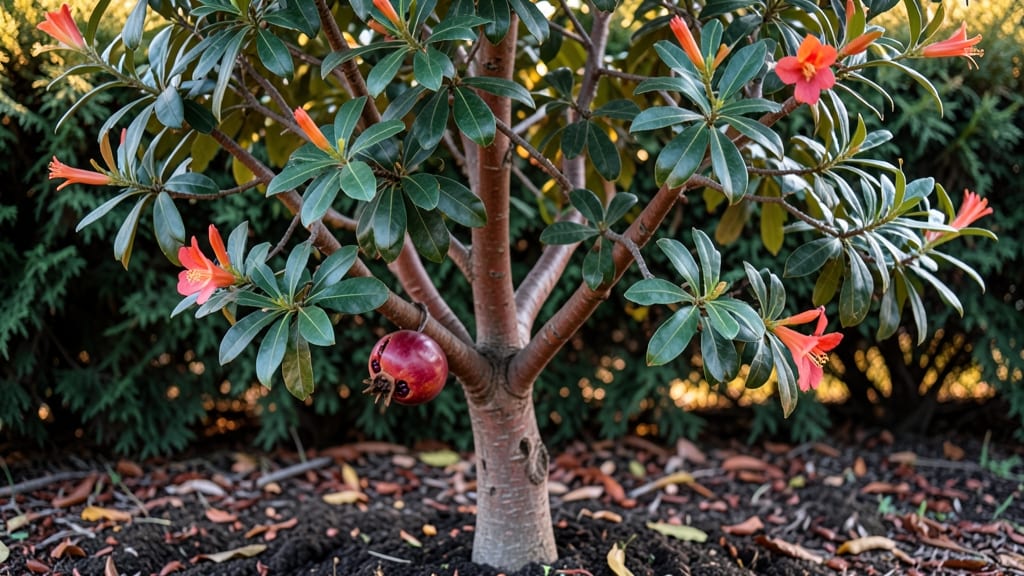
This wonderful pomegranate tree is the Pacific Northwest’s best-kept secret for year-round drama—its fiery blooms and jewel-toned fruit shine brightest when shaped just right. 🌿 I’ve pruned these striking trees for years, and the key to their cold-hardy beauty lies in shaping them for maximum impact—whether as a bold focal point or a container star.
The right cuts transform their natural sprawl into sculptural forms that glow from spring’s pink blossoms to winter’s architectural branches.
What makes them wonderful isn’t just the fruit—it’s how they perform in our climate. With the right pruning, they thrive through Zone 7 winters, their glossy leaves turning fiery before dropping, and their branches becoming winter interest.
Pair them with lavender for contrast or place them near a patio where you can admire their 3-inch-wide blooms up close. The pruning itself takes just 20 minutes twice a year, and the payoff is a tree that outshines any ornamental.
You’ll end up with a tree that’s equal parts productive and pretty—imagine crunchy, ruby-red arils spilling from the fruit while the branches arch gracefully overhead. The pruning blueprint I’ll share keeps them compact enough for small yards but dramatic enough to anchor a mixed border.
Plus, their drought tolerance means less watering once established. This is the kind of tree that makes neighbors stop and ask, “What is that gorgeous thing?”
Works equally well in the ground or in large containers, making them perfect for urban gardens or mixed borders. The secret? Prune for shape in early spring and lighten up in late summer to encourage new growth.
Let’s get those shears out and make your pomegranate the star of the show!
📚 In This Guide
- What you need
- Instructions
- Tips and common mistakes
- Wrapping up and next steps
What you need
- ● Pruning shears: Bypass pruners (sharp, clean, and sterilized with rubbing alcohol or bleach to prevent disease). Quantity: 1 pair.
- ● Loppers: For thicker branches (up to 2 inches in diameter). Quantity: 1 pair.
- ● Hand saw: For stubborn, larger branches (if needed). Quantity: 1.
- ● Gloves: Heavy-duty gardening gloves (to protect from thorns and sap). Quantity: 1 pair.
- ● Disinfectant: 70% isopropyl alcohol or 10% bleach solution (for sanitizing tools between cuts). Quantity: Small spray bottle or container.
- ○ Pruning sealant: Optional but helpful for sealing larger cuts (e.g., tree wound paint). Quantity: Small tube.
- ● Bucket or bag: For collecting pruned branches (to dispose of or compost). Quantity: 1-2.
- ● Ladder (if needed): Sturdy step ladder or extension pole for high branches. Quantity: 1 (if tree exceeds 6 feet).
- ● Sharpener: For keeping pruning tools razor-sharp (e.g., file or electric sharpener).
- ● Safety glasses: To shield eyes from debris.
- ● Work apron: With pockets for storing small tools and gloves.
- ● Hose or spray bottle: For rinsing tools post-pruning.
- ● Notebook & pencil: To jot down notes on pruning cuts or tree health observations.
Instructions: pruning Pacific Northwest pomegranate trees for cold resilience
Here's how to sculpt your tree for winter survival while maximizing fruit production—my battle-tested PNW method.
✂️ Step 1: Time Your Pruning for Winter Dormancy
Prune late winter to early spring, just as buds begin to swell but before new growth starts. In the Pacific Northwest, this typically falls between February and March when average temperatures hover around 40-50°F. Pruning too early risks exposing tender wood to late frosts, while waiting too long encourages vigorous growth that won't harden off properly before winter.
I always check the weather forecast first—avoid pruning if a 20°F or below freeze is predicted within 48 hours. Cold-hardy pomegranate varieties like 'Russian Red' or 'Wonderful' can handle our winters, but fresh cuts need time to callus over before the real cold hits. Watch for bud break (when buds swell and turn slightly green) as your signal to act.
✂️ Step 2: Remove Dead, Diseased, and Crossing Branches
Start by eliminating dead wood—branches that are completely brown, brittle, and snap easily when bent. Next, cut out any branches showing signs of disease (blackened cankers, oozing sap, or fungal growth). In the Pacific Northwest's damp winters, fungal infections like powdery mildew can linger, so aggressive removal is key to next year's health.
Look for branches that cross or rub against each other—they'll create wounds where pathogens can enter. I make these cuts at a 45-degree angle, about ¼ inch above an outward-facing bud. This ensures water runs off the cut and new growth emerges away from the trunk. Sterilize your pruners between cuts with 70% isopropyl alcohol to prevent spreading disease.
☀️ Step 3: Open the Canopy for Sunlight and Airflow
Pacific Northwest winters bring heavy cloud cover and damp conditions, so proper airflow is critical. Thin the canopy to let at least 50% sunlight reach the center of the tree. Remove branches that grow inward or downward—they'll create dense shade where fruit rots and pests hide. Aim for an open, vase-like shape that catches sunlight from all directions.
I target branches that are thinner than a pencil for removal, as they rarely produce quality fruit and compete with stronger growth. Leave 3-5 main scaffold branches evenly spaced around the trunk, cutting back any that grow at angles sharper than 45 degrees from the trunk. This structure prevents snow accumulation that can break limbs in our heavy winter storms.
⏰ Step 4: Rejuvenate Older Wood with Strategic Cuts
Pomegranate trees produce fruit on current season's growth, so stimulating new shoots is essential. For trees over 5 years old, make 2-3 rejuvenation cuts on the oldest branches—selective cuts that remove ⅓ to ½ of the branch length just above a healthy bud. This encourages vigorous regrowth that will bear fruit next season.
I always prune back to lateral buds (side buds) rather than terminal buds (end buds) to promote bushier growth. In the Pacific Northwest, where winters can be unpredictable, this approach ensures you'll have a mix of old wood (for fruit production) and new wood (for next year's crop). After pruning, apply a 1-inch layer of wood chips around the base to insulate roots from temperature swings.
🌱 Step 5: Post-Pruning Care for Winter Resilience
After finishing your cuts, give the tree a deep watering to help it recover from the stress. In our region, where winters bring 40-50% less sunlight than summer, proper hydration is crucial for spring recovery. Avoid heavy fertilizing immediately after pruning—wait until late spring when new growth appears.
I like to wrap the trunk of young trees with tree guard to protect against rodent gnawing (our PNW winters attract hungry deer and squirrels). For established trees, a 3-inch layer of mulch spread in a donut shape around the drip line helps regulate soil temperature. This simple step can mean the difference between a tree that struggles through winter and one that thrives despite our challenging climate.
Tips & tricks for perfectly pruning Pacific Northwest pomegranate trees
These battle-tested secrets will help you transform your pomegranate tree into a cold-hardy powerhouse that thrives in our challenging PNW winters.
Timing is Everything: The February to March window is non-negotiable for PNW trees—this is when 'Wonderful' pomegranates enter dormancy but haven't yet started vigorous growth. I've learned the hard way that pruning too early exposes tender wood to late frosts (remember that 20°F or below freeze warning?), while waiting too long risks encouraging growth that won't harden off properly. Watch for those buds to swell slightly and turn green—your cue to grab those pruners!
Disease Prevention: Our damp winters create perfect conditions for fungal infections like powdery mildew, so sterilizing your pruners between cuts with 70% isopropyl alcohol is absolutely critical. I keep a small spray bottle handy for quick disinfection. Also, make those cuts at a 45-degree angle about ¼ inch above outward-facing buds—this simple technique ensures water runs off the cut and promotes healthy regrowth away from the trunk.
Canopy Architecture: Aim for that open, vase-like shape to maximize sunlight penetration—at least 50% sunlight reaching the center is ideal. I target branches thinner than a pencil for removal as they rarely produce quality fruit and compete with stronger growth. Leave 3-5 main scaffold branches spaced evenly around the trunk, cutting back any growing at angles sharper than 45 degrees—this structure prevents snow accumulation that can break limbs during our heavy winter storms.
Rejuvenation Strategy: For trees over 5 years old, those 2-3 rejuvenation cuts on oldest branches are your secret weapon. Cut back ⅓ to ½ of the branch length just above lateral buds (not terminal buds!) to stimulate bushier growth. This approach gives you that perfect mix of old wood for fruit production and new wood for next year's crop—essential for our unpredictable PNW winters.
Pro Tips for Pomegranate Tree Wonderful
- These battle-tested secrets will help you transform your pomegranate tree into a cold-hardy powerhouse that thrives in our challenging PNW winters.
- Timing is Everything: The February to March window is non-negotiable for PNW trees—this is when 'Wonderful' pomegranates enter dormancy but haven't yet started vigorous growth.
- Disease Prevention: Our damp winters create perfect conditions for fungal infections like powdery mildew, so sterilizing your pruners between cuts with 70% isopropyl alcohol is absolutely critical.
Frequently asked questions
Got questions about keeping your pomegranate tree thriving in the Pacific Northwest? Here are some answers to the most common concerns—from pruning tips to cold-hardy care!
Can pomegranate trees survive PNW winters?
Yes! While pomegranates (Punica granatum) aren’t native to the PNW, cold-hardy varieties like ‘Wonderful’ can tolerate brief dips to 15–20°F (-9 to -7°C) with proper care. Mulch heavily, water deeply before freeze, and plant in sheltered, sunny spots to protect roots. Young trees may need winter wraps or microclimate protection.
When’s the best time to prune my pomegranate tree?
Prune late winter or early spring (Feb–March) in the PNW to avoid late frosts. Focus on:
- Removing dead/diseased wood first.
- Thinning overlapping branches for airflow.
- Avoid heavy cuts—pomegranates bloom on old wood, so prune lightly to preserve fruit production.
Pro tip: Wait until after the last frost to prune flowering branches!
Why aren’t my pomegranates ripening fully?
PNW’s cooler summers can slow ripening. To help:
- Ensure full sun (6+ hours/day)
- Water deeply but infrequently (drought stress delays fruit.
- Fertilize in early spring with citrus/pomegranate-specific food (high in potassium).
If fruit stays green, it may need more heat—consider a microclimate (e.g., near a south-facing wall).
Can I grow pomegranates in containers in the PNW?
Dwarf varieties like ‘Nana’ thrive in 15–20 gallon pots with:
- Well-draining cactus/succulent mix.
- Winter protection (move to garage/unheated shed if temps drop below 20°F).
- Large pots for root stability (pomegranates hate soggy roots!).
Pro tip: Use self-watering pots to prevent drought stress!
What pests should I watch for on PNW pomegranate trees?
Common culprits:
- Aphids (sap-suckers; spray with neem oil).
- Scale insects (sticky residue; scrape off or use horticultural oil).
- Whiteflies (yellow sticky traps help).
PNW’s mild summers reduce some pests, but keep an eye out after rain—humidity invites fungal issues too!
Wrapping up and next steps
The pomegranate tree is a true gem in the Pacific Northwest—resilient, rewarding, and brimming with potential when pruned with care. By mastering cold-hardy techniques, you’ll unlock vibrant blooms, bountiful harvests, and a thriving tree that defies winter’s chill.
Now’s the time to roll up your sleeves and give your tree the love it deserves!
🌱 Next step: Grab your tools, review your pruning plan, and schedule your first session—whether it’s dormant-season shaping or post-harvest cleanup. Your pomegranate’s future starts with one thoughtful cut!