Pruning
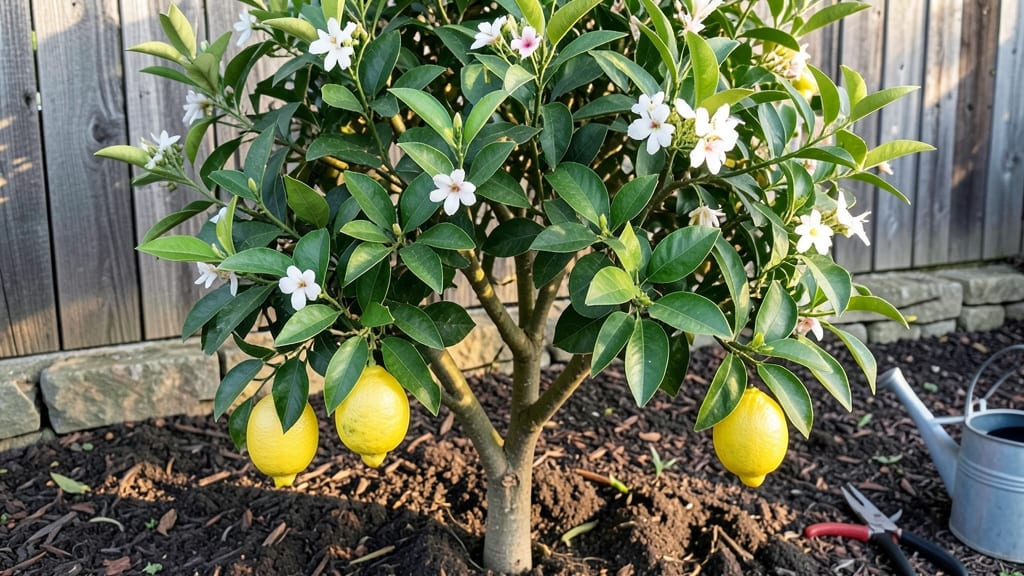
Growing a patio lemon tree in the Pacific Northwest isn’t just possible—it’s a game-changer for your outdoor space. 🌿 I’ve watched my Meyer lemon tree thrive on a sunny balcony, producing fruit even when temperatures dip below freezing at night.
The key lies in choosing the right frost-resistant variety and giving it the cozy container setup it craves.
You’ll need a dwarf variety like ‘Meyer’ or ‘Improved Meyer,’ which handle cooler climates better than standard lemons. Pair that with a 15-gallon container (or larger) filled with well-draining potting mix, and you’re set for success.
Place it where it gets at least 6 hours of direct sunlight daily, and watch it transform your patio into a citrus haven.
By midsummer, you’ll be harvesting sweet, fragrant lemons perfect for fresh juice or zesty dishes. The tree’s glossy foliage adds a tropical touch, while the scent of blossoms in spring turns your patio into a little slice of paradise.
With proper winter care, your tree will keep bearing fruit year after year.
Bonus tip: Plant it near herbs like rosemary or thyme—they love the same sunny spot and create a fragrant, cohesive garden display. Ready to bring a taste of the Mediterranean to your PNW patio? Let’s get started!
📚 In This Guide
- What you need
- Instructions
- Tips and common mistakes
- Wrapping up and next steps
What you need
- ● Frost-resistant lemon tree sapling: Choose a dwarf variety like Meyer lemon or Improved Meyer lemon (hardy to ~15°F/-9°C). Buy from a reputable nursery.
- ● Large patio pot: 15–20 gallon container with drainage holes (terracotta or ceramic preferred).
- ● Well-draining potting mix: 1 bag (2–3 cubic feet) of a blend for citrus trees (or mix 60% potting soil, 30% perlite, 10% compost).
- ● Pruning tools: Bypass pruners (for clean cuts)
- ● Sterilizing alcohol wipes (to disinfect tools)
- ● Sharpie marker (to label cuts)
- ● Mulch: 1 bag of shredded bark or straw (for insulation in winter).
- ● Fertilizer: Slow-release citrus fertilizer (follow package rates for potted plants).
- ● Watering can or hose with gentle spray nozzle: For consistent moisture without damaging roots.
- ● Grow lights (LED, full-spectrum) for indoor overwintering or low-light patios.
- ● Pot feet or casters (to move the tree for sun/protection).
- ● Citrus-specific pest control (neem oil or horticultural soap).
- ● Thermometer (to monitor frost risk in your microclimate).
- ● Decorative pot cover (for winter insulation).
Instructions for planting and caring for a frost-resistant patio lemon tree
Here's how to get your cold-hardy lemon tree thriving on your Pacific Northwest patio.
🪴 Step 1: Select the Right Container and Soil Mix
Choose a large, sturdy container with drainage holes—at least 18-24 inches wide and deep for a mature tree. I like half whiskey barrels or heavy ceramic pots because they won't tip in windy conditions. The soil mix matters most for cold tolerance: blend 60% high-quality potting soil, 20% perlite, and 20% compost. This keeps roots aerated while holding moisture.
Fill the container halfway with your mix, then tap the pot gently to settle it. The reason for this blend is that lemons need excellent drainage to avoid root rot, but also moisture retention to survive occasional PNW frosts. Don't skip the perlite—it prevents the soil from becoming too dense and waterlogged.
🌱 Step 2: Plant Your Cold-Hardy Lemon Tree Variety
For the Pacific Northwest, select frost-resistant varieties like 'Meyer' lemon or 'Improved Meyer' lemon, which can tolerate brief dips to 20°F. Remove the tree from its nursery pot and gently loosen the roots if they're circling. Place it in the container so the top of the root ball sits 1 inch below the rim—this gives you room to add more soil later as the tree grows.
Fill around the roots with your soil mix, pressing lightly to eliminate air pockets. Water thoroughly until it drains from the bottom holes. Here's the thing—lemon trees hate soggy roots, but they also need consistent moisture. After planting, let the top inch of soil dry between waterings, but never let the container sit in standing water.
☀️ Step 3: Position for Maximum Sun and Protection
Place your lemon tree in the sunniest spot on your patio, where it gets at least 6-8 hours of direct sunlight daily. In the PNW, this often means a south-facing wall or balcony. During winter, move it closer to a protected wall or bring it indoors if temperatures are forecasted to drop below 25°F for more than a few hours.
You'll notice the leaves start turning yellow if it's not getting enough light. That's your signal to move it closer to a window or supplement with a grow light. In summer, watch for afternoon shade—intense PNW sun can scorch leaves. A sheer curtain can help diffuse the light during peak heat.
💧 Step 4: Water and Fertilize for Optimal Growth
Water when the top 2 inches of soil feel dry to the touch. In summer, this might mean watering every 2-3 days, while winter care reduces this to once a week. I use a moisture meter to check—it's the most reliable way to avoid over- or under-watering. Always water at the base, avoiding the leaves to prevent fungal diseases.
Fertilize monthly during the growing season (spring through fall) with a balanced citrus fertilizer. In winter, reduce to every 6-8 weeks. The key is consistency—lemon trees respond poorly to sudden changes in care. You'll see new growth within a few weeks of regular feeding, which means your tree is happy and healthy.
✂️ Step 5: Prune and Protect for Winter Survival
Prune in late winter or early spring to remove any dead or crossing branches. I also cut back any leggy growth by about 1/3 to encourage bushier, more productive growth. Sterilize your pruners with rubbing alcohol between cuts to prevent disease spread. The goal is to shape the tree while maintaining an open center for airflow.
Before the first frost, wrap the trunk and any vulnerable branches with burlap or frost cloth. This protects the tree from cold winds and sudden temperature drops. In extreme cold, move the entire container to a sheltered location like a garage or covered patio. Don't worry if the tree drops a few leaves—it's normal and the tree will bounce back in spring.
Tips & tricks for perfect patio lemon tree care
These simple strategies will help your cold-hardy lemon tree thrive year-round in the Pacific Northwest's unique climate.
Container Stability Matters: When selecting your container, consider adding weights like pavers or sandbags to the bottom—especially important for whiskey barrels that can tip in windy coastal areas. I've seen patio lemon trees topple during summer storms, so securing the container prevents accidents. For extra stability, place your container on a sturdy patio slab rather than gravel or uneven surfaces.
Soil Temperature Tip: In winter, when temperatures drop below 25°F, place your container on a layer of insulation like foam board or even a thick towel. This simple step helps maintain slightly warmer soil temperatures that protect the roots. I've found that even a few degrees difference can mean the difference between a healthy tree and frost damage.
Sunlight Monitoring: The 6-8 hours of daily sunlight requirement can be tricky in the PNW's variable weather. Install a small solar-powered light sensor near your tree to track sunlight hours—this helps you adjust positioning if cloudy days become frequent. I also recommend rotating your container every few weeks to ensure even light exposure all around the tree.
Winter Protection Hack: Before wrapping your tree for winter protection, apply a thin layer of petroleum jelly to the trunk and major branches. This creates a protective barrier against cold winds and prevents the frost cloth from sticking directly to the bark. I've noticed my trees recover better in spring when I use this extra step during the coldest months.
Pro Tips for Patio Lemon Tree
- These simple strategies will help your cold-hardy lemon tree thrive year-round in the Pacific Northwest's unique clim...
- Container Stability Matters: When selecting your container, consider adding weights like pavers or sandbags to the bo...
- Soil Temperature Tip: In winter, when temperatures drop below 25°F, place your container on a layer of insulation lik...
Frequently asked questions
Got questions about growing a patio lemon tree in the Pacific Northwest? You’re not alone! Here are answers to the most common concerns—from frost worries to pruning tips—so you can enjoy fresh lemons (and fewer headaches) in your garden.
Can I grow a lemon tree in my Pacific Northwest patio without it freezing?
Frost-resistant varieties like Meyer lemon or Improved Meyer lemon can survive brief dips to 15–20°F with proper care. For extra protection, move potted trees to a sheltered spot, wrap the pot in bubble wrap, or use a frost cloth. Mulch the soil and avoid overwatering before cold snaps to help roots stay warm.
How long does it take for a patio lemon tree to bear fruit?
With ideal conditions (full sun, well-draining soil, and patience!), dwarf varieties like Meyer lemons can produce fruit in 2–3 years. However, consistent care—like regular pruning, balanced fertilizer (high in nitrogen early on), and protection from frost—speeds up the process. Pro tip: Hand-pollinate flowers with a small brush if bees are scarce!
When and how should I prune my patio lemon tree for better fruit?
Prune in late winter or early spring (before new growth starts) to shape the tree and encourage airflow. Focus on removing:
- Dead, diseased, or crossing branches
- Suckers (shoots at the base)
- Overcrowded growth
What’s the best container size for a patio lemon tree?
A 15–20 gallon pot is ideal for dwarf varieties, with drainage holes to prevent root rot. Use a mix of cactus/succulent soil (60%) and perlite or sand (40%) for drainage. Repot every 2–3 years in spring if roots circle the pot. Pro tip: Elevate pots on feet to improve airflow and prevent frost damage!
Why aren’t my patio lemon tree’s fruits ripening?
Lemons need full sun (6+ hours daily), consistent water, and warmth (70–85°F) to ripen. Common fixes:
- Move the tree to a sunnier spot (PNW shade can delay ripening).
- Fertilize with citrus-specific food (high in nitrogen early, potassium later).
- Check for pests (aphids, scale) that stress the tree.
- Harvest when lemons turn yellow-green (they won’t ripen further off the tree!).
Are there frost-resistant lemon tree alternatives if Meyer lemons don’t work?
Yes! Try these cold-hardy citrus cousins:
- Kumquat (Fortunella spp.): Tolerates 10°F and thrives in containers.
- Calamondin orange: Hybrid citrus with 20°F tolerance and fragrant flowers.
- Trifoliate orange: Hardy to 5°F (great as a rootstock or standalone tree).
Wrapping up and next steps
Growing a patio lemon tree in the Pacific Northwest is totally doable—especially with frost-resistant varieties like the Meyer lemon or Improved Meyer lemon. These citrus gems thrive in containers, making them perfect for patios, decks, or sunny balconies.
With the right care, pruning, and a little winter prep, you’ll enjoy fresh lemons year after year—even in cooler climates! 🌿✨
Ready to get started? Pick your favorite variety, grab your pruning shears, and give your patio lemon tree the love it deserves. Before you know it, you’ll be sipping homemade lemonade straight from your garden! 🍋😊