Pruning
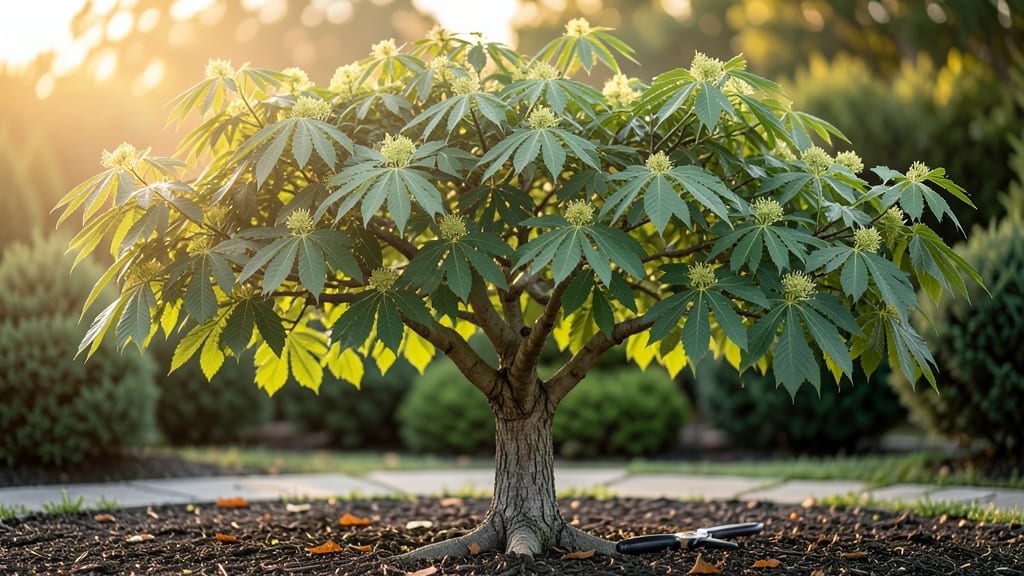
If you're wrestling with a Tree of Heaven in Toronto, pruning isn't just about shaping—it's about stopping its spread before it chokes out native species. This fast-growing tree thrives in our city's urban heat islands, but its aggressive roots and seed pods turn it into an ecological menace.
I’ve learned the hard way: one unchecked Tree of Heaven can become dozens in just a few years.
Toronto’s climate actually works for this tree—hot summers and mild winters let it outcompete everything else. But with the right pruning timing (late winter or early spring) and techniques (cutting stumps repeatedly to starve the roots), you can slow it down.
You’ll need heavy-duty gloves, a chainsaw for larger branches, and patience—this isn’t a one-time job. The goal isn’t beauty; it’s control.
What you’ll achieve is a less invasive yard and healthier native plants reclaiming space. You’ll spot fewer seed pods scattered like confetti after storms, and your soil will stop getting smothered by its aggressive root system.
It’s not about eradicating it forever—just buying time for Toronto’s ecosystems to recover. Think of it as damage control for your garden’s future.
Fair warning: this tree’s sap can irritate skin, and its smell (often compared to peanut butter) isn’t exactly pleasant. But the real challenge is the legal gray area—some neighborhoods tolerate it, while conservation groups want it gone entirely.
Check local bylaws before you start cutting. Here’s how to do it safely and effectively.
📚 In This Guide
- What you need
- Instructions
- Tips and common mistakes
- Wrapping up and next steps
What you need
- ● Pruning saw: A bow saw (for thick branches 2–4 inches in diameter) or a pruning saw with a curved blade (for tougher cuts). Quantity: 1.
- ● Loppers: Heavy-duty bypass loppers (rated for branches up to 2 inches thick). Quantity: 1 pair.
- ● Pruning shears: Sharp bypass pruners (for smaller branches or fine trimming). Quantity: 1 pair.
- ● Safety gear: Gloves: Heavy-duty work gloves (cut-resistant, like those rated for chainsaw use).
- ● Eye protection: Safety goggles (ANSI-rated).
- ● Ear protection: Earmuffs or earplugs (if using a chainsaw).
- ● Steel-toe boots: Closed-toe work boots (for stability and foot protection).
- ● Cleaning supplies: Rubbing alcohol (70% or higher) or bleach solution (1 part bleach to 9 parts water).
- ● Paper towels or rags.
- ● Disposal bags: Heavy-duty contractor bags (for debris; check Toronto’s blank">green bin guidelines—Tree of Heaven is often not compostable!). Quantity: 2–3.
- ● Pole saw or pruning pole: Extendable 10–12 ft. pole saw (for high branches). Quantity: 1.
- ● Chainsaw: Gas-powered chainsaw (for very large trunks or stumps; rent if you don’t own one). Quantity: 1.
- ● Stump grinder: For removing large stumps (rental recommended).
- ● Tree wrap or tape: Plastic tree wrap (to protect wounds on young trees if you’re preserving any nearby plants).
- ● Extension cord: If using power tools near the tree.
- ● Check Toronto bylaws: Confirm if you need a blank">permit for removing large trees (especially on private property).
- ● Weather check: Prune on a dry, calm day (avoid wind or rain).
- ● Notify neighbors: If branches may fall onto shared property.
- ● Mark utilities: Call Ontario One Call (1-800-400-2255) to locate underground lines.
Instructions for pruning tree of heaven in Toronto
Here's how to control this aggressive species safely and effectively in your urban landscape.
Identify and Prepare for Pruning Season
Tree of heaven thrives in Toronto's climate, so pruning should happen in late winter or early spring—just as buds begin to swell but before new growth starts. This timing prevents stressing the tree when it's most vulnerable. I always check for seed pods first; if you see any, remove them immediately, as they spread prolifically. Wear long sleeves and gloves—this tree's sap can irritate skin.
Gather your tools: a sharp pruning saw for thick branches, loppers for medium-sized limbs, and hand pruners for smaller growth. Disinfect all tools with rubbing alcohol between cuts to prevent spreading disease. I also bring heavy-duty trash bags for debris—this tree produces a lot of it, and you don’t want seeds spreading on your property.
Remove Seed Pods and Suckers First
Your top priority is stopping the spread. Look for seed pods—they’re long, brown, and clustered at branch ends—and suckers (shoots growing from the base or roots). Cut off all seed pods with hand pruners, and for suckers, use loppers to sever them at ground level. If you leave even one pod, it can produce thousands of seeds that spread via wind or birds.
For larger suckers, dig down 6-8 inches to expose the root connection and cut it cleanly. This prevents regrowth from the same root system. I mark the area with flags if I can’t remove all roots immediately—it’s easy to miss some, and they’ll sprout back stronger. Bag all cuttings and dispose of them in sealed trash bags, not compost.
Thin the Canopy Strategically
Focus on selective thinning rather than heavy pruning, which can stress the tree and encourage more aggressive regrowth. Start by removing dead, diseased, or crossing branches—these are the easiest to cut and reduce the tree’s overall vigor. Use the one-third rule: never remove more than one-third of the canopy in a single season, or you risk inviting pests or fungal infections.
For healthy branches, target those growing inward or upward. Aim for a rounded, open canopy that allows sunlight to reach the ground, making it harder for new shoots to establish. Cut just outside the branch collar (the swollen area where the branch meets the trunk) to promote faster healing. Step back often to visualize the shape—you want sunlight and air circulation, not dense shade where more suckers will pop up.
Monitor and Maintain Year-Round
Tree of heaven is relentless, so monthly checks are key. Look for new suckers or seed pods, especially after storms or heavy rains, which can disturb the soil and trigger regrowth. In summer, water the soil around the tree’s base deeply but infrequently—this encourages the tree to focus energy on existing growth rather than spreading.
If you notice new shoots emerging from the stump or roots after pruning, treat them immediately with a copper-based herbicide (like copper sulfate) or a vinegar and salt solution (1 gallon vinegar + 1 cup salt + 1 tablespoon dish soap). For stubborn roots, consider solarization: cover the area with clear plastic for 4-6 weeks in summer to bake out the roots. Patience is critical—this tree fights back hard, but consistency wins.
Plan for Long-Term Removal if Needed
If the tree is large or deeply rooted, pruning alone may not be enough. For mature trees, consider gradual removal over 2-3 years to avoid shocking the ecosystem. Start by cutting back the canopy in stages, then tackle the roots in sections, using a root saw for thick roots. Always check local bylaws—Toronto has specific rules about invasive species removal, and some require permits.
For small trees or new growth, digging out the root ball is often the most effective method. Rent a post-hole digger to remove roots at least 12 inches deep—shallow cuts leave behind viable root fragments that will regrow. After removal, solarize the area or plant competitive ground covers like clover or creeping thyme to prevent regrowth. I’ve seen this tree come back from a single root fragment, so don’t skip this step.
Tips & tricks for pruning tree of heaven in Toronto
Even the most experienced gardeners can get frustrated with tree of heaven—here's how to make pruning this aggressive species more effective and less overwhelming.
Timing is Everything: The late winter to early spring window is critical because it targets the tree when it's dormant but just starting to wake up. Look for swollen buds as your cue—this means the tree is preparing to grow, but it hasn't yet sent energy to root systems. I've seen homeowners miss this window and end up with twice as many suckers later in the season because the tree redirected its energy to spreading.
Tool Preparation Matters: Disinfecting your tools between cuts is non-negotiable—tree of heaven can carry diseases that jump to other plants. I keep rubbing alcohol in a small spray bottle by my toolbox and wipe down blades after every third cut. Also, sharpen your tools before you start; dull blades crush wood instead of making clean cuts, which stresses the tree and invites infections. A sharp saw will glide through branches like butter, making the job easier on you too.
The One-Third Rule in Action: When thinning the canopy in Step 3, visualize the tree's shape from all sides before making cuts. I like to sketch a rough outline on paper first—this helps me see which branches to remove to create that open, rounded silhouette. Remember, you're not just pruning; you're creating an environment where sunlight can reach the ground, making it harder for new shoots to establish. Think of it like giving your lawn a fighting chance.
Sucker Prevention Strategy: For stubborn suckers that keep coming back, try the "flag and follow-up" method. After you cut a sucker at ground level, mark the spot with a small flag. Check that area monthly—if you see new growth within two weeks, you know there's still root connection. This method has saved me countless hours of repeated pruning. For really persistent roots, consider solarization in summer as a last resort—it's dramatic but effective for clearing out stubborn fragments.
Pro Tips for Tree Of Heaven Toronto
- Even the most experienced gardeners can get frustrated with tree of heaven—here's how to make pruning this aggressive...
- Timing is Everything: The late winter to early spring window is critical because it targets the tree when it's dorman...
- Tool Preparation Matters: Disinfecting your tools between cuts is non-negotiable—tree of heaven can carry diseases th...
Frequently asked questions
Got questions about managing Tree of Heaven in Toronto? We’ve got answers!
This invasive species can be tricky, but with the right approach, you can keep it in check. Here are some common concerns—and how to tackle them.
Is Tree of Heaven illegal to plant in Toronto?
The Tree of Heaven (Ailanthus altissima) is listed as a prohibited invasive species in Ontario under the Invasive Species Act. Planting, propagating, or selling it is illegal, and removal may be required if found on your property. Always check local bylaws before taking action.
How often should I prune Tree of Heaven to control its spread?
For invasive control, prune aggressively in late winter or early spring (before new growth starts). Repeat every 3–4 months to weaken the tree and prevent seed production. Note: This species regrows quickly, so consistency is key!
What’s the best way to cut back Tree of Heaven without regrowth?
Use sharp pruners or a chainsaw to cut 1–2 inches above a bud (never at a joint). For stubborn stumps, apply horticultural vinegar or glyphosate (follow label instructions) to kill remaining roots. Pro tip: Wear gloves—its sap can irritate skin!
Are there natural alternatives to Tree of Heaven for shade in Toronto?
Yes! Consider native species like Black Walnut, Sugar Maple, or White Oak for shade. They’re ecologically friendly, low-maintenance, and support local wildlife. Check with the City of Toronto’s Urban Forestry for recommendations.
What should I do if Tree of Heaven sprouts keep coming back?
Persistent regrowth often means roots or buried stumps are still active. Dig out the root system (if small) or treat with systemic herbicide (like triclopyr). For large infestations, consult a licensed arborist—they can assess the best removal strategy.
Still stumped? Drop your question in the comments—we’re happy to help!
Wrapping up and next steps
Pruning the Tree of Heaven in Toronto isn’t just about keeping your yard tidy—it’s a proactive step to curb its invasive spread while promoting healthier growth.
By following the right techniques, timing, and safety measures, you can reclaim control over this fast-growing species and protect native ecosystems. Your efforts make a real difference!
Ready to take action? Start small:
- 🌱 Mark your calendar for late winter or early spring—ideal pruning season!
- 🛠️ Gather your tools (gloves, saw, pruners) and dive in with confidence.
- 🌿 Share your progress with local gardening groups or Toronto’s invasive species hotlines for support.