
Pruning
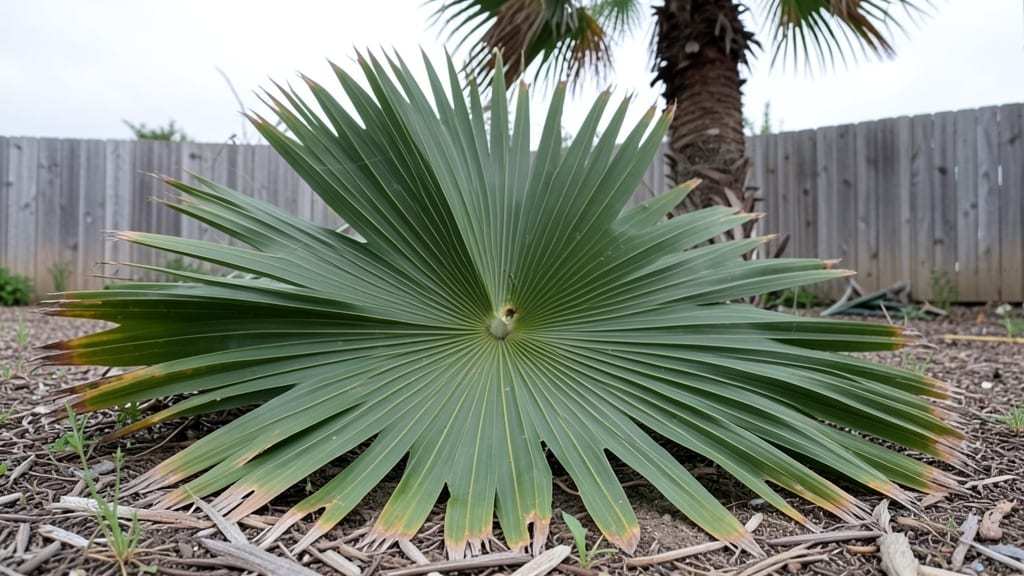
Pruning palm tree fronds is the difference between a lush, vibrant centerpiece and a struggling plant that looks like it’s giving up. ✨ I’ve seen palms go from ragged and yellowing to thriving in just a few cuts—it’s all about timing, technique, and knowing which fronds to keep.
The key isn’t just cutting back; it’s understanding how each frond contributes to the tree’s health, from photosynthesis to structural support.
Most people wait until fronds turn brown before pruning, but that’s too late—and dangerous. The best time is when fronds are still green but showing signs of aging, usually in late spring or early summer.
You’ll need sharp pruning shears, a ladder (for taller palms), and gloves to protect your hands from the sharp edges. Don’t skip the gloves; those fronds are serrated like a saw!
When done right, pruning gives your palm a clean, symmetrical look while encouraging new growth from the center. You’ll notice fewer brown fronds, a stronger trunk, and even better air circulation to prevent pests.
The first time I pruned correctly, my palm produced three new fronds in a month—proof that healthy palms grow back stronger.
We’ll cover how to spot over-pruning, what to do with the fronds after cutting, and how to tell if your palm needs more (or less) attention.
Whether you’ve got a small potted palm or a towering landscape tree, these steps work for all types. Let’s get those fronds looking fresh again!
📚 In This Guide
- What you need
- Instructions
- Tips and common mistakes
- Wrapping up and next steps
What you need
- ● Pruning shears or loppers: Choose bypass pruners (for clean cuts) or loppers (for thicker fronds). Look for sharp, stainless-steel blades (8–10" length). Quantity: 1 pair.
- ● Pruning saw: A curved-tooth hand saw (for large, woody fronds). Quantity: 1.
- ● Heavy-duty gloves: Cut-resistant (e.g., leather or synthetic blend) to protect against jagged edges. Quantity: 1–2 pairs.
- ● Safety glasses: To shield eyes from debris. Quantity: 1 pair.
- ● Ladder or extension pole: A stable, non-slip ladder (16–24 ft) or a telehandler pole (for tall palms). Quantity: 1.
- ● Disposable bags or tarp: For collecting fronds (2–3 heavy-duty trash bags or a 10’x10’ tarp).
- ● Rubbing alcohol or bleach solution: (1:10 ratio with water) to sterilize tools before/after pruning.
- ● Pole saw: For high-reach pruning without a ladder.
- ● Knee pads: If you’ll be working on the ground for extended periods.
- ● Work boots: With ankle support for stability.
- ● Pruning sealant: (e.g., tree wound dressing) to protect cuts on palm species prone to bleeding (like coconut palms).
- ● Camera or phone: To document the "before" and "after" for tracking growth!
Step-by-Step instructions for palm tree frond pruning
Healthy palms start with proper pruning—here's how to do it right without harming your tree.
✂️ Step 1: Identify the Right Fronds to Prune
Focus on removing only dead, yellow, or brown fronds—never more than one-third of the total fronds at once. I look for fronds that are completely dry, brittle, or hanging limply. These are ready for removal. Healthy green fronds should stay on the tree to continue photosynthesis and feeding the palm.
Check the underside of fronds for signs of pests or disease—tiny holes, webbing, or black spots mean you need to treat the tree before pruning. If you see these, skip to Step 4 after cleaning your tools. Healthy fronds have a vibrant green color and firm texture when you gently squeeze the leaflets.
🪴 Step 2: Gather Tools and Prepare the Work Area
You'll need sharp pruning shears or a pruning saw (for thicker stems), disinfectant (like rubbing alcohol or bleach solution), gloves, and a trash bag. I always clean my tools with disinfectant between cuts to prevent spreading disease. Lay down a tarp or old sheet below the tree to catch falling debris.
Work on a dry, sunny day when the palm isn't stressed by heat or rain. Avoid pruning during extreme temperatures—palms heal best in mild conditions. If your palm is near power lines, call your utility company first. Some palms grow tall enough that ladders or extension poles become necessary for safe access.
✂️ Step 3: Cut Fronds Properly to Avoid Harming the Tree
Make your first cut about 6-12 inches below the frond base, where the frond meets the trunk. Cut at a 45-degree angle to allow water to run off and prevent rot. Use a smooth, clean motion—don't saw back and forth, which can tear the tissue. For larger fronds, you may need to make multiple cuts to remove the entire frond without damaging the trunk.
After removing the frond, inspect the cut area for any signs of disease or pests. If the trunk looks healthy (smooth, greenish-gray, and firm), you're good to go. If you see dark spots, oozing sap, or soft areas, note the location and monitor it closely. Never prune more than one-third of the fronds in a single session—this can shock the palm and leave it vulnerable to sunburn or pests.
🌿 Step 4: Clean Up and Maintain the Palm’s Health
Dispose of all pruned fronds immediately in a sealed trash bag—don't leave them near the tree, as they can harbor pests or diseases. Wipe down your tools with disinfectant again to prevent cross-contamination. I like to spray the trunk with a fungicide (like neem oil) after pruning as a preventive measure, especially in humid climates.
Water the palm deeply after pruning to help it recover. Focus on the root zone, giving it enough water to soak 12 inches deep into the soil. Avoid overwatering, though—palms hate soggy roots. In the weeks following pruning, keep an eye out for new fronds emerging from the center. These are a sign your palm is healthy and recovering well.
⏰ Step 5: Schedule Regular Maintenance for Long-Term Health
Prune your palm once or twice a year, depending on its growth rate. Fast-growing palms like the Mexican fan palm may need pruning every 4-6 months, while slower growers like the majesty palm can wait 12 months between sessions. Always prune before the hottest part of summer to give the tree time to recover before heat stress sets in.
Here's the thing—consistency matters. I recommend marking your calendar after each pruning session so you don't forget. Over time, you'll notice your palm develops a stronger, more symmetrical shape. Avoid the temptation to prune too much at once—palms are resilient, but they can't recover from severe pruning stress. Think of it like giving your palm a haircut: small, regular adjustments keep it looking its best.
Tips & tricks for perfect palm tree frond pruning
These simple but crucial tips will help you prune your palm tree like a pro—keeping it healthy and thriving for years to come.
Visual Inspection Tip: In Step 1, when checking fronds for pests or disease, look closely at the undersides and leaflet joints. Use a small flashlight if needed—pests often hide in these shadowy spots. I've found spider mites hiding in the crevices of fronds that looked perfectly fine from above. Healthy fronds should feel firm when you gently squeeze them; any mushy spots mean trouble.
Tool Technique: For Step 3, if you're dealing with particularly thick fronds, use a pruning saw instead of shears. Make your first cut at the 45-degree angle about 6-12 inches below the base, then work your way up the frond in smooth motions. Never force the blade—let the tool do the work to avoid tearing the tissue. I've ruined a few fronds by struggling with stubborn cuts, so take your time here.
Safety First: Before starting Step 2, check for power lines or overhead obstacles. If your palm is near electrical wires, call your utility company for a professional assessment. I once saw a neighbor get electrocuted trying to trim a palm near power lines—it's not worth the risk. Also, wear gloves to protect your hands from sharp leaf edges and potential irritants like sap or pests.
Post-Pruning Care: After completing Step 4, consider applying a thin layer of horticultural sealant to the cut areas. This creates a protective barrier that helps prevent infections, especially in humid climates. I've seen palms recover much faster when I use this extra step. Remember to water deeply afterward—aim for that 12-inch soil depth to encourage strong root growth during recovery.
Pro Tips for Palm Tree Frond
- These simple but crucial tips will help you prune your palm tree like a pro—keeping it healthy and thriving for years to come.
- Visual Inspection Tip: In Step 1, when checking fronds for pests or disease, look closely at the undersides and leaflet joints.
- Tool Technique: For Step 3, if you're dealing with particularly thick fronds, use a pruning saw instead of shears.
Frequently asked questions
Got questions about pruning palm tree fronds?
You’re not alone! Here are some of the most common concerns—and their answers—to help you tackle the job with confidence.
When is the best time of year to prune palm tree fronds?
The ideal time is late winter or early spring, just before new growth begins. Avoid pruning during extreme heat or cold—this gives your palm time to recover. For tropical palms, you can prune year-round, but always choose a dry, sunny day to minimize disease risk.
How do I know if a frond is dead and needs removal?
Dead fronds are brown, brittle, and crunchy when touched. If they don’t snap easily and smell musty, they’re likely dead. Live fronds are green, flexible, and slightly leathery. Never remove healthy fronds—they’re essential for photosynthesis!
Can I prune palm fronds myself, or should I hire a professional?
Small palms (under 20 feet) are DIY-friendly with the right tools! For taller palms, especially coconut or royal palms, hiring a pro is safer. They have the gear (like harnesses and cherry pickers) to avoid injury. Never climb a palm yourself—it’s unstable and dangerous.
What should I do if my palm tree fronds turn yellow after pruning?
Yellowing can happen due to over-pruning, stress, or fungal infection. If only a few fronds yellow, it’s likely natural shedding. For widespread yellowing, check for pests (like palm weevils) or root rot. Water deeply but avoid overwatering—palms hate soggy roots!
Are there any alternatives to cutting fronds if they’re too high to reach?
Yes! Use a pole saw with an extension pole (20+ feet) for safer reach. For stubborn fronds, a pruning saw with a long handle works too. Never use a chainsaw—it can damage the trunk. If the frond is too high and dangerous, call an arborist with proper equipment.
Still stuck? Drop your question in the comments—we’re happy to help your palm thrive!
Wrapping up and next steps
Pruning your palm tree fronds isn’t just about aesthetics—it’s the key to keeping your tree thriving! 🌴 By following the right techniques, timing, and safety steps, you’ll ensure healthier growth, better air circulation, and a stunning landscape.
Whether you’re tackling a young frond or a mature palm, confidence and care make all the difference.
Ready to give your palm tree the TLC it deserves? Grab your tools, schedule that pruning session, and watch your tree flourish! Need a refresher? Bookmark this guide and revisit it before your next pruning adventure.