
Pruning
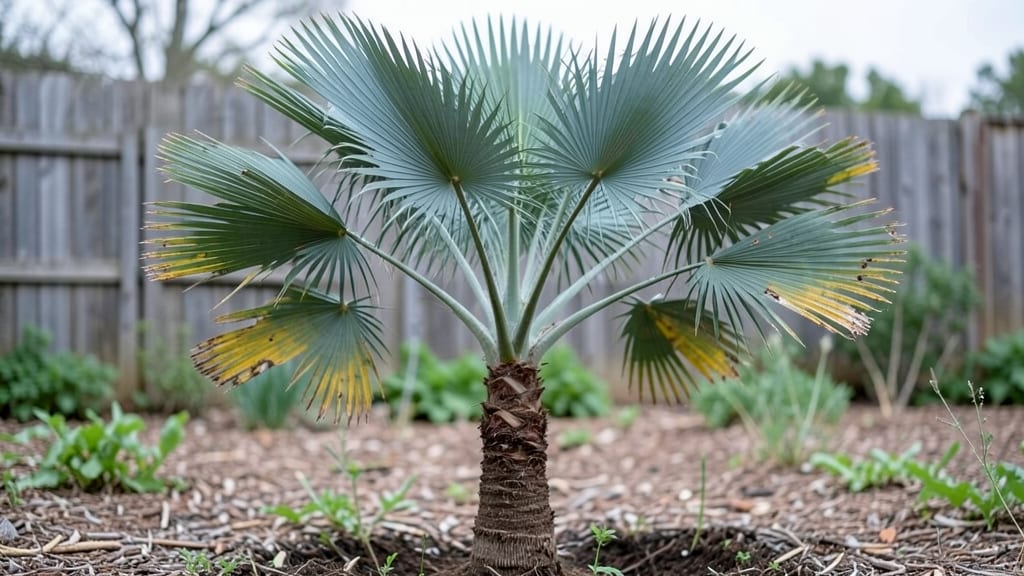
The stunning Mexican fan palm tree thrives in the Pacific Northwest despite its tropical roots—here’s how to grow one that survives frost and stays stunning. 🌿 I’ve watched mine weather Seattle winters with just a few key adjustments, and the secret isn’t complicated: it’s all about pruning, soil prep, and knowing when to protect those fronds.
This palm loves sunny spots with well-draining soil—think sandy loam mixed with compost—and it’s surprisingly drought-tolerant once established. The real game-changer? Pruning dead fronds in late winter before new growth starts, which keeps it healthy and frost-resistant.
Even in Zone 8, my tree throws off new fronds every spring without a struggle.
You’ll end up with a towering, elegant centerpiece that adds tropical drama to your yard while needing minimal fuss. The key is timing: prune at the right moment, and you’ll avoid frost damage entirely. Plus, the mature fronds make fantastic compost or mulch—zero waste, all beauty.
Works just as well in containers for patios or as a standalone statement plant in the ground. Whether you’re starting from a nursery pot or propagating from seeds, the same rules apply. Let’s get yours thriving!
📚 In This Guide
- What you need
- Instructions
- Tips and common mistakes
- Wrapping up and next steps
What you need
- ● Mexican Fan Palm Tree: 1 young sapling (3–5 ft tall) or mature transplant (5+ ft)
- ● Pro tip: 🌡️ Choose a frost-hardy cultivar (e.g., 'Desert Island' or 'Little Palms') for PNW resilience!
- ● Soil & Amendments: 50 lbs well-draining potting mix (or native sandy loam + perlite)
- ● 10 lbs organic compost (for nutrients)
- ○ Optional: Mycorrhizal fungi (boosts root health)
- ● Pruning Tools: 1 pair bypass pruners (sharp, 6–8" blades)
- ● 1 pruning saw (for thick fronds, 10–12" blade)
- ● 1 sterilizing solution (70% isopropyl alcohol or bleach)
- ● Safety Gear: 1 pair gloves (cut-resistant, size medium)
- ● 1 long-sleeve shirt (to protect from sap)
- ● Microclimate Prep: Identify a sheltered spot (e.g., near a south-facing wall or under eaves)
- ● Pro tip: ✨ Use burlap windbreaks if exposed to harsh winds!
- ● Winter Protection: 10–15 ft frost cloth (30–40 lb test weight)
- ○ Optional: Christmas lights (for mild heat during freezes)
- ● 1 palm fertilizer (slow-release, 8-3-6 NPK ratio)
- ● 1 moisture meter (to monitor soil dryness)
- ● 1 tree stake (for young saplings in windy areas)
Step-by-step instructions for planting and pruning Mexican fan palms in the Pacific Northwest
This hardy palm thrives in our region once you master its frost-resistant care—here’s how to plant and prune it like a pro.
🌱 Step 1: Choose the Perfect Planting Site for Cold Resilience
Mexican fan palms (Washingtonia robusta) tolerate 15-20°F dips but need shelter from harsh winds and radiant frost. I always plant mine in south- or west-facing spots where they catch afternoon sun but avoid late-season cold snaps. A 6-inch layer of mulch (like the 3 inches of wood chips I use) around the base insulates roots while retaining moisture.
Dig a hole twice as wide as the root ball but only as deep—planting too deep suffocates roots. Amend the native soil with compost if it’s heavy clay (common in PNW). Tap the palm gently to settle soil around roots, then water deeply to eliminate air pockets. You’ll know it’s right when the soil surface looks slightly damp but not soggy—overwatering here leads to root rot.
✂️ Step 2: Prune for Frost Hardiness and Structural Strength
Pruning isn’t just about looks—it’s about survival. I remove dead fronds (brown, brittle leaves) at the base with clean, sharp pruners, cutting 1-2 inches above the trunk to prevent water entry. For frost-prone areas, I also thin out 1-2 old fronds per year to improve airflow and reduce ice buildup. Never prune more than one-third of the fronds—this palm relies on them for photosynthesis during short PNW winters.
Watch for yellowing fronds in late winter—they’re often frost-damaged. Snip them off just above a healthy bud (you’ll see a small bump where new growth emerges). Sterilize your tools with rubbing alcohol between cuts to prevent fungal spread. The goal is to keep the palm aerated but not over-exposed to cold winds.
☀️ Step 3: Winterize for Pacific Northwest Freezes
When temperatures drop below 30°F, wrap the youngest fronds (the most frost-sensitive) with burlap or frost cloth, securing it loosely with twine. I avoid plastic—it traps moisture and causes rot. For mature palms, focus on root protection: mound an extra 2-3 inches of mulch around the base, sloping it away from the trunk to prevent water pooling.
Water deeply once a month in winter (unless rain does the job) to keep roots hydrated but not soggy. Overwatering now stresses the plant and makes it more vulnerable to freeze damage. You’ll know you’re doing it right when the soil around the roots stays evenly moist but crumbly—like a well-wrung sponge.
🌿 Step 4: Spring and Summer Maintenance for Long-Term Health
In early spring, remove any frost-damaged fronds (they’ll turn black and crispy). Feed the palm with a balanced 10-10-10 fertilizer in March and August, applying it 6 inches from the trunk and watering it in immediately. This timing avoids shocking the plant as it wakes from dormancy or prepares for winter.
Monitor for spider mites or scale—common in PNW’s dry summers. I spray the undersides of fronds with neem oil at the first sign of webbing or sticky residue. Healthy palms grow 1-2 new fronds per year; if growth stalls, check for over- or under-watering or compacted soil around the roots.
Tips & tricks for perfect Mexican fan palm tree care in the Pacific Northwest
Mastering these frost-resistant techniques will transform your Mexican fan palm from a delicate tropical plant into a resilient PNW survivor.
Site Selection Secrets: The south- or west-facing spot I mentioned isn't just about sun—it's about microclimate protection. Look for areas with natural windbreaks like fences or buildings that shield your palm from our region's harsh winter winds. I've seen palms planted in exposed spots struggle even when temperatures only dip to 20°F, while those with wind protection thrive down to 15°F. The afternoon sun in these locations also helps dry dew quickly, reducing fungal risks.
Pruning Precision: When thinning out those 1-2 old fronds each year, focus on the largest, most mature ones first. These are the ones that provide the least photosynthesis benefit but create wind resistance. I always prune just above a healthy bud—look for that small bump where new growth emerges. This ensures your palm continues producing energy while maintaining structural strength. Remember, you're not just cleaning up—you're creating airflow pathways that prevent ice buildup during our winter freezes.
Winter Protection Hacks: For that extra 2-3 inches of mulch around mature palms, I use a mix of wood chips and straw. The straw provides additional insulation while breaking down to enrich the soil. When wrapping fronds, leave the top open—this allows some air circulation while still protecting the sensitive tips. I've found that securing the frost cloth with twine creates too tight a fit, so I now use reusable landscape fabric clips that adjust as the palm grows.
Soil Science: That "slightly damp but not soggy" soil test is crucial in PNW's clay-heavy soils. To improve drainage, I often mix in perlite or coarse sand when amending with compost. This creates pockets that prevent water from pooling around roots during our wet winters. For established palms, I perform a simple soil test by pressing my finger into the soil—it should hold its shape briefly but not feel sticky. If it's compacted, it's time to aerate.
Pro Tips for Mexican Fan Palm Tree
- Mastering these frost-resistant techniques will transform your Mexican fan palm from a delicate tropical plant into a resilient PNW survivor.
- Site Selection Secrets: The south- or west-facing spot I mentioned isn't just about sun—it's about microclimate protection.
- Pruning Precision: When thinning out those 1-2 old fronds each year, focus on the largest, most mature ones first.
Frequently asked questions
Got questions about growing, caring for, or pruning your Mexican Fan Palm (Washingtonia robusta)? You’re not alone!
Here are answers to the most common concerns—especially for Pacific Northwest gardeners dealing with frost and pruning challenges.
Can Mexican Fan Palms survive frost in the PNW?
The good news? These palms are one of the hardiest palms—tolerating brief dips to 15–20°F (-9 to -7°C) without permanent damage. However, prolonged cold (<10°F/-12°C) can cause leaf browning. Pro tip: Mulch the root zone with 4–6 inches of wood chips in winter for extra protection.
How do I prune a Mexican Fan Palm safely?
Prune only dead or brown fronds—never remove healthy green leaves! Use sterilized pruners or a sharp saw to cut fronds at the base, avoiding the trunk. Timing matters: Prune in late winter or early spring (before new growth starts). For large fronds, wear gloves—those serrated edges can be sharp!
How fast do Mexican Fan Palms grow?
Expect 1–2 feet per year under ideal conditions (full sun, well-draining soil). In the PNW, growth may slow slightly in cooler summers but remains steady. Patience pays off: These palms can reach 60–100 feet tall over decades—plan for long-term space!
What should I do if my palm’s fronds turn yellow or brown?
Yellowing fronds often signal overwatering or poor drainage. Brown tips? Likely windburn or salt exposure (common near coastal areas). Troubleshoot:
Yes! If you want hardier options, consider:
Are there frost-resistant alternatives to Mexican Fan Palms?
Note: None match the Mexican Fan’s dramatic tropical look, but these are great for smaller spaces or colder microclimates!
Wrapping up and next steps
Growing a Mexican fan palm tree in the Pacific Northwest is totally doable—even with frost! 🌿 With the right pruning techniques, soil prep, and a little TLC, you’ll have a stunning, resilient palm thriving in your yard.
Remember, patience and consistency are key, whether you’re shaping its fronds or protecting it from winter chill.
Now that you’re armed with the know-how, roll up your sleeves and get pruning! Start with a single branch or a small section, and soon, your Mexican fan palm will be the showstopper of your outdoor space. Ready to take the next step? Grab your tools and give it a try—your palm will thank you! ✂️🌟