
Pruning
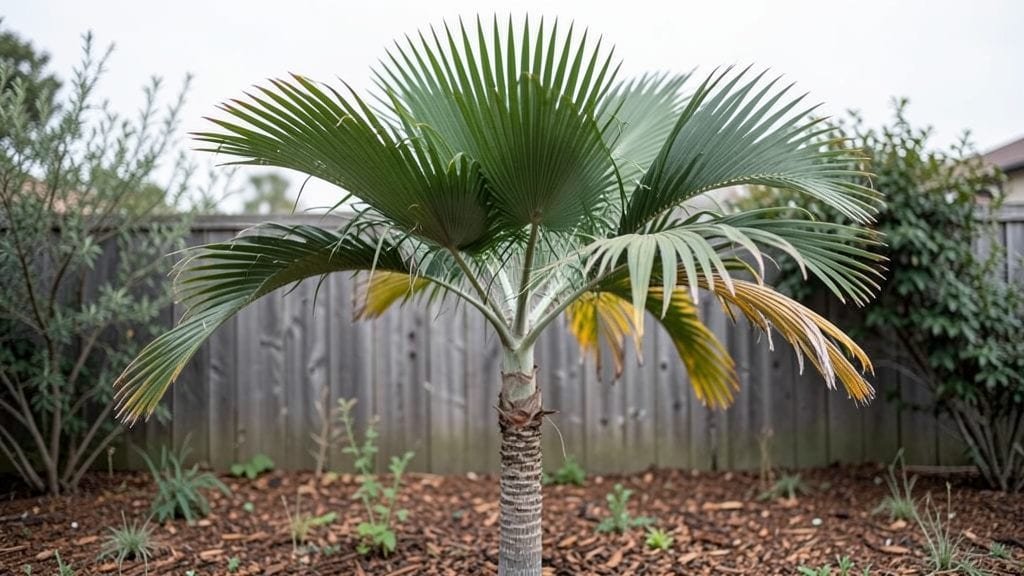
Caring for a Majesty Palm tree outdoors in the Pacific Northwest means unlocking a tropical stunner that actually survives our frosty winters. 🌿 I’ve grown mine for five years through Seattle’s damp, chilly winters—no greenhouses, no fuss—and here’s the no-nonsense routine that keeps it thriving.
The secret starts with well-draining soil (think sandy loam mixed with compost) and a spot that gets bright, indirect light—morning sun and afternoon shade works best. Water deeply once a week in summer, but cut back to every 2-3 weeks in winter when growth slows.
Overwatering is the fastest way to kill these palms, so let the top 2 inches of soil dry out between waterings.
By spring, you’ll see new fronds unfurling with glossy, vibrant green leaves that outshine any store-bought plant. Fertilize lightly in early spring with a balanced palm fertilizer (6-6-6), and prune only dead fronds—never more than 20% at a time—to keep it looking sharp without stressing the tree.
Even in Zone 8, these palms handle light frosts down to 25°F with proper winter prep: mulch the root zone and avoid fertilizing after September.
The key? Patience and consistency—no quick fixes, just steady care that pays off with a palm that looks like it belongs in a Florida resort, not your backyard.
📚 In This Guide
- What you need
- Instructions
- Tips and common mistakes
- Wrapping up and next steps
What you need
- ● Majesty Palm Tree: 1 mature or young plant (3–6 ft tall for best adaptability)
- ● Well-draining soil mix: 50% organic matter (compost or peat moss)
- ● 30% sand (for drainage)
- ● 20% perlite or pumice (to prevent compaction)
- ● Container or in-ground planting spot: For pots: 1 large container (18–24" diameter) with drainage holes
- ● For ground planting: Space at least 6–8 ft from structures/walls (roots spread wide!)
- ● Slow-release fertilizer: 1–2 lbs of balanced 6-6-6 or 10-10-10 (spring/fall)
- ● Mulch: 2–3 inches of pine bark or shredded leaves (retains moisture)
- ● Watering can or hose with nozzle: 1–2 gallons capacity (for deep watering)
- ● Pruning tools: 1 pair bypass pruners (for small fronds)
- ● 1 pruning saw (for thicker stems, if needed)
- ● 1 sterilizing solution (70% isopropyl alcohol or bleach)
- ● Frost cloth or burlap: 1–2 sheets (for light frost protection in winter)
- ● Soil moisture meter: 1 (to monitor drought stress)
- ● Epsom salt: 1 tbsp (occasional magnesium boost for yellowing fronds)
- ● Support stake: 1–2 (for young palms in windy PNW areas)
- ● Compost tea: 1 gallon (monthly foliar spray for nutrients)
Step-by-Step instructions for growing Majesty palms in the Pacific Northwest
Here’s how to nurture these frost-tolerant palms into thriving, statement-making specimens—without common pitfalls.
🌱 Step 1: Choose the Right Planting Location
Majesty palms (Ravenea rivularis) thrive in USDA Zones 10-11, but with proper protection, they can survive brief dips to 25°F. In the Pacific Northwest, plant them in sheltered microclimates—near south-facing walls, under deciduous trees, or in containers that can be moved indoors during freezes. Avoid low-lying areas where cold air pools.
Soil must drain exceptionally well—these palms hate soggy roots. Amend native soil with 3-4 inches of gritty compost (like coarse sand or perlite) to prevent compaction. Test your spot: dig a 12-inch hole, fill it with water, and wait 30 minutes. If water remains, improve drainage before planting.
☀️ Step 2: Plant with Proper Spacing and Sunlight
Dig a hole twice as wide as the root ball but only as deep—planting too deep suffocates the trunk. Space multiple palms 10-15 feet apart to allow airflow and prevent fungal diseases. Majesty palms need bright, indirect light (think dappled shade under high canopies) but will tolerate 4-6 hours of morning sun in cooler climates.
After placing the palm, backfill with native soil mixed with 1 part compost to encourage root establishment. Water deeply to settle the soil, then create a 2-inch-high berm around the base to direct water away from the trunk. Mulch with 3 inches of wood chips, keeping it 6 inches from the trunk to avoid rot.
💧 Step 3: Water Deeply and Adjust for Seasonal Needs
Water once weekly in summer, soaking the root zone until 6 inches deep—check by inserting a screwdriver. In winter, reduce to every 2-3 weeks unless the soil is bone-dry. Majesty palms are drought-tolerant once established but despise consistent moisture stress. You’ll know it’s time to water when the fronds feel crispy at the edges or the soil pulls away from the pot edges.
Fertilize monthly in spring/summer with a balanced, slow-release palm fertilizer (10-10-10 or similar). Avoid high-nitrogen blends—they promote lush foliage at the expense of trunk strength. In fall, switch to a low-nitrogen, high-potassium formula to harden the plant for winter.
✂️ Step 4: Prune and Protect During Frost Events
Remove only dead or yellowing fronds—never prune healthy ones. Cut at the base of the frond stalk with sterilized pruners to prevent disease. Majesty palms are slow to recover from aggressive pruning, so patience is key. If fronds brown after a freeze, wait until spring to assess damage—often, the plant will regrow from the center.
For frost protection, wrap the trunk and fronds in burlap or frost cloth when temperatures drop below 32°F. Water deeply 24 hours before a freeze to help the plant withstand cold. In containers, move palms to a garage or unheated shed if nighttime temps will dip below 25°F. Return them outdoors only after the last frost when soil temps rise above 50°F.
🌿 Step 5: Monitor for Pests and Soil Health
Majesty palms are relatively pest-resistant, but spider mites and scale can appear in dry conditions. Treat infestations early with neem oil or insecticidal soap, focusing on the undersides of fronds. Avoid systemic pesticides—they can harm beneficial insects and disrupt the plant’s natural defenses.
Every 2-3 years, top-dress with 2 inches of compost to replenish nutrients. Test soil pH annually—Majesty palms prefer slightly acidic to neutral (6.1-7.0). If your soil is alkaline, amend with sulfur or peat moss to maintain optimal growing conditions. A healthy palm will show new fronds emerging from the center every 4-6 weeks during the growing season.
Tips & tricks for perfect Majesty palm tree care in the Pacific Northwest
A few strategic moves will help your Majesty palm thrive in our challenging climate—here's what I've learned after years of growing them successfully.
The Drainage Test: That 30-minute water test in Step 1 is non-negotiable. I've seen too many palms fail because gardeners skipped this step. If water lingers after 30 minutes, mix in more gritty compost or even crushed gravel to create proper drainage channels. Remember, soggy roots are the #1 killer of Majesty palms in our region.
Microclimate Mapping: When selecting your planting spot, walk your yard at different times of day to identify true sheltered areas. I've found that south-facing walls with afternoon shade from deciduous trees create the perfect balance of warmth and protection. Avoid west-facing spots—they can get too hot in summer and too cold in winter.
Winter Prep Strategy: Don't wait until the first frost to protect your palms. Start monitoring weather forecasts in late fall and have your frost cloth ready. The 24-hour deep watering before a freeze is crucial—it helps the plant's cells retain moisture during cold snaps. I've seen palms survive down to 20°F with this preparation, though 25°F is the official limit.
Pruning Precision: When removing dead fronds in Step 4, use a sharp, sterilized pruner and cut cleanly at the base. I've made the mistake of leaving stubs, which can trap moisture and lead to rot. Always cut back to the trunk's natural contour. For browned fronds after a freeze, wait until spring—new growth often emerges from the center even if it looks hopeless in winter.
Pro Tips for Majesty Palm Tree Care Outdoor
- A few strategic moves will help your Majesty palm thrive in our challenging climate—here's what I've learned after years of growing them successfully.
- The Drainage Test: That 30-minute water test in Step 1 is non-negotiable.
- Microclimate Mapping: When selecting your planting spot, walk your yard at different times of day to identify true sheltered areas.
Frequently asked questions
Got questions about keeping your Majesty Palm (Ravenea rivularis) thriving in the Pacific Northwest’s unique climate? Here are answers to the most common concerns—from frost protection to pruning tips and beyond!
Can Majesty Palms survive frost in the PNW?
While Majesty Palms are more frost-resistant than most palms (tolerating temps down to 20°F with protection), the PNW’s damp, chilly winters can still stress them. Wrap the trunk with burlap or frost cloth in late fall, and mulch heavily around the base. Young palms are most vulnerable—consider container growing for extra mobility during freezes.
How often should I prune a Majesty Palm?
Prune only when necessary—typically once a year in late winter or early spring (before new growth starts). Remove dead fronds at the base with clean, sharp pruners, and trim yellowing or brown fronds to encourage airflow. Avoid over-pruning; these palms grow slowly, and excessive cuts can weaken the tree. Sanitize tools with rubbing alcohol to prevent disease!
What’s the best watering schedule for outdoor Majesty Palms?
Water deeply but infrequently—about 1–2 times per week in summer (more if potted) and reduce to monthly in winter. Check soil moisture 2–3 inches down; soggy soil leads to root rot. Mulch 3–4 inches deep with organic matter (like bark) to retain moisture and regulate temperature. Drainage is critical—ensure pots or beds have holes to prevent waterlogging.
Why are my Majesty Palm fronds turning yellow?
Yellow fronds usually signal overwatering, underwatering, or nutrient deficiencies. Check these first:
- Brown tips = underwatering or salt buildup (flush soil with water).
- Pale yellow = too much water or poor drainage.
- Yellow with black spots = fungal disease (prune affected fronds and treat with neem oil).
Are Majesty Palms better in containers or planted in the ground?
It depends on your PNW zone:
- Zones 8–10 (coastal areas): Plant in well-draining soil for stability and root spread.
- Zones 7 or colder (inland): Containers are ideal—move them to a garage or sheltered area in winter. Use large pots (18"+ diameter) with fast-draining mix (cactus soil + perlite).
Wrapping up and next steps
Caring for your Majesty Palm in the Pacific Northwest’s outdoor climate is totally doable—even with frost! 🌿❄️ With the right pruning techniques, soil prep, and seasonal adjustments, you’ll nurture a thriving, frost-resistant beauty that stands out in your landscape.
Remember: patience and consistency are key, but the reward—a lush, resilient palm—is worth every effort.
Ready to take the next step? Start small:
- Schedule your first pruning session this spring.
- Monitor your palm’s progress and adjust care as needed.
- Share your success (or ask questions!) in gardening communities for extra support.