
Container Gardens
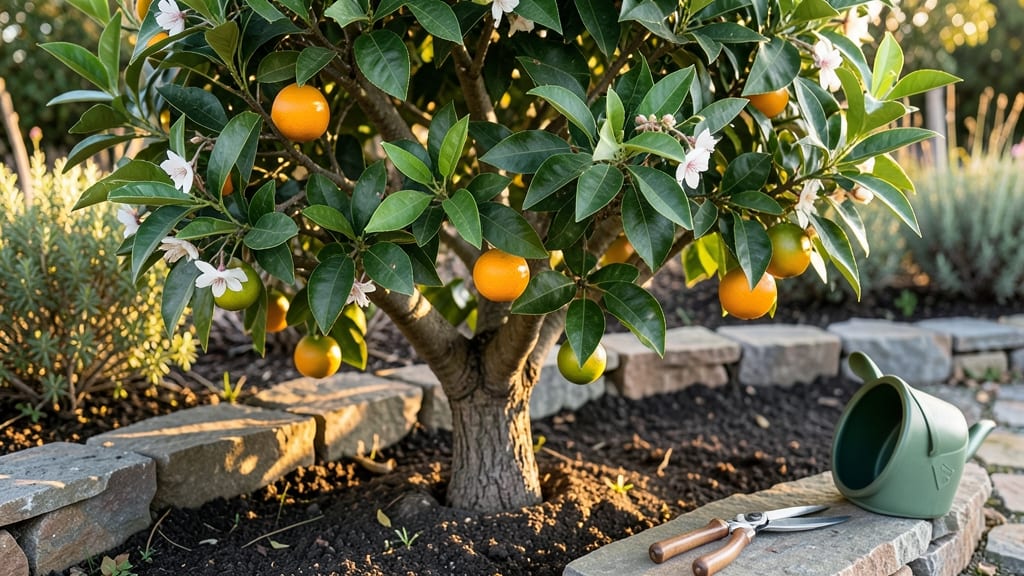
The orange tree growing season starts with understanding your climate’s frost-free window—because one late freeze can end dreams of homegrown citrus before they begin.
I learned this the hard way when my first sapling turned into a popsicle overnight, but now I know exactly how to protect these sun-loving trees year-round, no matter where you live.
Most orange trees thrive in USDA Zones 9-11, where they can stay outdoors year-round, but even in warmer climates, they need winter adjustments: mulch, windbreaks, or temporary greenhouse covers. In cooler zones, container growing becomes your best friend—just move potted trees indoors before temperatures dip below 25°F.
The key is matching care to the season: heavy watering in summer, minimal in winter, and always keeping soil slightly moist but never soggy.
With the right approach, you’ll harvest sweet, juicy oranges twice a year—once in late fall and again in early spring—even in areas that rarely see true winter. The trees grow surprisingly fast when given full sun, regular feeding, and protection from pests like aphids.
Imagine peeling your own fruit in December while neighbors buy store-bought oranges that taste like cardboard.
Whether you’re growing in a Mediterranean climate or a chilly Pacific Northwest patio, the same principles apply: sunlight, shelter, and seasonal adjustments are the secrets to year-round citrus. Let’s get your tree thriving through every season—no frostbite allowed.
📚 In This Guide
- What you need
- Instructions
- Tips and common mistakes
- Wrapping up and next steps
What you need
- ● Frost-tolerant orange tree sapling: Choose a cold-hardy variety like Citrus × citrangia (e.g., 'Carrizo' or 'Satsuma'). Buy from a reputable nursery (1-3 years old, depending on size).
- ● Container (if growing in pots): Minimum 15-gallon pot (diameter: 18+ inches) for dwarf varieties.
- ● Larger pots (25+ gallons) for standard trees (diameter: 24+ inches).
- ● Material: Terracotta (breathable) or plastic (retains moisture). Ensure drainage holes are present!
- ● Well-draining soil mix: 50% potting soil (high-quality, organic).
- ● 30% perlite or pumice (for aeration).
- ● 20% sand or coarse grit (prevents root rot).
- ● Slow-release citrus fertilizer: Look for a balanced 6-6-6 or 8-3-9 NPK ratio (e.g., Osmocote or Espoma Citrus-Tone). Apply 2-3 times per growing season.
- ● Mulch: 2-3 inches of organic mulch (e.g., straw, wood chips, or pine bark) to insulate roots in winter.
- ● Gloves & long sleeves (citrus sap can irritate skin).
- ● Trowel or small shovel (for planting/transplanting).
- ● Pruning shears (sterilized with rubbing alcohol).
- ● Watering can or hose with adjustable nozzle (drip irrigation is ideal for containers).
- ● pH testing kit (soil pH should be 6.0–7.0 for citrus).
- ○ Thermometer (optional) to monitor frost risk in winter.
- ● Location: Full sun (6–8 hours/day) in a sheltered spot (e.g., near a south-facing wall or under a patio cover).
- ● Avoid frost pockets (low-lying areas where cold air settles).
- ● Climate: Zones 8–10 (or microclimates in colder zones with winter protection).
- ● Water source: Access to chlorine-free water (rainwater or filtered tap water).
- ● Patience: Dwarf varieties may take 3–5 years to bear fruit; standard trees take 5–7 years.
Instructions for managing your orange tree through all four seasons
Here’s the seasonal care routine that keeps your citrus tree thriving year-round—even when temperatures drop.
Spring – Prune and Fertilize for New Growth
Start by pruning in late winter or early spring, just as new buds begin to swell. Remove any dead, diseased, or crossing branches with clean, sharp pruners—always cut just above a leaf node to encourage healthy regrowth. I like to shape the tree into an open vase form to allow sunlight and air circulation, which prevents fungal issues. This is also the time to fertilize with a citrus-specific blend rich in nitrogen, phosphorus, and potassium. Apply it in early spring and again in midsummer, following the package rates.
Watch for the first flush of bright green leaves—this signals the tree is waking up from dormancy. If you notice yellowing leaves, it’s often a sign of overwatering or nutrient deficiency. Adjust your watering schedule to let the top inch of soil dry out between waterings, and consider a foliar spray of micronutrients if growth looks sluggish. The goal is to support vigorous new shoots while avoiding excessive soft growth that can’t handle summer heat.
Summer – Water Deeply and Protect From Heat Stress
During the hottest months, your orange tree will need consistent moisture—water deeply twice a week if temperatures exceed 90°F, or daily if planted in containers. The key is to soak the root zone until water runs out the drainage holes, then let the top 2-3 inches of soil dry before watering again. Mulch around the base with 2-3 inches of organic material like wood chips or straw to retain moisture and regulate soil temperature.
Keep an eye out for signs of heat stress, like curled or wilted leaves, which can happen even in well-watered trees. If you notice fruit dropping prematurely, it’s a sign the tree is struggling with the heat. Provide afternoon shade with a lightweight shade cloth (30-50% coverage) if your tree is in a particularly hot, exposed location. This prevents sunburn on both leaves and fruit, which can turn them bitter or leathery.
Fall – Prepare for Cooler Weather and Harvest
As temperatures drop below 60°F, reduce watering gradually to allow the tree to enter dormancy. Harvest any remaining fruit before the first frost—even frost-tolerant varieties like ‘Chilling-Tolerant’ or ‘Satsuma’ can suffer if exposed to prolonged cold. Prune lightly in late fall to remove any dead or diseased branches, but avoid heavy pruning, which can stimulate new growth too late in the season. Instead, focus on cleaning up around the tree to reduce overwintering pests.
Apply a slow-release fertilizer in early fall to replenish nutrients depleted during the growing season. If your tree is in a container, move it to a sheltered location like a garage or under an eave, where temperatures stay above 30°F. For in-ground trees, wrap the trunk with burlap or frost cloth to protect it from cold winds. The goal is to give the tree a gentle transition into dormancy without shocking it.
Winter – Protect From Frost and Maintain Dormancy
If you’re in a zone with frequent freezes below 20°F, take extra precautions. For container-grown trees, bring them indoors to a cool, bright space like a garage or sunroom. If that’s not possible, bury the pot in the ground or wrap it in insulating blankets and cover with a clear plastic tarp to trap heat. For in-ground trees, mound 6-12 inches of mulch around the base and wrap the trunk in bubble wrap or frost cloth to create an insulating barrier.
Resist the urge to fertilize or prune during dormancy—your tree is conserving energy, and any disturbance can stress it. Instead, check occasionally for signs of frost damage, like blackened leaves or cracked bark. If you see damage, prune it out in early spring once new growth begins. The key is patience; a well-protected tree will bounce back robustly once warmer weather returns.
Tips & tricks for perfect year-round orange tree care
A few strategic adjustments can make all the difference in keeping your frost-tolerant orange tree thriving through every season. These insights come from years of watching trees respond to seasonal shifts—and avoiding the mistakes that lead to winter damage or summer stress.
Pruning Precision in Step 1: When shaping your tree in spring, focus on creating that open vase form by removing branches that cross or grow inward. This isn't just about aesthetics—it's about airflow. I've seen fungal issues develop in dense canopies even with well-drained soil. Make each cut just above a leaf node to stimulate new growth from the right spot, and always use sterilized pruners to prevent disease transmission between cuts.
Heat Stress Rescue in Step 2: Those curled leaves you might see in summer aren't just wilting—they're the tree's way of conserving moisture. When temperatures hit 90°F, I increase my watering to twice weekly but always check soil moisture first. The top 2-3 inches should be dry before watering again. For container trees, I've found that moving them to slightly shaded areas during peak afternoon sun prevents sunburn on both leaves and fruit, which can turn them bitter.
Frost Protection Layering in Step 4: The key to winter survival isn't just about wrapping the trunk—it's about creating a complete insulating envelope. For in-ground trees, I mound that 6-12 inches of mulch in a volcano shape around the base, not just spread flat. This creates an air pocket that actually helps regulate temperature. For containers, I've had success with double protection: first wrapping in insulating blankets, then covering with clear plastic tarp to trap heat while still allowing light penetration.
Seasonal Transition Timing: The most critical transitions happen at temperature thresholds. When temps drop below 60°F in fall, I reduce watering gradually over 2-3 weeks to signal dormancy. Similarly, in spring, I wait until buds begin to swell before pruning—cutting too early can stimulate growth that gets damaged by late frosts. These small timing adjustments prevent the shock that leads to most seasonal care failures.
Pro Tips for Orange Tree Growing Season
- A few strategic adjustments can make all the difference in keeping your frost-tolerant orange tree thriving through every season.
- Pruning Precision in Step 1: When shaping your tree in spring, focus on creating that open vase form by removing branches that cross or grow inward.
- Heat Stress Rescue in Step 2: Those curled leaves you might see in summer aren't just wilting—they're the tree's way of conserving moisture.
Frequently asked questions
Got questions about growing oranges year-round? You’re not alone! Here are answers to the most common queries about orange tree growing seasons, frost tolerance, and container gardening—so you can keep your citrus thriving.
When is the best time to plant an orange tree in containers?
Plant your orange tree in early spring (after the last frost) or late summer (before fall chills). This gives roots time to establish before winter. For container-grown trees, spring is ideal—just ensure your pot has drainage holes and use a well-draining soil mix to prevent root rot. Pro tip: If planting in fall, choose a frost-tolerant variety like ‘Satsuma’ or ‘Trifoliate’ for better survival.
How cold can orange trees tolerate in containers?
Most citrus trees (including oranges) struggle below 20°F (-7°C), but container-grown trees are more vulnerable than in-ground plants. Move potted oranges to a garage, shed, or insulated porch when temps drop near freezing. For extra protection, wrap the pot in bubble wrap or frost cloth and mulch the soil. Satsuma oranges are the hardiest, surviving brief dips to 15°F (-9°C).
How long does it take for a container-grown orange tree to bear fruit?
Patience is key! Dwarf orange trees (like ‘Calamondin’ or ‘Improved Meyer’) may produce fruit in 3–5 years, while standard varieties can take 5–10 years. For faster results, choose a grafted tree (already fruiting) and ensure it gets 6–8 hours of sunlight daily, regular watering, and balanced fertilizer (like 6-6-6) every 2–3 months. Bonus: Hand-pollinate flowers with a soft brush to boost fruit set!
Can I grow oranges indoors year-round, and what do they need?
Yes! Place your container orange tree near a south-facing window or under grow lights (12–14 hours/day). Keep humidity high (mist leaves or use a pebble tray) and maintain 60–75°F (15–24°C) temps. Rotate the pot weekly for even light exposure. Watch for spider mites (common indoors)—treat with neem oil if needed. Dwarf varieties like ‘Meyer’ adapt best to indoor life!
Why are my orange tree’s leaves yellowing or dropping?
Yellow leaves often signal overwatering, underwatering, or nutrient deficiencies. Check the soil—it should be slightly moist but not soggy. Adjust watering and fertilize with a citrus-specific formula (high in iron/zinc) if leaves are pale. Brown, crispy edges? That’s usually low humidity or salt buildup—flush the soil with water and trim damaged leaves. Warning: Sudden leaf drop can also mean root stress (e.g., pot-bound roots or frost damage).
Wrapping up and next steps
Growing an orange tree in containers is a rewarding journey that blends patience, care, and a touch of tropical magic—even in cooler climates! 🌱 By understanding your orange tree growing season, selecting the right frost-tolerant varieties, and providing consistent warmth and protection, you can enjoy fresh, homegrown oranges year-round.
Whether you’re a beginner or a seasoned gardener, every step—from choosing the perfect pot to mastering winter care—brings you closer to that sweet, citrusy payoff.
Now that you’re armed with the knowledge, take the next step: grab your gloves, pick out that dwarf variety, and start planting! With a little love and the right techniques, your container-grown orange tree could be thriving—and fruiting—sooner than you think. Happy growing! 🍊✨