
Trees
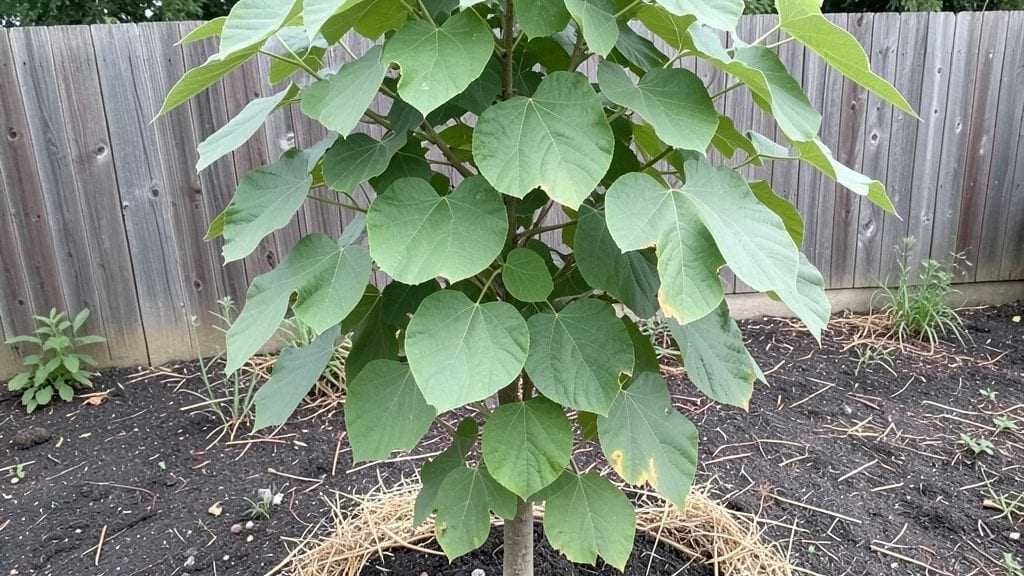
Northern catalpa tree leaves can be a gardener’s worst nightmare—those heart-shaped giants turn yellow, black, or riddled with holes faster than you can say "summer storm." 🌿 The problem isn’t just the mess; it’s the toxic caterpillars, fungal infections, and nutrient deficiencies that turn your shade tree into a leaf factory gone rogue.
I’ve wrestled with catalpas for years, and the key is spotting the real issues before they spiral.
Start by examining the leaves up close: black, fuzzy caterpillars mean sphinx moth larvae; white powder means powdery mildew; and brown spots with yellow halos? That’s likely a fungal infection. The good news?
Each problem has a targeted fix—from neem oil sprays to proper pruning techniques—that keeps your catalpa healthy without resorting to harsh chemicals. Let’s get those leaves back to their glossy, pest-free glory.
📚 In This Guide
- What you need
- Instructions
- Tips and common mistakes
- Wrapping up and next steps
What you need
- ● Safety gear: Nitrile or latex gloves (2 pairs—one for handling leaves, one for cleanup)
- ● Long-sleeved shirt and long pants (lightweight, breathable fabric)
- ● Safety goggles (ANSI-rated for debris protection)
- ● Identification tools: Magnifying glass (10x magnification for close leaf inspection)
- ● Field guide or smartphone app (e.g., iNaturalist or PictureThis for plant ID)
- ● Small plastic bag or container (for leaf samples)
- ● Removal supplies: Heavy-duty trash bags (2–3, 30-gallon size for bulk leaf collection)
- ● Pruning shears or loppers (bypass blades, 6–8" length for small branches)
- ● Garden rake (with sturdy tines for gathering leaves)
- ● Disposal prep: Compost bin liner (if composting—do not add Northern Catalpa leaves to regular compost!)
- ● Disposable dust mask (N95 or higher for cleanup)
- ● Spray bottle with water (to dampen leaves before handling)
- ● Petroleum jelly (to apply around nostrils if allergic to plant sap)
- ● Camera or phone (to document the tree’s location for future reference)
- ● Local waste disposal hotline number (to confirm toxic waste protocols)
How to identify and safely remove northern catalpa tree leaves
Here’s how to spot toxic catalpa leaves and handle them properly—without risking your yard or pets.
🌿 Step 1: Confirm It’s a Northern Catalpa Tree
Northern catalpa leaves are broad, heart-shaped, and grow in pairs opposite each other on the stem. They’re 6-12 inches long, with a slightly fuzzy texture and prominent veins that create a web-like pattern. The tree also produces long, bean-like seed pods in late summer—these are another dead giveaway.
I always check the bark too: catalpa bark is thick, ridged, and gray-brown, almost like rough elephant skin. If you’re unsure, snap a photo and compare it to online guides before proceeding. Mistaking catalpa for non-toxic trees could lead to accidental exposure risks.
✂️ Step 2: Gather Supplies for Safe Removal
You’ll need heavy-duty gloves (nitrile is best), long sleeves, goggles, and a heavy-duty trash bag for disposal. I also recommend a pruning saw if the leaves are high up or tangled in branches. Never use bare hands—catalpa leaves contain indole alkaloids, which can cause skin irritation and digestive upset if touched.
If you have pets or small children, add a pet-safe disinfectant spray to your list. You’ll want to clean up any accidental leaf debris immediately. I keep a spray bottle of vinegar and water (1:1 ratio) handy for quick surface cleaning—it neutralizes toxins without harsh chemicals.
🌱 Step 3: Remove Leaves Without Spreading Toxins
Start by sweeping or raking fallen leaves into a pile—don’t let them blow around your yard. Catalpa leaves release toxins when crushed, so avoid stomping or running over them. For high branches, use pruning shears to trim leaves directly into your trash bag. Never compost catalpa leaves—they’ll leach toxins into your soil.
If leaves are stuck to surfaces (like patios or fences), dampen them with water first to reduce dust before picking them up. I like to use a damp microfiber cloth to wipe down surfaces where leaves might have brushed against them. This step is critical for preventing accidental exposure to pets or kids who might touch contaminated areas.
🪴 Step 4: Dispose of Leaves Properly
Seal catalpa leaves in double-layered trash bags and tie them tightly. Place them in your regular trash (not recycling or compost)—municipal waste facilities can handle the toxins safely. If you’re dealing with a large infestation, consider renting a dumpster for bulk disposal. Never burn catalpa leaves—they release toxic fumes when burned.
After disposal, wash your tools (gloves, shears, rake) with soapy water and disinfect them with a 10% bleach solution (1 part bleach to 9 parts water). I also rinse my shoes and clothes separately to avoid tracking toxins indoors. This might seem extreme, but catalpa toxins linger and can cause skin rashes or stomach upset if not handled properly.
💧 Step 5: Prevent Regrowth and Monitor Your Yard
Northern catalpa trees are hardy and spread easily, so prune the tree regularly to limit leaf drop. Focus on removing suckers (new shoots) at the base of the tree—they’re the fastest way catalpa spreads. If the tree is in your yard but you want to remove it entirely, hire a licensed arborist to handle the job safely.
Keep an eye out for yellowing leaves or wilting in nearby plants—this could signal toxin runoff from decomposing catalpa leaves. If you notice pets or kids showing signs of nausea, vomiting, or skin irritation after exposure, contact a poison control center immediately. I’ve seen cases where even brief contact caused mild reactions, so vigilance is key.
Tips & tricks for handling northern catalpa tree leaves safely
Working with catalpa leaves requires extra caution—here’s how to handle them like a pro without risking your health or your yard.
Visual Confirmation: In Step 1, when checking for catalpa leaves, look for the distinctive bean-like seed pods that appear in late summer. These pods are a dead giveaway and often appear before the leaves fully mature. I’ve seen people mistake catalpa for sycamore or maple trees because of the leaf shape alone—always check for both leaves AND seed pods to be absolutely sure.
Gloves Are Non-Negotiable: Don’t skip the heavy-duty gloves in Step 2! I learned this the hard way after developing a rash from just brushing against leaves while wearing regular gardening gloves. Nitrile gloves provide the best protection against the indole alkaloids in catalpa leaves. If you’re working for extended periods, consider wearing two pairs for extra safety.
Surface Cleanup Strategy: For Step 3’s surface cleanup, I recommend using a damp mop or shop vacuum with a HEPA filter for hard surfaces. These tools pick up fine leaf particles that brooms might miss. After cleaning, wipe down the tools themselves with your vinegar-water solution to prevent cross-contamination. This is especially important if you have pets that might lick contaminated surfaces.
Disposal Backup Plan: When dealing with large quantities in Step 4, consider calling your local waste management service first. Some municipalities have special protocols for handling toxic plant waste. I once had to rent a dumpster for a neighbor’s catalpa cleanup, and the waste company actually provided free disposal for hazardous plant materials—always worth asking!
Pro Tips for Northern Catalpa Tree Leaves
- Working with catalpa leaves requires extra caution—here’s how to handle them like a pro without risking your health or your yard.
- Visual Confirmation: In Step 1, when checking for catalpa leaves, look for the distinctive bean-like seed pods that appear in late summer.
- Gloves Are Non-Negotiable: Don’t skip the heavy-duty gloves in Step 2!
Frequently asked questions
Got questions about northern catalpa leaves and their safety?
Here are answers to the most common concerns—so you can handle them with confidence!
Are northern catalpa leaves toxic to pets or livestock?
Yes, northern catalpa (Catalpa speciosa) leaves contain catalposide, a compound that can cause digestive upset, lethargy, or even neurological issues if ingested in large amounts by pets or animals. Keep pets away from fallen leaves, especially in mulch or compost piles.
When is the best time to remove northern catalpa leaves?
Remove leaves before they fall (late summer/early fall) to prevent toxicity risks and reduce cleanup. If leaves are already on the ground, wear gloves and dispose of them in sealed bags—never compost them with edible plants.
What’s a safe alternative to using catalpa leaves as mulch?
Northern catalpa leaves are not safe for mulch near gardens or pet areas. Opt for wood chips, straw, or shredded newspaper instead. For compost, mix catalpa leaves with high-nitrogen materials (like grass clippings) and monitor heat—these leaves decompose slowly.
What should I do if my pet eats northern catalpa leaves?
Contact your vet or the ASPCA Poison Control Center (888-426-4435) immediately. Symptoms like drooling, vomiting, or weakness may appear within hours. Do not induce vomiting unless instructed by a professional.
Do northern catalpa leaves cause allergies in humans?
While rare, some people may experience skin irritation or respiratory discomfort from handling catalpa leaves due to their mildly allergenic compounds. If you’re sensitive to plants like mulberry or catalpa, wear gloves and a mask when removing them.
Wrapping up and next steps
Identifying and safely removing northern catalpa tree leaves is essential for protecting your garden and pets—especially since these leaves can be toxic. By recognizing their heart-shaped, wavy-edged foliage and understanding the risks, you can act confidently.
Whether you’re clearing debris or ensuring a pet-friendly yard, knowledge is your best tool! 🌿
Ready to take action? Start by inspecting your yard—remove any suspicious leaves promptly, and consider planting safer alternatives for high-traffic areas. Your garden (and furry friends) will thank you!