
Pruning
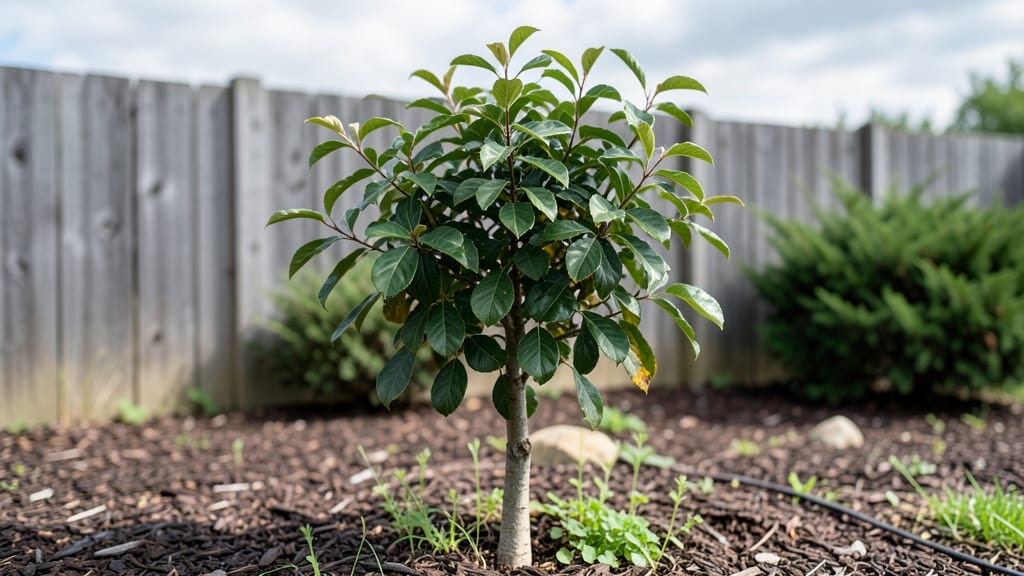
The North Star sour cherry tree thrives where cold winters and wet springs make growing fruit trees feel like a gamble. I planted mine in my Portland backyard after years of struggling with finicky stone fruits—this one delivers reliably, even after sub-zero nights.
The secret lies in its USDA Zone 3 hardiness and self-fertile nature, meaning you don’t need a second tree just to get fruit.
Your tree will need full sun and well-draining soil, but don’t stress about perfect conditions—this variety tolerates clay better than most cherries. Plant in early spring when the ground is workable, and space it 15-20 feet from other trees or structures.
The roots spread wide, so give them room to establish without competition.
By summer’s end, you’ll harvest tart-sweet cherries perfect for jams, pies, or fresh snacking. Prune annually to maintain an open canopy, and watch for cherry leaf spot—the only real pest threat. With proper care, your tree will produce for decades, outlasting many other fruit varieties.
Perfect for small homesteads, urban yards, or even large properties—just avoid planting near pavement where roots can bake in summer heat. The North Star’s resilience makes it the PNW’s best-kept fruit secret. Let’s get yours growing!
📚 In This Guide
- What you need
- Instructions
- Tips and common mistakes
- Wrapping up and next steps
What you need
- ● Pruning shears: Bypass pruners (sharp, clean, and disinfected with rubbing alcohol or bleach solution). Recommended: Felco F-2 or similar (for branches up to ½ inch thick).
- ● Loppers: For thicker branches (½–1½ inches). Look for: Long handles (20+ inches) and a ratcheting mechanism for ease.
- ● Pruning saw: Curved-tooth saw for branches over 1½ inches. Tip: A Japanese-style saw glides smoother through wood.
- ● Gloves: Heavy-duty, cut-resistant gloves (e.g., Mechanix or Pip Boys) to protect hands from thorns and splinters.
- ○ Disinfectant: 1 part bleach to 9 parts water (for sterilizing tools between cuts). Optional: Hydrogen peroxide (3%) for a gentler option.
- ○ Pruning sealant: (Optional) Tree wound sealant (e.g., Tanglefoot Tree Wound Pruning Seal) for cuts larger than ½ inch.
- ● Ladder or step stool: Sturdy, extendable ladder (for trees over 8 feet tall). Safety first: Use a harness if working high up!
- ○ Twine or zip ties: (For optional staking of weak branches).
- ● Timing: Prune during dormancy (late winter/early spring, before buds swell) or immediately after harvest. Avoid pruning in fall (risk of disease).
- ● Weather: Choose a dry, overcast day (wet wood splinters; sunny days can stress the tree).
- ● Tree health check: Inspect for diseases (e.g., leaf spot, canker) or pests before pruning. Pro tip: Remove and dispose of infected branches off-site.
- ● Safety gear: Safety glasses (to shield from debris) and closed-toe shoes.
- ● Cleanup supplies: Heavy-duty trash bags (for debris) and a shovel (to bury large branches or compost them).
- ● Pruning guide: Printed or digital reference (e.g., University of Washington’s cherry pruning chart).
- ● Marking spray: Fluorescent spray paint (to mark branches for removal).
- ● Tree growth regulator: (e.g., Bonide Fruit Tree Spray) for post-pruning care if needed.
- ● Camera or phone: To document the tree’s structure before/after pruning.
Step-by-step guide to planting and caring for a North Star sour cherry tree
This cold-hardy variety thrives in the Pacific Northwest’s climate—here’s how to get it growing strong.
Choose the Perfect Planting Site
The North Star sour cherry demands full sun exposure—select a location with at least 6-8 hours of direct sunlight daily. In the Pacific Northwest, where cloud cover is frequent, prioritize south-facing slopes or areas free of tall shade trees. I’ve found that even partial afternoon shade can reduce fruit set, so avoid spots where the sun dips behind buildings or hills after noon.
Soil drainage is critical—this tree despises soggy roots. Test your site by digging a 12-inch deep hole and filling it with water. If it drains in less than 30 minutes, you’re good. Amend heavy clay soil with 3-4 inches of compost mixed into the top 12 inches of native soil. The North Star adapts to a wide pH range (5.5-7.0), but slightly acidic soil (6.0-6.5) yields the sweetest fruit.
Plant at the Right Time and Depth
Spring is ideal—plant 4-6 weeks before your last frost date to allow roots to establish before summer heat. If you must plant in fall, do it 6-8 weeks before the first hard freeze to prevent winter stress. Dig a hole twice as wide as the root ball but no deeper—planting too deep suffocates roots and causes girdling.
Loosen the root ball’s edges with your fingers to encourage outward growth. Place the tree so the top of the root flare (where roots meet trunk) sits 2-3 inches above ground level. Backfill with native soil, tamping gently to eliminate air pockets. Water deeply to settle the soil, then create a 4-inch high berm around the outer edge of the hole to direct water toward roots.
Establish Proper Watering and Mulching
Water deeply 2-3 times per week for the first 2 growing seasons, providing 10-15 gallons per watering for mature trees. In the Pacific Northwest’s rainy climate, you’ll need to supplement during dry spells—check soil moisture by probing 6 inches deep with a trowel. If it feels dry, water again. Overhead watering encourages fungal diseases, so use a soaker hose or drip irrigation at the tree’s base.
Apply 3-4 inches of wood chips or bark mulch in a 3-foot diameter ring around the tree, keeping mulch 6 inches away from the trunk to prevent rot. Replenish mulch annually—this conserves moisture, regulates soil temperature, and suppresses weeds. Avoid fresh grass clippings or untreated wood chips, which can compact or introduce pathogens.
Prune for Structure and Disease Prevention
Prune during dormancy (late winter/early spring) to shape the tree and remove dead wood. Start by opening the center to improve airflow—this reduces humidity and fungal risks like cherry leaf spot. Remove suckers (shoots from the base) immediately, as they drain energy from fruit production. Thin out crossing branches to prevent bark injuries.
For the North Star, prioritize open-vase shape with a strong central leader. Limit summer pruning to light thinning after harvest—never remove more than 25% of the canopy in one season. Sterilize pruners with 70% rubbing alcohol between cuts to prevent bacterial spread. You’ll see faster recovery and fewer disease issues if you prune strategically.
Fertilize and Monitor for Pests/Diseases
Apply a balanced 10-10-10 fertilizer in early spring, spreading ½ pound per inch of trunk diameter around the drip line. For example, a 4-inch diameter trunk gets 2 pounds of fertilizer. Avoid high-nitrogen fertilizers—they promote leafy growth at the expense of fruit. In the Pacific Northwest, organic compost tea in early summer provides micronutrients without burning roots.
Watch for cherry fruit flies and aphids, which are common in PNW orchards. Use row covers during bloom to deter pests, and apply neem oil spray if you spot infestations. Fungal diseases like powdery mildew thrive in humid summers—spray copper fungicide preventatively if your area has a history of outbreaks. Healthy trees handle stress better, so consistent care pays off in bigger harvests.
Tips & tricks for perfect North Star sour cherry tree cultivation
These expert insights will help you nurture a thriving North Star sour cherry tree that produces abundant fruit year after year in the Pacific Northwest's challenging climate.
Sunlight Optimization: While the instructions emphasize 6-8 hours of direct sunlight, I've found that positioning your tree on a south-facing slope can actually capture an extra 1-2 hours of sunlight during winter months when days are shorter. In urban areas with tall buildings, consider using reflective surfaces like light-colored walls or fences to maximize sunlight exposure during the critical afternoon hours when fruit set occurs.
Soil Testing Strategy: Don't rely solely on the 12-inch drainage test—consider investing in a simple soil pH test kit ($10 at garden centers) to verify your soil's acidity. The North Star thrives in slightly acidic soil (6.0-6.5), but many Pacific Northwest soils naturally lean alkaline. If your test shows pH above 7.0, amend with elemental sulfur (follow package instructions) before planting to create optimal growing conditions from day one.
Watering Precision: The recommended 2-3 times per week for the first two seasons might feel excessive in our rainy climate, but consistency is key. I've seen trees suffer from uneven moisture distribution when gardeners rely solely on rainfall. Consider installing a simple rain gauge near your tree to monitor actual rainfall—supplement when you get less than 1 inch of rain per week during dry spells. This prevents the boom-and-bust cycles that stress young trees.
Pruning Timing Nuance: While dormancy pruning is essential, I've noticed that trees in colder microclimates (like higher elevations in the Cascades) benefit from a second, lighter pruning in early summer after harvest. This removes any water sprouts that might have formed and opens up the canopy for better air circulation—just be sure to sterilize your tools between cuts to prevent disease spread. The key is to never remove more than 25% of the canopy in any single season.
Pro Tips for North Star Sour Cherry Tree
- These expert insights will help you nurture a thriving North Star sour cherry tree that produces abundant fruit year after year in the Pacific Northwest's challenging climate.
- In urban areas with tall buildings, consider using reflective surfaces like light-colored walls or fences to maximize sunlight exposure during the critical afternoon hours when fruit set occurs.
- Soil Testing Strategy: Don't rely solely on the 12-inch drainage test—consider investing in a simple soil pH test kit ($10 at garden centers) to verify your soil's acidity.
Frequently asked questions
Got questions about growing and caring for your North Star sour cherry tree? You’re not alone!
Here are some of the most common queries from gardeners in the Pacific Northwest and beyond—plus quick, practical answers to keep your tree thriving.
When is the best time to prune my North Star sour cherry tree?
The ideal time to prune is late winter or early spring (before buds swell but after the worst cold snaps). This helps stimulate strong growth for the season. Avoid pruning in fall—it can leave wounds vulnerable to disease. Pro tip: Use sharp, clean tools to prevent damage!
How cold-hardy is the North Star sour cherry tree?
This variety is zoned for USDA Hardiness Zones 3-8, making it one of the most frost-resistant cherries out there. It can handle temperatures as low as -40°F without issue, perfect for PNW winters! Just ensure it gets full sun to maximize cold tolerance.
Why aren’t my cherries ripening fully?
Incomplete ripening often stems from insufficient sunlight or late frost damage to blossoms. Ensure your tree gets at least 6-8 hours of direct sun daily. If frost hits early, consider row covers during bloom season. Poor soil nutrients (like nitrogen or potassium) can also delay ripening—test your soil and amend as needed.
Do I need to hand-pollinate my North Star sour cherry tree?
While North Star is self-pollinating, planting a second cherry tree nearby (like Montmorency) can boost fruit production by 20-30%. Bees and wind handle most pollination, but a cool, wet spring might require a gentle shake of branches to help.
What’s the best alternative if I can’t grow a North Star?
If space or climate is a concern, consider these low-maintenance alternatives:
For PNW gardeners, North Star still wins for reliability!
Wrapping up and next steps
Growing a North Star sour cherry tree in the Pacific Northwest is a rewarding journey—especially when you master the art of pruning to ensure vibrant fruit production and tree health. 🌱 With the right tools, timing, and techniques, you’ll unlock its full potential, from disease resistance to sweet-tart harvests.
Whether you’re a seasoned gardener or just starting, every snip brings you closer to a thriving orchard.
Ready to take the next step? Start small: pick one pruning session this season and observe how your tree responds. Over time, you’ll build confidence—and soon, your neighbors will be asking for tips on cultivating their own PNW frost-resistant fruit powerhouse!