
Pruning
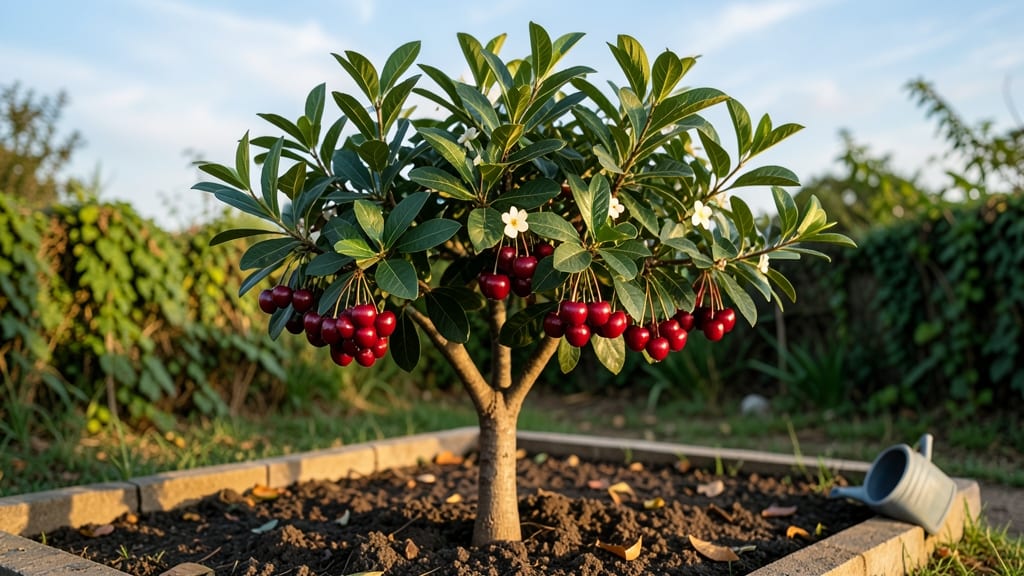
Growing a Brazilian cherry fruit tree in your yard means sweet, tangy fruit year after year—even when frost threatens. 🌿 I learned the hard way that pruning at the right time keeps these trees productive, and the secret isn’t complicated: it’s about timing and technique.
My first tree nearly lost its shape after a late freeze, but after a few seasons of adjusting, it’s now loaded with fruit from spring to fall.
The key is pruning just before new growth starts, usually in late winter or early spring, when the tree’s still dormant but frost risk has passed. You’ll need sharp pruners, a ladder (for taller trees), and a clear day to see the branches.
The goal is to shape the tree, remove dead wood, and open up the center for airflow—this keeps fruit production steady and reduces disease risk. Even in colder zones, with the right cuts, your tree can bounce back stronger than ever.
What you’ll end up with is a tree that looks neat, grows vigorously, and produces more fruit than you can eat—if you don’t share it first. The cherries ripen in waves, so you’ll have fresh fruit for months, and the tree’s glossy leaves add year-round interest.
The best part? Once you master the pruning rhythm, it only takes about 30 minutes a year to keep it thriving.
Works in containers for small spaces or as a standalone tree in the yard—just adjust pruning slightly for size. Whether you’re in a mild climate or a frost-prone zone, this method keeps your Brazilian cherry tree happy and productive. Let’s get those branches trimmed right!
📚 In This Guide
- What you need
- Instructions
- Tips and common mistakes
- Wrapping up and next steps
What you need
- ● Brazilian cherry tree (Eugenia uniflora) – A healthy, disease-free sapling (3-5 years old) or grafted tree (ensure it’s cold-hardy for your zone).
- ● Pruning shears – Sharp, bypass-style shears (for clean cuts on small branches).
- ● Loppers – For thicker branches (up to 2 inches in diameter).
- ● Pruning saw – For large branches (3+ inches) or deadwood removal.
- ● Disinfectant – 70% isopropyl alcohol or a 10% bleach solution (to sterilize tools between cuts).
- ● Garden gloves – Heavy-duty, cut-resistant gloves (thorns are sharp!).
- ○ Pruning sealant – Optional but helpful for sealing large cuts (e.g., tree wound dressing).
- ● Mulch – Organic mulch (wood chips or straw) to retain moisture and protect roots.
- ● Watering can or hose – With a gentle spray nozzle for post-pruning hydration.
- ● Extension pole – For high branches (10+ feet).
- ● Handheld leaf blower – To clear debris after pruning.
- ● Tree pruning spray – Fungicide to prevent disease in cuts.
- ● Stake and ties – If your tree needs support after heavy pruning.
- ● Frost cloth – For young trees in colder zones (extra protection during winter).
Step-by-Step pruning for a thriving Brazilian cherry tree
Here’s how I keep my Brazilian cherry tree productive through every season—even frost.
✂️ Step 1: Prune for Shape and Airflow in Late Winter
Start your pruning 2-3 weeks before your last frost date when the tree is still dormant. I use sharp, sterilized pruners to make clean cuts just above a bud or branch collar—never leave stubs. Remove any dead, crossing, or weak branches first. These cuts encourage new growth and prevent disease.
Shape the tree into an open center, allowing sunlight to reach the inner branches. Brazilian cherries thrive with good airflow, so avoid dense clusters. Watch for water sprouts (fast-growing vertical shoots)—these sap energy from fruit production. Cut them back to a lateral branch.
🌱 Step 2: Light Pruning After Spring Flowering
Wait until after flowering (usually late spring) to do a second, lighter pruning. This ensures you don’t remove potential fruit buds. Focus on thinning out overcrowded branches to improve fruit size and quality. I remove no more than 25% of the tree’s foliage in this step.
Look for branches growing inward or rubbing against others—these compete for sunlight and can damage each other. Cut these back to the nearest outward-growing bud. You’ll see new shoots emerge within 4-6 weeks, signaling the tree is recovering well.
☀️ Step 3: Summer Pruning for Fruit and Pest Control
During summer, prune only to remove diseased or pest-infested branches. I inspect the tree weekly for signs of anthracnose (dark spots) or fruit borers (tiny holes in cherries). Cut out affected branches 6 inches below the damage to prevent spread.
Thin out excess fruit clusters to 6-8 inches apart on each branch. Overloaded branches can snap under the weight, and fewer cherries mean larger, sweeter fruit. Water deeply after pruning to help the tree recover—you’ll notice new foliage within 2-3 weeks if the tree is healthy.
⏰ Step 4: Prepare for Frost with Strategic Winter Cuts
In late fall, remove any weak or frost-damaged branches before the first hard freeze. Brazilian cherries are frost-resistant, but young branches can still suffer. Cut back to a strong, healthy bud or branch collar. Avoid heavy pruning now—this stresses the tree before winter.
Apply a 2-3 inch layer of mulch around the base (but not touching the trunk) to insulate roots. I use wood chips because they break down slowly. This helps protect roots from temperatures below 20°F, which is the tree’s lower limit. Check for frost damage in early spring—new growth should appear within 3-4 weeks if the tree survived.
Tips & tricks for pruning your Brazilian cherry tree
These simple strategies will help you keep your Brazilian cherry tree thriving year after year, no matter the weather.
Timing is Everything: The 2-3 weeks before your last frost date is your perfect window for Step 1 pruning. Check your local frost calendar—this timing ensures the tree has time to heal before spring growth begins. I always mark my calendar with frost dates the previous fall so I don't forget this crucial timing.
Tool Preparation Matters: Sterilize your pruners with rubbing alcohol between cuts to prevent spreading disease. I also sharpen my blades before each pruning session—dull tools crush branches rather than making clean cuts. This simple step prevents unnecessary stress on your tree and promotes faster healing.
Visual Cues for Healthy Growth: When shaping your tree in Step 1, look for branches that form a "V" shape with others—these are your keepers. The open center you create should resemble an upside-down umbrella, allowing sunlight to reach all branches. This structure prevents dense clusters that can harbor pests and diseases.
Frost Protection Secrets: The 2-3 inch layer of wood chips you apply in Step 4 acts like a natural blanket for your roots. I always check the mulch depth in early spring—if it's less than 2 inches, I add more. This insulation is crucial for protecting roots from temperatures below 20°F, which is the tree's lower limit for frost resistance.
Pro Tips for Brazilian Cherry Fruit Tree
- These simple strategies will help you keep your Brazilian cherry tree thriving year after year, no matter the weather.
- Timing is Everything: The 2-3 weeks before your last frost date is your perfect window for Step 1 pruning.
- Tool Preparation Matters: Sterilize your pruners with rubbing alcohol between cuts to prevent spreading disease.
Frequently asked questions
How cold can a Brazilian cherry tree tolerate before frost damage occurs?
A Brazilian cherry tree (Eugenia uniflora) is one of the hardiest tropical fruit trees, surviving light frosts down to 15–20°F (-9 to -7°C). However, prolonged exposure below 25°F (-4°C) can damage leaves and flowers. For heavy frost zones, plant in sheltered microclimates or mulch heavily to protect roots.
When is the best time to prune for maximum fruit production?
Prune your Brazilian cherry tree late winter or early spring (before buds swell) to encourage new growth and fruit-bearing branches. Avoid heavy pruning in fall—it stimulates tender shoots vulnerable to frost. Light shaping after harvest (summer) can improve airflow and reduce disease risk.
Why isn’t my Brazilian cherry tree producing fruit—what am I missing?
Common culprits include:
- Insufficient sunlight: Needs 6+ hours of direct sun daily.
- Improper pruning: Over-pruning removes fruiting wood; keep 30–50% of the canopy intact.
- Young age: Trees may take 3–5 years to bear fruit.
- Pollination issues: Self-pollinating but benefits from cross-pollination.
Can I grow a Brazilian cherry tree in containers? What size pot do I need?
Yes! Use a 15–20 gallon pot with drainage holes and well-draining soil. Choose dwarf varieties if space is limited. Move containers indoors or to a garage during temperatures below 30°F (-1°C) to protect roots. Repot every 2–3 years to refresh soil.
How do I fix overgrown or leggy Brazilian cherry branches?
Revive leggy growth with structural pruning:
- Remove dead or crossing branches first.
- Cut back overlong branches by 1/3 to encourage bushier growth.
- Focus cuts on outer growth to open the canopy for sunlight.
- Apply root stimulator after pruning to reduce stress.
Are there frost-resistant alternatives to Brazilian cherry?
If your climate is too harsh, consider these cold-hardy fruit trees:
- Hardy Kiwi (Actinidia arguta) – Tolerates 10°F (-12°C).
- Jostaberry – Hybrid of gooseberry/currant (20°F/-7°C).
- Honeyberry (Lonicera caerulea) – Thrives in Zone 3.
- Arctic Kiwi (Actinidia kolomikta) – 25°F (-4°C) tolerance.
Wrapping up and next steps
Growing a Brazilian cherry fruit tree with frost-resistant pruning is a rewarding journey that yields delicious fruit year-round! With the right tools, timing, and techniques, you can ensure a healthy, productive tree that thrives even in cooler climates.
Whether you're a seasoned gardener or just starting, this guide gives you the confidence to prune like a pro.
Now that you’re armed with knowledge, take the next step—grab your pruners and give your tree the care it deserves! 🌿✂️ Start small, observe your tree’s growth, and refine your approach over time. Happy pruning, and may your Brazilian cherry tree flourish for seasons to come!