
Planting
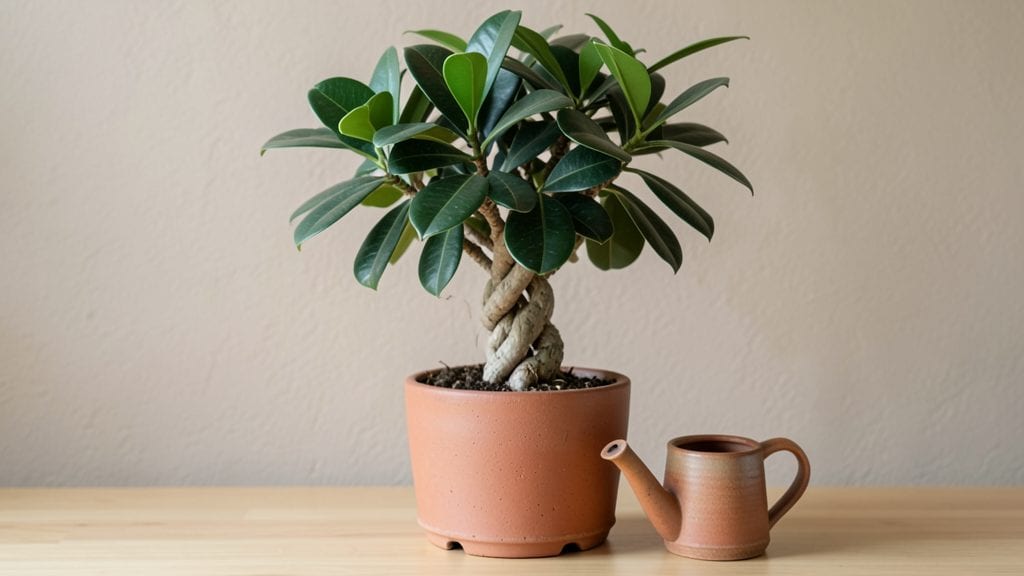
My money tree plant care routine starts with understanding its love for low-light spaces—it thrives where other plants struggle. 🌿 This tropical beauty adapts perfectly to indoor life, but it needs consistent attention to stay lush and healthy.
The key is balancing moisture, light, and occasional pruning to encourage that signature braided trunk.
You’ll need a well-draining potting mix, a container with drainage holes, and a spot that gets bright but indirect light—like near a north-facing window. Water when the top inch of soil feels dry, and mist the leaves weekly to mimic its humid tropical home.
Prune leggy growth in early spring to keep it full and compact.
With the right care, your money tree will reward you with glossy leaves and a sturdy trunk that grows thicker each year. The best part? It’s forgiving—even if you forget to water occasionally, it bounces back. Soon, you’ll have a thriving centerpiece that brings luck and life to your space.
Seasonal shifts matter too—reduce watering in winter when growth slows, and dust the leaves monthly to help them absorb light. Small adjustments keep your money tree happy year-round, no matter how dim your indoor lighting gets.
📚 In This Guide
- What you need
- Instructions
- Tips and common mistakes
- Wrapping up and next steps
What you need
- ● Money Tree Plant: A healthy 4- to 6-inch potted Money Tree (check for lush green leaves and sturdy branches).
- ● Well-Draining Potting Mix: 2-3 gallons of a lightweight, airy mix (e.g., 60% peat moss, 20% perlite, and 20% sand or orchid bark). Avoid heavy garden soil!
- ● Pot with Drainage Holes: A 10- to 12-inch diameter ceramic or terracotta pot (terracotta helps wick away moisture).
- ● Watering Can or Spray Bottle: A gentle-spray nozzle for misting or a can with a narrow spout for precise watering.
- ● Fertilizer: A balanced liquid fertilizer (10-10-10 or 20-20-20, diluted to half-strength) or a slow-release granular fertilizer.
- ● Pruning Shears: Small, sterilized shears (for trimming brown leaves or shaping the tree).
- ● Humidity Tray or Pebbles: A shallow tray + pebbles (to boost humidity in dry climates).
- ● Grow Lights: LED full-spectrum bulbs (12-14 hours/day) if natural light is <500 lumens.
- ● Plant Food Sticks: Slow-release orchid or palm fertilizer spikes for hassle-free nutrition.
- ● Moss or Sphagnum: For extra humidity or as a decorative pot liner.
- ● Decorative Pot: A cachepot (decorative outer pot) to match your décor—just ensure it has drainage!
- ● Plant Monitor: A soil moisture meter to avoid over/under-watering.
Step-by-Step instructions for money tree plant care indoors
Here's the simple routine I follow to keep my money tree thriving—no fancy equipment needed.
🪴 Step 1: Choose the Right Pot and Drainage
Start with a pot that's 2-3 inches larger in diameter than your plant's current root ball. Money trees dislike soggy roots, so pick one with drainage holes. I like terracotta because it breathes and helps prevent overwatering. If your pot lacks holes, add a layer of 1-2 inches of pebbles or broken pottery at the bottom before adding soil.
Money trees grow slowly, so you won't need to repot more than once every 2-3 years. The key is finding a pot that gives roots room to spread without overwhelming the plant. If you're starting fresh, a 6-8 inch pot works perfectly for a young money tree.
☀️ Step 2: Position for Optimal Low-Light Growth
Place your money tree in bright, indirect light—think near an east-facing window or a few feet from a south-facing one. Direct sunlight will scorch the glossy leaves, while dim corners cause leggy growth. You'll know the light is right when new leaves emerge with their signature dark green color and smooth edges.
If your space is truly low-light, don't panic—money trees tolerate it better than most. Just rotate the pot a quarter turn weekly so the plant grows evenly. You'll notice the stems stay upright instead of leaning toward one light source.
💧 Step 3: Water with Precision (The Most Critical Step)
Water your money tree when the top 1-2 inches of soil feel dry to touch. Stick your finger in—if it comes out clean, it's time. I use the "soak-and-drain" method: water thoroughly until it runs out the drainage holes, then empty the saucer after 10-15 minutes. Overwatering is the #1 killer of money trees.
Money trees store water in their thick stems, so they don't need frequent watering. In winter, you might only water every 3-4 weeks. Watch for yellowing leaves—this usually means overwatering, while brown leaf tips signal underwatering or dry air.
🌿 Step 4: Dust Leaves and Encourage New Growth
Money trees love clean leaves! Dust them every 2-4 weeks with a damp microfiber cloth or your finger. The glossy foliage reflects light better when clean, and it prevents pests from hiding. I do this while watering—just wipe each leaf gently as I go.
Fertilize lightly during spring and summer with a balanced liquid fertilizer (10-10-10) diluted to half-strength. Apply every 4-6 weeks only. You'll see new growth as a sign it's working—look for bright new leaves emerging from the stems. Skip fertilizer in fall and winter when growth slows.
✂️ Step 5: Prune for Shape and Health
Prune in late winter or early spring when the plant is entering its active growth phase. Use clean, sharp scissors to trim back leggy stems just above a leaf node. This encourages bushier growth. You can also pinch off the tips of new growth to promote branching—just snip the top 1/4 inch of the stem.
Never prune more than 1/3 of the plant at once. Money trees are forgiving, but drastic cuts stress them. After pruning, wipe the scissors with rubbing alcohol to prevent disease. You'll see fresh new leaves forming within 4-6 weeks as the plant responds to the pruning.
Tips & tricks for perfect money tree plant care
Here's what I've learned after keeping my money tree happy for years—these little details make all the difference for that lush, thriving look.
The Pot Size Secret: That 2-3 inch rule for pot diameter is crucial because money trees hate feeling cramped. I've seen plants grow leggy when roots get crowded too fast. If you're starting with a 6-8 inch pot, that gives your young tree perfect room to establish without overwhelming it. And remember—terracotta isn't just my preference, it's actually better for preventing overwatering than plastic.
Light Rotation Strategy: The quarter turn weekly rotation in Step 2 prevents that frustrating lopsided growth. I set a timer on my phone for every Sunday morning to remind me—consistency is key. You'll notice the stems stay perfectly upright instead of leaning dramatically toward one window. For truly low-light spaces, consider a small grow light on a timer for just 4-6 hours daily during winter months.
Watering Timing Tip: Those 10-15 minutes after watering to empty the saucer are more important than you might think. The saucer should be bone dry after that time to prevent root rot. I've made the mistake of leaving water sitting, and within days my plant developed yellow leaves. Pro tip: Use a spray bottle to mist the leaves while you're waiting—it doubles as a cleaning step!
Pruning Recovery: When you're pruning those leggy stems in Step 5, here's what nobody tells you—the cuttings can actually root in water! Place them in a glass of water with just the bottom inch submerged, and you'll have baby money trees in about 4-6 weeks. Just don't expect miracles from more than one-third of the plant at once—money trees are tough but not invincible.
Pro Tips for Money Tree Plant Care Indoor
- Here's what I've learned after keeping my money tree happy for years—these little details make all the difference for that lush, thriving look.
- The Pot Size Secret: That 2-3 inch rule for pot diameter is crucial because money trees hate feeling cramped.
- Light Rotation Strategy: The quarter turn weekly rotation in Step 2 prevents that frustrating lopsided growth.
Frequently asked questions
Got questions about keeping your money tree thriving indoors? You’re not alone—this lush plant has quirks even seasoned plant parents love to troubleshoot! Here are answers to the most common queries to help you nurture your green good luck charm with confidence.
How often should I water my money tree?
Water your money tree only when the top 1–2 inches of soil are dry. Overwatering is the #1 killer—stick your finger in the soil to check! In low-light spaces, it may need water every 2–3 weeks, while brighter areas might require weekly checks. Drainage is key: Ensure the pot has holes, and empty the saucer after watering to prevent root rot.
Why are the leaves turning yellow or brown?
Yellowing leaves usually signal overwatering, while brown tips or edges often mean low humidity or underwatering. Check the soil moisture first—adjust your watering schedule if soggy. For crispy edges, mist the leaves or place a pebble tray nearby. Too much direct sun can also scorch leaves, so keep your money tree in bright, indirect light.
Can a money tree survive in low-light conditions?
Money trees are tropical survivors and thrive in low to medium indirect light—perfect for offices or dim corners. However, growth may slow in very dark spaces. If leaves start stretching (called etiolation), rotate the pot occasionally or move it closer to a window. A grow light can help if natural light is scarce.
How do I prune a money tree?
Pruning encourages bushier growth and removes dead/damaged leaves. Use sterilized scissors to trim just above a leaf node (the bump where leaves grow). For shaping, cut back leggy stems to promote branching. Pro tip: Prune in spring or early summer when the plant is actively growing. Avoid heavy pruning in winter—it stresses the plant!
Is the money tree toxic to pets or kids?
Great news: Money trees (Pachira aquatica) are non-toxic to cats, dogs, and humans! You can safely place them in homes with furry friends or curious little hands. However, always monitor pets—some may nibble out of habit. If you’re unsure, check with your vet or the ASPCA for updates.
What’s the best alternative if my money tree isn’t thriving?
If your money tree struggles with low humidity or light, try these low-maintenance alternatives:
- Snake Plant (Sansevieria): Nearly indestructible and loves low light!
- ZZ Plant (Zamioculcas zamiifolia): Thrives in neglect and dim corners.
- Cast Iron Plant (Aspidistra elatior): Handles everything from pet paws to poor lighting.
- Pothos (Epipremnum aureum): Fast-growing and forgiving in low light.
Wrapping up and next steps
Caring for your money tree plant indoors is simpler than you think—especially in low-light spaces! With the right balance of light, water, and love, this resilient plant will thrive and bring luck (and lushness) to your home. 🌱✨
Now that you’re armed with tips and answers, take the next step: adopt your money tree today and watch it grow into a stunning centerpiece. Whether you’re a beginner or a seasoned plant parent, this green companion is ready to reward your efforts with vibrant, thriving foliage!