Pruning
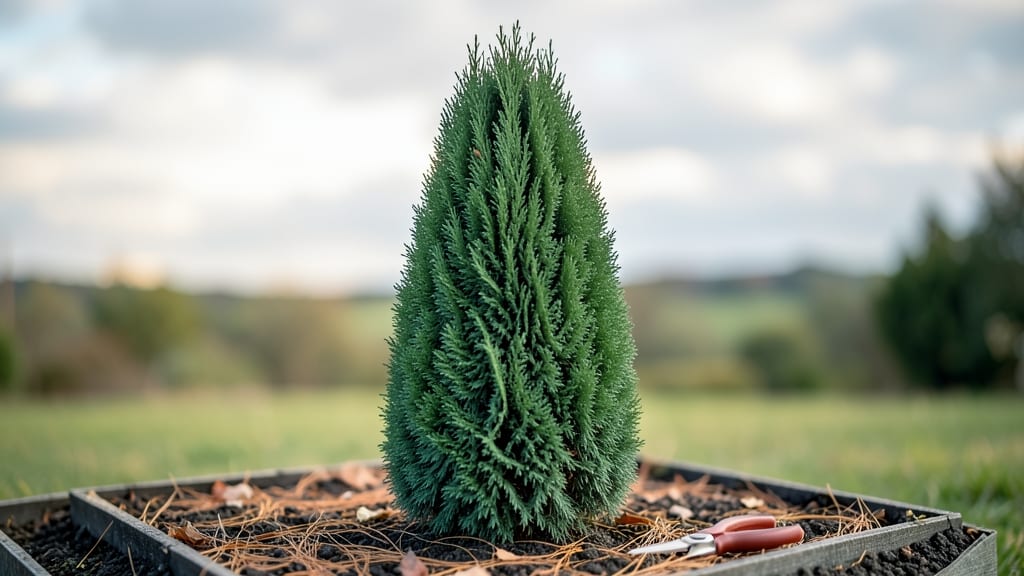
Those towering, perfectly sculpted miniature European cypress trees turn any garden corner into an instant focal point—without the fuss of constant pruning. 🌿 I remember the first time I spotted one in a friend’s courtyard, its slender columns reaching skyward like nature’s own obelisk, and I knew it would transform my own space.
The secret lies in their natural elegance: no need for shears more than once a year, just pure, structured beauty that thrives year-round.
What makes them so special is their versatility—whether you’re lining a pathway, framing a doorway, or adding height to a container garden. Their compact size (typically 6–10 feet tall) means they fit almost anywhere, yet they command attention like a full-sized tree.
Pair them with lavender for a Mediterranean vibe or boxwood for a classic hedge, and you’ve got a design that feels both timeless and effortless.
Imagine the soft rustle of their needle-like foliage in summer breezes, the way they hold their shape even in winter’s frost, and how they glow golden-brown in autumn light.
They’re the kind of plant that makes neighbors pause and ask, “What’s that?”—and then you get to share how easy they are to care for. The best part? Their slow growth means you’ll enjoy their presence for decades without the upkeep.
Perfect for small spaces, urban courtyards, or even as a striking centerpiece in large pots. Once you plant one, you’ll see why gardeners swear by them for their quiet sophistication. Let’s talk about how to make them shine in your design.
📚 In This Guide
- What you need
- Instructions
- Tips and common mistakes
- Wrapping up and next steps
What you need
- ● Miniature European Cypress Tree: Choose a Cupressus sempervirens cultivar like ‘Tiny Tower’ or ‘Little Gem’ (3–6 ft mature height). Nursery-grown saplings (1–3 ft tall) are ideal for faster results.
- ● Well-draining soil: Mix 1 part potting soil with 1 part perlite or coarse sand (for pots) or amend garden soil with compost and grit (for in-ground planting).
- ○ Container (optional but recommended): A 5–10 gallon pot with drainage holes (terracotta or fabric pots work best).
- ● Slow-release fertilizer: A balanced 10-10-10 or 20-20-20 formula (apply at planting and again in spring).
- ● Pruning tools: Bypass pruners (for clean cuts on stems <¼ inch thick).
- ● Concave pruning shears (for shaping thicker branches).
- ● Sharp sterilized knife or saw (for larger branches, if needed).
- ● Mulch: Pine bark or gravel (2–3 inches deep) to retain moisture and suppress weeds.
- ● Gloves (gardening or pruning gloves to protect hands).
- ● Watering can or hose with a gentle nozzle (avoid overwatering!).
- ● Stakes or plant ties (if planting in windy areas).
- ○ Fungicide (optional: copper-based for prevention of fungal issues).
- ○ Tree support collar (optional: for young trees in heavy soil).
- ● String lights or decorative accents (for indoor or ornamental setups!).
How to grow miniature European cypress trees for year-round beauty
These graceful trees thrive with minimal fuss—here's how to grow them into living sculptures.
🪴 Step 1: Choose the Right Location and Container
Miniature European cypress trees need full sun exposure (6+ hours daily) for their signature columnar shape. A south-facing window or outdoor spot with afternoon sun works best. I always plant mine in well-draining containers—terra cotta or ceramic pots with drainage holes prevent soggy roots, which these trees hate.
For four plants, use 5-gallon containers to give roots room to establish. The pot should be slightly wider than the root ball but not so large that soil stays damp too long. Elevate pots on feet or saucers to improve airflow around the base—this prevents fungal issues that can stunt growth.
☀️ Step 2: Plant with Proper Spacing and Soil
Fill the container with a mix of 50% potting soil and 50% coarse sand or perlite to ensure excellent drainage. Cypress trees despise wet feet, so I always add a 1-inch layer of gravel at the bottom of each pot before adding soil. This creates a drainage reservoir that keeps roots from sitting in water.
Plant each tree at the same depth it grew in its nursery pot—burying too deep suffocates the trunk, while planting too shallow exposes roots to drying winds. Space four plants 18-24 inches apart if planting in-ground, or use individual containers for patio displays. Water thoroughly after planting to settle the soil around roots.
💧 Step 3: Water Consistently Without Overdoing It
Water your cypress trees once weekly during warm months, letting the top 2 inches of soil dry out between waterings. In winter, reduce to every 2-3 weeks unless your home has dry air. I always check moisture by sticking my finger in the soil—if it feels dry at the first knuckle, it's time to water.
Water deeply until it runs out the drainage holes, then empty the saucer immediately. Wet foliage encourages fungal diseases, so I water at the base rather than overhead. Mulch the soil surface with 1 inch of pine bark to retain moisture and suppress weeds—just keep it 2 inches away from the trunk to prevent rot.
✂️ Step 4: Prune for Shape and Health
Miniature cypress trees need minimal pruning—just light shaping in late winter or early spring before new growth begins. Use clean, sharp bypass pruners to trim back any leggy branches or overgrowth that disrupts the columnar shape. I never cut more than 1/3 of any branch at once, as this stresses the tree.
Remove only the tips of branches to encourage bushier growth. Avoid heavy pruning in fall or winter, as new growth won't harden off before cold weather. If you notice brown tips, they're likely from winter burn—simply trim them back to fresh green growth in early spring.
🌿 Step 5: Fertilize and Protect for Long-Term Growth
Feed your cypress trees once in early spring with a balanced 10-10-10 fertilizer diluted to half-strength. I apply it to the soil surface around the base, then water thoroughly to distribute nutrients. Avoid fertilizing in fall or winter, as this encourages tender new growth that won't survive cold snaps.
Protect young trees from harsh winds and salt spray if planted near roads or coastlines. A light burlap wrap around the pot in winter helps insulate roots from temperature swings. With proper care, your miniature cypress trees will maintain their elegant shape for years with minimal effort.
Tips & tricks for perfect miniature European cypress trees
Here's what I've learned after growing these stunning trees for years—simple tricks that make all the difference for long-term success.
Location is Everything: In Step 1, pay special attention to that 6+ hours of full sun requirement. I've found that morning sun with afternoon shade works best in hot climates—this prevents leaf scorch while still maintaining that elegant columnar shape. If your outdoor space only gets partial sun, place your containers where they'll receive the most direct sunlight available.
Soil Mix Matters: When creating your 50/50 potting soil and coarse sand/perlite mix in Step 2, I recommend adding a handful of orchid bark to the mix. This extra ingredient improves aeration and helps prevent compaction over time. The 1-inch gravel layer at the bottom is non-negotiable—it's what keeps those sensitive roots from sitting in water, which these trees absolutely despise.
Winter Care Secret: For Step 5's winter protection, I've had great success with a different approach than just burlap. Wrap the pots in frost cloth or even old blankets, leaving the top open to prevent moisture buildup. This creates a microclimate that protects roots from temperature swings while still allowing air circulation. I also move containers to a sheltered spot against a wall or under an eave to block wind.
Pruning Technique: When doing your light shaping in late winter (Step 4), focus on creating a natural taper by cutting slightly more from the bottom branches than the top. This maintains that signature columnar shape while encouraging bushier growth at the base. Remember to sterilize your pruners with rubbing alcohol between cuts to prevent spreading disease between branches.
Pro Tips for Miniature European Cypress Tree
- Here's what I've learned after growing these stunning trees for years—simple tricks that make all the difference for ...
- Location is Everything: In Step 1, pay special attention to that 6+ hours of full sun requirement. I've found that mo...
- Soil Mix Matters: When creating your 50/50 potting soil and coarse sand/perlite mix in Step 2, I recommend adding a h...
Frequently asked questions
Got questions about keeping your miniature European cypress tree thriving?
Here are answers to the most common ones—so you can enjoy its year-round elegance with confidence!
How often should I prune a miniature European cypress tree?
Prune your miniature European cypress once or twice a year—lightly in early spring (to shape new growth) and lightly again in late summer (to tidy up). Avoid heavy pruning in fall or winter, as it stresses the tree. Use sharp, sterilized shears for clean cuts, and never trim more than one-third of the foliage at once.
Can miniature European cypress trees survive winter?
Yes! These trees are hardy to USDA Zones 6-10 and tolerate light frost. For extra protection in colder climates (below 10°F), wrap the base with burlap or use a frost cloth. Mulch the root zone with 2-3 inches of organic mulch to insulate roots. Avoid pruning in late fall—wait until early spring for best results.
How much water does a miniature European cypress need?
Water deeply but infrequently—about 1-1.5 inches per week during the first year, then reduce to once every 10-14 days once established. Overwatering causes root rot, so ensure the soil drains well. In containers, check soil moisture by sticking your finger 1-2 inches deep; water when dry. Pro tip: Drought-tolerant once mature!
What’s the best alternative if my cypress tree isn’t thriving?
If your miniature European cypress struggles with pests (like spider mites) or disease (fungal spots), consider these low-maintenance alternatives:
- Dwarf Italian Cypress (Cupressus sempervirens ‘Stricta’): Similar shape, slightly faster growth.
- Dwarf Hinoki Cypress (Chamaecyparis obtusa ‘Nana Gracilis’): Soft, feathery foliage; loves shade.
- Boxwood ‘Green Mountain’: Dense, rounded, and pest-resistant.
Why are my cypress needles turning brown?
Brown needles usually signal one of three issues:
- Overwatering or poor drainage: Let soil dry slightly between waterings.
- Underwatering or drought stress: Water deeply if the top 2 inches of soil are dry.
- Pests (like spider mites) or fungal disease: Spray with neem oil or a fungicide if needed. Prune affected branches to improve airflow.
Wrapping up and next steps
Embrace the timeless beauty of a miniature European cypress tree with confidence—its low-maintenance charm and year-round elegance make it the perfect addition to any garden or container! 🌿 With just a little care, you’ll enjoy its striking silhouette and minimal pruning needs for seasons to come.
Ready to elevate your outdoor space? Start by selecting your ideal spot—whether in a cozy pot or garden bed—and watch your cypress thrive with grace.