
Blooming
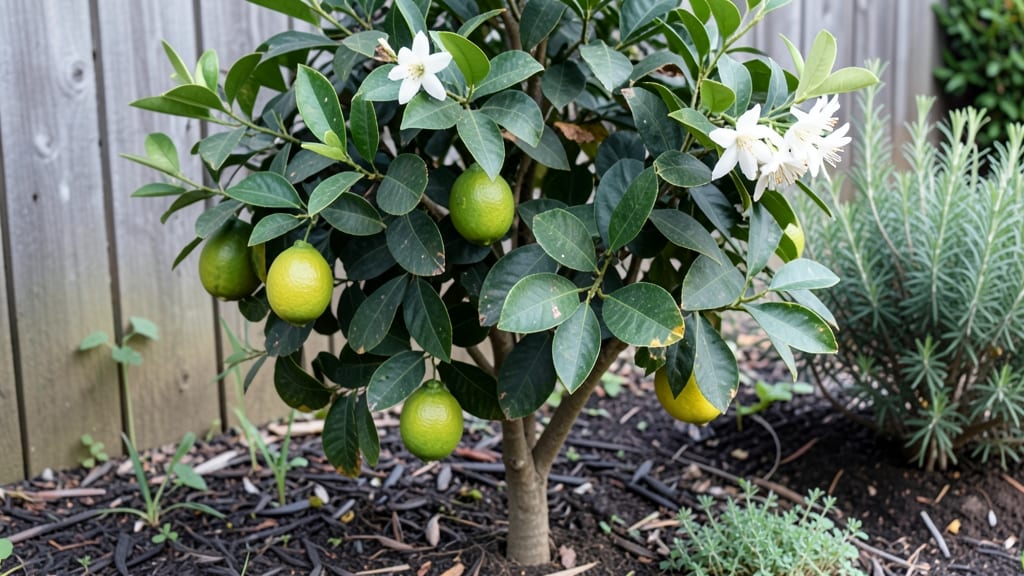
Meyer lemon trees turn your spring garden into a fragrant paradise with their delicate white blossoms—each one a promise of sweet lemons to come. 🌸 I still remember the first time I walked past mine in early April and caught that citrusy perfume on the breeze, knowing the hard work of winter had paid off.
These blossoms aren’t just pretty; they’re nature’s invitation for hummingbirds to visit, creating a lively dance of wings and nectar that makes your yard feel alive.
The secret to abundant blooms starts with sunlight and patience—your Meyer lemon needs 6+ hours of direct sun daily and well-draining soil to thrive.
Pruning in late winter (before buds swell) encourages stronger branches that produce more flowers, while avoiding heavy fertilizing during bloom helps the tree focus on flowers instead of leaves.
Frost is the real enemy here, so if you’re in a colder zone, protect young trees with frost cloth or move potted ones indoors when temperatures dip below 28°F.
When those blossoms appear, you’ll notice tiny green fruit forming within weeks—but don’t expect a full harvest from the first year. The tree directs energy to establishing roots and branches, so be patient.
What you can control is supporting pollinators: plant nearby bloomers like lavender or bougainvillea to keep hummingbirds and bees buzzing. The payoff? Juicy, fragrant lemons by late summer that taste like sunshine.
Even in small spaces, a Meyer lemon tree delivers big rewards—whether in a large pot on a patio or planted in the ground. The key is consistency: water deeply but let the soil dry slightly between drinks, and avoid over-pruning once blooms appear.
With the right care, your tree will reward you with years of blossoms, fruit, and that intoxicating spring scent that turns heads (and hummingbird tails) alike.
📚 In This Guide
- What you need
- Instructions
- Tips and common mistakes
- Wrapping up and next steps
What you need
- ● Meyer lemon tree (Citrus × meyeri) – A healthy, mature tree (3–5 years old) with established roots for optimal blooming. Pro tip: Choose a dwarf variety if space is limited!
- ● Well-draining potting mix – A blend of 60% peat or coconut coir, 30% perlite or pumice, and 10% compost (for container-grown trees). For in-ground planting, amend soil with compost and sand to improve drainage.
- ● 5–10 gallon container – If growing in a pot, ensure it has drainage holes and is at least 12–18 inches deep for root stability.
- ● Balanced citrus fertilizer – Look for a 6-6-6 or 8-8-8 NPK ratio (e.g., Miracle-Gro Citrus Food or Espoma Citrus-Tone). Use every 4–6 weeks during spring/summer.
- ○ Slow-release fertilizer pellets – Optional but helpful for steady nutrient release (e.g., Osmocote Smart-Release).
- ● Pruning shears – Bypass pruners with sharp, clean blades (sterilize with rubbing alcohol between cuts).
- ● Gloves and long sleeves – Citrus trees can have thorns—protect yourself while pruning!
- ○ Mulch (optional but recommended) – 2–3 inches of wood chips or straw to retain moisture and regulate soil temperature.
- ● Sunlight: 6–8 hours of full sun daily (partial shade in hot climates like zones 9–11).
- ● Temperature: Meyer lemons thrive in USDA zones 8–11. Protect young trees from frost (burlap wraps or row covers.
- ● Watering routine: Deep watering 2–3 times per week (adjust for containers—dry faster!). Avoid wetting foliage to prevent fungal diseases.
- ● Hummingbird-friendly zone: Plant near open areas or feeders to attract pollinators (bonus: their visits boost fruit set! 🐦).
- ● Hummingbird feeder – Fill with 4 parts water to 1 part sugar (no dye!) to lure pollinators.
- ● Citrus tree spray – Organic options like neem oil or copper fungicide to prevent pests/diseases.
- ● Trellis or stake – For young trees to support growth (especially in windy areas).
- ● pH test kit – Ideal soil pH: 6.0–7.0. Adjust with lime (to raise pH) or sulfur (to lower pH) if needed.
How to encourage Meyer lemon tree blossoms for fragrant spring blooms
Here’s how to coax your Meyer lemon tree into producing those stunning, fragrant white blossoms that hummingbirds can’t resist.
🌱 Step 1: Provide the Right Light Conditions
Meyer lemon trees need full sun—at least 6-8 hours daily—to trigger blossoming. Place your tree near a south-facing window or use a grow light if indoors. If outdoors, position it where it gets morning sun and afternoon shade in hot climates to prevent leaf scorch.
Watch for pale, leggy growth—this means your tree isn’t getting enough light. If leaves start curling or yellowing, move it closer to a brighter spot. In containers, rotate the pot quarter-turn weekly so the tree grows evenly toward the light.
☀️ Step 2: Mimic Seasonal Temperature Shifts
Meyer lemons bloom best when they experience cool winter nights (around 50-60°F) followed by warmer days (65-75°F). If indoors, move your tree to a cooler room at night (like a basement or garage) for 4-6 weeks before spring to simulate dormancy.
You’ll know it’s working when new growth slows and buds begin forming. If your tree stays too warm year-round, it may produce only leaves—no flowers. A gentle breeze (from a fan) also helps pollination, so place the tree near an open window or oscillating fan.
💧 Step 3: Water and Fertilize for Blooming Success
Keep the soil evenly moist but not soggy—overwatering stresses the tree and prevents blossoms. Water when the top inch of soil feels dry, and always use room-temperature water to avoid shocking the roots. In containers, drainage holes are a must—no exceptions.
Feed with a balanced citrus fertilizer (like 6-6-6) every 4-6 weeks in spring and summer, but stop fertilizing in fall and winter to encourage dormancy. Too much nitrogen = lush leaves, no flowers. You’ll see the difference when buds form instead of just new foliage.
✂️ Step 4: Prune Strategically to Encourage Flowers
Prune in late winter or early spring before new growth starts. Cut back overly long branches by one-third to promote bushier growth, which leads to more blossoms. Remove dead or crossing branches to improve airflow—this prevents fungal issues that can kill buds.
Never prune in fall, as this stimulates new growth that won’t harden off before winter. After pruning, give the tree a light misting to reduce stress. You’ll notice small, round buds forming at the branch tips within a few weeks—this is your reward for patience!
🐦 Step 5: Attract Pollinators (Even Indoors!)
Hummingbirds love Meyer lemon blossoms, but if you’re indoors, you’ll need to help with pollination. Gently tap branches when flowers open to release pollen, or use a soft paintbrush to transfer pollen between blooms. Outdoor trees benefit from native bees—plant companion flowers like lavender nearby to draw them in.
Watch for tiny white or yellow pollen on petals—this means pollination is happening. If flowers drop without setting fruit, your tree may need more cross-pollination. A little extra attention here ensures those fragrant blooms turn into sweet lemons later!
Tips & tricks for perfect Meyer lemon tree blossoms
Here's what nobody tells you about getting those fragrant white blossoms you've been dreaming of.
Light Strategy: That 6-8 hours of daily sun is non-negotiable, but here's the trick: if your tree is in a container, rotate it a quarter-turn weekly. I learned this the hard way after my tree grew lopsided toward the window—now it's perfectly balanced and blooming like crazy. For indoor growers, a south-facing window is ideal, but supplement with a grow light if natural light falls short.
Temperature Transition: The 4-6 week cool period before spring is where the magic happens. I move my tree to my garage at night (around 50-60°F) while keeping it near a sunny window during the day. Watch for those tiny buds forming—this is your signal that the temperature shift is working. If your home stays too warm year-round, consider a small fan to simulate that gentle breeze that triggers blooming.
Fertilizer Timing: Too much nitrogen is the silent blossom killer. I switch to a balanced citrus fertilizer (6-6-6) every 4-6 weeks during spring and summer, but stop completely in fall and winter. The key is watching your tree's response—when you see buds forming instead of just new leaves, you've got the right balance. Pro tip: Use half the recommended dose if you're unsure about your tree's needs.
Pruning Precision: That one-third reduction of overly long branches in late winter isn't just about shaping—it's about redirecting energy. I always prune just above a leaf node where new growth will emerge. And here's what nobody tells you: after pruning, give your tree a light misting with room-temperature water. It reduces stress and helps the tree focus on forming those beautiful blossoms instead of recovering from the shock.
Pro Tips for Meyer Lemon Tree Blossoms
- Here's what nobody tells you about getting those fragrant white blossoms you've been dreaming of.
- Light Strategy: That 6-8 hours of daily sun is non-negotiable, but here's the trick: if your tree is in a container, rotate it a quarter-turn weekly.
- Temperature Transition: The 4-6 week cool period before spring is where the magic happens.
Frequently asked questions
Got questions about those stunning Meyer lemon tree blossoms? You’re not alone! Here are answers to the most common queries—from timing to troubleshooting—so you can enjoy your fragrant spring show with confidence.
When do Meyer lemon tree blossoms appear?
Meyer lemon trees typically bloom in early to mid-spring (February–April in most U.S. zones 9–11). In cooler climates, expect blossoms in late spring after frost danger passes. Young trees may take 1–2 years to flower, while mature trees (3+ years) produce abundant, fragrant white-to-pink blossoms for 2–4 weeks.
How long do the blossoms last?
Individual Meyer lemon blossoms last 3–5 days, but the tree’s peak bloom period stretches 2–4 weeks. For a longer show, plant multiple trees or choose varieties like ‘Improved Meyer’ for extended flowering. Pro tip: Deadhead spent blooms to encourage new growth!
Why aren’t hummingbirds visiting my blossoms?
Hummingbirds love Meyer lemon flowers, but they need three things:
- Nectar-rich blooms (ensure your tree is healthy and well-watered).
- Shade/perches nearby (they rest between feedings!).
- Patience—it may take a few days for them to discover your tree.
Can I force Meyer lemon blossoms indoors?
Meyer lemon trees can’t be forced to bloom indoors like poinsettias, but you can encourage healthy growth (which may lead to flowers) with:
- Bright, 6+ hours of sunlight daily.
- A 10–15°F drop in nighttime temps (mimics spring’s chill).
- Balanced citrus fertilizer in early spring.
What if my Meyer lemon tree isn’t blooming?
Check these common culprits:
Issue
Fix
Too much nitrogen fertilizer
Switch to a low-nitrogen, high-phosphorus citrus blend.
Overwatering (root rot)
Let soil dry 2–3 inches deep between waterings.
Not enough sunlight (6+ hours/day)
Move to a south-facing window or use grow lights.
Young tree (under 3 years old)
Be patient! Focus on healthy foliage first.
Wrapping up and next steps
Watching your Meyer lemon tree blossoms burst into fragrant life is a rewarding experience that brightens your garden and delights pollinators like hummingbirds! 🌸 With the right care—from proper pruning to balanced fertilization—you’ll enjoy a stunning spring display year after year.
Now that you’re equipped with tips and answers to common questions, why not plant a seed (or a sapling) today? Whether you’re a seasoned gardener or a beginner, every blossom is a step toward a sweeter harvest and a thriving ecosystem. Happy planting!