
Flowers
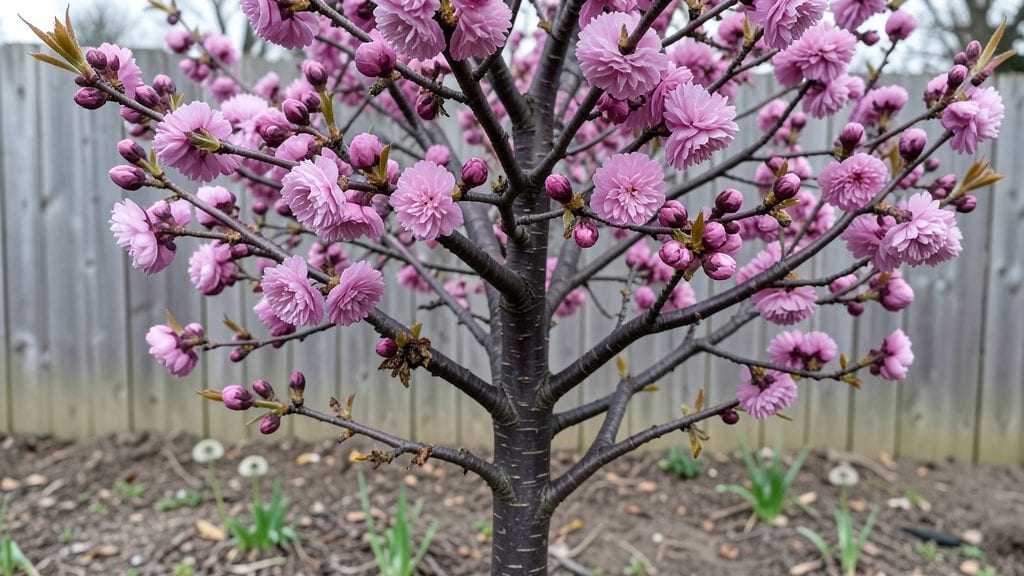
The Pacific Northwest’s ornamental plum tree flowers arrive like a fragrant surprise every spring—pink, white, or blush blooms that turn even the driest March into a celebration. 🌸 I’ve watched these trees transform my neighbors’ yards from gray winter landscapes into living art galleries, their branches heavy with blossoms that perfume the air for weeks.
They’re not just pretty—they’re versatile. Plant one as a standalone statement piece in a cottage garden, tuck it into an urban patio for instant curb appeal, or line a formal driveway with their dramatic height.
The best part? Their spring show isn’t a one-time event: new growth emerges in coppery hues, and fall brings glossy foliage that holds color until frost.
Pair them with spring bulbs like daffodils or bleeding hearts for a layered effect, or let them shine alone against evergreen shrubs for a clean, modern look. In my own yard, the plum’s early blooms feed pollinators when little else is in flower—a lifeline for bees emerging from winter.
The fragrance alone makes it worth the space.
Whether you’re designing a small city garden or a sprawling rural landscape, these trees deliver year-round interest with minimal fuss. Their adaptability means they’ll thrive in everything from wet Pacific Northwest soils to drier inland climates—just pick the right variety for your zone. Let’s talk placement and pairings next.
📚 In This Guide
- What you need
- Instructions
- Tips and common mistakes
- Wrapping up and next steps
What you need
- ● Ornamental plum tree (Prunus spp.) – Choose Prunus cerasifera (Cherry Plum) or Prunus serrulata (Japanese Plum) for vibrant blooms. Buy a 1- to 3-gallon container-grown tree (mature size: 15–25 ft tall).
- ● High-quality potting mix or native soil – Aim for well-draining, slightly acidic soil (pH 6.0–7.0). Mix in compost (20–30%) for nutrients.
- ● Organic mulch (3–4 inches) – Use wood chips, bark, or straw to retain moisture and suppress weeds.
- ● Slow-release fertilizer (10-10-10 or 20-20-20) – 1–2 lbs per 100 sq ft at planting time.
- ● Shovel or trowel – For digging the planting hole (2–3x wider than the root ball).
- ● Garden gloves – Protect your hands from thorns and rough bark.
- ● Watering can or hose with a gentle spray nozzle – 1–2 gallons per watering for new plants.
- ● Pruning shears – Bypass pruners (sharp, clean) for shaping and deadheading.
- ○ Staking kit (optional) – Use 2–3 stakes + tree ties if planting in windy areas.
- ● Sunlight access – Full sun (6+ hours daily) for optimal flowering.
- ● Spacious planting site – Ensure 6–10 ft clearance from structures/walls (plums grow wide!).
- ● Drought tolerance plan – Plums need deep watering 1–2x weekly in dry PNW summers.
- ● Pest awareness – Monitor for aphids, plum curculio, or borers (neem oil or insecticidal soap helps).
How to care for ornamental plum tree flowers in the Pacific Northwest
This fragrant spring spectacle thrives with the right timing and attention—here’s how to keep your plum tree blooming beautifully year after year.
☀️ Step 1: Choose the Right Location for Maximum Blooms
Ornamental plum trees love full sun—at least 6 hours daily—to produce their showy, fragrant flowers. In the Pacific Northwest’s cooler climate, a south-facing spot gets the most sunlight, while west-facing locations offer afternoon warmth without harsh midday glare. Avoid low-lying areas where cold air settles, as plum trees are sensitive to late frosts.
Dig a hole twice as wide as the root ball but no deeper. The top of the root ball should sit 1-2 inches above ground level to prevent waterlogging. Amend the native soil with 3-4 inches of compost mixed into the bottom of the hole—this improves drainage and gives roots a nutrient boost for spring blooming.
💧 Step 2: Water Deeply During Critical Growth Phases
Water newly planted plum trees deeply 2-3 times per week for the first 6 weeks until roots establish. Stick your finger 3 inches into the soil—if it feels dry, water again. Overwatering is worse than underwatering; plum trees hate soggy roots, which can rot and kill the tree before it even flowers.
Once established, plum trees are drought-tolerant but still need 1-2 inches of water weekly during dry spells. Focus on slow, deep watering at the base of the tree rather than frequent shallow sprinkles. You’ll know you’re doing it right when the soil around the roots stays consistently moist but not waterlogged.
✂️ Step 3: Prune for Health and Better Blooms
Prune your plum tree in late winter or early spring, just before buds swell but before flowers appear. Remove any dead, diseased, or crossing branches first—these compete with healthy growth and reduce flowering potential. Cut back to the nearest outward-facing bud to encourage an open canopy that lets sunlight reach all branches.
Thin out crowded branches to improve airflow, which prevents fungal diseases like powdery mildew that can ruin blooms. Aim to keep the tree’s shape natural but balanced, with no branch heavier than your wrist. A well-pruned plum tree will reward you with more abundant, larger flowers the following spring.
🌱 Step 4: Feed for Vibrant Spring Color
Apply a balanced 10-10-10 fertilizer in early spring, just as buds begin to swell. Spread ½ cup per inch of trunk diameter around the drip line (the area where water falls from the tree’s branches). Water the soil thoroughly to help nutrients reach the roots.
Avoid high-nitrogen fertilizers later in the season—they promote leafy growth at the expense of flowers. Instead, switch to a low-nitrogen, high-phosphorus formula in early fall to encourage strong root development for next year’s blooms. Pacific Northwest soil is often rich in organic matter, so don’t overdo it—too much fertilizer can burn roots and reduce flowering.
⏰ Step 5: Protect Blooms from Late Frosts
Ornamental plum trees bloom early, often in March or April, when late frosts can still threaten. Cover young trees with frost cloth on nights when temperatures dip below 28°F. Secure the cloth loosely—tight fabric can damage branches. Remove it during the day to let sunlight warm the tree naturally.
Once flowers appear, avoid overhead watering, as wet petals attract pests and diseases. Instead, water at the base in the morning so blooms stay dry and fragrant. With this care, your plum tree will put on a spectacular spring show year after year—just like the ones that make the Pacific Northwest famous.
Tips & tricks for perfect ornamental plum tree blooms
Here's how to give your Pacific Northwest plum tree the best chance at stunning, fragrant flowers every spring.
Location is Everything: That 6 hours of full sun requirement in Step 1 is non-negotiable for vibrant blooms. In the PNW's cooler climate, I've found that adding a reflective surface like a white wall or fence on the north side can boost sunlight exposure by up to 30%. Also, avoid planting near large evergreens that cast dense shade year-round—plum trees need that winter sunlight too for proper dormancy.
Soil Prep Secret: When amending with 3-4 inches of compost in Step 1, mix in a handful of granular sulfur if your soil tests alkaline (common in PNW). Plum trees prefer slightly acidic soil (pH 6.0-6.5), and this simple addition can make all the difference in bloom quantity. Test your soil first—many garden centers offer affordable kits.
Watering Wisdom: The 2-3 times per week watering in Step 2 works best when done in the morning. This gives roots time to absorb moisture before evening temperatures drop. I've seen plum trees develop root rot when watered in the evening because the soil stays wet overnight. For established trees, 1-2 inches weekly is perfect—use a rain gauge to track accurately.
Pruning Precision: In Step 3, when cutting back to outward-facing buds, make your cuts at a 45-degree angle just above the bud. This creates more surface area for water absorption and reduces the chance of moisture collecting where the cut was made. Also, never remove more than 25% of the tree's canopy in one season—plum trees are sensitive to drastic pruning.
Pro Tips for Ornamental Plum Tree Flowers
- Here's how to give your Pacific Northwest plum tree the best chance at stunning, fragrant flowers every spring.
- Location is Everything: That 6 hours of full sun requirement in Step 1 is non-negotiable for vibrant blooms.
- Soil Prep Secret: When amending with 3-4 inches of compost in Step 1, mix in a handful of granular sulfur if your soil tests alkaline (common in PNW).
Frequently asked questions
Got questions about growing and enjoying ornamental plum tree flowers in the Pacific Northwest? You’re not alone! Here are some of the most common queries—and their answers—to help you make the most of your fragrant spring blooms.
When is the best time to plant an ornamental plum tree in the PNW?
The ideal time to plant is late fall or early spring (September–March), when the soil is workable but not frozen. This gives roots time to establish before summer heat. Avoid planting in summer, as dry conditions stress young trees. Choose a sunny, well-drained spot—plum trees thrive in full sun (6+ hours/day) and hate soggy soil.
How long does it take for an ornamental plum tree to flower?
Patience is key! Most ornamental plum trees take 3–5 years to produce their stunning blooms, depending on the variety and growing conditions. Dwarf cultivars may flower slightly sooner (2–3 years), while standard trees take longer. Prune lightly in late winter to encourage healthy growth and earlier flowering.
What pests or diseases should I watch for with plum trees in the PNW?
Common issues include:
- Plum curculio beetles: Tiny weevils that damage fruit (and buds). Use row covers or neem oil if spotted.
- Powdery mildew: White fungal growth on leaves (humid PNW springs love this!). Improve airflow and spray with baking soda solution (1 tsp baking soda + 1 quart water + a drop of soap).
- Canker disease: Oozing sores on bark. Prune infected branches 1 inch below the damage and sterilize tools with rubbing alcohol.
Regularly inspect leaves and bark to catch problems early!
Can I grow ornamental plum trees in containers? How?
Yes! Dwarf varieties like ‘Okame’ or ‘Shirotae’ work well in containers (5+ gallon pots). Use a fast-draining mix (60% potting soil, 30% perlite, 10% compost) and a pot with drainage holes. Move containers to a sunny spot and water when the top 1–2 inches of soil are dry. Fertilize monthly in spring/summer with a balanced formula (10-10-10).
Why aren’t my plum tree flowers lasting long? How can I extend their bloom time?
Ornamental plum flowers are ephemeral—they bloom hard and fast (1–2 weeks) due to their energy-intensive blooms. To prolong enjoyment:
- Choose late-blooming varieties like ‘Methley’ (pink) or ‘Santa Rosa’ (white).
- Plant near early spring-blooming bulbs (daffodils, crocuses) for a staggered show.
- Avoid heavy pruning in late winter—this can reduce flower buds.
- Water consistently to reduce stress (drought shortens bloom time).
Embrace the fleeting beauty—their intense fragrance makes it worth it!
Pro Tip:
Want to preserve the flowers? Pick blooms at peak freshness (early morning) and arrange them in water—they last 3–5 days in a vase! Or dry them for potpourri by hanging upside-down in a paper bag for 2 weeks.
Wrapping up and next steps
Ornamental plum trees are the Pacific Northwest’s fragrant spring gems, turning gardens into dreamy, blossom-filled escapes with their delicate petals and intoxicating scent. Whether you’re a seasoned gardener or a beginner, these trees offer beauty, resilience, and low-maintenance charm—perfect for brightening up any outdoor space. 🌸
Ready to welcome spring with a burst of color and aroma? Start by choosing the right variety for your climate, then plant and care for your plum tree with confidence. Before you know it, your garden will be the talk of the neighborhood—one fragrant bloom at a time!