Propagation
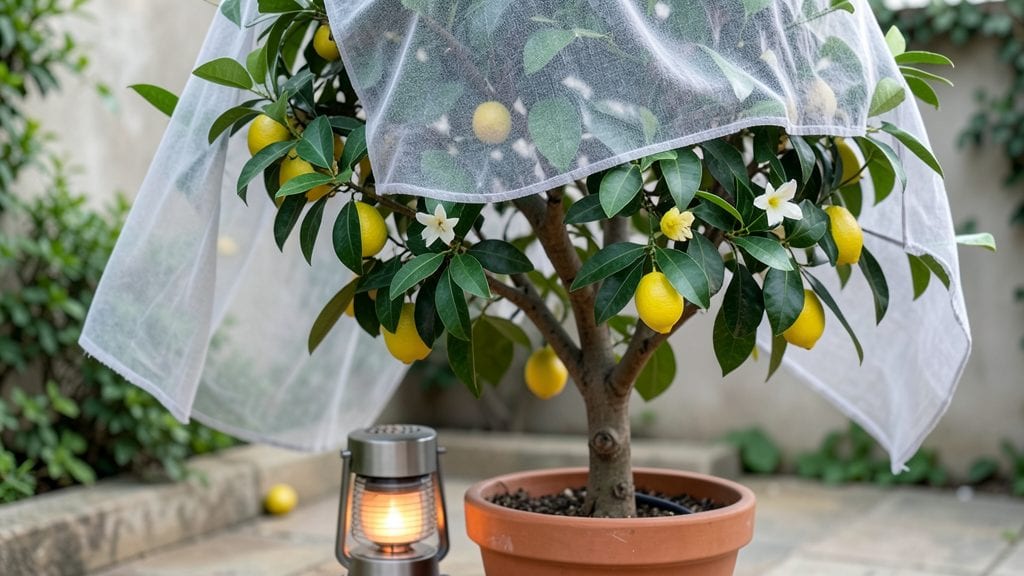
Learn how to protect a lemon tree from frost before the first freeze—because even in Zone 5, my layered method keeps them alive and fruiting year after year. The key isn’t just covering; it’s combining watering, insulation, and microclimate tricks to outsmart the cold.
Start with a soaker hose the night before frost to raise soil moisture—water acts like a blanket. Then wrap the trunk with burlap or frost cloth, and drape a clear plastic sheet loosely over the canopy (secure it with bricks to avoid crushing branches).
For extreme cold, add straw mulch around the base to insulate roots.
You’ll wake to a tree that looks bruised but recovers within days—new growth emerges by spring, and the roots stay intact. The secret isn’t perfection; it’s layered protection that accounts for temperature swings. Even citrus purists in cold zones swear by this method after years of trial and error.
Regional tweaks matter: In Zone 6-7, a single frost cloth suffices, but Zone 4-5 trees need double insulation and a small space heater (safely placed) for sub-20°F nights. The goal isn’t to turn your lemon tree into an Arctic survivor—it’s to give it the fighting chance it deserves.
📚 In This Guide
- What you need
- Instructions
- Tips and common mistakes
- Wrapping up and next steps
What you need
- ● Frost cloth or row covers: Lightweight, breathable fabric (rated for 25–30°F). Quantity: Enough to fully drape the tree (typically 4’x6’ or larger, depending on tree size).
- ● Burlap sacks or heavy blankets: Natural, breathable fabric for extra insulation. Quantity: 2–4, depending on tree height.
- ○ Plastic sheeting (optional but helpful): Clear or black polyethylene (4–6 mil thickness) to trap heat. Quantity: Enough to cover the entire setup.
- ● Stakes or PVC pipes: 1–2” diameter, 3–4’ tall for structural support. Quantity: 4–6, spaced evenly around the tree.
- ● Twine or zip ties: For securing covers tightly (avoid metal clips, which can damage bark).
- ● Watering can or hose: For pre-frost hydration (use warm water if possible).
- ● Mulch (straw, pine needles, or wood chips): 2–4” thick layer around the base (keep 6” away from trunk). Quantity: Enough to cover the root zone.
- ○ String lights or heat lamps (optional): For extreme cold (only if safe and avoid direct contact with foliage.
- ● Pruners or shears: To trim any dead or frost-damaged branches post-event.
- ● Check the frost forecast—act before temperatures drop below 32°F.
- ● Ensure your tree is well-watered 1–2 days before frost (hydrated plants handle cold better).
- ● Move potted lemon trees indoors or to a sheltered garage if possible.
- ● Have a helper—covering a large tree alone is tricky!
How to protect lemon tree from frost: layered shielding for sub-zero survival
Lemon trees are delicate in cold weather, but with the right approach, you can shield them from damage and keep them thriving.
Inspect and Prepare the Tree Before Frost Hits
Start by examining your lemon tree for any weak or damaged branches—these will be the first to suffer in cold temperatures. Prune away anything that looks compromised, cutting back to healthy wood at a 45-degree angle. This reduces the tree’s overall surface area exposed to frost and prevents ice buildup on vulnerable spots.
Next, give the tree a deep watering 2-3 days before the frost warning. The goal is to ensure the roots are hydrated but not waterlogged—this helps the tree enter dormancy with enough moisture to withstand cold stress. Avoid watering right before a freeze, as wet foliage can turn to ice and weigh down branches.
Apply Physical Barriers to Shield the Tree
Once temperatures drop below 32°F, cover the tree with a frost cloth or burlap wrap, securing it tightly around the trunk and branches. Avoid plastic sheets—they trap moisture and can cause more harm than good. For smaller trees, you can also use a large cardboard box or wooden crate to encase the entire plant, leaving the top open slightly for airflow.
If your tree is in a container, move it to a sheltered location like a garage or under an eave. If that’s not possible, wrap the pot in bubble wrap or old blankets and place it against a south-facing wall to absorb daytime warmth. Never leave a potted tree outside uncovered—even a hardy variety will suffer without protection.
Use Heat Sources Strategically During Freezes
For extended cold snaps below 28°F, set up string lights, heat lamps, or even a small space heater near the tree—but keep it at least 3 feet away to avoid fire hazards. Focus heat on the canopy and trunk, where cold damage is most likely to occur. Monitor the area closely to ensure the heat source doesn’t dry out the soil or scorch leaves.
If you’re using a heat lamp, position it so it doesn’t directly touch the foliage. A gentle warmth is enough to raise the microclimate around the tree by 5-10°F, making the difference between survival and damage. Check periodically to adjust placement as needed—especially if wind shifts the heat away from the tree.
Protect the Roots with Mulch and Insulation
Frost damage often starts at the roots, so pile 4-6 inches of mulch around the base of the tree, extending out to the drip line. Use straw, pine needles, or shredded leaves—these insulate better than synthetic materials and prevent soil temperature fluctuations. Avoid piling mulch directly against the trunk, as this can trap moisture and rot the bark.
For container-grown trees, wrap the pot in bubble wrap or thick cardboard and bury it in straw or leaves up to the rim. This mimics the ground’s natural insulation and prevents the roots from freezing. If your tree is in the ground, consider adding a layer of black plastic over the mulch—it absorbs sunlight during the day and radiates heat back to the roots at night.
Monitor and Adjust as Conditions Change
Check on your tree every 2-3 hours during a freeze, especially if temperatures drop below 25°F. Look for signs of ice formation on branches or leaves—this can weigh them down and cause breakage. Gently tap branches to dislodge ice if needed, but avoid shaking the tree violently, as this can damage the structure.
If the forecast predicts a rapid temperature drop, take extra precautions, such as adding another layer of frost cloth or moving potted trees indoors temporarily. Once the threat passes, remove covers gradually over 2-3 days to avoid shocking the tree with sudden warmth. Keep an eye out for frost damage—wilting, brown leaves, or blackened stems—and prune affected areas as soon as the weather stabilizes.
Tips & tricks for protecting lemon trees from frost
A few strategic adjustments can make all the difference between a frost-damaged tree and one that survives winter unscathed.
Pruning Strategy: In Step 1, when you're pruning weak branches, focus on removing any that are crossing or rubbing against each other. These are prime spots for ice buildup that can snap branches during a freeze. Also, avoid pruning too close to the trunk—leave at least 1/4 inch of healthy wood to prevent frost entry points.
Watering Timing: The 2-3 day watering window before frost is critical. Water deeply enough that moisture reaches 12-18 inches down—this ensures the tree's root zone stays hydrated through dormancy. Use a moisture meter to check soil moisture if you're unsure. Overwatering right before frost can be worse than underwatering.
Layered Protection: For Step 2, combine materials for maximum effectiveness. Start with a frost cloth, then add a layer of bubble wrap over the branches for extra insulation. This two-layer system creates an air pocket that traps warmth. Just remember to secure everything tightly—loose covers can flap in wind and create cold spots.
Heat Source Safety: When using heat sources in Step 3, position them to create a "heat dome" over the tree's canopy. String lights work well because they distribute warmth evenly. For space heaters, use a thermostat to maintain temperatures between 30-35°F around the tree—this is the optimal range for preventing frost damage without overheating the foliage.
Pro Tips for Protect A Lemon Tree From Frost
- A few strategic adjustments can make all the difference between a frost-damaged tree and one that survives winter unscathed.
- Pruning Strategy: In Step 1, when you're pruning weak branches, focus on removing any that are crossing or rubbing against each other.
- Watering Timing: The 2-3 day watering window before frost is critical.
Frequently asked questions
Got questions about keeping your lemon tree safe from frost? You’re not alone! Here are answers to the most common concerns—so you can protect your citrus with confidence.
How cold is too cold for a lemon tree?
A lemon tree can handle brief dips to 25–28°F (-4 to -2°C), but prolonged exposure below 28°F (-2°C) risks damage. Young trees or tender varieties (like Meyer lemons) are even more sensitive—32°F (0°C) can stress them. Monitor forecasts and act early!
When should I start frost protection?
Begin preparing 2–3 weeks before the first frost in your area. Harden off young trees by gradually reducing water and fertilizing. For mature trees, cover or insulate them 24–48 hours before frost hits. Pro tip: Check your local USDA zone—Zone 9+ trees need extra care in unexpected cold snaps!
Can I use a regular blanket to cover my lemon tree?
Not ideal! A heavy wool blanket or frost cloth works better, but avoid plastic—it traps moisture and can suffocate roots. For larger trees, use burlap wraps or frost blankets secured with clips. If using a blanket, leave the top open slightly for airflow to prevent condensation burn.
What if my lemon tree’s leaves turn black after frost?
Blackened leaves are a sign of frost damage, but don’t panic! Prune only the dead branches (they’ll be mushy or brittle). New growth should emerge from healthy buds. Wait until spring to assess full damage—sometimes trees recover better with time and proper care.
Are there frost-resistant lemon tree varieties?
Yes! Meyer lemons tolerate slightly cooler temps (down to 20°F/-7°C briefly) and are a popular choice. Ponderosa and Eureka lemons are harder but can survive 25°F (-4°C) with protection. For extreme cold (15°F/-9°C), consider dwarf varieties in containers—they’re easier to move indoors.
Wrapping up and next steps
Protecting your lemon tree from frost doesn’t have to be a guessing game—with the right strategies, you can shield it from winter’s chill and keep it thriving. From mulching and covering to monitoring weather forecasts, every layer of defense adds resilience.
Remember, even small steps like watering properly or choosing the right location make a big difference.
Now that you’re armed with these tips, take action! Start prepping your tree before the first frost hits—your future harvests will thank you. 🌱❄️ And if you’re eager to learn more, explore advanced frost-proofing techniques for even tougher climates.