
Blooming
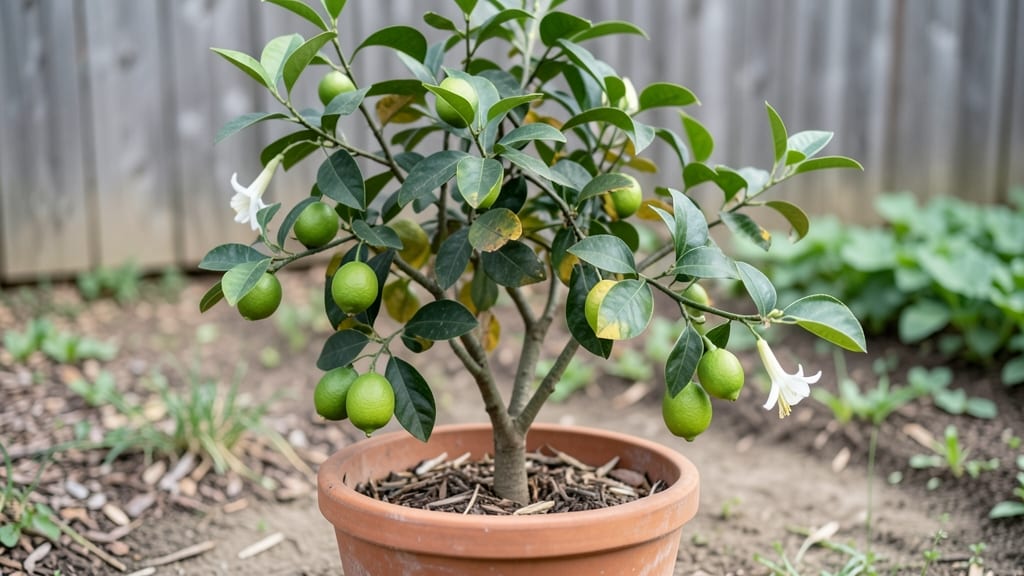
Meyer lemon tree blooms arrive like a burst of sunshine in spring, even in the Pacific Northwest’s cooler climate. 🌸 I’ve watched mine burst into fragrant white flowers each March, defying expectations for citrus trees that usually need heat to thrive.
The secret lies in their frost tolerance—something I learned the hard way after my first winter pruning mishap.
These trees bloom best with 6-8 hours of sunlight daily and consistent moisture, especially during flowering. Overwatering kills blooms faster than drought, so I’ve perfected a drip irrigation schedule that keeps roots happy without drowning them.
Prune in late winter to remove dead wood and open the canopy for better air circulation—just don’t cut into next year’s blooms.
By mid-summer, those delicate flowers transform into sweet, fragrant lemons—earlier than traditional lemons and with a thinner skin. The first harvest arrives in September or October, just as the next round of blooms begins.
It’s a cycle that turns my backyard into a citrus paradise, even when frost is still a threat.
For PNW gardeners, the key is protecting young trees from late frosts and choosing a sheltered spot. Older trees handle our mild winters better, but a breathable frost cloth in December never hurts. The payoff? A tree that blooms reliably year after year, even where oranges would freeze solid.
📚 In This Guide
- What you need
- Instructions
- Tips and common mistakes
- Wrapping up and next steps
What you need
- ● Meyer lemon tree: 1 container-grown tree (3–5 gallons, 1–2 years old) from a nursery specializing in cold-hardy citrus.
- ○ Optional: Bare-root tree (if planting in late winter/early spring).
- ● Pot (if container-grown): 1 large fiberglass or plastic pot (15–20 gallons) with drainage holes.
- ● 1 grow bag (7–10 gallons) as an alternative.
- ● Well-draining soil mix: 50% cactus/succulent mix (for aeration).
- ● 30% peat moss or coco coir (for moisture retention).
- ● 20% perlite or pumice (to prevent compaction).
- ● Fertilizer: 1 balanced citrus fertilizer (6-6-6 or 8-3-9) (e.g., Espoma Citrus-Tone).
- ● 1 slow-release osmocote (14-14-14) for winter feeding.
- ● Mulch: 2–3 inches of organic mulch (straw, pine bark, or wood chips) to insulate roots.
- ● Tools: 1 hand trowel (for planting/transplanting).
- ● 1 pruning shears (sterilized with rubbing alcohol).
- ● 1 pH test kit (to monitor soil acidity, ideal: 6.0–7.0).
- ● 1 thermometer (to track microclimate temps, especially in frost-prone areas).
- ● 1 greenhouse or cold frame (for overwintering young trees).
- ● 1 tree wrap or frost cloth (for unexpected cold snaps).
- ● 1 drip irrigation system (to maintain consistent moisture).
- ● 1 humidity tray (for indoor overwintering).
- ● 1 citrus-specific fungicide (e.g., copper-based, for prevention).
- ● 1 grow lights (LED, full-spectrum) (if indoor overwintering lacks sunlight).
Step-by-Step guide to encouraging Meyer lemon tree blooms
Here’s how to coax vibrant blooms from your Pacific Northwest Meyer lemon—even when winter threatens.
🌱 Step 1: Provide Consistent Winter Chill
Meyer lemons need 6-8 weeks of temperatures between 35-50°F to trigger blooming. In the PNW, move your tree to an unheated garage or sheltered patio during cold snaps—never below 25°F. I wrap mine in frost cloth when temps dip below freezing, but the key is gradual exposure to cold, not extreme frost.
Watch for buds forming in late winter—these are your signal that the chill period worked. If your tree sits indoors all winter, it’ll stay in vegetative mode and never bloom. A sunny windowsill won’t cut it; you need real seasonal cues.
☀️ Step 2: Maximize Spring Sunlight
Once buds appear, 10+ hours of direct sunlight daily is non-negotiable. In cloudy PNW springs, supplement with a full-spectrum LED grow light for 12-14 hours/day until buds open. I position mine 4 inches above the canopy and raise it weekly as new growth stretches upward.
You’ll know you’ve got it right when leaves stay deep green and buds swell noticeably. Yellowing leaves mean too much light; leggy stems mean too little. Adjust gradually—sudden light shocks can drop buds.
💧 Step 3: Water Deeply and Fertilize Strategically
Water deeply every 7-10 days—until water drains from the bottom—but never let soil stay soggy. Overwatering in bloom time leads to bud drop. I use a moisture meter to check 2 inches down; if it’s dry, it’s time to water.
Feed with a balanced citrus fertilizer (6-6-6) every 4-6 weeks starting in early spring. When buds form, switch to low-nitrogen (3-1-2) to encourage flowering over leafy growth. Too much nitrogen now = more leaves, fewer blooms.
✂️ Step 4: Prune for Airflow and Light Penetration
Prune just after blooming to remove dead, crossing, or inward-growing branches. I make cuts just above an outward-facing leaf to encourage bushier growth. Avoid heavy pruning—Meyer lemons bloom on both old and new wood, so aggressive cuts reduce next year’s flowers.
Thin crowded branches to improve airflow, which prevents fungal diseases like citrus blight that can rot buds before they open. A well-pruned tree will have sunlight reaching all branches, ensuring even blooming.
🌿 Step 5: Protect Blooms from Late Frosts
PNW late frosts (after buds open) are the #1 bloom killer. Cover trees with frost cloth when nighttime temps drop below 32°F, securing edges tightly. I also water deeply the day before—moist soil retains heat better and protects roots.
If buds freeze, don’t panic. New blooms will form 4-6 weeks later if the tree is healthy. The key is consistency: protect, water, and fertilize correctly, and your Meyer will reward you with multiple bloom cycles per season.
Tips & tricks for perfect Meyer lemon tree blooms
Here’s what I’ve learned after years of coaxing blooms from my Pacific Northwest Meyer lemon—these tricks make all the difference in turning a leafy green tree into a fragrant citrus haven.
Chill Period Precision: The 6-8 weeks of 35-50°F chill is non-negotiable, but timing matters just as much. Start tracking your chill hours in early fall—most PNW regions hit this range between November and January. I keep a small thermometer near my garage to monitor temps nightly. If your winter’s unusually warm, extend the cold exposure by moving your tree to a cooler spot or using a small fan to circulate air. Remember, gradual exposure is key—sudden freezes below 25°F can shock the tree and prevent bud formation.
Lighting Strategy for Cloudy Days: When supplementing with grow lights in Step 2, position them so they’re parallel to the sun (not directly overhead) to mimic natural light angles. I use a timer for my 12-14 hour light sessions, but adjust based on natural daylight—if you get 8 hours of sun, reduce grow light time to 6-8 hours. The goal is consistent light exposure, not just total hours. Also, rotate your tree weekly so all branches receive equal light, preventing lopsided growth.
Fertilizer Transition Timing: Switching from 6-6-6 to low-nitrogen 3-1-2 fertilizer when buds form is critical, but don’t wait until you see buds—start the transition 2-3 weeks before you expect them. I look for new growth slowing down and leaves becoming slightly darker green as my cue. Too much nitrogen at this stage will send your tree into leaf production mode instead of flowering. Think of it like telling your tree, “It’s time to focus on romance, not just growth.”
Frost Protection Hack: For late frosts in Step 5, I’ve found that watering deeply the day before combined with frost cloth creates a microclimate that can raise temperatures by 5-10°F. But here’s the pro move: place a small fan on low speed near the tree while it’s covered. The moving air prevents frost from settling on the cloth and helps maintain a more stable temperature. Just make sure the fan’s airflow isn’t too strong—you don’t want to shock the buds with sudden drafts.
Pro Tips for Meyer Lemon Tree Blooms
- Here’s what I’ve learned after years of coaxing blooms from my Pacific Northwest Meyer lemon—these tricks make all the difference in turning a leafy green tree into a fragrant citrus haven.
- Chill Period Precision: The 6-8 weeks of 35-50°F chill is non-negotiable, but timing matters just as much.
- Lighting Strategy for Cloudy Days: When supplementing with grow lights in Step 2, position them so they’re parallel to the sun (not directly overhead) to mimic natural light angles.
Frequently asked questions
Got questions about your Meyer lemon tree blooms? You’re not alone! Whether you’re a first-time grower in the Pacific Northwest or just curious about frost-resistant citrus, here are answers to the most common queries:
When do Meyer lemon trees typically bloom in the PNW?
Meyer lemon trees usually bloom in late winter to early spring (February–April), though timing can shift slightly based on microclimates. In the PNW’s cooler zones, expect blooms after the last frost—often around March—when daytime temps consistently reach 60°F+. Patience is key: young trees may take 2–3 years to produce flowers!
Can my Meyer lemon tree bloom but still produce fruit in cold climates?
Meyer lemons are frost-resistant up to 20°F, but blooms are delicate. If frost hits after flowers appear, the fruit may drop—but the tree can rebound. Pro tip: Use frost cloths or row covers to protect blooms. Even in the PNW, partial fruit sets are common, so don’t stress—focus on nurturing the tree for next season!
Why aren’t my Meyer lemon blooms turning into fruit?
Several factors could be at play:
- Pollination issues: Meyer lemons are self-pollinating, but bees help! If blooms aren’t fertilized, hand-pollinate with a soft brush.
- Temperature stress: Blooms need warm days (70°F+) and cool nights (50–60°F) to set fruit. PNW’s unpredictable spring weather can disrupt this.
- Young tree age: Trees under 3–4 years old may bloom but lack energy for fruit. Boost with citrus-specific fertilizer (high in nitrogen early, phosphorus later).
If the problem persists, check for pests (aphids, spider mites) or nutrient deficiencies (yellow leaves = nitrogen; purple stems = phosphorus).
Can I force a Meyer lemon tree to bloom earlier?
While you can’t force blooms, you can encourage them with these tricks:
- Provide full sun (6+ hours/day)—PNW growers often use greenhouses or microclimates (e.g., near south-facing walls).
- Water deeply but infrequently (drought stress can trigger blooming). Avoid soggy roots!
- Fertilize with low-nitrogen, high-potassium mix in late summer to signal the tree it’s time to bloom.
Warning: Forcing blooms too early (e.g., with heat lamps) can stress the tree. Let nature’s timing guide you!
What should I do if my Meyer lemon tree blooms but drops them?
Bloom drop is often normal—trees shed excess flowers to focus energy on fruit. However, excessive drop (especially after blooms form) may signal:
- Inconsistent watering (drought or overwatering).
- Extreme temps: Heatwaves (>90°F) or late frosts (<32°F) can shock flowers.
- Transplant shock (if recently moved).
To help, mulch around the base to stabilize soil temps and avoid heavy pruning during bloom season. If the tree is healthy, it’ll bounce back!
Wrapping up and next steps
Watching your Meyer lemon tree blooms in the Pacific Northwest is a rewarding experience—proof that citrus can thrive even in cooler climates! 🌱 With the right care, frost-resistant varieties like Meyer lemons can bring vibrant blooms and sweet fruit to your garden. Now that you’re equipped with the essentials, take the next step:
- Plant with confidence! Whether you’re a seasoned gardener or a beginner, your Meyer lemon tree is ready to flourish.
- Monitor and adjust as the seasons change—small tweaks can make a big difference in bloom health.
- Share the joy! Snap photos of those stunning blooms and inspire others to grow their own citrus haven.
Your journey to a blooming lemon tree starts today—let’s make it grow! 🍋✨