Trees
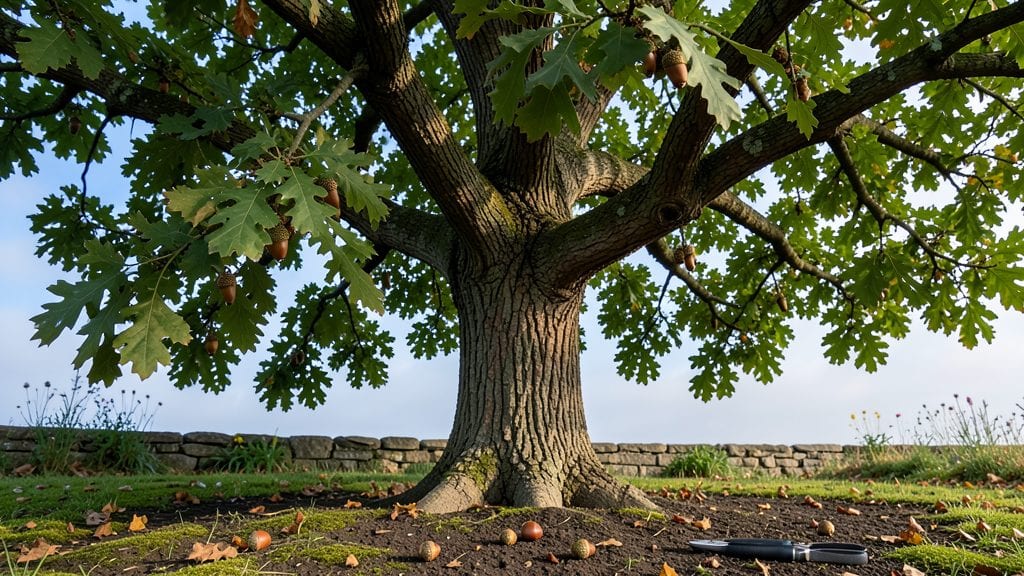
Growing acorn trees in the Pacific Northwest isn’t just about planting a seed—it’s about cultivating a legacy. 🌳 The right oak species thrives here, its deep roots weathering frost while feeding your soil with nutrients for decades.
I’ve watched my own acorn-producing oak start as a sapling and now tower over the yard, its leaves rustling like nature’s own wind chime.
The key? Start with the right species—white oak or garry oak handle our region’s damp winters best. You can grow from acorns (patience required) or buy a sapling from a trusted nursery.
Either way, plant in well-draining soil where roots can spread freely, and give them full sun—these trees aren’t shy about space. Within a few years, you’ll see sturdy branches forming, and by year 10, those first acorns will drop like edible gifts from the sky.
Long-term care is simple once you understand their rhythm: water deeply in dry spells, prune only to shape (never to “correct” their natural form), and let them grow wild. The payoff? A shady canopy, wildlife magnet, and a steady supply of acorns for squirrels—or your own baking.
Every fall, the ground beneath them becomes a treasure trove of nutrients, proving these trees give back as much as they take.
Perfect for backyard gardeners or landowners with space to dream big. Whether you’re starting with a single acorn or a sapling, this guide covers every step—from soil prep to harvest day. Let’s get those roots growing!
📚 In This Guide
- What you need
- Instructions
- Tips and common mistakes
- Wrapping up and next steps
What you need
- ● Acorn seeds or saplings: 10–20 fresh, viable acorns (from local oak species like Quercus garryana or Quercus kelloggii for PNW suitability). Pro tip: Store acorns in a damp paper towel in the fridge for 2–3 months to break dormancy! 💡
- ● OR 1–2 1–3 year-old oak saplings (nursery-grown for faster growth).
- ● Well-draining soil: Mix of 60% native PNW soil, 30% compost, and 10% perlite or sand (for aeration). Test pH (ideal: 5.0–7.0).
- ● Organic mulch: 2–3 inches of wood chips, straw, or pine needles (retains moisture and regulates temperature).
- ● Hand trowel or transplant spade (for digging holes).
- ● Garden gloves (to protect hands from rough bark and soil).
- ● Watering can or hose with nozzle (gentle spray for seedlings).
- ● Pruning shears (sterilized, for shaping young trees).
- ○ Soil pH test kit (optional but recommended for PNW’s acidic soils).
- ○ Tree collar protector (optional: plastic guard to prevent rodent damage to saplings).
- ● Sunlight: Full sun (6+ hours/day) in a sheltered, windbreak location (PNW’s coastal winds can stress young trees!).
- ● Water source: Consistent access to water (deep watering 2–3 times/week for the first year).
- ● Patience: Acorns take 10–20 years to produce nuts—plan for a long-term investment! ⏳
- ● Local regulations: Check if your area requires permits for planting oak trees (some PNW regions have restrictions).
- ● Slow-release oak-specific fertilizer (low nitrogen, high phosphorus/potassium).
- ● Tree stakes and ties (for young saplings in windy areas).
- ● Bird netting (to protect acorns from squirrels and jays!).
How to grow acorn trees in the Pacific Northwest
Here's the straightforward method I've used to establish thriving oak trees in our climate.
🌱 Step 1: Select and Prepare the Right Acorn
Not all acorns grow into strong trees—focus on white oak or garry oak varieties, which thrive in our region. Collect acorns in late fall when they're fully mature but still fresh. Look for plump, heavy nuts with no cracks or insect holes. I soak them in lukewarm water for 24 hours to soften the hard shell, which speeds up germination.
After soaking, plant the acorns immediately in well-draining soil—they won't tolerate soggy conditions. The key is patience: germination can take 4-6 weeks in our cool climate, so keep the soil consistently moist but never waterlogged. You'll know you've succeeded when the first green shoot pushes through the soil.
🪴 Step 2: Choose the Perfect Planting Location
Acorn trees need full sun—at least 6 hours daily—to grow strong and produce healthy acorns. In the Pacific Northwest, this means selecting a spot with minimal shade from surrounding trees. I always test the site by observing sunlight patterns for a week before planting. The soil should be slightly acidic to neutral (pH 6.0-7.5) and well-draining.
Dig a hole twice as wide as the root ball but no deeper. Loosen the sides of the hole to encourage root spread. If your soil is heavy clay, mix in 1/3 compost to improve drainage and fertility. The goal is to mimic the natural forest floor where acorns thrive—rich but not compacted.
☀️ Step 3: Plant and Establish Young Saplings
Once your acorn sprouts into a 3-4 inch tall seedling, it's time to transplant. Handle the young root system gently—oak roots are delicate and can be easily damaged. Plant at the same depth it was growing in its container, with the top of the root ball level with the surrounding soil. Water deeply right after planting to settle the soil around the roots.
Mulch with 2-3 inches of wood chips or straw to retain moisture and protect the roots from temperature swings. I always keep the mulch 3 inches away from the trunk to prevent rot. Water 2-3 times weekly during the first growing season, checking that the soil stays moist but not saturated.
✂️ Step 4: Prune and Maintain for Long-Term Health
Prune young acorn trees in late winter or early spring before new growth begins. Remove any dead, diseased, or crossing branches using clean, sharp pruners. I focus on opening the canopy to improve airflow and sunlight penetration—this prevents fungal diseases that thrive in damp conditions. Never remove more than 25% of the foliage in one season.
Fertilize lightly in early spring with a balanced, slow-release fertilizer (10-10-10 ratio). Over-fertilizing can lead to weak growth and fewer acorns. Monitor for pests like oak leaf gall or borers—early intervention with horticultural oil keeps trees healthy. You'll see strong, steady growth when new leaves emerge vibrant green in spring.
⏰ Step 5: Prepare for Winter and Long-Term Growth
Acorn trees in the Pacific Northwest handle frost well, but young saplings benefit from extra protection. In the first few winters, wrap the trunk with tree guard to prevent rodent damage. Water deeply before the first hard freeze to ensure roots have enough moisture to survive dormancy. Mature trees need minimal winter care—just remove any fallen leaves or debris that could harbor pests.
Patience is key—acorn trees grow slowly but live for centuries. You'll know your tree is thriving when it starts producing acorns at 20-30 years old. Regularly check for signs of stress like yellowing leaves or stunted growth, which can indicate overwatering, poor drainage, or nutrient deficiencies. With proper care, your acorn tree will become a stunning, long-lived centerpiece for generations.
Tips & tricks for growing acorn trees in the Pacific Northwest
Growing acorn trees from scratch takes patience, but these insights will help you avoid common pitfalls and maximize your success in our climate.
Acorn Selection Wisdom: When collecting acorns in Step 1, focus on those that are plump and heavy for their size—these indicate healthy, viable nuts. I've found that acorns with a slightly rounded cap (not flat) tend to germinate more reliably. After your 24-hour soak, gently tap the acorn on a hard surface—it should make a hollow sound if it's empty or damaged. This simple test saves time on planting non-viable nuts.
Soil Preparation Strategy: In Step 2, if your soil tests outside the ideal pH range of 6.0-7.5, don't despair. You can amend the planting hole with sulfur to lower pH or lime to raise it, but I recommend testing first. For heavy clay soils, mix in 1/3 compost as instructed, but also consider adding sand or perlite to improve drainage. The goal is to create a micro-environment that mimics the well-draining forest floors where acorns naturally thrive.
Transplanting Timing: When your seedlings reach 3-4 inches in Step 3, handle them with extra care—their root systems are delicate. I've learned that transplanting on a cool, overcast day reduces stress on the young plants. Water thoroughly the day before transplanting to help roots slide more easily from their container. After planting, give the soil a gentle press around the base to eliminate air pockets while keeping the root ball intact.
Winter Protection: For young saplings in Step 5, I recommend wrapping the trunk with tree guard for the first few winters, but also consider adding a layer of mulch around the base (not touching the trunk) to provide extra insulation. In our Pacific Northwest winters, this buffer helps maintain consistent soil temperatures and protects against temperature swings that can stress young roots. Remember, acorns are hardy, but young trees need this extra care to establish strong root systems.
Pro Tips for Acorn Trees
- Growing acorn trees from scratch takes patience, but these insights will help you avoid common pitfalls and maximize your success in our climate.
- Acorn Selection Wisdom: When collecting acorns in Step 1, focus on those that are plump and heavy for their size—these indicate healthy, viable nuts.
- Soil Preparation Strategy: In Step 2, if your soil tests outside the ideal pH range of 6.0-7.5, don't despair.
Frequently asked questions
Got questions about acorn trees? You’re not alone!
Here are some of the most common queries from gardeners and homeowners in the Pacific Northwest—plus quick, practical answers to help you grow these resilient trees with confidence.
How long does it take for an acorn tree to produce nuts?
Acorn trees are patient! White oaks typically take 20–30 years to bear nuts, while red oaks may wait 30–50 years. Younger trees focus on root and canopy growth first—so don’t rush them. Pro tip: Plant now for future harvests, and consider grafting for faster results.
Are acorn trees really frost-resistant in the PNW?
Most oak species thrive in the PNW’s USDA Zones 5–9, handling winters down to -20°F. Garry oak (Quercus garryana) is a local favorite—drought-tolerant and cold-hardy. Just avoid waterlogged soil in winter to prevent root rot. Bonus: Their deep roots make them ideal for erosion control.
Can I grow an acorn tree from a store-bought acorn?
Yes, but success depends on the acorn! White oak acorns (capsule-like caps) germinate faster than red oak acorns (smooth caps). Soak acorns in water for 24 hours, then plant 1 inch deep in moist soil. Stratify (chill) them for 60–90 days to mimic winter. Warning: Germination rates vary—plant multiple acorns for better odds!
Why are squirrels eating my acorns before they sprout?
Squirrels are acorn thieves—they bury them for later (or snack now!). To outsmart them:
If acorn trees seem too slow, consider:
Fun fact: Squirrels forget 50% of their buried acorns—nature’s way of planting for you!
What’s the best alternative to an acorn tree for shade and nuts?
Note: Acorns are the only native PNW nut tree—alternatives won’t support local wildlife like oaks do!
Wrapping up and next steps
From selecting the perfect acorn tree variety to nurturing it through the Pacific Northwest’s unique climate, you’ve now got the tools to grow a thriving, frost-resistant beauty! 🌲 These nutrient-rich trees aren’t just stunning—they’re a sustainable gift for future generations.
Whether you’re a seasoned gardener or a curious beginner, every small step you take today plants the seeds for a greener tomorrow.
Ready to take action? Start by choosing your acorn tree—visit a local nursery or order seeds online, then mark your calendar for planting season (fall is ideal!).
Your future shade, wildlife haven, or even a harvest of acorns begins with that first dig in the soil. Let’s grow together! 🌱