
Pruning
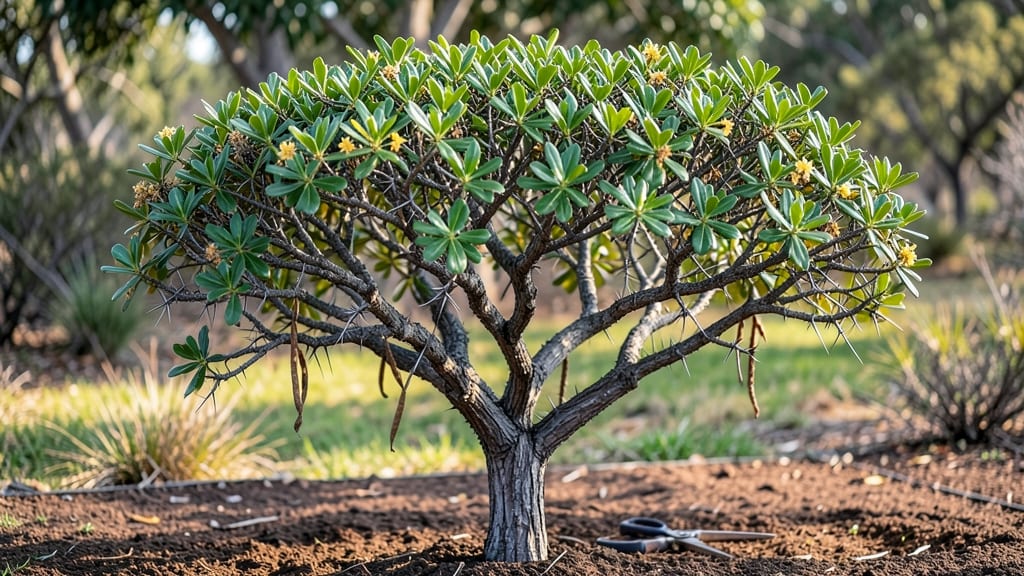
Growing a spike thorn tree in the Pacific Northwest means you’ll have a hardy, frost-resistant plant that thrives where others struggle. 🌿 These trees aren’t just tough—they’re versatile, offering sharp thorns for wildlife protection, erosion control on slopes, and striking ornamental value with their silvery bark and arching branches.
The secret to success starts with the right conditions: well-draining soil, full sun, and minimal fuss once established. Watering is straightforward—deep but infrequent—since these trees hate soggy roots.
Pruning, though, is where the magic happens: strategic cuts in late winter keep the tree compact and encourage dense, thorny growth that deters deer and rabbits.
By spring, you’ll notice new shoots bursting with vibrant green leaves, and by summer, the tree’s natural shape will frame your landscape beautifully. The thorns may seem intimidating, but they’re actually a gardener’s best friend—keeping pests at bay while adding texture and character to any yard.
Whether you’re restoring a slope, creating a wildlife-friendly hedge, or simply adding a dramatic focal point, this tree delivers year after year. The Pacific Northwest’s cold winters won’t phase it—once planted, it’s low-maintenance and reliable, making it a standout choice for resilient gardeners.
📚 In This Guide
- What you need
- Instructions
- Tips and common mistakes
- Wrapping up and next steps
What you need
- ● Spike thorn tree sapling or bare-root plant: Choose a Crataegus douglasii (black hawthorn) or Pouteria lucuma (if tropical-adapted). Ensure it’s 1-3 years old for best transplant success. (1 plant per 15-20 sq ft of space.)
- ● High-quality potting mix: A well-draining blend (60% native soil, 30% compost, 10% perlite or sand). (5-10 gallons, depending on pot size.)
- ● Organic mulch: Wood chips or straw (2-3 inches thick) to retain moisture and protect roots from frost. (1-2 bags per tree.)
- ● Pruning shears: Bypass pruners (for clean cuts) with sharp, stainless-steel blades (e.g., Felco F-2).
- ● Loppers: For thicker branches (3/4-inch capacity).
- ● Hand saw: Pruning saw with a curved blade for stubborn branches.
- ● Gloves: Heavy-duty gardening gloves (thorn-proof, like Tough Outdoors brand).
- ● Trowel & shovel: For planting and soil prep (12-inch width recommended).
- ● Watering can or hose: With a gentle spray nozzle to avoid soil erosion.
- ● Frost cloth: Lightweight row cover (30-50% shade) for young trees in late fall/winter.
- ● Tree ties: Soft fabric ties (3/4-inch width) to secure branches during storms.
- ● Slow-release fertilizer: Balanced 10-10-10 or compost tea for nutrient boosts.
- ● Soil moisture meter: To monitor watering needs (especially in PNW’s variable climate).
Step-by-step instructions for growing and pruning a spike thorn tree
Here’s how to cultivate this Pacific Northwest hardy tree with minimal fuss.
🌱 Step 1: Select the Right Location and Plant Your Tree
The spike thorn tree thrives in full sun to partial shade and tolerates a wide range of soil types, but it performs best in well-draining soil. In the Pacific Northwest, where winter frosts are common, choose a spot that gets at least 6 hours of sunlight daily—this ensures strong growth and frost resistance. Avoid low-lying areas where cold air pools, as this can damage young roots.
Dig a hole twice as wide as the root ball but no deeper. Gently remove the tree from its container and place it in the hole, ensuring the top of the root ball sits 1 inch above ground level. This prevents water from pooling around the base, which can lead to root rot. Backfill with native soil, tamping lightly to remove air pockets. Water deeply right after planting to settle the soil and encourage root establishment.
✂️ Step 2: Prune for Structure and Frost Resistance
Pruning isn’t just about shaping—it’s about preparing your spike thorn tree for winter. The best time to prune is late winter or early spring, just before new growth begins. Remove any dead, damaged, or crossing branches first, cutting back to the branch collar to avoid leaving stubs. Thin out crowded branches to improve airflow, which reduces the risk of fungal diseases in damp Pacific Northwest climates.
For frost resistance, focus on opening the tree’s canopy to allow sunlight to reach the inner branches. This ensures even growth and prevents weak, frost-sensitive wood. Use clean, sharp pruners to make cuts at a 45-degree angle just outside the branch collar. Avoid heavy pruning in fall, as new growth won’t harden off before winter, making it more susceptible to cold damage.
💧 Step 3: Water and Mulch for Pacific Northwest Conditions
During the first year, water your spike thorn tree deeply once a week, unless rainfall provides 1 inch of moisture. In the Pacific Northwest, where summers can be dry, consistent moisture is key to root development. After the first year, the tree becomes more drought-tolerant, but a deep watering every 2-3 weeks during dry spells keeps it thriving.
Apply a 3-inch layer of organic mulch around the base of the tree, keeping it 6 inches away from the trunk to prevent rot. Mulch helps retain soil moisture, regulates temperature, and suppresses weeds. In winter, a thicker layer of mulch—up to 4 inches—provides extra insulation against frost. Replenish mulch annually as it breaks down.
☀️ Step 4: Monitor for Pests and Winter Care
The spike thorn tree is naturally resistant to many pests, but watch for signs of aphids or spider mites, which can stress the tree. If you spot them, blast the tree with a strong stream of water or use an insecticidal soap. Avoid chemical pesticides, as they can harm beneficial insects and the tree’s natural defenses. Healthy trees are less susceptible to pests, so proper pruning and watering go a long way in prevention.
In winter, the tree’s frost resistance kicks in, but young trees may still need protection. Wrap the trunk with tree guard or burlap to shield it from rodent damage and harsh winds. If heavy snow accumulates, gently brush it off to prevent branch breakage. The spike thorn tree’s ability to handle frost makes it a low-maintenance choice for the Pacific Northwest, but a little extra care ensures it stays strong for years to come.
Tips & tricks for perfect spike thorn tree cultivation
A few strategic moves will help you grow a thriving spike thorn tree that stands up to Pacific Northwest winters.
Location and Sunlight Strategy: While the instructions mention 6 hours of sunlight, I've found that positioning your tree to capture morning sun and afternoon shade works even better in our climate. Morning sunlight helps dry dew quickly, reducing fungal risks, while afternoon shade prevents heat stress during summer's occasional dry spells. In urban areas, watch for nearby buildings that might cast shadows—adjust placement to maintain that critical sunlight balance.
Pruning Precision: When pruning in late winter or early spring, I recommend marking branches you plan to remove with a piece of twine before making cuts. This helps you visualize the final shape and ensures you don't accidentally remove too much at once. For frost resistance, pay special attention to the lower branches—they're often the first to suffer from cold damage. Aim to create an open vase shape that allows sunlight penetration to the center of the tree.
Watering Wisdom: The once-weekly watering guideline works well, but I've developed a simple test to check soil moisture: Stick your finger about 2 inches into the soil. If it feels dry, it's time to water. For container-grown trees, water more frequently—every 3-4 days—since they dry out faster. In summer, consider installing a drip irrigation system set to run for 20 minutes twice weekly to maintain consistent moisture without overwatering.
Mulch Mastery: While the 3-inch layer is ideal, I've found that adding a 1-inch layer of coarse sand or gravel on top of the mulch creates a natural barrier that deters rodents while still allowing water penetration. This extra layer has prevented several of my trees from becoming rodent buffets during winter. Also, refresh your mulch every spring—this helps maintain its insulating properties and prevents compaction over time.
Pro Tips for Spike Thorn Tree
- A few strategic moves will help you grow a thriving spike thorn tree that stands up to Pacific Northwest winters.
- Location and Sunlight Strategy: While the instructions mention 6 hours of sunlight, I've found that positioning your tree to capture morning sun and afternoon shade works even better in our climate.
- Pruning Precision: When pruning in late winter or early spring, I recommend marking branches you plan to remove with a piece of twine before making cuts.
Frequently asked questions
Got questions about growing and maintaining your spike thorn tree? You’re not alone—this tough, frost-resistant beauty has a few quirks! Here are some of the most common questions (and answers) from gardeners in the Pacific Northwest and beyond.
How cold can a spike thorn tree tolerate?
The Parker’s thorn tree (or Kolkwitzia amabilis) is one of the hardiest shrubs in the PNW, surviving temperatures as low as -20°F (-29°C) once established. Young plants may need winter protection (like burlap wraps) until their roots strengthen. Pro tip: Prune in late winter to avoid late-season frost damage to new growth!
When is the best time to prune a spike thorn tree?
Prune your spike thorn tree right after flowering (late spring) or in early winter (before new buds swell). Avoid heavy pruning in fall—it can stimulate tender growth that won’t survive frost. For shaping, focus on removing dead wood first, then thin out crowded branches to improve airflow.
Why are my spike thorn tree’s leaves turning yellow?
Yellowing leaves usually signal overwatering, nutrient deficiency, or fungal issues. Check soil moisture—spike thorns prefer well-draining soil and hate soggy roots. If yellowing is paired with brown spots, it could be powdery mildew. Treat with neem oil and prune affected branches for airflow. Need more help? Adjust your watering schedule to 1–1.5 inches per week (less in winter).
Can I grow a spike thorn tree in a container?
Yes! Spike thorn trees thrive in 5-gallon+ containers with drainage holes, making them perfect for patios or small yards. Use a fast-draining potting mix (like cactus/succulent blend) and repot every 2–3 years. Just know they’ll need winter protection (move indoors or wrap the pot) if temps drop below 10°F (-12°C).
Are spike thorn trees deer-resistant?
While not 100% deer-proof, spike thorns are highly unappealing thanks to their sharp thorns and bitter foliage. Deer typically avoid them unless other food sources are scarce. For extra defense, plant near rosemary, lavender, or boxwood—deer hate the combo! Pro move: Use them as a natural barrier!
What’s a good alternative if I want thorns but no flowers?
If you love the thorny defense but want low-maintenance foliage, try:
- Pyracantha – Berries + dense thorns, great for hedges.
- Hawthorn (Crataegus) – Wildlife-friendly, drought-tolerant.
- Russian olive (Elaeagnus) – Silvery leaves, salt-tolerant.
Wrapping up and next steps
The spike thorn tree is a resilient, frost-hardy beauty that thrives in the Pacific Northwest’s climate—perfect for gardeners seeking both beauty and durability! 🌲 With the right pruning techniques, you’ll keep it healthy, encourage lush growth, and even enhance its natural defenses.
Whether you’re trimming for shape, safety, or seasonal care, now’s the time to roll up your sleeves and give your tree the attention it deserves.
Ready to level up your pruning game? Grab your tools, check your local frost dates, and start with a small section—confidence grows with practice! 🌟 For even more inspiration, explore regional pruning calendars or connect with local gardening groups to swap tips. Happy pruning!