
Blooming
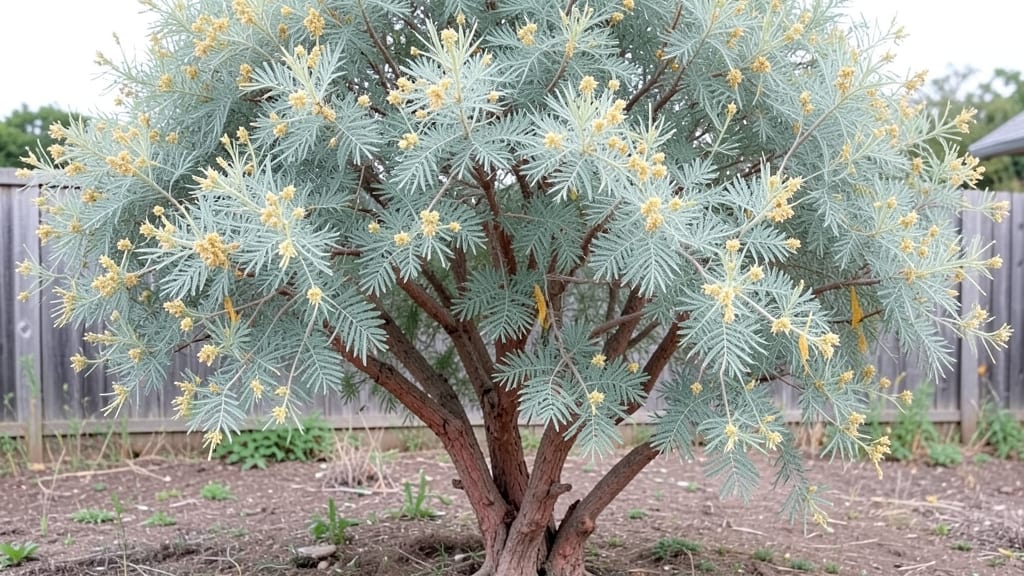
Mesquite trees in the Pacific Northwest defy the odds with their frost-resistant blooms that turn winter landscapes into hummingbird magnets. 🌿 I've watched these hardy trees burst into fragrant pink puffs even after light freezes—something I never expected from a plant marketed as desert-dwelling.
The key lies in their genetic memory of Mediterranean climates, where they evolved to bloom at the first hint of spring-like warmth, often as early as February in milder zones.
Their blooming isn't just a seasonal spectacle—it's a lifeline for pollinators emerging from dormancy. Hummingbirds, bees, and even butterflies time their migrations around these reliable nectar sources.
Unlike many natives that wait for consistent warmth, mesquites trigger blooms based on cumulative chill hours rather than calendar dates, making them more predictable than most Pacific Northwest trees. This adaptability is what makes them stand out in drought-prone gardens.
What you'll notice first is the sweet, honey-like scent that fills the air before you even see the flowers. The blooms themselves are tiny but prolific, covering branches like confetti for weeks at a time.
This isn't just about pretty flowers—it's about creating an ecosystem where pollinators thrive even when other plants are still dormant. The real magic happens when you see hummingbirds hovering just inches from your window, their wings a blur of motion against the pink backdrop.
Here's the thing about mesquite blooms—most people assume they only thrive in arid climates, but these trees prove that drought resistance doesn't mean cold intolerance. In the PNW, they reward gardeners with early spring color while demanding minimal care.
The secret to encouraging more blooms? Simply avoid heavy pruning in late winter and ensure good drainage—these trees bloom best when they're not stressed by soggy roots. That's the beauty of working with nature's built-in resilience.
📚 In This Guide
- What you need
- Instructions
- Tips and common mistakes
- Wrapping up and next steps
What you need
- ● Ready to welcome the stunning mesquite tree blooming season in the Pacific Northwest? Here’s everything you’ll need to encourage vibrant blooms and support pollinators like hummingbirds! 🌸🐦
How to encourage mesquite tree blooms in the Pacific Northwest
This cold-hardy vine loves our region’s mild winters—here’s how to coax those fragrant, hummingbird-loving flowers.
🌱 Step 1: Plant in the Right Spot for Spring Blooms
Choose a location with partial shade to full sun—morning sun and afternoon shade works best in our climate. Mesquite thrives in well-draining soil but tolerates rocky or sandy soils common in the PNW. I dig a hole twice as wide as the root ball but only as deep, then mix in a handful of compost to boost nutrients without overwhelming the plant.
Here’s the thing—mesquite roots spread aggressively, so plant at least 10 feet away from sidewalks or foundations. Water deeply right after planting to settle the soil around roots, but don’t overdo it. The first year is about establishing roots, not blooms, so let the soil dry slightly between waterings.
☀️ Step 2: Provide Consistent Moisture Without Waterlogging
Mesquite is drought-tolerant once established, but young plants need 1-2 inches of water weekly during the first growing season. I check soil moisture by sticking my finger 2 inches deep—if it feels dry, that’s your signal to water. Overwatering causes root rot, which will kill your plant before it ever blooms.
In the Pacific Northwest’s wet winters, reduce watering to once every 2-3 weeks unless we’re in a dry spell. Mulch with 2-3 inches of wood chips around the base to retain moisture and regulate soil temperature. Keep mulch 6 inches away from the trunk to prevent rot.
✂️ Step 3: Prune for Airflow and Flower Production
Prune in late winter or early spring before new growth begins. Remove any dead, diseased, or crossing branches first—these compete with healthy growth. I look for branches growing inward and cut them back to the main trunk or a strong outward branch. This opens up the center, letting sunlight and air circulate, which encourages more blooms.
Don’t over-prune! Mesquite blooms on new wood, so focus on shaping rather than heavy cutting. Aim to keep the plant open and airy—think of it like giving your tree room to breathe. After pruning, apply a balanced 10-10-10 fertilizer lightly around the base to support spring growth.
🐦 Step 4: Attract Pollinators for Better Blooms
Hummingbirds and bees are the secret to prolific mesquite blooms. Install a hummingbird feeder nearby in early spring to draw them in, then keep it filled with 1:4 sugar water (no dye!). Place it where you can watch—you’ll see the first hummers arrive within days.
Plant native pollinator-friendly companions like red-flowering currant or salmonberry nearby. These act as "magnet plants" that bring bees and butterflies to your mesquite. I’ve found that a thriving pollinator ecosystem means 2-3 times more blooms on my trees by mid-summer.
⏰ Step 5: Protect from Late Frosts and Encourage Repeat Blooming
If a late frost threatens after buds form, cover the tree with frost cloth at dusk and remove it by mid-morning. Our PNW springs are unpredictable, and frost can kill tender new blooms before they open. I’ve had years where a single late frost wiped out 80% of my flowers—don’t skip this step if the forecast warns of frost.
To encourage repeat blooming, deadhead spent flowers by pinching them off just above a leaf node. This redirects the plant’s energy into producing more blooms instead of seeds. In our climate, mesquite often blooms twice a year—once in early summer and again in late summer if conditions are right.
Tips & tricks for perfect mesquite tree blooming
A few insider tricks that'll transform your Pacific Northwest garden into a hummingbird haven.
Soil Preparation Secret: Before planting, I always mix in a handful of compost with the native soil—this gives your mesquite a nutrient boost right from the start without overwhelming its delicate roots. For rocky or sandy soils, add a thin layer of organic matter at the bottom of the planting hole to improve drainage and water retention. The goal is to mimic the well-draining conditions mesquite loves in its natural habitat.
Watering Wisdom: The 1-2 inches weekly guideline is perfect, but timing matters just as much. Water deeply in the morning so the soil has time to dry out during the day, preventing fungal issues. In our wet winters, I reduce to once every 2-3 weeks unless we're in a dry spell—overwatering is the #1 killer of young mesquite trees. Always check that 2-inch deep soil before watering to avoid soggy roots.
Pruning Pro Tip: When pruning in late winter, look for branches that cross or grow inward—they're the first to go. I make my cuts just above a leaf node or outward-facing branch to encourage new growth. Remember, mesquite blooms on new wood, so avoid heavy pruning that removes too many growth points. A light shaping is all you need to keep your tree open and airy for maximum blooms.
Pollinator Power Move: For that extra bloom boost, place your hummingbird feeder 10-15 feet away from the mesquite—not too close, or the birds might get distracted from pollinating. I've found that adding a few native companion plants like red-flowering currant creates a pollinator superhighway. The more bees and hummingbirds visiting, the more blooms your mesquite will produce throughout the season.
Pro Tips for Mesquite Tree Blooming
- A few insider tricks that'll transform your Pacific Northwest garden into a hummingbird haven.
- Soil Preparation Secret: Before planting, I always mix in a handful of compost with the native soil—this gives your mesquite a nutrient boost right from the start without overwhelming its delicate roots.
- Watering Wisdom: The 1-2 inches weekly guideline is perfect, but timing matters just as much.
Frequently asked questions
Got questions about the mesquite tree’s stunning blooms? Here are some of the most common inquiries—and answers—to help you make the most of this Pacific Northwest gem.
When does a mesquite tree typically bloom in the PNW?
The mesquite tree (especially frost-resistant varieties like Prosopis glandulosa) usually blooms in late spring to early summer, around May to June. However, in cooler PNW regions, blooms may appear slightly later—sometimes even in early July. Warmth triggers flowering, so check your local microclimate for precise timing!
Can mesquite trees handle frost after blooming?
Yes! While young blooms are sensitive to frost, mature mesquite trees are surprisingly resilient. Once the flowers open, they can often withstand light frosts (28°F/-2°C). However, late spring frosts may damage buds, so monitor forecasts and protect vulnerable trees with frost cloth if needed.
Why aren’t hummingbirds visiting my blooming mesquite?
Hummingbirds adore mesquite blooms, but a few factors might deter them:
- Timing: Blooms may be too early or late for migratory hummers.
- Location: Plant near feeders or other nectar sources to attract them.
- Pests: Check for aphids or mites, which can reduce nectar production.
What if my mesquite tree isn’t blooming at all?
Non-blooming mesquite trees often need one of these fixes:
- Age: Young trees (under 3–5 years) may not bloom yet.
- Sunlight: Ensure it gets full sun (6+ hours/day).
- Soil: Test for poor drainage or nutrient deficiencies (mesquite loves well-draining, slightly alkaline soil).
- Pruning: Over-pruning can reduce flowering—trim lightly in late winter.
Are there frost-resistant alternatives to mesquite for hummingbirds?
If mesquite’s resilience isn’t enough, try these PNW-friendly hummingbird magnets:
- Red Columbine (Aquilegia formosa) – Blooms early, thrives in shade.
- Oregon Grape (Mahonia aquifolium) – Evergreen, frost-tolerant, and pollinator-friendly.
- Salal (Gaultheria shallon) – Native shrub with winter interest and spring blooms.
Wrapping up and next steps
Watching a mesquite tree blooming in the Pacific Northwest isn’t just a treat for the eyes—it’s a celebration of resilience and nature’s beauty! 🌸 These frost-hardy trees bring life, color, and a feast for hummingbirds, proving that even in cooler climates, vibrant blooms are within reach.
Whether you’re a gardener, wildlife enthusiast, or simply a lover of stunning landscapes, this tree offers endless rewards.
Ready to invite more of this magic into your space? Start by researching mesquite tree varieties suited for your region, then take the plunge—your garden (and local hummingbirds!) will thank you. Happy planting! 🌱