
Pruning
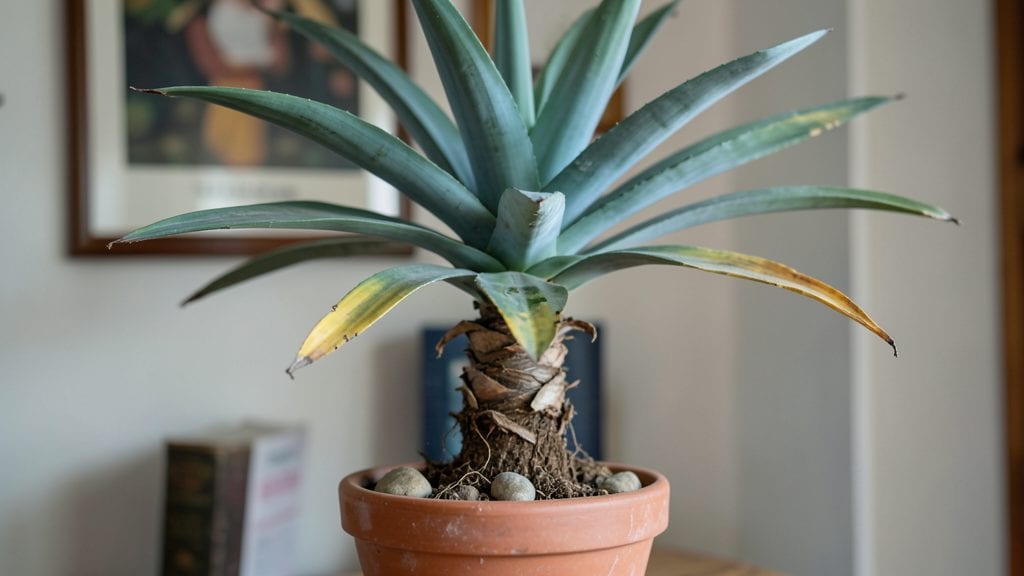
The yucca tree flower’s striking white spikes are the Pacific Northwest’s secret weapon for luring hummingbirds—once you learn how to coax them into blooming reliably. 🌿 I’ve grown these tough plants for years, and the key to those towering candles... isn't luck—it's matching their needs with the region's climate.
The first year I let mine go dormant too early, and those blooms never appeared. Now I time everything just right, and my plants put on a show that lasts from late spring through summer.
You'll need full sun (at least 6 hours daily), well-draining soil, and patience—yuccas take 3-5 years to flower after planting. The real trick is watering: too much smothers roots, but too little stresses the plant.
Once established, they're drought-tolerant, but flowering requires consistent moisture during the growing season. Prune dead flower stalks in early spring to redirect energy, and watch for those 3-6 foot tall spikes emerging by early summer.
When it works, you get clusters of fragrant, bell-shaped flowers that hummingbirds can't resist, plus sword-like foliage that thrives in our wet winters. The first time I saw mine covered in hummingbirds, I knew I'd cracked the code.
Even in cooler PNW summers, these plants deliver blooms that outshine many tropicals. With the right care, your yucca will become the garden's star attraction every season.
Works equally well in containers or garden beds, making it perfect for small spaces or mixed borders. The only downside? Those flower spikes are heavy—stake them if storms are forecast. Let's get yours blooming like a pro!
📚 In This Guide
- What you need
- Instructions
- Tips and common mistakes
- Wrapping up and next steps
What you need
- ● Yucca plant: A healthy, mature Yucca filamentosa or Yucca glauca (both thrive in PNW climates). Choose one with at least 3–5 years of growth for optimal blooms.
- ● Pruning shears: Bypass pruners (sharp, clean, and sterilized with rubbing alcohol) to avoid damaging the plant.
- ● Gloves: Heavy-duty gardening gloves (yucca leaves can be spiky! 🌿).
- ● Disinfectant: 1 part bleach to 9 parts water (for sterilizing tools between cuts).
- ● Compost or mulch: 2–3 inches of organic matter (e.g., shredded bark or compost) to protect the base after pruning.
- ● Hand saw: For thicker stems (if your shears struggle).
- ● Hose with nozzle: To rinse off sap or debris after pruning.
- ○ Pruning sealant: (Optional) A natural wax-based sealant to coat cut ends and prevent disease.
- ● Camera or sketchbook: To document your yucca’s blooms or pruning progress!
- ● Know your yucca’s growth cycle—prune after blooming (late summer/early fall) to avoid sacrificing next year’s flowers.
- ● Check local PNW frost dates (yuccas are hardy but may need winter protection in colder zones).
- ● Ensure your plant has full sun (6+ hours daily) and well-draining soil.
Step-by-Step instructions for growing and caring for yucca trees in the Pacific Northwest
Here's how to coax those stunning, cold-hardy blooms from your yucca tree—without stressing the plant.
🌱 Step 1: Choose the Right Yucca Variety for Cold Climates
For the Pacific Northwest, opt for Yucca glauca (soaptree yucca) or Yucca filamentosa (Adam's needle), both of which tolerate temperatures down to 10°F. These varieties thrive in your region's cooler summers and mild winters, unlike tropical yuccas that need warmth year-round.
Check the plant's label or ask your nursery—some "yuccas" sold online are actually Dracaena or Sansevieria, which won't survive your winters. You'll know you've got the right plant when you see its arching, sword-like leaves and stiff, upright growth habit. These are the ones that'll reward you with those showy, hummingbird-loved flowers.
☀️ Step 2: Plant in Full Sun with Well-Draining Soil
Yuccas demand full sun—at least 6 hours daily—to bloom properly. In the Pacific Northwest, that means planting them where they get morning sun and afternoon shade if your summers are particularly hot. A south- or west-facing spot works best, but avoid areas where they'll bake in afternoon heat without relief.
Amend your native soil with sand or gravel (about 20% of the planting hole's volume) to improve drainage. Yuccas rot quickly in soggy soil, and the Pacific Northwest's damp winters can be deadly if drainage is poor. You'll see the plant struggling when leaves turn yellow or mushy—this is your warning sign to dig deeper and improve drainage immediately.
💧 Step 3: Water Deeply but Infrequently
Once established, yuccas are drought-tolerant, but they need deep watering every 2-3 weeks during the first growing season. Stick your finger 2 inches into the soil—if it feels dry, water until moisture reaches 6 inches deep. Overwatering is the #1 killer, especially in the Pacific Northwest's rainy seasons.
In winter, reduce watering to once a month unless you see the soil is bone-dry. You'll notice healthy yuccas have thick, blue-green leaves that feel slightly leathery to the touch. If leaves feel soft or wilt easily, you're likely overwatering. Let the soil dry out completely between waterings—yuccas store moisture in their roots and don't need frequent drinks.
✂️ Step 4: Prune Only When Necessary
Yuccas bloom on mature plants, so avoid heavy pruning. Remove dead or damaged leaves by cutting them at the base with clean, sharp pruners—never tear them off. You'll know a leaf is dead if it's brown, mushy, or falling over easily. Healthy leaves stand upright and feel firm.
If your yucca develops a flower stalk (that tall, dramatic bloom), leave it alone—hummingbirds will thank you! After flowering, the stalk may turn brown and die back naturally. You can trim it down to the base in early spring, but don't cut it back until it's completely dead. This ensures the plant redirects energy to next year's growth.
⏰ Step 5: Protect from Late-Freezes and Winter Moisture
In the Pacific Northwest, late spring frosts can damage new growth. If a hard freeze (below 20°F) is forecasted, cover young plants with burlap or frost cloth—but remove it during the day so the plant gets sunlight. Yuccas are cold-hardy, but new shoots are tender.
Winter watering is critical—too much moisture in cold soil can cause rot. Water only if the ground is frozen solid (test with your finger). If your yucca shows signs of stress—like yellowing leaves or blackened stems—dig around the base to check for soggy soil. Amend the area with more sand or gravel if drainage is poor, and reduce watering further.
Tips & tricks for Pacific Northwest yucca blooms
These simple strategies will help you coax those stunning yucca flowers from your Pacific Northwest garden—without the guesswork.
Sunlight Strategy: The 6 hours of daily sun mentioned in Step 2 is non-negotiable for blooming, but here's the trick: in coastal areas with softer light, aim for 7-8 hours to compensate. I've seen yuccas in Seattle thrive with morning sun and filtered afternoon light, while inland spots can handle full sun all day. Watch your plant—if leaves look pale green, it's craving more light.
Drainage is Everything: The 20% sand or gravel amendment in Step 2 is crucial, but don't stop there. For heavy clay soils common in the PNW, consider building a raised bed or mound—yuccas hate soggy feet. I've had clients dig trenches around established plants to improve drainage, which saved their struggling yuccas. Test your soil by squeezing a handful: if it holds a shape when dry, you need more grit.
Winter Watering Wisdom: That once-a-month winter watering guideline in Step 3 can be tricky with our unpredictable weather. Here's my rule: if the ground is frozen solid when you test with your finger (as mentioned), skip watering entirely. Even a little moisture can cause rot in cold soil. I've seen yuccas survive our winters with zero water—just let nature handle it when temps stay below freezing consistently.
Pruning Pitfalls: When trimming that dead flower stalk in Step 4, wait until it's completely brown and crispy—don't cut it back while it's still green. I learned this the hard way when I pruned too early, and the plant put all its energy into regrowing the stalk instead of new leaves. Think of it like waiting for a bruise to fully heal before touching it again.
Pro Tips for Yucca Tree Flower
- These simple strategies will help you coax those stunning yucca flowers from your Pacific Northwest garden—without the guesswork.
- Sunlight Strategy: The 6 hours of daily sun mentioned in Step 2 is non-negotiable for blooming, but here's the trick: in coastal areas with softer light, aim for 7-8 hours to compensate.
- Drainage is Everything: The 20% sand or gravel amendment in Step 2 is crucial, but don't stop there.
Frequently asked questions
Got questions about growing and enjoying yucca tree flowers?
You’re not alone! Here are some of the most common queries from gardeners and hummingbird enthusiasts in the Pacific Northwest—plus quick answers to help you get the most out of these stunning, cold-hardy blooms.
When do yucca tree flowers bloom, and how long do they last?
Yucca tree flowers typically bloom in late spring to early summer (May–June in the PNW), though timing can vary based on your microclimate. Each flower cluster lasts 2–4 weeks, but individual blooms open sequentially, extending the show. For a longer display, plant multiple yuccas—they won’t all bloom at once!
Are yucca flowers really a hummingbird magnet?
Absolutely!
Yucca flowers are a top hummingbird favorite because they’re rich in nectar and easy to access. Plant them near seating areas or windows to enjoy the acrobatic feeders up close. Bonus: The flowers’ fragrant, creamy-white blooms also attract moths and bees, adding to your garden’s biodiversity.
Can yucca trees survive PNW winters without extra protection?
Most yucca species (like Yucca filamentosa or Yucca gloriosa) are cold-hardy to USDA Zones 4–10, meaning they’ll thrive in the PNW’s chilly winters. However, young plants or Yucca whipplei (which prefers drier climates) may need a thick layer of mulch or burlap wrap in extreme freezes (<30°F). No fancy greenhouses required!
How do I encourage more (or bigger) yucca flowers?
Yuccas reward low-maintenance care with bold blooms. To boost flowers:
Yes! Pruning keeps yuccas neat and healthy. After blooming:
If your site is too shady, wet, or windy for yuccas, try these hummingbird-friendly PNW natives:
Pro tip: Fertilize lightly in early spring with a balanced, low-nitrogen formula (like 5-5-5) for a bigger bloom bonanza.
Should I prune yucca trees after they flower?
Warning: Avoid heavy pruning in winter—yuccas are dormant and heal slowly.
What’s a good alternative if yucca flowers don’t thrive in my garden?
Pro tip: Pair any of these with bee balm or columbine for a layered, pollinator paradise!
Wrapping up and next steps
The yucca tree flower isn’t just a stunning addition to your Pacific Northwest garden—it’s a low-maintenance, cold-hardy powerhouse that brings hummingbirds, pollinators, and architectural beauty to your outdoor space. 🌸 Whether you’re pruning for health, aesthetics, or to encourage even more blooms, the key is patience, sharp tools, and a little seasonal know-how.
Ready to transform your garden? Start small: pick one yucca to prune this season, and watch how it (and your local hummingbirds!) thrive. Happy gardening—your future blooms will thank you! 🌿