
Pruning
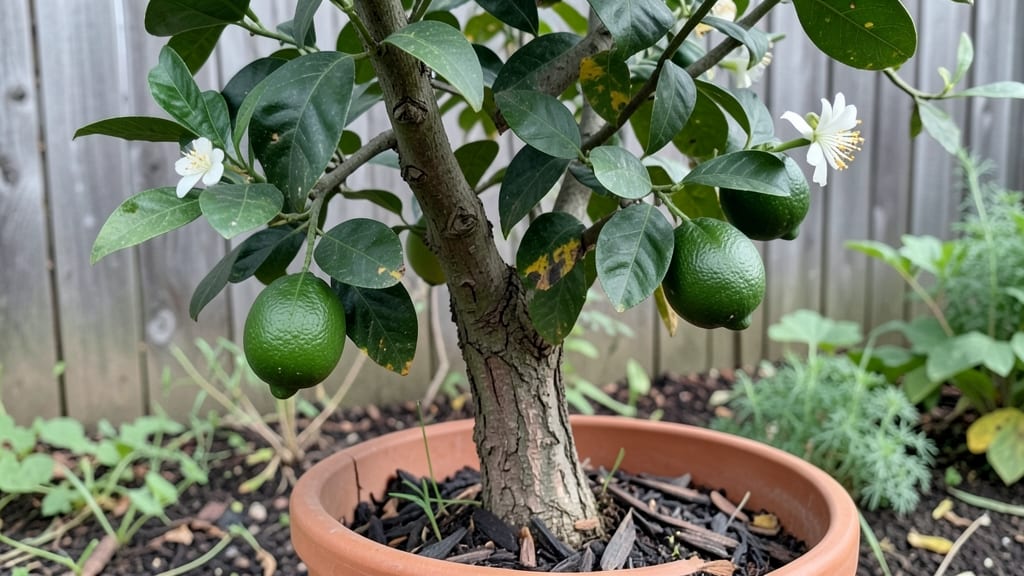
Your Pacific Northwest lemon tree starts with the right lemon tree dirt—not just any soil, but a mix that mimics the Mediterranean climate these trees crave. 🌱 I learned this the hard way when my first tree’s roots sat in soggy winter soil, leading to root rot that took months to recover from.
The fix? A well-draining blend with just the right balance of organic matter and grit.
This isn’t about fancy amendments—just sandy loam (or 50% potting mix + 30% perlite + 20% compost) to keep roots happy year-round. The PNW’s wet winters demand extra drainage, while summer droughts need moisture retention. Test your soil’s pH (aim for 6.0–7.0)—too acidic, and your tree’s nutrient uptake suffers.
What you’ll get is a tree that thrives through rain and shine, with glossy leaves and bright, juicy lemons by late summer. The secret? Mimic the tree’s natural habitat—dry feet, rich nutrients, and no waterlogged roots. Once you nail the soil, everything else falls into place.
Works for container or in-ground trees, and the same principles apply to other citrus like limes or oranges. Let’s get that soil right so your tree can focus on growing—no more soggy roots or stunted growth.
📚 In This Guide
- What you need
- Instructions
- Tips and common mistakes
- Wrapping up and next steps
What you need
- ● Potting Soil: 1 part well-draining citrus potting mix (e.g., Miracle-Gro Citrus, Fox Farm Ocean Forest)
- ● 1 part perlite or pumice (for aeration; 10-20% of total mix)
- ○ 1 part coarse sand (optional but ideal for PNW’s heavy clay soil; 10-15% of total mix)
- ● Container: 1 large pot or grow bag (minimum 12-15 gallons for mature trees; 5+ gallons for dwarf varieties)
- ● 1 drainage tray (to catch excess water)
- ○ 1 pot saucer or cache pot (optional, for aesthetics)
- ● Amendments (PNW-Specific): Composted manure (e.g., cow or worm castings; 10% of soil mix for fertility)
- ● Lemon tree dirt substitute: Mix 1 part peat moss + 1 part coconut coir + 1 part sand for a DIY blend
- ● 1 trowel or small shovel (for mixing soil)
- ● 1 gloves (to protect hands from grit)
- ● 1 spray bottle (for misting seedlings or new plants)
- ○ 1 moisture meter (optional but handy for PNW’s damp winters)
- ● 1 pruning shears (for shaping and maintenance)
- ● Location: A sunny spot (south-facing window or grow lights for 6+ hours/day)
- ● Climate Prep: If outdoors, use a greenhouse or cold frame for winter (40°F+ minimum)
- ● Watering Setup: Drip irrigation or a self-watering pot (PNW’s rainy winters can over-saturate soil!)
- ● Fertilizer: Citrus-specific fertilizer (e.g., Espoma Citrus-Tone; apply every 4-6 weeks)
How to create the perfect lemon tree soil mix for Pacific Northwest climates
Here's the foolproof blend that keeps citrus thriving in cool, wet winters.
🪴 Step 1: Build a Well-Draining Foundation
Start with 50% high-quality potting mix as your base—this provides essential nutrients while maintaining some moisture retention. I add 30% perlite to create air pockets, which is critical for preventing root rot in our damp climate. The perlite also helps with drainage, preventing that soggy soil citrus trees despise.
Mix these two components thoroughly in a large container. You'll want the texture to resemble coarse sand—light enough that water passes through easily but still holds enough structure to support roots. If your hands come away with clumps when squeezing the mix, add a little more perlite until it feels crumbly.
🌱 Step 2: Boost Organic Matter for Citrus Health
Add 20% composted bark or coconut coir to improve aeration and provide slow-release nutrients. This mimics the tree's natural Mediterranean environment while adapting to our wetter conditions. I like to use finely shredded bark because it breaks down gradually, feeding the tree over months rather than all at once.
Work this into your mix until it's evenly distributed. The final texture should feel like a cross between moist sand and crumbly cake batter—light enough for roots to breathe but with enough structure to hold moisture without becoming waterlogged. Give it one final mix to ensure no dry spots remain.
💧 Step 3: Adjust pH and Add Citrus-Specific Nutrients
Citrus trees thrive in slightly acidic soil with a pH between 6.0 and 7.0. Test your mix with a simple pH meter—if it's too alkaline, add a handful of sulfur and remix thoroughly. For nutrients, work in 1 cup of citrus-specific fertilizer per 5 gallons of mix to provide the micronutrients lemon trees crave, particularly iron and zinc.
I like to add a handful of egg shells (crushed) to provide calcium, which helps prevent common citrus issues like leaf curl. Mix everything together one final time, breaking up any remaining clumps. Your soil should now look like a rich, dark, slightly gritty blend that holds its shape when squeezed but still feels light and airy.
☀️ Step 4: Test and Condition Before Planting
Fill a small container with your mix and water it thoroughly. Let it drain completely, then check the moisture level by squeezing a handful—it should feel damp but not wet, with no water dripping out. If it feels too dry after draining, add a little more coconut coir to improve moisture retention.
Let the mix sit for 24 hours before using it. This allows any remaining chemicals to settle and gives the components time to fully integrate. After conditioning, your lemon tree dirt should be ready to support healthy growth, even in our cool Pacific Northwest climate. The key is that balance—just damp enough to support life, but never soggy.
✂️ Step 5: Maintain and Refresh the Mix
Every 3-4 months, top-dress your lemon tree with a fresh layer of your mix to replenish nutrients. I like to do this in early spring and again in early fall, just before the cooler months set in. This mimics natural leaf litter decomposition and keeps your tree thriving without overwhelming it with sudden nutrient spikes.
Watch for signs of nutrient depletion—yellowing leaves or slow growth means it's time to refresh. If you notice the mix compacting over time, fluff it up with a little more perlite. The goal is to keep that perfect balance of drainage and moisture retention that our cool, wet climate demands for citrus success.
Tips & tricks for perfect lemon tree soil mix
Here's what nobody tells you about creating citrus-friendly soil that actually works in our damp climate.
Texture Matters: The goal is that perfect balance—like damp sand that holds its shape when squeezed but still crumbles easily. If your mix feels too dense after mixing in Step 1, add another 5% perlite. Too loose? Mix in a little more potting mix. Think of it like baking: you want structure but not heaviness. I learned this the hard way after seeing my first lemon tree's roots rot from overly compacted soil.
pH Testing Tip: Don't guess about that pH in Step 3! Grab a cheap pH meter from your garden center—it's the only reliable way to know if you need that sulfur adjustment. I've seen people add sulfur to already acidic mixes, which can actually harm the tree. Aim for that 6.0-7.0 range like the instructions say, and test again after adding sulfur if you're unsure.
Organic Matter Upgrade: For Step 2, if you can't find composted bark, coconut coir works perfectly too—just make sure it's finely shredded. The key is that slow-release nutrition. I've had great success using a mix of both: 10% bark and 10% coir for extra insurance against nutrient depletion. The texture difference is subtle but makes a world of difference in root health.
Make-Ahead Strategy: You can absolutely prep this mix up to 24 hours in advance (just like the conditioning time in Step 4). Store it in a sealed container, but don't water it until you're ready to use it. This gives you flexibility for weekend planting projects. I like to make a big batch on a Sunday and use it throughout the week for all my citrus projects.
Pro Tips for Lemon Tree Dirt
- Here's what nobody tells you about creating citrus-friendly soil that actually works in our damp climate.
- Texture Matters: The goal is that perfect balance—like damp sand that holds its shape when squeezed but still crumbles easily.
- pH Testing Tip: Don't guess about that pH in Step 3!
Frequently asked questions
Got questions about growing lemon trees in the Pacific Northwest’s "lemon tree dirt"?
You’re not alone! Here are answers to the most common concerns—from soil prep to troubleshooting—so you can keep your citrus thriving year-round.
What exactly is "lemon tree dirt," and how is it different from regular soil?
"Lemon tree dirt" is a well-draining, nutrient-rich mix designed to mimic Mediterranean conditions—critical for PNW’s wet winters. It blends 50% potting soil, 30% perlite/pumice, and 20% compost (or citrus-specific fertilizer). Unlike regular soil, it avoids compaction and waterlogging, which kill roots. Think of it as a custom cocktail for thirsty citrus!
When’s the best time to plant a lemon tree in PNW soil?
For container-grown trees, plant in late spring or early summer (May–June) to avoid frost. Bare-root trees? Winter dormancy (Dec–Feb) is ideal—just keep them sheltered until roots establish. Pro tip: Acclimate potted trees to outdoor temps gradually over 2 weeks to prevent shock.
How do I protect my lemon tree from PNW’s rainy winters?
Lemon trees hate soggy roots. Use these tricks:
- Elevate containers on bricks or saucers with drainage holes.
- Cover with a tarp during heavy rain (remove to prevent mold).
- Water deeply but less often—let the top 1–2 inches dry between soakings.
- Move indoors (garage, patio cover) if temps drop below 40°F.
Why aren’t my lemon tree leaves turning yellow, even with "lemon tree dirt"?
Yellow leaves usually signal overwatering, nutrient deficiency, or pests. Check these fixes:
Issue
Solution
Soggy soil
Let it dry out; add more perlite to improve drainage.
Nitrogen deficiency
Fertilize with citrus-specific feed (high nitrogen) in spring.
Pests (spider mites, scale)
Spray with neem oil or insecticidal soap.
Can I use "lemon tree dirt" for other citrus, like oranges or limes?
The same mix works for all Mediterranean citrus (oranges, limes, grapefruits). Just adjust fertilizer ratios: lemon trees love nitrogen, while oranges prefer a balanced NPK (e.g., 6-6-6). For outdoor planting, amend native PNW soil with 1/3 "lemon tree dirt" to boost drainage and nutrients.
Wrapping up and next steps
Growing a thriving lemon tree in the Pacific Northwest’s chilly climate isn’t just possible—it’s empowering! 🌱 With the right mix of lemon tree dirt, protective techniques, and a dash of patience, you can enjoy year-round citrus right at home.
Whether you’re a seasoned gardener or a curious beginner, this hack proves that creativity and care can turn even the coldest winters into a harvest season.
Ready to take the next step? Start by gathering your supplies and sketching a plan for your tree’s winter sanctuary. Your future lemons are waiting—let’s make it happen! 🍋✨