Pruning
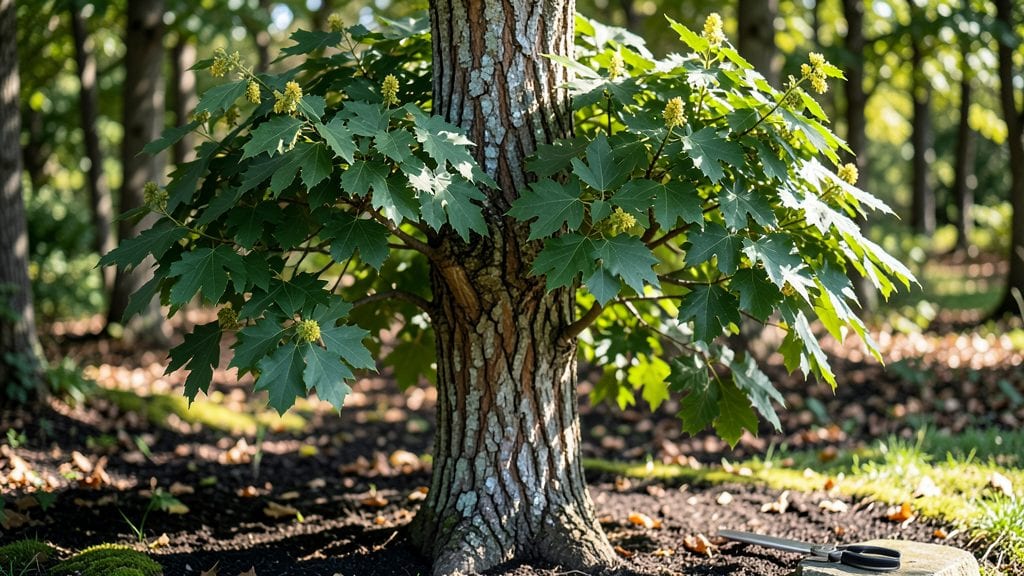
The rock maple tree’s bark is nature’s own layered masterpiece—each peeling layer revealing the history of the tree. 🌿 I’ve spent years watching these trees in the Pacific Northwest, where their rugged bark becomes even more striking against misty skies.
The secret to preserving that beauty lies in understanding how to prune without damaging what makes them special.
This isn’t just about trimming branches—it’s about working with the tree’s natural resilience. Rock maples thrive in partial shade and well-draining soil, but their bark needs gentle handling to avoid unsightly scars.
The right pruning technique keeps them strong, encourages healthy peeling patterns, and prevents disease from taking hold in damaged areas.
By the end of this guide, you’ll see your rock maple standing taller, with smoother bark layers and fewer weak spots. The key is timing—prune in late winter or early spring when the tree is dormant, and always use sharp tools to make clean cuts.
Even a small effort now means years of that stunning bark staying intact.
Whether you’re pruning for aesthetics or health, these techniques work for both young saplings and mature trees. The Pacific Northwest’s damp climate means extra vigilance, but with the right approach, your rock maple will reward you with decades of layered beauty—just like the ones I’ve admired for years.
📚 In This Guide
- What you need
- Instructions
- Tips and common mistakes
- Wrapping up and next steps
What you need
- ● Pruning shears: Bypass pruners (for cuts 1 pair (sharp, high-quality, e.g., Felco or Corona).
- ● Loppers: Bypass or anvil type (for cuts 1–2 inches thick) – 1 pair (extendable handles for reach).
- ● Pruning saw: Curved-tooth saw (for branches >2 inches thick) – 1 (e.g., Fiskars or Bahco).
- ● Rubbing alcohol (70%+) or bleach solution: 1 small bottle (for sterilizing tools between cuts).
- ● Heavy-duty gloves: 1 pair (cut-resistant, e.g., Mechanix or gardening gloves).
- ● Safety glasses: 1 pair (ANSI-rated for debris protection).
- ● Work boots: 1 pair (steel-toe recommended for larger branches).
- ○ Ladder or stump: 1 (stable, tall enough to reach canopy; optional: pole saw for high branches).
- ● Tarp or drop cloth: 1 medium-sized (to collect debris and protect landscaping).
- ● Twine or zip ties: 5–10 feet (for securing branches post-cutting).
- ● Pruning sealant: (e.g., Tanglefoot Tree Wound Pruning Seal) – 1 small tube (for large cuts, though not always necessary for Rock Maple).
- ● Extension pole: (for high branches, 6–12 feet) – 1 (e.g., telescoping pruner pole).
- ● Tree bag or burlap: (to collect and transport bark/debris) – 1–2.
- ● Notepad & pen: (to mark cuts or track progress).
- ● First-aid kit: (just in case!).
How to prune rock maple trees for Pacific Northwest strength
Here's the method I've used for years to keep these iconic trees healthy and thriving in our wet climate.
🪴 Step 1: Assess the Tree Structure and Identify Pruning Layers
Start by examining your rock maple tree from all angles, focusing on the branches that cross or rub—these are your first targets. Look for dead, diseased, or weak branches (they'll appear brown, brittle, or have no leaves). I always begin with these because they're the easiest to spot and remove first.
Next, identify the three main layers of the tree's structure: the crown (top layer), middle branches (scaffold), and lower limbs (ground level). Rock maples naturally grow with a layered look, so aim to maintain that natural shape. Use a pruning saw or loppers to make small, clean cuts on any branches that disrupt this layered appearance.
✂️ Step 2: Remove Dead and Diseased Branches First
Use sterilized pruning shears to cut out any dead or diseased branches at their base. Sterilizing your tools with rubbing alcohol prevents spreading disease to healthy parts of the tree. You'll know a branch is dead if it snaps easily when bent or has no green tissue inside when cut open.
For diseased branches, look for fungal growth, oozing sap, or unusual discoloration. Cut these branches back to a healthy bud or branch collar—this is the swollen area where the branch meets the trunk. Never leave stubs; always cut just outside the branch collar to encourage proper healing.
☀️ Step 3: Thin the Canopy for Better Airflow and Light
Rock maple trees need good airflow to prevent fungal diseases common in the Pacific Northwest's damp climate. Start thinning the canopy by removing branches that grow inward or downward. These branches compete for light and can create a dense, shaded interior where moisture lingers.
Focus on removing one-third of the smallest branches first to open up the tree's structure. Use your pruning shears to make cuts just outside the branch collar, and always cut at a 45-degree angle to allow water to run off the wound. If a branch is larger than 2 inches in diameter, use a pruning saw for a clean cut.
🌿 Step 4: Shape and Maintain the Tree’s Natural Form
Now, step back and assess the tree's overall shape. Rock maples have a beautiful, layered look, so avoid over-pruning to maintain their natural form. Remove any branches that grow too close together or create an unbalanced silhouette. Aim to keep the lower branches at least 3 feet above the ground to prevent them from becoming a tripping hazard.
For larger branches, make cuts in three steps to avoid tearing the bark: first, cut about 6-12 inches out from the branch collar, then cut down to 3-6 inches out**, and finally, make your final cut just outside the branch collar. This method reduces the risk of bark stripping and promotes faster healing.
💧 Step 5: Apply Wound Dressing and Monitor for Recovery
Once you've finished pruning, apply a tree wound dressing or pruning sealant to larger cuts to protect them from pests and disease. While some gardeners debate the necessity of wound dressings, I've found that in our wet climate, they help prevent moisture-related issues and speed up the healing process.
Monitor the tree over the next few weeks for signs of stress, such as yellowing leaves or wilting branches. If you notice any issues, adjust your watering or pruning approach accordingly. With proper care, your rock maple will reward you with vibrant growth and a strong, resilient structure for years to come.
Tips & tricks for pruning rock maple trees
Here's what I've learned after years of pruning these iconic Pacific Northwest trees—and how to avoid the mistakes that can weaken them.
Timing is Everything: Late winter or early spring is the ideal time to prune rock maples, just before new growth begins. This timing allows the tree to heal properly before summer's heat and our region's frequent rainfall. Avoid pruning in fall, as new growth won't have time to harden off before winter. If you must prune in summer, do it during dry periods to minimize stress from our damp climate.
Tool Selection Matters: For branches larger than 2 inches, always use a sharp pruning saw—never try to cut them with loppers or shears. I've seen too many pruners make jagged cuts that create perfect entry points for disease. Keep your tools clean and sharp; dull blades tear bark and create larger wounds. Sterilize between cuts with rubbing alcohol, especially when dealing with diseased branches.
Watch for Hidden Damage: When examining branches in Step 1, look for subtle signs of internal decay that aren't always visible from the outside. Tap branches with your pruning knife—if they sound hollow or crumble easily, they're likely compromised. Also check for bark splits or cankers that might indicate internal rot. Removing these hidden problem areas prevents them from spreading to healthy parts of the tree.
Pacific Northwest-Specific Considerations: Our region's damp climate creates unique challenges. After pruning, I always check for proper water runoff by making cuts at a 45-degree angle. The extra moisture from our frequent rain means we need to be extra vigilant about preventing water from pooling in wounds. Consider applying a tree wound dressing to larger cuts—while some debate its necessity, I've found it helps in our wet conditions.
Pro Tips for Rock Maple Tree Bark
- Here's what I've learned after years of pruning these iconic Pacific Northwest trees—and how to avoid the mistakes that can weaken them.
- Timing is Everything: Late winter or early spring is the ideal time to prune rock maples, just before new growth begins.
- Tool Selection Matters: For branches larger than 2 inches, always use a sharp pruning saw—never try to cut them with loppers or shears.
Frequently asked questions
Got questions about working with rock maple tree bark and layered pruning in the Pacific Northwest? You’re not alone—this tree has unique needs! Here are answers to the most common queries to help you prune with confidence.
Why does rock maple bark need special pruning attention?
The bark of a rock maple is thin and brittle, making it prone to tearing or splitting when pruned incorrectly. Unlike thicker-barked trees, aggressive cuts can expose the tree to disease or pests. Layered pruning—removing small branches gradually—helps maintain bark integrity while encouraging healthy growth.
When is the best time to prune a rock maple?
Late winter or early spring (before buds swell) is ideal for rock maple pruning. Avoid pruning in fall or summer, as wounds take longer to heal in cooler or hotter weather. If you must prune in summer, do so on an overcast day to reduce stress on the tree.
Can I use regular pruning tools, or do I need something special?
While you can use standard hand pruners or loppers, a sharp bypass pruner is best for clean cuts that won’t tear the bark. For larger branches, a pruning saw with a fine-tooth blade prevents jagged edges. Always sterilize tools with rubbing alcohol to avoid spreading disease.
What if my rock maple bark starts peeling after pruning?
Peeling bark is normal for rock maples, but excessive peeling or oozing sap may signal stress or infection. If you notice dark streaks, fungi, or excessive sap, apply a pruning sealant (like Tanglefoot) to larger wounds. Monitor the tree and avoid pruning until it recovers.
Are there alternatives to rock maple for Pacific Northwest landscapes?
If rock maple’s delicate bark is too high-maintenance, consider Japanese maple (Acer palmatum) for ornamental value or Bigleaf maple (Acer macrophyllum) for hardiness. For low-maintenance options, Douglas fir or Oregon white oak are excellent PNW natives with thicker bark.
Wrapping up and next steps
Mastering the art of layered pruning for rock maple trees in the Pacific Northwest isn’t just about aesthetics—it’s about fostering resilience and longevity. By understanding the unique characteristics of their bark, seasonal timing, and proper techniques, you’ll give these trees the care they deserve.
Whether you’re a seasoned gardener or just starting, every cut is a step toward stronger, healthier growth.
Ready to put your new skills into action? Grab your tools, mark your calendar, and start pruning with confidence! 🌿 Your rock maple will thank you for years to come.