
Pruning
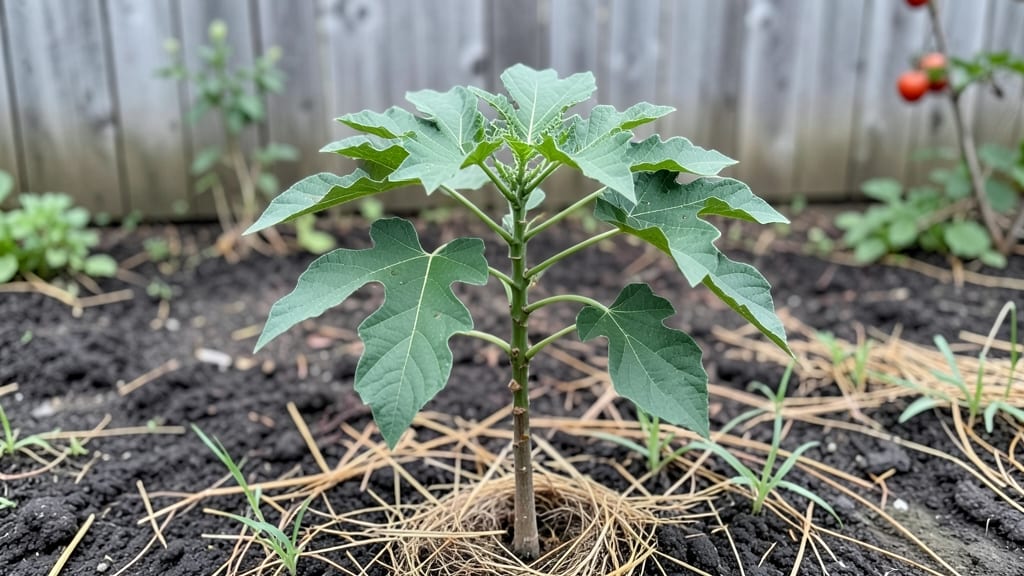
Growing a papaya tree seedling in the Pacific Northwest sounds wild—but I’ve done it, and with the right tricks, you can too. 🌱 These tropical plants can thrive in our cooler climates if you mimic their native warmth indoors first, then transition them carefully.
The key? Starting with a sturdy seedling and never letting it face frost.
You’ll need a bright indoor spot (or grow lights) for the first year, a well-draining potting mix, and patience—papayas grow fast once they’re happy. Transplant outdoors only after the last frost, and keep it sheltered in winter.
Most beginners struggle with watering (too much kills roots) or light (they need 6+ hours of sun daily).
By summer, you’ll watch that seedling shoot up into a bushy plant with glossy leaves, ready to bear fruit in 2-3 years. The first harvest? Sweet, orange papayas straight from your backyard—something most PNW gardeners only dream of. Let’s get those seeds sprouting right.
This method works for containers too, so even small spaces can grow papayas. Just remember: no frost, no shade, and consistent warmth. That’s the secret to beating the climate odds.
📚 In This Guide
- What you need
- Instructions
- Tips and common mistakes
- Wrapping up and next steps
What you need
- ● Papaya seeds: 3–5 fresh, viable seeds (preferably from a cold-tolerant variety like Carica papaya ‘SunUp’ or hybrid selections).
- ● Seed-starting mix: 1–2 gallons of sterile, well-draining potting soil (look for a blend labeled for seed starting).
- ● Growing containers: 3–5 small pots (4–6 inches in diameter) for seedlings.
- ● 1 large container (10+ gallons) or nursery pot for transplanting once seedlings are established.
- ● Clear plastic domes or plastic wrap: To create a humidity tent for seedlings.
- ● Grow lights or sunny windowsill: A full-spectrum LED grow light (12–16 hours/day) or a south-facing window with bright, indirect light.
- ● Watering can or spray bottle: With a gentle nozzle for moisture control.
- ● Fertilizer: A balanced, water-soluble fertilizer (e.g., 10-10-10 or 5-5-5) for seedlings and a slow-release organic fertilizer (like fish emulsion) for mature plants.
- ● Pruning shears: Small, sharp bypass pruners for trimming seedlings.
- ○ Spray bottle: For misting seedlings (optional but helpful for humidity).
- ● Thermometer/hygrometer: To monitor temperature (ideal: 75–85°F for germination) and humidity (60–70% for seedlings).
- ○ Heat mat (optional): A seedling heat mat (70–80°F) to speed up germination in cooler PNW climates.
- ● Garden gloves: For handling soil and seedlings comfortably.
- ● Patience: Papaya seedlings are slow to germinate (2–4 weeks) and grow best in warm conditions—PNW growers may need to start indoors!
- ● Space: Ensure your seedlings have room to grow (papaya trees can reach 20+ feet indoors or in greenhouses).
- ● Climate control: Access to a greenhouse, indoor grow space, or a sheltered outdoor area (e.g., a cold frame) for overwintering.
Step-by-Step instructions for growing a cold-hardy papaya seedling
Here's how to nurture a papaya tree through Pacific Northwest winters—yes, it's possible!
🌱 Step 1: Start Seeds Indoors in Warmth
Papaya seeds need 75-85°F soil to germinate, so I begin indoors using a seedling heat mat. Fill a 4-inch pot with moistened seed-starting mix, then place 1-2 seeds per pot just below the surface—no deeper than ¼ inch. Cover lightly with more mix and mist until damp.
Keep the pot in a warm, humid environment, like a closed plastic bag over a sunny windowsill. Germination takes 10-20 days, so patience is key. Once sprouts appear, remove the cover immediately to prevent mold. You'll know it's time when the first tiny leaves (cotyledons) poke through the soil.
💧 Step 2: Transplant and Acclimate Seedlings
After 4-6 weeks, when seedlings have 3-4 true leaves, transplant them into 6-inch pots with well-draining potting mix. Handle the roots gently to avoid damage—papayas hate root disturbance. Water thoroughly after transplanting, but avoid soggy soil, which causes rot.
Move the pots to a bright, indirect light spot for a week to help them adjust. Gradually introduce them to morning sun over 7-10 days2-3 hours daily, increasing time gradually.
☀️ Step 3: Overwinter Indoors for Pacific Northwest Growers
Before the first frost, bring your papaya seedlings indoors to a sunny window or under grow lights for 12-14 hours daily. Choose a spot with 60-70°F temperatures—avoid drafts or heat vents. Reduce watering to every 7-10 days, letting the top 1 inch of soil dry out between waterings.
Prune leggy growth back by ⅓ to encourage bushier growth. You'll see new leaves emerge within 2-3 weeks—this is your sign the plant is adjusting. Fertilize lightly with a balanced 10-10-10 solution every 4-6 weeks to support slow growth during winter.
🪴 Step 4: Transition Outdoors in Spring
When nighttime temperatures stay above 55°F (typically late spring in the PNW), move your papaya seedlings back outside. Start with 2-3 hours of morning sun daily, gradually increasing exposure over 2 weeks. Choose a spot with partial shade to prevent leaf scorch.
Plant in well-draining soil amended with compost. Water deeply at the base, keeping the soil consistently moist but not waterlogged. Mulch with 2 inches of organic matter to retain moisture and regulate soil temperature. You'll know it's thriving when new leaves appear with a deep green color and minimal yellowing.
Tips & tricks for growing cold-hardy papaya seedlings
A few simple tricks will help you navigate the challenges of growing papayas in the Pacific Northwest—especially when it comes to temperature control and gradual transitions.
Heat Mat Hack: If you don't have a seedling heat mat, place your 4-inch pots on top of your fridge during the 10-20 day germination period. The warmth from the fridge's condenser coils will help maintain that critical 75-85°F soil temperature without needing special equipment. Just monitor the soil moisture closely—it'll dry out faster in this warmer environment.
Light Transition Strategy: For Step 2's 7-10 day morning sun acclimation, I place my seedlings near an east-facing window first. This gives them gentle morning light without the harsh afternoon sun that causes yellowing. You can also use a sheer curtain to diffuse sunlight during the transition period.
Overwintering Survival: During the 12-14 hours daily of indoor light in Step 3, rotate your seedlings every 2-3 days to prevent them from leaning toward one light source. This encourages even growth and helps them develop a stronger stem structure for when you move them back outside in spring.
Spring Transition Checklist: Before moving your seedlings outdoors in Step 4, do a quick nighttime temperature check. If nighttime temps dip below 55°F, wait another week. I use a small thermometer near my seedlings to monitor overnight temperatures—it's worth the investment to prevent cold shock.
Pro Tips for Papaya Tree Seedling
- A few simple tricks will help you navigate the challenges of growing papayas in the Pacific Northwest—especially when it comes to temperature control and gradual transitions.
- Heat Mat Hack: If you don't have a seedling heat mat, place your 4-inch pots on top of your fridge during the 10-20 day germination period.
- Light Transition Strategy: For Step 2's 7-10 day morning sun acclimation, I place my seedlings near an east-facing window first.
Frequently asked questions
Got questions about growing papaya tree seedlings in the Pacific Northwest? You’re not alone! Here are answers to the most common concerns—from timing to troubleshooting—so you can nurture a thriving tropical gem even in cooler climates.
How cold can papaya seedlings tolerate before they die?
Papaya seedlings are not cold-hardy—even young plants can’t survive below 50°F (10°C). In the PNW, grow them in containers and move them indoors (or under a greenhouse/cloche) when temps drop. If nighttime lows dip below 45°F (7°C), cover seedlings with frost cloth or row covers for extra protection. Prune leggy growth to encourage bushier, hardier plants before winter.
How long does it take for a papaya seedling to bear fruit?
Patience is key! Under ideal conditions (warmth, full sun, and consistent care), papaya seedlings typically take 10–18 months to produce fruit. In cooler PNW climates, expect a longer timeline—2–3 years—since growth slows in winter. Choose fast-maturing varieties like ‘SunUp’ or ‘Solo’ to speed up the process. Pro tip: Use grow lights in winter to extend daylight hours and boost flowering.
Can I grow papaya from seed instead of buying a seedling?
Papaya seeds germinate easily—just soak them in warm water for 24 hours, then plant ½-inch deep in moist, well-draining soil. Keep the soil warm (80–90°F/27–32°C) with a heat mat or sunny windowsill. Seedlings may take 2–4 weeks to sprout. However, store-bought seedlings (especially grafted varieties) often fruit faster and are more disease-resistant. Bonus: Growing from seed lets you experiment with heirloom or rare varieties!
Why are my papaya seedlings turning yellow or wilting?
Yellowing leaves or wilting often signal overwatering, underwatering, or nutrient deficiencies. Check the soil—it should stay moist but not soggy. Yellowing lower leaves? Likely overwatering or poor drainage. Crispy edges? Underwatering or low humidity. Feed seedlings with a balanced fertilizer (10-10-10) every 4–6 weeks. Pro tip: Papayas love humidity—mist leaves or use a pebble tray to mimic tropical conditions.
Should I grow papaya in the ground or containers in the PNW?
Containers are the best choice for PNW growers! They let you move plants indoors during cold snaps and control soil quality. Use 5-gallon pots or larger with drainage holes and a well-draining cactus/succulent mix. If planting in-ground, choose a sheltered, south-facing spot (like near a wall) and mulch heavily to insulate roots. Warning: Papayas hate cold soil—never plant outdoors until after the last frost and soil temps reach 65°F (18°C).
Wrapping up and next steps
Growing a cold-hardy papaya tree seedling in the Pacific Northwest is totally doable with the right care and preparation! 🌱 From selecting the perfect variety to protecting your plant from frost and pruning for optimal growth, you now have all the tools to nurture a thriving tropical gem.
Remember, patience and consistency are key—your papaya tree will reward you with vibrant blooms and delicious fruit over time.
Ready to take the next step? Start by planting your seedling in a sunny, sheltered spot and keep an eye on its progress. Before you know it, you’ll be harvesting your very own homegrown papayas! 🍈✨