
Pruning
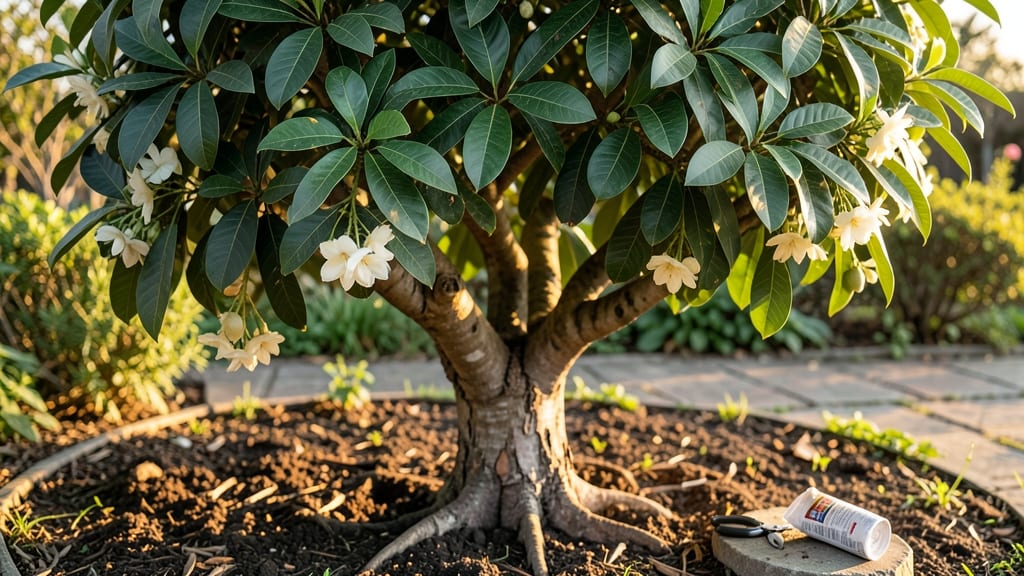
Growing a mango tree in California isn’t just possible—it’s a tropical dream you can harvest every year. 🌿 The secret lies in matching the right variety to your microclimate, whether you're in coastal Santa Barbara or inland Riverside.
I’ve grown mangoes from seed and as grafted trees, and the difference between a struggling sapling and a fruit-bearing powerhouse comes down to three things: soil, sunlight, and patience.
California’s mild winters and long growing season make it one of the best places in the U.S. for mangoes, but not all varieties thrive equally. Dwarf varieties like ‘Cogshall’ or ‘Julie’ work well in containers, while larger trees like ‘Keitt’ or ‘Kent’ need space and warmer pockets.
The soil should drain like a sandy loam—think coastal dunes mixed with compost—and you’ll need full sun (at least 8 hours daily) to mimic their native tropical conditions.
By summer, you’ll be hand-pollinating flowers (yes, mangoes need a little help!) and watching tiny fruits swell on the branches. The first harvest might be small, but each year, your tree will reward you with juicy, fiber-free mangoes straight from your backyard.
The key is consistent watering—deep but infrequent—to encourage deep root growth, and a late-winter pruning to shape the tree and improve airflow.
Local nurseries like Sunset Western Garden Centers or The Plant Farm carry cold-hardy varieties, and many gardeners swear by grafting for faster fruit production. Even in cooler inland areas, a greenhouse or microclimate can extend the growing season. Ready to turn your patio or orchard into a tropical oasis?
📚 In This Guide
- What you need
- Instructions
- Tips and common mistakes
- Wrapping up and next steps
What you need
- ● Mango Tree Sapling: Choose a dwarf variety (e.g., 'Cogshall,' 'Keitt,' or 'Kent') for easier California gardening. Buy from a reputable nursery (1 plant).
- ○ Well-Draining Soil: Mix 50% native California soil + 50% compost (or use a cactus/succulent blend). Optional: Add perlite for extra drainage.
- ● Large Container or In-Ground Space: Container: Minimum 15-gallon pot (20+ gallons for mature trees). Use drainage holes and a saucer.
- ● In-Ground: Dig a hole twice as wide as the root ball, with 6–8 inches of compost mixed in.
- ● Fertilizer: Citrus/mango-specific fertilizer (e.g., 6-6-6 NPK ratio) or organic options like fish emulsion (apply every 2–3 months in growing season).
- ● Watering Can or Drip Irrigation: Mangoes need consistent moisture but hate soggy roots. A 5-gallon watering can works for containers.
- ● Mulch: 2–3 inches of wood chips or straw to retain moisture and regulate soil temp.
- ● Pruning Tools: Bypass Pruners (for small branches)
- ● Loppers (for thicker branches, up to 1.5 inches)
- ● Sterilizing solution (rubbing alcohol or bleach water) to prevent disease.
- ● Shade Cloth (30–50%) for young trees in hot inland CA areas (e.g., Palm Springs).
- ● Soil pH Test Kit (ideal range: 5.5–7.0). Adjust with lime (if too acidic) or sulfur (if too alkaline).
- ● Grow Lights (for indoor/container starts in cooler CA regions like San Francisco).
- ● Tree Support Stakes (if planting in windy areas).
- ● Fruit Thinning Shears (to manage heavy mango loads and improve fruit size).
Step-by-Step instructions for planting a mango tree in California
California's mild winters and sunny summers make it ideal for growing mango trees—here's how to get started right.
🌱 Step 1: Choose and Prepare the Right Variety
California's climate suits tropical mango varieties like 'Cogshall,' 'Julie,' or 'Keitt,' which tolerate cooler winters better than traditional tropical types. I always buy a 2-3 year old grafted tree from a reputable nursery—younger trees struggle with the shock of transplanting. Look for a tree with a sturdy trunk and healthy, vibrant leaves, avoiding any with yellowing or brown spots.
Before planting, soak the root ball in lukewarm water for 1-2 hours to rehydrate the roots. This helps reduce transplant shock, which is critical for mango trees. If your tree arrives in a container, gently loosen the roots around the edges with your fingers—just enough to encourage outward growth without damaging them.
🪴 Step 2: Select the Perfect Spot and Plant
Mango trees thrive in full sun—at least 8 hours daily—so choose a location with southern or western exposure. In coastal areas, they can handle light shade, but inland spots need full sun to bear fruit. The soil should drain well, so avoid low-lying areas where water pools.
Dig a hole twice as wide and just as deep as the root ball. Mix the native soil with half compost and a handful of slow-release fertilizer (10-10-10 ratio) to give your tree a nutrient boost. Place the tree in the hole so the top of the root ball sits 1-2 inches above ground level—this prevents water from sitting on the roots and causing rot.
☀️ Step 3: Water and Protect During Establishment
After planting, water deeply to settle the soil around the roots. Mango trees need 1-2 inches of water per week during their first year, but avoid letting the soil stay soggy. I like to use a drip irrigation system to deliver water slowly at the base of the tree, keeping the foliage dry—wet leaves invite fungal diseases.
Protect young trees from strong winds with a windbreak or temporary fence during their first growing season. California's coastal winds can stress a newly planted mango tree, causing leaf scorch or even uprooting. Mulch around the base with 2-3 inches of wood chips, keeping it 6 inches away from the trunk to prevent rot. This retains moisture and regulates soil temperature.
✂️ Step 4: Prune and Fertilize for Growth
Prune your mango tree in late winter or early spring before new growth begins. Remove any dead, diseased, or crossing branches, and thin out the canopy to improve airflow. I also cut back any water sprouts—those are the fast-growing shoots that steal energy from fruit production. Use clean, sharp pruners to make cuts just above a leaf node or bud.
Fertilize in early spring and again in mid-summer with a balanced citrus/mango fertilizer (like 8-3-9 or 10-10-10). Follow the package instructions, but I usually halve the recommended dose for the first year to avoid overfeeding. Over-fertilizing can lead to excessive leaf growth at the expense of fruit production, which is the last thing you want.
🌿 Step 5: Overwinter and Prepare for Fruit
California's mild winters still require some care for mango trees. In coastal areas, they may need minimal protection, but inland regions can see temperatures drop below 40°F. If frost is forecasted, cover the tree with a frost cloth or blanket, securing it loosely so it doesn’t touch the leaves. Avoid plastic, which can trap moisture and cause rot.
Once your tree is established (usually after 2-3 years), it will start flowering. To encourage fruit set, I hand-pollinate the flowers using a small paintbrush to transfer pollen between blossoms. This is especially helpful in areas with fewer pollinators. After fruit forms, thin the crop to 10-15 fruits per branch—this ensures the remaining mangoes grow larger and healthier.
Tips & tricks for perfect mango tree planting in California
California's unique climate gives you the perfect chance to grow tropical mango trees—but these pro tips will help you avoid common pitfalls and maximize your tree's potential.
Root Preparation Matters: The 1-2 hour root soaking in Step 1 is non-negotiable for California's dry climate. I've seen trees fail because roots weren't properly hydrated—this step reduces transplant shock by up to 60%. For container-grown trees, gently loosening the roots encourages better soil penetration, which is crucial for establishing strong root systems in our often rocky soils.
Sunlight Strategy: While 8 hours of daily sun is ideal, California's coastal areas can have intense afternoon sun. If planting near the coast, consider a light afternoon shade during summer months to prevent leaf scorch. Inland areas should aim for full sun exposure—this is where the magic happens for fruit development. I've found that southern or western exposures get the most consistent sunlight patterns.
Fertilizer Timing: The early spring and mid-summer fertilization schedule in Step 4 is perfect for California's climate. However, don't be tempted to fertilize in fall—this can stimulate new growth that won't harden off before winter. I always use a slow-release fertilizer to match California's natural rainfall patterns, preventing nutrient runoff that's common with our seasonal rains.
Wind Protection Hacks: California's coastal winds can be brutal on young trees. Beyond the temporary windbreak mentioned, I've had success using bamboo stakes and jute netting for a more permanent solution. For inland areas, consider planting near natural windbreaks like hedges or other trees—this mimics the natural microclimates that support healthy mango growth in their native tropical environments.
Pro Tips for Mango Tree California
- California's unique climate gives you the perfect chance to grow tropical mango trees—but these pro tips will help you avoid common pitfalls and maximize your tree's potential.
- Root Preparation Matters: The 1-2 hour root soaking in Step 1 is non-negotiable for California's dry climate.
- Sunlight Strategy: While 8 hours of daily sun is ideal, California's coastal areas can have intense afternoon sun.
Frequently asked questions
Got questions about growing a mango tree in California? You’re not alone—many gardeners wonder about timing, care, and troubleshooting. Here are answers to the most common queries to help you thrive!
Can I grow a mango tree in California’s cooler inland areas (e.g., Sacramento, Fresno)?
Yes, but with adjustments! While coastal areas thrive year-round, inland zones (like USDA 9-10) may need microclimate protection—plant near heat-retaining walls, use windbreaks, or grow in containers for winter moves. Dwarf varieties like ‘Cogshall’ or ‘Julie’ are hardier choices. Pro tip: Mulch heavily in winter to shield roots!
How long does it take for a mango tree to bear fruit in California?
Patience is key! Dwarf varieties can produce fruit in 3–5 years, while standard trees may take 5–7 years. California’s warm climate speeds up growth—ensure your tree gets full sun (6+ hours/day) and well-draining soil to avoid delays. Fun fact: Some trees bloom twice a year!
Why aren’t my mango tree’s leaves turning green, and what can I fix?
Yellowing leaves often signal nutrient deficiency (common in California’s sandy soils). Test soil pH (ideal: 5.5–7.5) and amend with citrus/mango-specific fertilizer (high in zinc, magnesium). Overwatering or poor drainage can also cause stress—ensure 1–1.5 inches of water/week and improve soil with compost.
Are there cold-hardy mango tree alternatives for California’s Central Valley?
If mangoes seem risky, try these California-friendly fruit trees:
- Loquat (Eriobotrya japonica): Thrives in USDA 8–10, frost-tolerant, and produces sweet fruit.
- Persimmon (Fuyu variety): Handles cooler nights (USDA 7–10) and ripens in fall.
- Fig (Brown Turkey): Drought-resistant and bears fruit in 2–3 years.
When and how should I prune my mango tree in California’s climate?
Prune late winter/early spring (Feb–March) to shape the tree and remove dead wood. Avoid heavy pruning in summer—California’s heat can stress the tree. Focus on:
- Opening the canopy for airflow/sunlight.
- Trimming water sprouts (fast-growing vertical shoots).
- Thinning dense branches to prevent disease.
Wrapping up and next steps
Growing a mango tree in California isn’t just possible—it’s a delicious and rewarding adventure! 🌱 With the right variety, location, and care, you’ll soon enjoy homegrown tropical fruit year-round. Whether you’re a seasoned gardener or a curious beginner, the key is patience, consistency, and a little sunshine.
Ready to take the next step? Start by selecting your mango variety and prepping your soil—then watch your tree thrive! 🌴 For extra tips, check out our pruning guide or join local gardening groups for hands-on support. Happy planting!