
Pruning
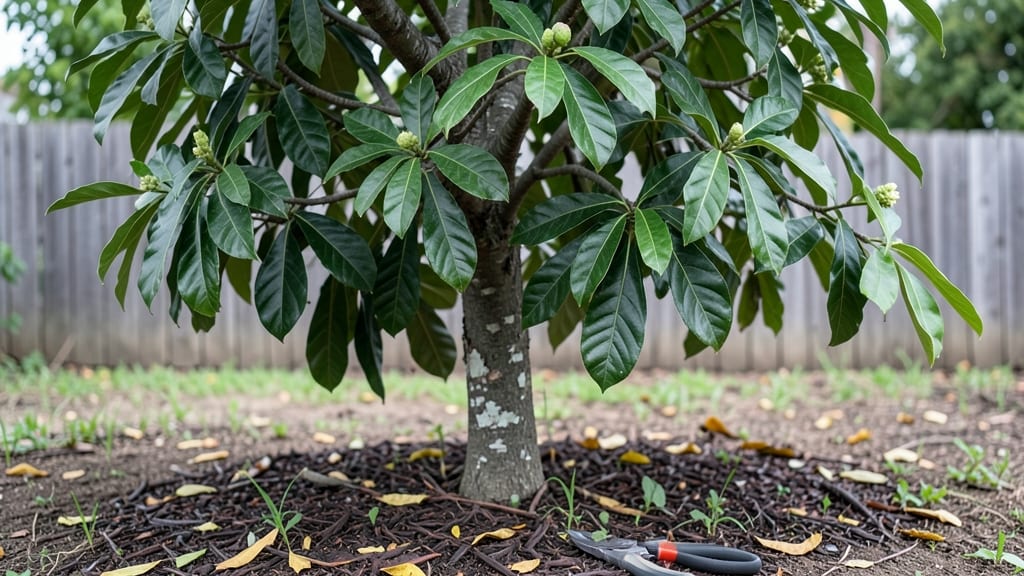
Trimming your avocado tree isn’t just about keeping it small—it’s about unlocking bigger fruit and healthier growth year-round. 🌿 I’ve learned that precise cuts in the right season can double your harvest, but timing matters more than most gardeners realize.
The key is balancing shape, sunlight, and fruit production without stressing the tree.
You’ll need sharp bypass pruners, a clean saw for larger branches, and a clear day to work—avocado trees hate getting pruned when wet or stressed. Start by removing dead wood first, then thin out crowded branches to let light reach the center.
Every cut should aim for an outward-facing bud to encourage new growth in the right direction.
Within weeks, you’ll notice fresh green shoots where you made cuts, and by next season, those branches will bear fruit. The air circulation improves too, cutting down on fungal issues that plague many avocado trees. It’s a small effort for a big payoff in both beauty and harvest.
This works for both young trees you’re shaping and mature ones needing maintenance. Just remember: avocado trees respond best to gradual pruning—never take more than a third of the canopy at once. Let’s get those branches looking intentional!
📚 In This Guide
- What you need
- Instructions
- Tips and common mistakes
- Wrapping up and next steps
What you need
- ● Pruning shears: Bypass pruners (for small branches, ¼"–¾" thick) – 1 pair (sterilized with rubbing alcohol).
- ● Pruning saw: Curved-tooth saw (for thicker branches, ¾"–2" thick) – 1 (ensure it’s sharp!).
- ● Ladder or step stool: Sturdy, non-slip (height depends on tree size) – 1 (safety first!).
- ● Gloves: Heavy-duty, cut-resistant (to protect from thorns and sap) – 1 pair.
- ● Disinfectant: 70% isopropyl alcohol or bleach solution (1 part bleach to 9 parts water) – small spray bottle (to prevent disease spread).
- ● Heavy-duty trash bags: For collecting pruned branches – 2–3 bags.
- ○ Sharpie or permanent marker: For labeling branches if grafting or propagating – 1 (optional but handy).
- ● Water and towel: To clean tools and wipe sap off hands – small bucket + cloth.
- ● Pole pruner: Extendable for high branches (if tree is >10 ft tall).
- ● Tree wound dressing: Pruning sealant (controversial—skip if unsure!).
- ● Camera or phone: To document the tree’s progress before/after.
- ● Safety glasses: Protect your eyes from debris.
Step-by-step instructions for trimming avocado tree
Here's my foolproof method for keeping your avocado tree healthy and productive all year.
✂️ Step 1: Gather the Right Tools and Timing
Start by gathering a sharp bypass pruner for clean cuts and a sterilized saw for thicker branches. I always sterilize my tools with rubbing alcohol between cuts—this prevents disease from spreading through open wounds. The best time to trim is right after harvest or during late winter when the tree isn't actively growing. You'll see fresh, green growth spurt after pruning, signaling it's time to shape again.
Never trim during wet weather. Damp conditions invite fungal infections, and avocado trees heal slower when stressed. I mark my calendar for dry, sunny days—usually February or March in most climates. If you must trim in summer, do it early in the morning when temperatures are cooler.
✂️ Step 2: Remove Dead, Diseased, or Crossing Branches
Scan the tree for branches that are dead (brown, brittle), diseased (mushroom growth or ooze), or crossing (rubbing against others). These take priority—they're either dead weight or future weak points. Cut these back to the nearest outward-facing bud or branch collar (the swollen area where the branch meets the trunk). You'll see new growth emerge from these buds within a few weeks.
I always cut at a 45-degree angle just outside the branch collar. This prevents water from pooling and rotting the wound. For branches thicker than your wrist, make two cuts: the first under the branch, then a second to remove the stub. Thick branches heal slower, so avoid removing more than 25% of the tree's canopy in one session.
☀️ Step 3: Thin the Canopy for Better Airflow and Light
Step back and visualize the tree's shape. Avocados grow best with an open, vase-like structure that lets sunlight reach the inner branches. Remove branches that grow inward or downward—they block light and encourage fungal growth. Aim to keep the center 20-30% open so air circulates freely. You'll notice fruit production improves when more sunlight reaches the center.
For young trees, focus on removing the lowest branches to create a clear trunk. For mature trees, prioritize branches that are too close together. Leave 3-4 main scaffold branches evenly spaced around the trunk. Each cut should reduce the canopy by only 10-15% per year—avocados are sensitive to drastic pruning.
🌱 Step 4: Shape for Fruit Production and Safety
Avocados produce fruit on new growth, so pruning stimulates more branches that will bear next year's crop. Cut back last year's fruit-bearing branches by one-third to encourage bushier growth. For safety, remove any branches that hang over walkways or power lines—avocado branches can grow surprisingly heavy with fruit.
I always step back after shaping to check for balance. The tree should look full but not overcrowded. If one side looks sparse, focus pruning there to encourage even growth. Avoid "lion-tailing" (cutting all branches to the same length)—this creates weak, identical growth patterns that are prone to disease.
💧 Step 5: Post-Pruning Care for Faster Healing
After trimming, water deeply to help the tree recover. Apply a layer of mulch around the base (but not touching the trunk) to retain moisture and protect roots. I use composted wood chips because they break down slowly and add nutrients. Avoid fresh mulch—it can draw nitrogen away from the tree as it decomposes.
Monitor the tree for 3-4 weeks for signs of stress like yellowing leaves or wilting. If you see excessive sap oozing from cuts, it's a sign of over-pruning. In that case, reduce watering slightly and apply a wound sealant to large cuts. Most trees bounce back within a month if you've followed the right proportions.
Tips & tricks for perfect avocado tree trimming
A few key strategies will transform your avocado tree from overgrown to thriving. These tricks come from years of watching my own trees respond—and what not to do.
Tool Prep is Non-Negotiable: In Step 1, when you sterilize your tools with rubbing alcohol, take it a step further by wiping the blades with a clean cloth after each cut. I learned this the hard way after seeing sap ooze from multiple cuts on the same day—it was a sign of cross-contamination. Also, keep a small spray bottle of diluted bleach (1 part bleach to 9 parts water) nearby for quick disinfection between trees if you're working with multiple avocados.
The 45-Degree Rule in Step 2: When making that critical 45-degree cut just outside the branch collar, visualize a smiley face on the branch. The cut should start just above the collar and angle upward toward the branch tip, creating a smooth slope. This isn't just about looks—it's about water runoff. I've seen too many trees develop rot from water pooling in flat cuts. For thicker branches, make your first undercut about 6 inches out from the trunk before removing the branch completely.
Canopy Math Matters: In Step 3, when you're aiming to keep the center 20-30% open, think of it like opening a window. You want enough airflow to prevent fungal spores from settling, but not so much that your tree looks like it's missing its hair. I use a simple trick: stand back and hold my hands about 12 inches apart. If I can see light through that gap in the center, I'm on track. For mature trees, never remove more than 10-15% of the canopy in one year—this is avocado tree math, not guesswork.
Pruning Calendar Hack: Mark your calendar for February or March in your climate zone, but also note the full moon dates. Many gardeners swear by pruning during the waning moon phase (just after full moon) for better healing. While not scientifically proven, I've noticed my trees seem to respond better when I time pruning with this lunar cycle. Just don't let perfect timing stop you from pruning when you see dead branches—safety comes first.
Pro Tips for Trimming Avocado Tree
- A few key strategies will transform your avocado tree from overgrown to thriving.
- Tool Prep is Non-Negotiable: In Step 1, when you sterilize your tools with rubbing alcohol, take it a step further by wiping the blades with a clean cloth after each cut.
- The 45-Degree Rule in Step 2: When making that critical 45-degree cut just outside the branch collar, visualize a smiley face on the branch.
Frequently asked questions
Got questions about trimming your avocado tree?
You’re not alone! Here are answers to the most common concerns—from timing to tools and troubleshooting—to keep your tree thriving and fruitful.
When is the best time to trim an avocado tree?
The ideal time is late winter or early spring (before new growth starts), but light pruning can happen year-round. Avoid heavy cuts during flowering or fruiting seasons—this can stress the tree and reduce harvests. For tropical climates, trim after heavy rains to encourage new shoots.
What tools do I need for trimming?
You’ll need sharp bypass pruners for small branches, loppers for thicker limbs, and a pruning saw for large stems. Don’t forget gloves (avocado sap can irritate skin!) and disinfectant to prevent disease spread. A ladder or step stool helps reach higher branches safely.
Will trimming my avocado tree increase fruit production?
Yes! Pruning improves airflow and sunlight penetration, which boosts flowering and fruiting. Focus on removing dead, diseased, or crossing branches and thinning out dense foliage. Just avoid over-pruning—keep at least 2/3 of the tree’s canopy intact to maintain energy for fruit growth.
What should I do if my avocado tree starts bleeding sap after truning?
Sap bleeding is normal but can attract pests. To minimize it, trim on a dry day and use a sealant (like pruning paint) on large cuts. Avoid sealing small cuts—they’ll heal faster on their own. If sap persists or turns moldy, inspect for fungal infections and treat with copper-based fungicide if needed.
Can I shape my avocado tree like a hedge or topiary?
Avocado trees can be shaped, but they’re not as flexible as hedges. Use light, frequent trims to encourage bushier growth, and avoid severe cuts that remove too much foliage. For topiary, opt for a rounded or vase shape—avocados respond best to natural, open forms. Patience is key!
Wrapping up and next steps
Trimming your avocado tree isn’t just about keeping it tidy—it’s a game-changer for healthier growth and bigger, tastier fruit. 🌿 With the right tools, timing, and technique, you’ll encourage strong branches, better airflow, and a tree that thrives year-round.
Whether you’re a pruning pro or just starting, every cut brings you closer to a flourishing avocado harvest!
Ready to take action? Grab your pruners, review your notes, and schedule your next trimming session—your tree (and future guacamole) will thank you! 🥑✨