
Pruning
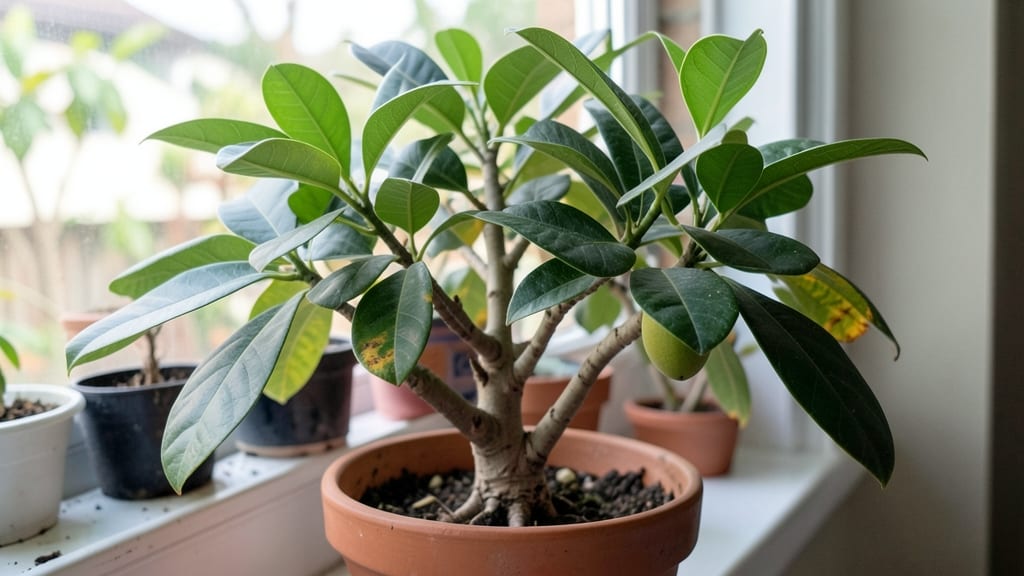
A miniature mango tree in a container isn't just a dream—it's a tropical treat you can grow anywhere, even on a sunny windowsill. 🌱 I've watched my own dwarf mango push out glossy leaves and tiny, sweet-smelling flowers indoors, proving that citrusy mango flavor isn't just for vacation.
The secret lies in choosing the right dwarf variety and mimicking its native climate in a pot.
You'll need a 5-gallon container with drainage, well-draining potting mix, and a spot that gets 6-8 hours of sunlight daily—outdoors in warm months, indoors near a south-facing window.
These little trees thrive when treated like their jungle cousins: warm, moist, and coddled. The payoff? Tiny, edible mangoes that taste like sunshine, even in winter.
Pruning keeps them compact and fruiting-heavy, while regular feeding with citrus fertilizer encourages those signature orange blooms. Yes, it takes patience—2-3 years before first fruit—but once you see that first miniature mango dangling from your balcony pot, you'll understand why the wait is worth it.
Every slice is a victory lap.
Whether you're growing on a patio in Florida or a windowsill in New York, the same principles apply. The key is consistency: water when the top inch dries, rotate the pot monthly for even growth, and never let temperatures drop below 50°F.
With these basics, your mango tree becomes the star of your space—and your snack time.
📚 In This Guide
- What you need
- Instructions
- Tips and common mistakes
- Wrapping up and next steps
What you need
- ● Miniature Mango Tree: A dwarf or grafted mango variety (e.g., Keitt, Cogshall, or Julie) available from nurseries or online plant shops.
- ● Container: A 15–25 gallon pot with drainage holes (minimum 18" diameter for mature trees). Terracotta or fabric pots work well.
- ● Potting Mix: 50% well-draining cactus/succulent mix + 50% organic matter (compost or coconut coir). Avoid heavy garden soil.
- ● Pruning Tools: Bypass pruners (for clean cuts)
- ● Sharp grafting knife or loppers (for larger branches)
- ● Disinfectant (rubbing alcohol or bleach solution) to sterilize tools between cuts
- ● Fertilizer: Balanced organic fertilizer (10-10-10 or 8-3-9) or slow-release granules. Use sparingly—mangoes are sensitive to excess salts.
- ● Mulch: Wood chips or bark to retain moisture and regulate soil temperature.
- ○ Support Stakes (Optional but Helpful): 3–4 bamboo stakes or trellis for young trees to encourage upright growth.
- ● Location: Full sun (6+ hours daily). Place near a south- or west-facing window or use grow lights for indoor setups.
- ● Temperature: Mangoes thrive in warm climates (70–90°F). If in a cooler zone, bring indoors during winter (below 50°F).
- ● Watering Setup: Drip irrigation or a watering can with a long spout for deep, even hydration.
- ● Pollination Aid (for indoor trees): A small paintbrush or cotton swab to manually transfer pollen between flowers (if no bees are present).
- ● Humidity tray or pebble tray to increase moisture in dry climates.
- ● Mango-specific fertilizer (higher in potassium and magnesium).
- ● Epsom salt (magnesium sulfate) for leaf health (1 tsp per gallon of water, monthly).
- ● Grafting tools (if propagating from cuttings).
- ● Harvest basket or fruit picker for those sweet, tiny mangoes! 🍈
Step-by-step instructions for growing a miniature mango tree in containers
Here's my straightforward method to grow a compact, fruiting mango tree that thrives indoors or on patios.
🌱 Step 1: Select and Prepare the Right Container
Choose a 10-12 inch diameter pot with drainage holes—mango roots need room to expand but hate soggy feet. I recommend terracotta because it breathes and helps regulate moisture. Fill the bottom 2 inches with gravel or perlite to create a drainage layer that prevents root rot.
Use a well-draining cactus/succulent mix blended with 30% perlite or pumice—standard potting soil compacts too easily and suffocates roots. Moisten the mix until it feels like a wrung-out sponge, but never saturated. The goal is to create an airy medium that mimics tropical forest conditions while preventing waterlogging.
🌿 Step 2: Plant Your Mango Sapling Correctly
Remove the sapling from its nursery pot and gently loosen the root ball with your fingers—this encourages roots to spread into the new soil. Position it so the top of the root ball sits ½ inch below the pot's rim. This prevents water from pooling at the stem base, which causes rot.
Fill around the roots with your prepared mix, pressing lightly to eliminate air pockets. I use a chopstick to poke holes in the soil and encourage root penetration. Water thoroughly until it drains freely from the bottom, then let excess water run out completely. This first watering helps settle the soil and removes any air gaps that could stress the plant.
☀️ Step 3: Position for Maximum Light Exposure
Miniature mango trees need bright, indirect light for 6-8 hours daily. Place your pot near a south- or west-facing window where it gets morning sun and afternoon shade. If your space lacks natural light, supplement with a full-spectrum LED grow light kept 12-18 inches away for 12-14 hours daily.
Rotate the pot a quarter turn weekly so the tree grows evenly instead of leaning toward the light source. You'll notice new growth emerging on all sides within a few weeks—this confirms your light conditions are ideal. Too little light causes leggy growth with pale leaves, while too much direct sun scalds the foliage.
💧 Step 4: Master the Watering Routine
Water when the top 2 inches of soil feel dry—stick your finger in to check. Mango trees in containers dry out faster than in-ground plants, so I water every 5-7 days in summer and every 10-14 days in winter. Always water until it runs freely from the drainage holes, then empty the saucer to prevent root rot.
Mist the leaves weekly with room-temperature water to recreate tropical humidity. I use a spray bottle in the morning so leaves dry quickly. Avoid wetting the leaves at night—this invites fungal diseases. Yellowing leaves usually mean overwatering, while crispy edges signal underwatering or low humidity.
✂️ Step 5: Prune and Fertilize for Compact Growth
Pinch back new growth when stems reach 6-8 inches to encourage bushier growth. Use clean, sharp pruning shears to make cuts just above a leaf node. Remove any dead, yellow, or crossing branches immediately—they compete with healthy growth for nutrients. I prune lightly every 4-6 weeks during the growing season to maintain the miniature shape.
Feed with a balanced 10-10-10 fertilizer diluted to half-strength every 4 weeks in spring and summer. Reduce to monthly in fall and stop completely in winter. Over-fertilizing burns roots, so always water before applying fertilizer. You'll see vibrant new leaves within 2-3 weeks of proper feeding—this confirms your plant is thriving.
Tips & tricks for perfect miniature mango tree growth
Growing a compact mango tree that actually produces fruit takes a few strategic moves—here's how to avoid the common pitfalls that derail most beginners.
Container Selection Wisdom: While terracotta is my top recommendation for its moisture regulation, plastic pots actually retain heat better in winter months. If using plastic, add an extra inch of gravel to the drainage layer to compensate for slower evaporation. Pro tip: Place your pot on a saucer filled with pebbles and water to create natural humidity—just keep the pot's base above the water level to prevent root rot.
Root Ball Placement: That ½-inch gap between the root ball and pot rim might seem small, but it's crucial for preventing water pooling. I've seen many growers skip this and end up with fungal issues. After planting, gently press the soil around the edges to create a slight well—this helps direct water toward the roots rather than pooling at the base.
Lighting Troubleshooting: If your tree develops pale, elongated leaves despite your best efforts, you're likely dealing with light deprivation. For indoor growers, consider a grow light on a timer—12-14 hours daily mimics tropical daylight perfectly. Position the light just above the tree's canopy and adjust height as it grows. I've had success with LED grow lights that produce minimal heat, which prevents leaf scorch.
Pruning Strategy: The 6-8 inch pinch-back rule works wonders, but timing matters just as much. Always prune in early spring just as new growth begins—this gives your tree time to recover before summer heat stress. I also recommend sterilizing your pruning shears with rubbing alcohol between cuts to prevent spreading any potential diseases between branches.
Pro Tips for Miniature Mango Tree
- Growing a compact mango tree that actually produces fruit takes a few strategic moves—here's how to avoid the common pitfalls that derail most beginners.
- Container Selection Wisdom: While terracotta is my top recommendation for its moisture regulation, plastic pots actually retain heat better in winter months.
- Root Ball Placement: That ½-inch gap between the root ball and pot rim might seem small, but it's crucial for preventing water pooling.
Frequently asked questions
Got questions about growing your own miniature mango tree? You’re not alone! Here are answers to the most common queries—from pruning to harvest timing and troubleshooting—so you can enjoy year-round tropical vibes without the fuss.
How often should I prune a miniature mango tree in a container?
Prune your miniature mango tree 2-3 times a year: once after harvest (to shape and encourage branching), again in late winter (to remove dead/diseased wood), and lightly after flowering (to redirect energy to fruit). Use clean, sharp pruners and avoid cutting more than 25% of the foliage at once to prevent stress. Pro tip: Prune just above a leaf node or bud to promote new growth!
When can I expect my container-grown mango tree to bear fruit?
Patience is key! Most dwarf mango varieties (like ‘Cogshall’ or ‘Ice Cream’) start fruiting in 3-5 years with proper care. Smaller pots or cooler climates may delay fruiting—opt for a 15-25 gallon container and place it in full sun (6+ hours/day) to speed things up. Young trees focus on growth first, so avoid heavy pruning or over-fertilizing until they’re established.
What’s the best temperature range for a miniature mango tree indoors?
Miniature mango trees thrive in 70–90°F (21–32°C) during the day and 60–65°F (15–18°C) at night. Below 50°F (10°C), growth slows, and leaves may yellow. If indoors, place near a south-facing window or supplement with a grow light for 12–14 hours daily. Avoid drafts (like AC vents) or sudden temperature swings, which can shock the tree.
Can I grow a miniature mango tree from a store-bought mango?
Yes, but success isn’t guaranteed! Start by removing the pit, scrubbing it clean, and drying it for 2–3 days. Plant it 1 inch deep in a mix of potting soil and perlite, keeping it moist (not soggy). Germination can take 2–6 weeks—patience is key! Seedlings grow slowly and may not fruit for years. For faster results, buy a grafted dwarf variety from a nursery.
Why are the leaves on my miniature mango tree turning yellow or dropping?
Yellowing leaves (chlorosis) usually mean overwatering, nutrient deficiency, or pests. Check the soil—it should stay slightly moist but not waterlogged. Lack of iron or nitrogen? Use a chelated iron supplement or balanced fertilizer. Inspect for spider mites or aphids (common in containers) and treat with neem oil if needed. Pro tip: Yellowing at the edges often signals low humidity—mist leaves or use a pebble tray!
What’s the easiest dwarf mango variety for beginners?
If you’re new to mango growing, start with these low-maintenance varieties:
- ‘Cogshall’: Cold-hardy (down to 20°F/-7°C), sweet fruit, and compact size (10–15 ft tall).
- ‘Ice Cream’: Creamy, snow-white flesh; thrives in containers and produces reliably.
- ‘Julie’: Disease-resistant, early-bearing, and great for small spaces.
Wrapping up and next steps
Growing a miniature mango tree in containers isn’t just a rewarding hobby—it’s a delicious way to enjoy tropical flavors year-round! With the right pruning techniques, sunlight, and care, you’ll unlock a steady harvest of sweet, juicy mangoes, even in small spaces. 🌱✨
Ready to take the next step? Start by observing your tree’s growth and adjusting your pruning schedule based on its needs. Before you know it, you’ll be savoring homegrown mangoes straight from your balcony—or even sharing them with friends! 🍈💚
Happy pruning, and here’s to your thriving mini mango paradise!