
Pruning
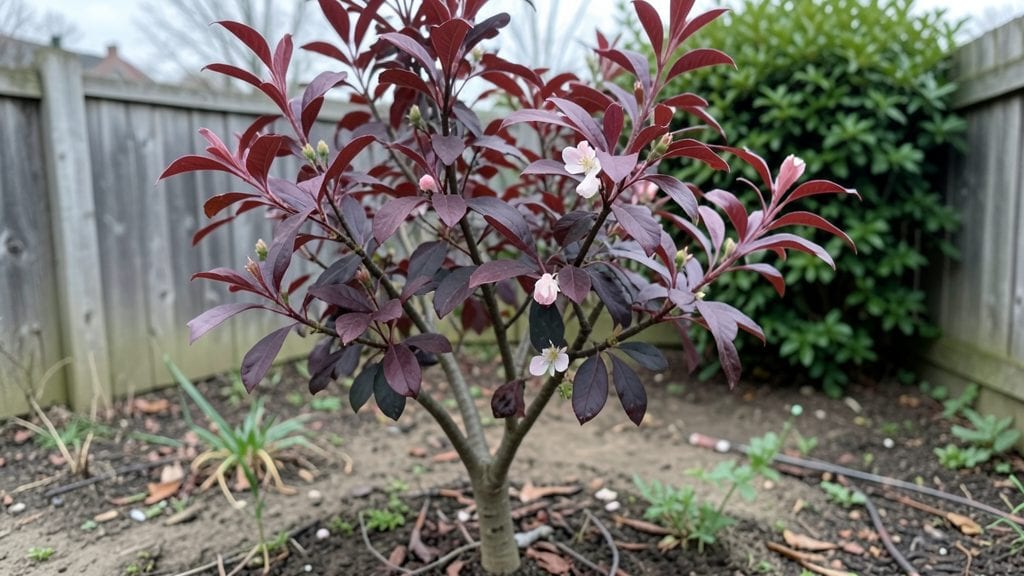
Growing a curly leaf plum tree in the Pacific Northwest means you get both stunning foliage and sweet fruit—plus a tree that handles winter like a champ. 🌿 I’ve watched mine survive snow and still burst into those signature curly leaves every spring, proving it’s one of the toughest fruit trees for our climate.
The secret lies in its adaptability: it thrives in everything from rocky slopes to urban yards, as long as you give it the right start.
The real magic happens when you plant it in well-draining soil—even chalky or slightly alkaline, which many fruit trees avoid. A sunny spot with at least 6 hours of light will reward you with glossy, wavy leaves and clusters of small, purple-red plums that ripen in late summer.
Water it deeply once a week after planting, but once established, it’s shockingly drought-tolerant—perfect for forgetful gardeners like me.
Pruning in late winter is where the transformation happens. Cut back dead wood first, then shape the tree to open up the center for airflow. The goal? A strong structure that produces more fruit and fewer diseases.
By summer, you’ll have a tree so lush it feels like a living sculpture—and those plums? They’re sweet enough to eat fresh or make into jams.
This tree’s cold-hardiness means it’s low-maintenance once planted, but the curly foliage is the real showstopper. Whether you’re growing it for shade, fruit, or just the drama of its leaves, it’s a no-fail choice for PNW gardens. Let’s get yours thriving!
📚 In This Guide
- What you need
- Instructions
- Tips and common mistakes
- Wrapping up and next steps
What you need
- ● Pruning shears: Bypass pruners (for small branches, ¼"–½" cutting capacity) – 1 pair.
- ● Loppers: For medium branches (up to 2" thick) – 1 pair.
- ○ Pruning saw: For thick branches (2"+) – 1 (optional but helpful).
- ● Gloves: Heavy-duty, cut-resistant (e.g., leather or reinforced fabric).
- ● Disinfectant: 70% isopropyl alcohol or bleach solution (1 part bleach to 9 parts water) – small spray bottle.
- ○ Pruning sealant: Optional, for large cuts (e.g., tree wound paint).
- ● Ladder: Sturdy, extendable (if tree is >6 ft tall).
- ● Trash bags: Heavy-duty (for debris disposal).
- ● Notebook & pen: To track pruning notes (e.g., branch locations, dates).
- ● Hand saw: For stubborn, oversized branches.
- ● Pole pruner: For high branches (extends reach).
- ● Safety glasses: Protects eyes from debris.
- ● Work vest: Pockets for tools and supplies.
- ● Sharpener: For keeping pruning tools in top condition.
Step-by-step guide to planting and caring for a curly leaf plum tree
Here's how to get your cold-hardy plum tree thriving in the Pacific Northwest's climate.
🌱 Step 1: Choose the Right Location and Planting Time
Curly leaf plums love full sun—pick a spot with at least 6-8 hours of direct sunlight daily. They handle the PNW's cooler summers better than most stone fruits, but avoid low spots where cold air pools. Spring is ideal: plant after the last frost when soil warms to 50-60°F.
Dig a hole twice as wide as the root ball but no deeper. The top of the root ball should sit 1-2 inches above ground level—this prevents waterlogging. I always loosen the roots gently if they're circling in the container, giving them room to spread into the native soil.
🪴 Step 2: Prepare Soil and Plant Properly
Mix the planting hole with compost or well-rotted manure to improve drainage—curly leaf plums hate soggy roots. The PNW's acidic soils often need a boost, so add a handful of lime if your soil tests below pH 6.5. Backfill halfway, water deeply, then finish filling while keeping the soil level.
Mulch heavily with 3-4 inches of organic mulch (wood chips or straw) to conserve moisture and protect roots from winter cold. Keep mulch 6 inches away from the trunk to prevent rot. Water immediately after planting to settle the soil around roots—you'll see the ground firm up slightly.
☀️ Step 3: Water and Fertilize for First-Year Growth
Water deeply 2-3 times per week the first year, aiming for 1-2 inches of water per week. Curly leaf plums establish deep roots, so let the top 6 inches of soil dry between waterings. Overwatering leads to root rot, especially in the PNW's damp winters.
Apply a balanced fruit tree fertilizer (10-10-10) in early spring and again after harvest. I avoid high-nitrogen fertilizers—they promote leafy growth at the expense of fruit. Prune lightly in late winter to open the center of the tree, removing any dead or crossing branches with clean cuts.
✂️ Step 4: Prune and Protect Through Seasons
Prune annually in late winter before buds swell. Remove 30% of last year's growth to maintain an open center and improve airflow. Curly leaf plums are disease-resistant, but the PNW's humidity means I still spray with copper fungicide in spring to prevent silver leaf disease.
In fall, add 4-6 inches of mulch around the base to insulate roots. These trees handle -20°F without issue, but young trees need extra protection. Watch for plum curculio in summer—handpick damaged fruit or use row covers to protect young trees.
🍑 Step 5: Harvest and Maintain for Future Seasons
Fruit ripens in late summer when it softens and deepens in color. Pick when fully ripe—they won't ripen further off the tree. Curly leaf plums are self-pollinating, so one tree gives 40-50 pounds of fruit annually once mature. Thin fruit to 6-8 inches apart in early summer for larger, higher-quality plums.
After harvest, clean up fallen fruit and leaves to reduce disease pressure. These trees live 20-30 years with proper care, so annual pruning and soil testing keep them productive. I always mark my planting spot with a stake—next year's care starts with knowing exactly where the roots are!
Tips & tricks for perfect curly leaf plum tree care
Here's what I've learned from years of growing these resilient trees in the Pacific Northwest—tricks that'll help you avoid common pitfalls and get the most out of your plum.
Location is Everything: The 6-8 hours of daily sunlight requirement is non-negotiable for these trees. I've seen neighbors plant them in partial shade and end up with small, sparse fruit. If your yard doesn't get full sun, consider a south-facing slope or use reflective surfaces like light-colored walls to maximize sunlight exposure. The PNW's cooler summers actually work in their favor here—most stone fruits struggle with our damp heat, but curly leaf plums thrive.
Soil Prep Secret: That handful of lime recommendation isn't just about pH—it's about creating the perfect environment for root development. I've found that mixing in a cup of mycorrhizal fungi with the compost at planting time gives roots a head start. These beneficial fungi help the tree absorb nutrients more efficiently, especially in our acidic soils. Think of it as giving your tree a natural growth booster right from the start.
Watering Wisdom: The 2-3 times per week watering schedule might seem straightforward, but timing matters just as much. I water deeply in the morning so the soil has all day to dry out between waterings. This prevents fungal issues that can develop from wet foliage. In our rainy climate, I actually reduce watering to once a week after the first year unless we're in an extended dry spell.
Pruning Pro Tip: When removing that 30% of last year's growth, focus on branches that cross or rub against each other—they create wounds that invite disease. I always prune just outside the branch collar (that swollen area where the branch meets the trunk) and sterilize my pruners with rubbing alcohol between cuts. This keeps infections from spreading through your tree. The open center you create also makes harvesting fruit so much easier!
Pro Tips for Curly Leaf Plum Tree
- Here's what I've learned from years of growing these resilient trees in the Pacific Northwest—tricks that'll help you avoid common pitfalls and get the most out of your plum.
- Location is Everything: The 6-8 hours of daily sunlight requirement is non-negotiable for these trees.
- Soil Prep Secret: That handful of lime recommendation isn't just about pH—it's about creating the perfect environment for root development.
Frequently asked questions
Got questions about growing and caring for your curly leaf plum tree? You’re not alone!
Here are some of the most common queries from PNW gardeners—plus expert answers to keep your tree thriving.
How cold-hardy is the curly leaf plum tree, really?
The curly leaf plum (Prunus salicina) is one of the toughest fruit trees in the Pacific Northwest, surviving temperatures down to -20°F (-29°C). However, young trees or newly planted varieties may need winter protection (like burlap wraps) in their first few years. Established trees handle frost like a champ!
When is the best time to prune a curly leaf plum tree?
Prune during late winter or early spring (February–March), just before buds swell but before new growth starts. Avoid heavy pruning in fall—it can stimulate late-season growth vulnerable to frost. Pro tip: Remove dead, crossing, or diseased branches first to improve airflow and sunlight.
Why aren’t my curly leaf plums ripening fully?
Inconsistent ripening often stems from uneven sunlight, poor pollination, or overcrowded branches. Ensure your tree gets 6+ hours of sun daily and plant a second variety nearby for cross-pollination. Thinning fruit in early summer can also help remaining plums mature evenly.
What pests or diseases should I watch for in PNW curly leaf plum trees?
Common issues include:
- Plum curculio: Tiny weevils that create dimples in fruit—use row covers during bloom.
- Silver leaf fungus: Causes leaf discoloration; prune infected branches and avoid overhead watering.
- Aphids: Spray with water or insecticidal soap if clusters appear.
Can I grow a curly leaf plum tree in a container?
Yes, but it’s tricky! Choose a large pot (20+ gallons) with drainage and a dwarf rootstock. Containers limit root growth, so expect smaller yields and more frequent pruning. Move the pot to a sunny spot in winter if temps drop below 10°F (-12°C).
Wrapping up and next steps
Growing a curly leaf plum tree in the Pacific Northwest is a rewarding journey—whether you’re pruning for better fruit production, shaping its natural beauty, or simply keeping it healthy. With the right tools, timing, and techniques, you’ll enjoy juicy, cold-hardy plums for years to come. 🌿
Ready to take the next step? Start by scheduling your first pruning session this late winter or early spring—your tree (and future harvest) will thank you! For extra confidence, grab a pruning guide or consult a local horticulturist to tailor your approach.