
Pruning
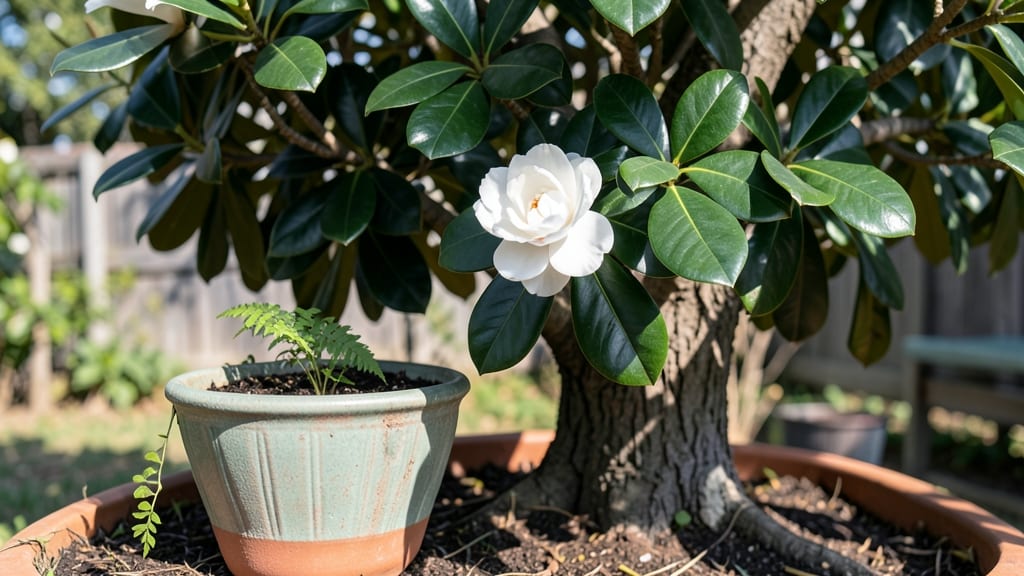
Growing a magnolia tree in a pot isn’t just possible—it’s the secret to having that fragrant, showstopping beauty on your patio or balcony. 🌸 I’ve nurtured mine for five years, and it still bursts with blooms every spring, proving container life works when you pick the right variety and care for it properly.
The key starts with the pot—at least 18 inches wide with drainage holes—and soil that mimics its woodland roots: rich, slightly acidic, and well-draining. Dwarf varieties like ‘Little Gem’ or ‘Black Tulip’ thrive in containers, but even standard magnolias can adapt if you refresh the soil every few years.
Pruning isn’t just about shaping; it’s about encouraging those iconic blooms while keeping the tree healthy in tight quarters.
You’ll love the results: glossy leaves year-round, fragrant blooms that attract hummingbirds, and a tree that outgrows its “small space” limitations. The trade-off? A little more attention to watering (keep soil moist but never soggy) and occasional fertilizer boosts in spring.
With the right care, your potted magnolia becomes the centerpiece it deserves.
Whether you’re dealing with root binding or yellowing leaves, we’ll cover the fixes—and how to prevent them before they start. Let’s keep that magnolia thriving in its pot for decades to come.
📚 In This Guide
- What you need
- Instructions
- Tips and common mistakes
- Wrapping up and next steps
What you need
- ● Pruning shears: Bypass pruners (for small branches, ¼”–¾” thick)
- ● Loppers: 1 pair (for medium branches, ¾”–2” thick)
- ● Pruning saw: 1 (for thick branches, 2”+ thick)
- ● Rubbing alcohol (70%+) or bleach solution: 1 small bottle (for sterilizing tools)
- ● Garden gloves: 1 pair (cut-resistant, for safety)
- ○ Tree wound paint (optional): 1 small container (for sealing large cuts)
- ● Disposable pruning bags or bucket: 1 (to collect debris)
- ● Safety gear: Safety glasses (if pruning large branches)
- ● Ladder or step stool: 1 (if your magnolia is taller than 6 ft)
- ● Sharpie or marker: 1 (to label cuts if needed)
- ● Hose or water spray bottle: 1 (to clean tools and wounds)
- ● Pruning guide or reference: 1 (for magnolia-specific tips—this article counts!)
Step-by-step pruning guide for container-grown magnolias
Keep your potted magnolia thriving with these precise pruning techniques that encourage lush growth and stunning blooms.
✂️ Step 1: Time Your Pruning for Optimal Growth
Prune your magnolia immediately after flowering—usually in late spring or early summer—when blooms have faded but new growth is still soft. This timing ensures you remove spent flowers while preserving next year's buds, which form on old wood. Avoid pruning in fall or winter, as cold stress can harm the tree.
If you notice leggy branches reaching toward the light, do a light shaping cut in early summer to redirect energy. Never prune more than 25% of the canopy at once, or you risk shocking the tree. I like to make my cuts just above a leaf node or bud, angled slightly away from the branch to prevent water pooling.
🌿 Step 2: Remove Dead, Diseased, or Weak Branches
Start by inspecting the tree for branches that are dead (brown, brittle), diseased (mushrooms, oozing sap), or crossing others. Use sharp, clean pruning shears to make clean cuts at the branch collar—the swollen area where the branch meets the trunk. Avoid leaving stubs, which invite rot and pests.
For branches thicker than ½ inch, use loppers and cut on the underside of the branch to avoid tearing the bark. If a branch is too large, make a series of cuts over a few seasons to avoid stressing the tree. I always sterilize my tools with rubbing alcohol between cuts to prevent spreading disease.
✂️ Step 3: Shape the Canopy for Balance and Airflow
Step back and assess the tree’s shape—aim for an open, vase-like form that allows sunlight to reach the center. Thin out crowded branches by removing 1 in 3 branches starting from the bottom, which improves airflow and reduces fungal risks. Avoid "topping" (cutting the main stem), as this triggers weak, water-sprout growth.
For structural branches, prune back to a lateral branch or bud that faces outward. This encourages outward growth rather than inward, which can block light. If your magnolia has become too wide for its pot, prioritize reducing height over width to maintain stability.
🌱 Step 4: Encourage New Growth with Strategic Cuts
To stimulate fresh foliage, make 2-3 small cuts per branch just above a set of healthy leaves. Avoid cutting into old wood, as magnolias rely on mature branches for blooms. After pruning, water deeply to help the tree recover, especially if it’s in a small pot with limited root space.
Watch for new shoots emerging from the cut areas within 4-6 weeks. These indicate successful pruning. If you notice excessive water sprouts (thin, upright shoots), prune them back immediately—they drain energy from the tree. Mulch the base with 2-3 inches of organic mulch to retain moisture and protect roots.
⏰ Step 5: Maintain Year-Round with Light Trimming
Throughout the year, remove any suckers (shoots at the base) or watersprouts (rapid, vertical growth) as soon as they appear. These compete with the main structure for nutrients. In late summer, give the tree a final light trim to tidy up any ragged edges before winter.
Container magnolias need regular monitoring—check for signs of stress like yellowing leaves or stunted growth. If pruning seems too aggressive, scale back and focus on removing only the most problematic branches. With consistent care, your potted magnolia will reward you with vibrant blooms and lush foliage for years.
Tips & tricks for perfectly pruned magnolia trees in pots
Mastering the art of pruning container magnolias transforms your tree from merely surviving to thriving with vibrant blooms and lush foliage. These pro tips will help you navigate the nuances of seasonal care and structural balance.
Seasonal Timing Secret: The late spring/early summer window for pruning is non-negotiable—this is when your magnolia's energy shifts from flowering to new growth. I've learned the hard way that fall/winter pruning stresses the tree, making it vulnerable to winter dieback. Look for that perfect moment when blooms have faded but new leaves are still tender—usually within 2-3 weeks after flowering. This timing preserves next year's flower buds while encouraging healthy foliage growth.
Tool Preparation Matters: Sterilizing your pruning tools between cuts is more important than most gardeners realize. I keep rubbing alcohol in a small spray bottle by my work area and give it a quick spray after every 3-4 cuts, especially when dealing with diseased branches. Dull tools crush branches rather than making clean cuts, which slows healing and invites infection. For branches over ½ inch thick, switch to your loppers and make the cut on the underside—this prevents bark tearing that can expose the tree to pests.
Canopy Shaping Strategy: When thinning crowded branches in Step 3, aim to remove every third branch starting from the bottom. This creates that ideal open, vase-like shape while maintaining structural integrity. Here's what I do: I step back every few minutes to visualize the tree's silhouette—you want sunlight to penetrate all the way to the center. For structural branches, always cut back to a lateral bud facing outward; this encourages outward growth rather than inward sprawl that blocks light and air circulation.
Recovery Care After Pruning: The 4-6 week window for new shoot growth is your feedback mechanism—healthy regrowth means you've done it right. After pruning, I give my magnolias a deep watering to help them recover, especially important for container-grown trees with limited root space. The 2-3 inches of organic mulch I apply acts like a moisture blanket while protecting roots from temperature fluctuations. If you notice excessive water sprouts (those thin, upright shoots), prune them back immediately—they're energy vampires that drain resources from the main structure.
Pro Tips for Magnolia Tree In Pot
- Mastering the art of pruning container magnolias transforms your tree from merely surviving to thriving with vibrant blooms and lush foliage.
- Seasonal Timing Secret: The late spring/early summer window for pruning is non-negotiable—this is when your magnolia's energy shifts from flowering to new growth.
- Tool Preparation Matters: Sterilizing your pruning tools between cuts is more important than most gardeners realize.
Frequently asked questions
Got questions about keeping your magnolia tree in a pot thriving? You’re not alone! Here are answers to the most common concerns—from pruning tips to seasonal care—so you can enjoy lush blooms year-round.
How often should I prune a potted magnolia tree?
Prune your magnolia once a year, ideally right after flowering (late spring). This timing lets you shape the tree without cutting off next year’s blooms. For container-grown magnolias, light trimming to remove dead or crossing branches is key—avoid heavy pruning, as magnolias bloom on old wood.
Can I prune a magnolia in winter?
Winter is not the best time to prune magnolias in pots. Pruning in cold months can stress the tree and invite disease. If you spot dead branches in winter, snip them off—but wait until spring for major shaping. Pro tip: Use clean, sharp shears to prevent tearing bark.
What’s the best potting mix for a magnolia tree?
Magnolias thrive in well-draining, slightly acidic soil (pH 5.0–6.0). Mix equal parts of potting soil, perlite, and compost for aeration. Avoid heavy garden soil—it compact and suffocates roots. For containers, ensure drainage holes are present to prevent root rot.
Why isn’t my potted magnolia blooming?
Lack of blooms often stems from over-pruning, poor light, or root-bound conditions. Magnolias need full sun (6+ hours daily) and may skip flowers if stressed. Check for yellow leaves (overwatering) or crispy edges (underwatering). Repot every 2–3 years if roots circle the container.
How do I move a large potted magnolia safely?
Magnolias hate root disturbance. If relocating, water the tree 24 hours beforehand to reduce stress. Lift the pot carefully, keeping the root ball intact. Avoid moving during extreme heat or cold. After transplanting, shade the tree for a week and water deeply to help it recover.
Wrapping up and next steps
Growing a magnolia tree in a pot is a rewarding way to enjoy its stunning blooms and lush foliage year-round—with the right pruning techniques! Remember, timing (late winter or early spring) and precision (removing dead wood, shaping gently) are key to keeping your tree healthy and vibrant.
Whether you’re a beginner or a seasoned gardener, a little care goes a long way in maximizing its beauty.
Ready to give your magnolia the TLC it deserves? Start by scheduling your first pruning session this season—your tree (and your green thumb!) will thank you. Happy pruning! 🌸✂️