
Pruning
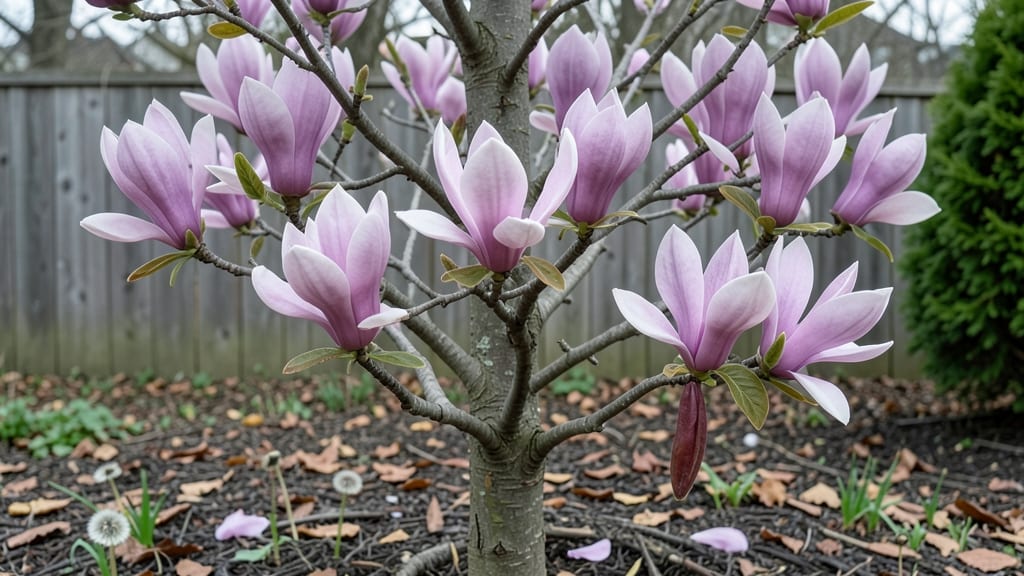
Those bright red magnolia tree berries aren’t just pretty—they’re a sign your tree is thriving. 🌿 I used to prune mine without thinking about berries, but once I learned how they form, I adjusted my approach to keep both blooms and fruit abundant.
The secret lies in understanding when and how to prune.
Berries develop after flowers bloom, so timing matters. Prune right after blooming to avoid cutting off next year’s fruit. These clusters start green, turn pink, then deep red by fall—like nature’s own holiday decorations. They’re not edible (and can be toxic), but birds and squirrels adore them.
Healthy trees produce more berries naturally, but you can encourage them by pruning old wood in late winter. Just avoid heavy cuts that remove too many branches—this keeps energy flowing to both flowers and fruit. Your tree will reward you with a stunning display every season.
Works for both small patio magnolias and towering backyard varieties. The same principles apply whether you’re growing a Southern magnolia or a fragrant saucer magnolia. Let’s get those branches trimmed just right!
📚 In This Guide
- What you need
- Instructions
- Tips and common mistakes
- Wrapping up and next steps
What you need
- ● Pruning shears: Sharp, bypass-style shears (for cuts up to ½ inch thick). Quantity: 1 pair.
- ● Loppers: Heavy-duty, bypass or anvil-type loppers (for cuts up to 1½ inches thick). Quantity: 1 pair.
- ● Pruning saw: Curved-tooth saw with a 7- to 10-inch blade (for larger branches). Quantity: 1.
- ● Gloves: Cut-resistant, leather or heavy-duty garden gloves (to protect hands from thorns and sharp edges). Quantity: 1 pair.
- ● Disinfectant: 70% isopropyl alcohol or a 10% bleach solution (to sterilize tools between cuts and prevent disease). Quantity: Small spray bottle or wipe.
- ○ Pruning sealant (optional but recommended): Tree wound sealant or pruning paste (for sealing larger cuts to reduce risk of infection). Quantity: Small tube.
- ● Safety gear: Safety glasses (to protect eyes from debris).
- ● Long sleeves and pants (to guard against thorns and scratches).
- ● Ladder or step stool: Sturdy, non-slip ladder (for reaching higher branches safely). Height: Adjustable to your tree’s height.
- ● Extension pole pruners: Pole saw or pruners with an extendable handle (for high branches without a ladder).
- ● Marking twine or spray paint: Biodegradable spray paint (to mark branches for removal before cutting).
- ● Heavy-duty trash bags: 20-30 gallon bags (for collecting pruned branches and debris). Quantity: 2-3.
- ● Pruning guide or reference chart: Printed or digital guide (to visualize ideal pruning cuts and tree structure).
How to prune magnolia trees for healthy berries and blooms
Here's the simple pruning method I use to keep my magnolias flowering and fruiting beautifully year after year.
✂️ Step 1: Prune Immediately After Flowering Season
Wait until late spring or early summer, after your magnolia has finished blooming but before new growth hardens. This timing ensures you don't accidentally cut off next year's flower buds, which form on old wood. I look for dropped petals and fresh green seed pods as my signal—this means the tree is done flowering for the year.
Start by removing any dead, diseased, or crossing branches with clean cuts just outside the branch collar. I use sharp bypass pruners for branches under ½ inch thick and a pruning saw for thicker branches. Make cuts at a 45-degree angle to prevent water from pooling and rotting the wound.
☀️ Step 2: Thin Out Dense Growth for Better Airflow
Magnolias naturally grow with dense canopies, which can block sunlight and reduce berry production. Focus on removing 10-20% of the total branches to open up the center of the tree. Look for branches that are rubbing against each other or growing inward—they'll compete for sunlight and nutrients.
I prioritize branches that haven't produced flowers or berries in the past two years. These are often older branches that no longer contribute to the tree's productivity. Make your cuts just above an outward-facing bud or branch to encourage healthy new growth in the right direction.
🌱 Step 3: Shape the Tree for Optimal Light Exposure
Step back and assess the tree's overall shape, aiming for an open center that allows sunlight to reach all branches. Magnolias need good airflow to prevent fungal diseases that can ruin both flowers and berries. I remove any branches that are growing straight up or downward, as these create weak points and block light.
For larger branches, I make three cuts: first an undercut, then a top cut, and finally a final cut to remove the branch. This technique prevents tearing the bark. Leave small stubs—magnolias heal slowly, and large wounds attract pests. After pruning, I clean my tools with rubbing alcohol to prevent spreading disease between cuts.
⏰ Step 4: Light Pruning in Late Winter Before Bud Break
In late February or early March, just before the tree starts to bud, do a final light pruning session. This is your chance to remove any new growth that appeared after last year's pruning but didn't develop properly. Look for branches that are weak, broken, or growing in odd directions.
I also check for any suckers or water sprouts that appeared at the base of the tree. These compete with the main branches for nutrients and should be removed immediately. Keep this pruning session minimal—you're just tidying up, not reshaping the tree. Avoid cutting into old wood, as magnolias produce flowers on previous year's growth.
🌿 Step 5: Post-Pruning Care for Healthy Growth
After your final pruning session, apply a balanced fertilizer (10-10-10 ratio) around the tree's drip line in early spring. Water deeply to help the tree recover from pruning stress. I give my magnolias 1-2 inches of water weekly during the growing season, adjusting for rain.
Monitor the tree closely for the first month after pruning. If you see any signs of stress like wilting leaves or unusual leaf drop, reduce watering slightly. Healthy magnolias should show new growth within 4-6 weeks of pruning. This fresh growth indicates the tree is recovering well and setting up for next year's blooms and berries.
Tips & tricks for perfect magnolia tree pruning
These practical tips will help you maintain your magnolia's health and maximize those stunning blooms and berries without the guesswork.
Timing is Everything: The late spring/early summer pruning window is critical because magnolia flower buds form on the previous year's growth. If you prune too early, you might accidentally remove next year's blooms. I always check for dropped petals and fresh green seed pods—this is your clear signal that the tree has finished flowering for the season.
Tool Selection Matters: Using the right tools makes all the difference. For branches under ½ inch thick, sharp bypass pruners give you clean cuts that heal faster. For thicker branches, a pruning saw prevents tearing. I keep a bottle of rubbing alcohol handy to disinfect tools between cuts—this prevents spreading disease from one branch to another.
Proportion Principle: When thinning out dense growth in Step 2, aim to remove only 10-20% of the total branches. This might sound counterintuitive, but magnolias need some density to support their weight. Focus on removing branches that are rubbing against others or growing inward. These are the ones that compete for sunlight and nutrients, reducing both flower and berry production.
Winter Pruning Wisdom: That late February/early March light pruning session is your opportunity to tidy up without disrupting the tree's growth cycle. Look for weak branches or water sprouts that appeared after last year's pruning. These are the ones that steal energy from your main branches. Remember to avoid cutting into old wood—magnolias produce flowers on last year's growth, so you don't want to remove potential bloom sites.
Pro Tips for Magnolia Tree Berries
- These practical tips will help you maintain your magnolia's health and maximize those stunning blooms and berries without the guesswork.
- Timing is Everything: The late spring/early summer pruning window is critical because magnolia flower buds form on the previous year's growth.
- Tool Selection Matters: Using the right tools makes all the difference.
Frequently asked questions
Got questions about magnolia tree berries and how they fit into your pruning routine? Here are some of the most common queries—and answers—to help you keep your tree thriving!
Are magnolia tree berries safe to eat?
The berries (and seeds) of most Magnolia species are not safe for humans or pets. Many contain toxic compounds like magnolol or cyanogenic glycosides. However, birds like thrushes and waxwings do eat them—so if you spot wildlife feasting, don’t panic! Just admire from afar.
When do magnolia berries appear after flowering?
Magnolia berries typically form 6–12 months after flowering, depending on the species. For example, Magnolia grandiflora (Southern magnolia) berries ripen in late fall/winter, while Magnolia stellata (star magnolia) may take until early spring. Patience is key—prune strategically to avoid removing potential fruit!
Should I prune magnolia trees when berries are present?
Yes, but timing matters. Prune after berries have fully ripened and fallen (usually late winter/early spring for most species). Avoid heavy cuts during berry formation (summer/fall) to protect next year’s fruit. Light shaping is fine, but major pruning can reduce flowering—and thus, berry production.
What if my magnolia tree isn’t producing berries?
Several factors could be at play: age (young trees <3–5 years may not fruit), lack of pollinators (some magnolias are self-pollinating, but bees help!), or over-pruning. Check for pests/diseases too. If the tree is healthy but berry-less, it might just need time—or a pollinator-friendly garden upgrade!
Can I propagate magnolia trees from berries?
While possible, it’s not recommended for most gardeners. Magnolia seeds require stratification (cold treatment) and can take 1–2 years to germinate. Grafting or rooting cuttings from a mature tree is far more reliable. Save the berries for bird feeders instead!
Wrapping up and next steps
Mastering the art of pruning your magnolia tree ensures year-round beauty—from vibrant blooms to luscious berries! 🌸 By following the right techniques, timing, and tools, you’ll keep your tree healthy, encourage abundant fruit, and even extend its lifespan.
Whether you’re trimming for shape, health, or harvest, every snip brings you closer to a thriving, picturesque magnolia.
Ready to transform your garden? Grab your pruners and start with one small section at a time. Watch as your magnolia rewards you with stunning blooms and berries—nature’s way of saying, “You’ve got this!” 🌿✨