
Trees
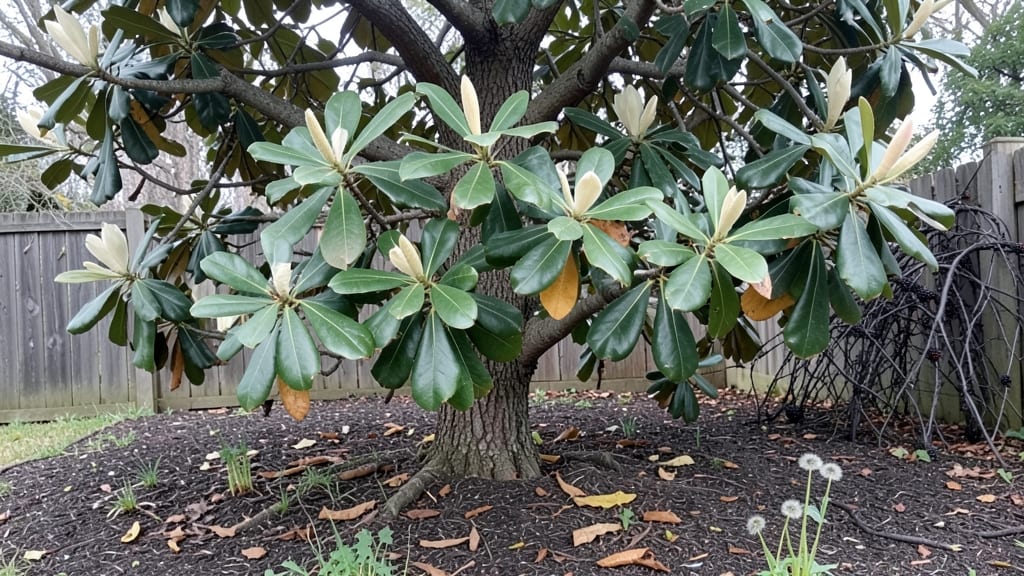
Your magnolia tree dropping leaves can feel like a heartbreaking loss—those glossy, deep-green leaves are its signature. I’ve watched my own tree shed prematurely twice, and each time, it turned out to be a simple fix.
The key is spotting the difference between normal seasonal drop and something more serious, like pests or disease.
Start by checking the leaves: yellowing with spots suggests fungal issues, while brown edges often mean underwatering or scorching. If you see tiny webs or holes, pests like lace bugs or scale might be the culprits.
Most problems fix themselves with the right care—watering adjustments, pruning dead branches, or even a targeted spray—but timing matters.
📚 In This Guide
- What you need
- Instructions
- Tips and common mistakes
- Wrapping up and next steps
What you need
- ● Garden gloves – A pair of durable, long-sleeved gloves (e.g., nitrile-coated for protection against sap and debris).
- ● Pruning shears – Sharp, bypass-style shears (10-12" blade) for clean cuts.
- ● Hand pruners – Smaller, anvil-style pruners (for thin branches).
- ● Loppers – Bypass loppers (16-24" blade) for thicker branches (up to 2" diameter).
- ● Fertilizer – A balanced, slow-release fertilizer (e.g., 10-10-10 or 12-12-12) or a magnolia-specific fertilizer with micronutrients.
- ● Watering can or hose – With a gentle spray nozzle for deep watering.
- ● Soil pH test kit – Digital or liquid test kit to check soil acidity (ideal pH: 4.5–6.0 for magnolias).
- ● Mulch – Organic mulch (e.g., pine bark or shredded leaves, 2–4" thick).
- ○ Fungicide (optional but helpful) – Copper-based or neem oil fungicide if fungal issues are suspected.
- ● Notebook & pen – To track symptoms, treatments, and progress.
- ● Soil moisture meter – To check root-zone hydration levels.
- ● Leaf analysis kit – For diagnosing nutrient deficiencies.
- ● Tree disease identification guide – Or a plant disease app (e.g., PlantSnap) for visual diagnosis.
- ● Safety goggles – If working with heavy tools or near power lines.
- ● Wheelbarrow or bucket – For collecting fallen leaves or debris.
How to diagnose and treat a magnolia tree dropping leaves
Magnolias are stunning shade trees, but sudden leaf drop can signal stress. Here’s how to identify the cause and take action before it’s too late.
Assess Environmental Stressors
Start by examining the tree’s surroundings. Magnolias thrive in well-draining, slightly acidic soil with partial to full shade, especially in hotter climates. If your tree is planted in full sun without afternoon shade, the leaves may scorch and drop prematurely. Check for sudden temperature swings—magnolias dislike below 10°F or above 90°F for prolonged periods.
Next, inspect the soil around the base. Compacted or waterlogged soil restricts root growth, leading to leaf drop. Stick your finger 2 inches deep—if the soil feels hard or stays clumpy when squeezed, aerate it with a fork or add 2-3 inches of organic mulch (like shredded bark) to improve drainage. Avoid piling mulch directly against the trunk, as this can cause rot.
Rule Out Pests and Diseases
Magnolia leaf drop is often tied to scale insects, spider mites, or fungal infections like powdery mildew. Look closely on the undersides of leaves for sticky residue (honeydew), tiny webs, or white powdery patches. Scale insects appear as small, immobile bumps, while spider mites cause speckled yellowing between leaf veins.
If you spot pests, treat with neem oil (mix 1 tablespoon per gallon of water) and spray thoroughly on a cool, overcast day. For fungal issues, apply a copper-based fungicide following label instructions. Prune and dispose of heavily infested branches immediately to prevent spread. Real talk: Don’t skip this step—untreated pests will weaken the tree faster than you think.
Check for Root or Watering Issues
Overwatering or underwatering are the most common culprits for leaf drop. Magnolias prefer consistent moisture but hate soggy roots. Press your finger 2-3 inches into the soil—if it’s bone-dry, water deeply until moisture reaches 6 inches down. If it’s still damp after 48 hours, you’re overwatering.
For underwatering, deep-water once a week during dry spells, aiming for 1-2 gallons per inch of trunk diameter. For overwatering, improve drainage by amending the soil with compost or perlite and avoid watering until the top 2 inches feel dry. Here’s the thing—magnolias are drought-tolerant once established, but they hate wet feet.
Evaluate Nutrient Deficiencies
Yellowing leaves (chlorosis) often signal iron or nitrogen deficiencies. Magnolias in alkaline soil (pH above 7.0) struggle to absorb iron, causing yellow leaves with green veins. Test your soil with a home pH kit—if it’s above 6.5, amend with peat moss or sulfur to lower pH gradually.
For nitrogen deficiency (pale green leaves), apply a slow-release granular fertilizer (like 10-10-10) in early spring following package rates. Avoid high-nitrogen fertilizers in fall—they encourage tender new growth that can’t survive winter. I’ve found that magnolias respond best to balanced fertilizers applied once in spring and once in summer.
Prune Strategically to Stimulate Growth
If the tree is otherwise healthy but still dropping leaves, selective pruning can encourage new growth. Remove dead, diseased, or crossing branches first, cutting just outside the branch collar (the swollen area where the branch meets the trunk). Avoid heavy pruning in late summer or fall—this stresses the tree when it’s preparing for dormancy.
For a rejuvenation prune, thin out 20-30% of the canopy in late winter or early spring. Focus on removing suckers at the base and thinning dense areas to improve airflow. Here’s what I do: Prune on a dry day to reduce disease risk, and sterilize tools with rubbing alcohol between cuts to prevent bacterial spread.
Tips & tricks for diagnosing and treating magnolia leaf drop
These targeted strategies will help you pinpoint exactly what's stressing your magnolia—and how to fix it before it's too late.
Soil Test Timing: The 48-hour soil moisture check in Step 3 is your best indicator of overwatering. If the soil remains damp after this period, you're likely suffocating the roots. I've found that magnolias prefer their soil to dry out slightly between waterings, especially in cooler months when evaporation slows. Consider installing a moisture meter near the root zone for more precise monitoring.
Pest Identification Shortcut: When checking for spider mites in Step 2, look for fine webbing between leaf veins—not just on the undersides. I've seen cases where mites spread to the tops of leaves first, creating a speckled pattern that mimics nutrient deficiencies. If you find webbing, treat immediately with neem oil, as these pests multiply rapidly in warm, dry conditions.
Temperature Tolerance Insight: Magnolias can handle brief dips below 10°F, but prolonged exposure to temperatures below this threshold causes severe stress. What I've noticed is that young trees (under 10 years old) are far more sensitive to cold than mature specimens. If you live in a marginal climate, consider wrapping the trunk with burlap in late fall for added protection.
Fertilizer Application Strategy: The early spring timing for fertilizer in Step 4 is critical because it aligns with the tree's natural growth cycle. I recommend applying fertilizer when you see new leaf buds beginning to swell, as this indicates the tree is ready to utilize nutrients. For established trees, split the 10-10-10 application into two smaller doses—half in early spring and half in mid-summer—to prevent nutrient burn.
Pro Tips for Magnolia Tree Dropping Leaves
- These targeted strategies will help you pinpoint exactly what's stressing your magnolia—and how to fix it before it's too late.
- Soil Test Timing: The 48-hour soil moisture check in Step 3 is your best indicator of overwatering.
- Pest Identification Shortcut: When checking for spider mites in Step 2, look for fine webbing between leaf veins—not just on the undersides.
Frequently asked questions
Got questions about your magnolia tree’s leaf drop? You’re not alone! Here are some of the most common concerns—and their answers—to help you troubleshoot and keep your tree thriving.
Why is my magnolia tree dropping leaves suddenly?
Sudden leaf drop is often caused by environmental stress, like extreme heat, drought, or transplant shock. Pests (e.g., scale insects or spider mites) or fungal diseases (like Phytophthora) can also trigger it. Check for yellowing leaves, webbing, or spots to narrow it down.
Is it normal for magnolias to drop leaves in fall?
Yes! Magnolias are deciduous (except evergreen varieties like Magnolia grandiflora). They naturally shed leaves in late fall or early winter to conserve energy. However, if leaves drop before autumn colors appear, stress or disease may be the culprit.
How can I tell if my magnolia tree is dying vs. just shedding?
Compare these signs:
- Healthy shedding: Leaves turn yellow/brown first, drop cleanly, and new buds form in spring.
- Tree decline: Leaves wilt, curl, or fall prematurely (no color change), bark cracks, or branches die back. Root rot or disease often causes this.
Can I prune my magnolia tree to stop leaf drop?
Pruning won’t fix the root cause, but it can improve air circulation and reduce stress. Trim only dead or diseased branches in late winter (after dormancy). Avoid heavy pruning—magnolias are sensitive! Use sterilized tools to prevent spreading infections.
What’s the best way to prevent future leaf drop?
Focus on these proactive steps:
- Water deeply 1–2x/week (1–2 inches) during droughts.
- Avoid transplant shock: Plant magnolias in well-draining soil and mulch (3 inches) to retain moisture.
- Monitor pests: Spray with neem oil if you spot mites or scale.
- Fertilize lightly in early spring with acid-loving plant food.
Pro tip: If your tree is young, consider root stimulator during planting to boost resilience!
Wrapping up and next steps
Seeing your magnolia tree dropping leaves can be concerning, but understanding the why and how gives you the power to help it thrive! 🌿 Whether it’s seasonal changes, pests, or environmental stress, taking the right steps—like proper pruning, monitoring for diseases, or adjusting care—can make all the difference.
Your magnolia is resilient, and with a little attention, it’ll bounce back stronger than ever.
Ready to take action? Start by inspecting your tree this weekend and noting any changes—then choose the best solution from the tips above. Your green thumb is closer than you think! 🌱